Our price data keeps pointing to the same pain point: women buy mascara in droves, then scramble for removers when lashes start snapping. We see removers spike during big sale weeks, but the problem often isn’t the product. It’s the method.
You can break up pigment and film-formers without breaking lashes. You need the right remover for the formula on your eyes, the right tools, and a minute of patience. That minute saves months of regrowth.
Healthy lashes shed on their own. Research pegs normal daily lash loss at a few strands. Most women notice fallout when removal turns into rubbing. Tugging weakens follicles and frays tips. Across our site searches, interest in waterproof and “long-wear” looks jumps from late spring into summer. We also see remover searches jump right with it. That tracks with sweat, humidity, and more pool days.
Since 2010, our tracker has watched formulas shift. Brands now lean on smarter polymers and flexible film-formers that hold curl and resist smudging. That’s great until you want them off. Waterproof mascaras use solvents like isododecane and fixatives like trimethylsiloxysilicate. Tubing mascaras build tiny sleeves with heat-sensitive polymers. Classic mascaras mix waxes, pigments, and resins. Each needs its own exit strategy.
Retail cycles also shape what lands in your cabinet. We see frequent discounts on makeup removers during Ulta 21 Days of Beauty, Sephora Spring Savings, and Black Friday. Mascara deals show up often too. A smart cart pairs the two. Add a remover when you pick a new tube, and stash a backup. Your lashes will thank you on the night that heavy-duty formula refuses to budge.
{{IMAGE:woman removing mascara gently with cotton pad}}Decode your mascara formula before you reach for remover
You can avoid lash loss when you match remover to formula. Start with the label. Brands flag “waterproof,” “water-resistant,” or “tubing” right on the box. Ingredient lists confirm it. This matters more than any tool choice. If you guess wrong, you rub longer. Lashes suffer first.
Classic formulas blend waxes like beeswax or carnauba with pigments and flexible resins. Warm water, micellar waters with poloxamers, and cleansing balms remove these best. You need brief contact and light pressure. The waxes melt and the pigment lifts.
Waterproof mascaras resist sweat and tears. They use solvent-loving film-formers that bond tight. Oil-based or bi-phase removers break that film. Cleansing balms also work well because they mix oils and emulsifiers. Water-only methods fall short here. You just rub and rub, and lashes pay the price.
Tubing mascaras wrap each lash with a polymer sleeve. Warm water and gentle pressure make the tubes slide off in soft strands. You may see tiny “spiders” in the sink. That isn’t fallout. That’s the polymer sleeve detaching. Oils do little for tubing formulas. Don’t start with oil if your tube says “tubing” or “warm water removal.”
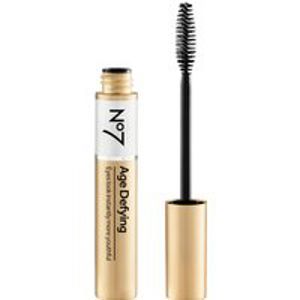
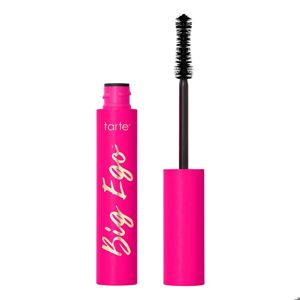
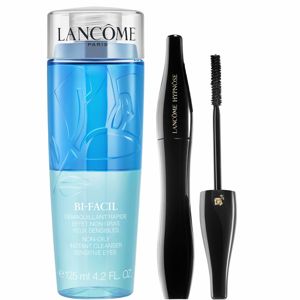
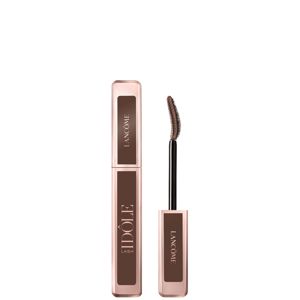
Not sure what you own? Pull up the listing in our Mascaras category and scan the description. Brands like Tarte call out tubing explicitly on some SKUs. Classic long-wear from Lancôme or dramatic waterproof options from Shiseido often need a bi-phase remover. Cross-check once and you save your lashes every night after.
Build a lash-safe toolkit: pads, balms, and gentle cleansers
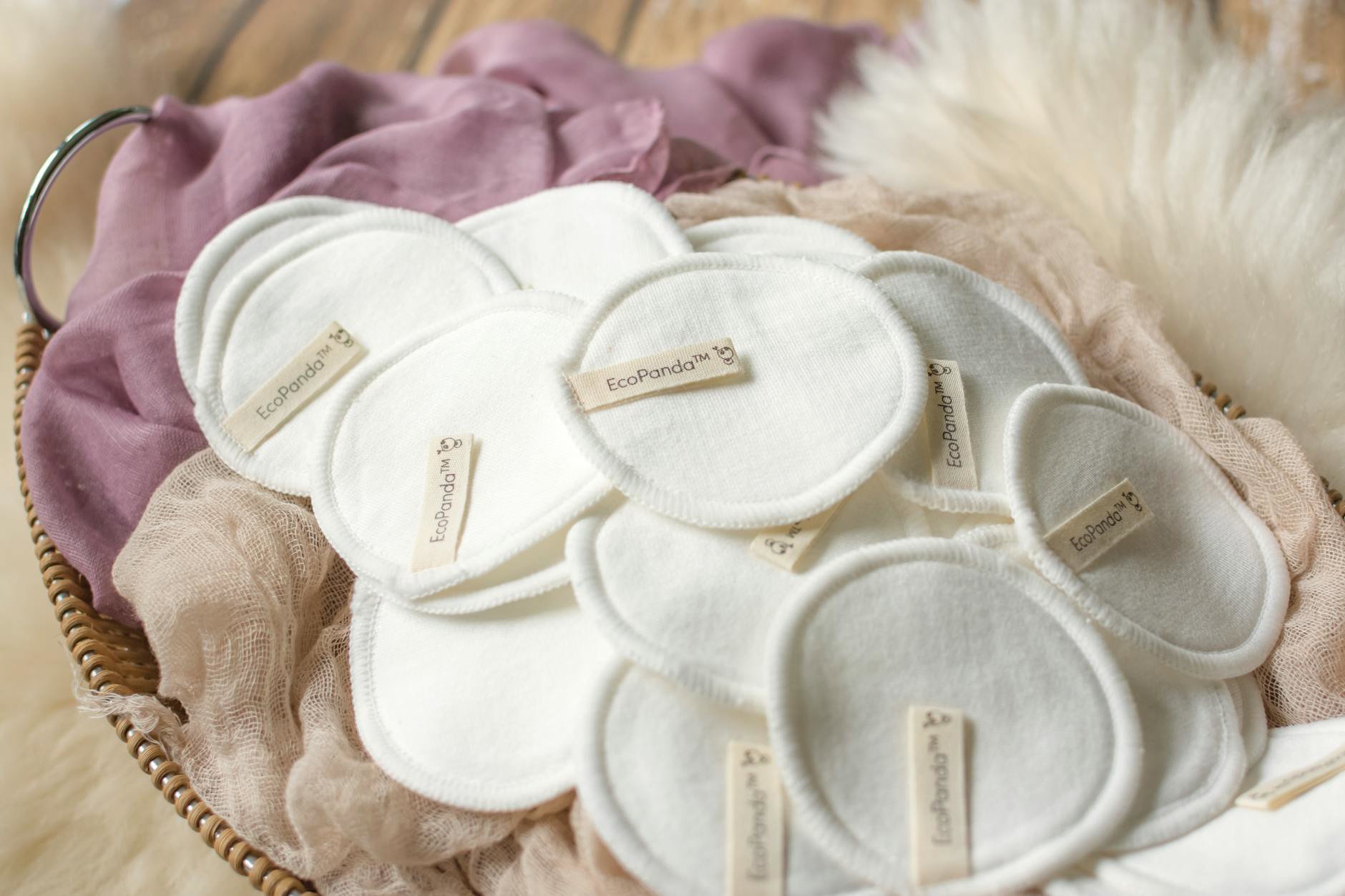
Good tools do half the work. Soft, flat cotton pads beat fluffy cotton balls. The flat weave grips pigment and stays lint-free. Microfiber cloths also work well around the eye because they grab residue with less friction. Skip rough towels. Skip paper tissues. Friction breaks tips and tugs at roots.
Stock one remover that matches your heaviest mascara and one that handles daily wear. For most routines, that means a bi-phase remover or cleansing balm for waterproof days, and a micellar water for classic formulas. You can also rely on a single solid balm for both. Balms melt waxes and soften films, then rinse clean when you emulsify with water.
Many women rate these standouts year after year: Bi-phase staples from Lancôme and Shiseido, gentle balms from Clinique, and budget-friendly workhorses from Sephora Collection. You can add any of these to your GlamGeek wishlist. We track prices across Sephora, Ulta, Target, Amazon, and Nordstrom. We’ll ping you when they drop.
Keep a clean spoolie or a soft lash comb from the Makeup Brushes & Applicators category. You can brush through damp lashes after removal to lift any lingering flakes. A few pointed cotton swabs also help you target the base without flooding the eye with remover. Round out the kit with a gentle face wash from our Foam & Wash Cleansers category. That second step clears film from lids and keeps pores calm.
The 60-second method that saves lashes on regular mascara
Most lash loss happens in that mindless scrub. Swap it for a one-minute pattern. It feels slow at first. It gets fast with practice. Your lashes look thicker by week two because you stop yanking them out.
Start with clean hands. Saturate a soft cotton pad with micellar water or your balm of choice. For balms, warm a pea-size amount between clean fingers, then press it onto lids and lashes. Close your eyes and hold the pad or your fingers against the lashes for 15 seconds. Let the formula do the heavy lift. You want contact, not pressure.
Slide downward with the pad along the lash direction. Use slow strokes from root to tip. Rotate the pad to a clean edge as you go. Resist side-to-side rubbing. That shears lashes and kinks them. If pigment clings at the base, fold the pad and press the crease along the lash line for another five seconds. Then sweep down again.
Rinse with lukewarm water. Follow with a gentle cleanser to clear film from the lids. Pat dry with a soft towel. Brush through with a clean spoolie. Check the mirror for smudges. Spot clean with a pointed swab dipped in micellar water if needed. The whole thing takes a minute. You leave more lashes where they belong.
Waterproof without fallout: oils, bi-phase, and balm strategy
Waterproof demands strategy. If you reach for water-only, you grind film into the lash cuticle. You also fatigue the follicle. Instead, let chemistry help. Bi-phase removers combine water and oil layers. Shake well. The oil dissolves stubborn film-formers. The water helps carry the residue off the skin.
Here’s a simple pattern. Saturate a flat pad with a bi-phase remover. Close your eye. Press and hold for 20 to 30 seconds. Breathe. Then sweep down in one slow motion. Flip the pad and repeat. Move to a fresh pad if it looks gray and streaked. Stubborn corners? Pinch the lashes between two damp pads and slide them closed, root to tip. Use light pressure only. Then emulsify a pea-size balm between fingers. Massage over the lid and lashes for 10 seconds. Add water to turn it milky, then rinse. This two-step clears film and any oily trace. Lashes stay happy.
Heat, sweat, and long days push many women to waterproof daily from May through August. We see that shift in our sales feed every year. That habit does not have to cost lashes. It does demand a remover that matches. Look for gentler solvents and minimal fragrance. Many women rate bi-phase formulas from Lancôme, Shiseido, and classic removers from Estée Lauder. Add your pick to your GlamGeek wishlist. We’ll monitor prices across major retailers and send an alert when it drops.
One more thing. Don’t pick at flakes during the day. That habit snaps tips and lifts whole lashes. If smudges appear at the gym or in summer heat, tap a tiny bit of balm on a cotton swab and roll it over the spot. Then blot and move on.
Tubing mascara: warm water, gentle pressure, zero tug
Tubing formulas use heat-responsive polymers that form sleeves around each lash. That design resists sweat and oil, which keeps smudges away. Removal needs warmth and a little patience, not oil. If you reach for oil first, you just smear.
Soak a soft cloth in warm water. Wring it until it stops dripping. Press it over your closed eyes for 20 seconds. Then use your fingertips to slide along the lashes with the water as slip. The tubes release and come off in thin strands. Rinse the cloth and repeat as needed. Finish with a gentle cleanser to remove any remaining film from the lids.
Brands label tubing clearly now. You’ll see the cue on listings from Tarte and several prestige houses. If your tube says “warm water removal,” skip oils in step one. If you want to condition after, keep oils light and away from the waterline. Also remove contact lenses before you start. Tubes can catch under a lens and cause redness.
Expect the sink to collect those tiny “spiders.” That’s normal for tubing. You don’t need to rub. You just need warmth and a steady slide. Lashes stay intact when the sleeves, not the hair, take the friction.
{{IMAGE:close-up of lashes being cleansed with warm water}}Sensitive eyes, contacts, lash extensions, and after-care that strengthens
If your eyes get red or sting, check the ingredient list on your remover. Fragrance and high alcohol can burn. Many women with sensitive eyes rate fragrance-free removers from Clinique and Shiseido. You can also dilute micellar water with a touch of sterile saline on the pad for less sting. Rinse well and pat dry. Redness often fades when you remove residue, not when you layer more product.
Contact lens wearers should remove lenses first. Mascara and film formers cling to silicone hydrogel. That mix clouds vision and irritates eyes. Remove mascara and cleanse lids before you reinsert lenses. If flakes slip under a lens, flush with sterile saline. Don’t rub the eye. Let saline carry debris out.
Lash extensions follow a different rulebook. Avoid waterproof mascara on them. Skip oils near the bonds. Use a water-based foaming lash cleanser and a soft brush. Pat dry and fan them gently. If you wore regular mascara on your natural lashes near extensions, keep remover on the tips only. Let a pro remove any stubborn residue at your fill. You protect the bond and your natural lashes this way.
Finish every removal with care. Brush damp lashes with a clean spoolie to align fibers. Then condition the lash line. Lightweight serums with peptides and humectants support the hair fiber. Look for ingredients like panthenol, hyaluronic acid, and peptide complexes such as myristoyl pentapeptide-17 or biotinoyl tripeptide-1. If you consider prostaglandin analogs, read brand guidance and watch for sensitivity. Keep any oil light and away from the waterline. Heavy oils can blur vision and migrate into eyes. A small, targeted routine keeps lashes flexible and reduces breakage over time.
What this means for your routine
Match remover to formula, and you cut friction fast. Classic mascara lifts with micellar or balm. Waterproof needs bi-phase or balm. Tubing releases with warm water and light pressure. Build a gentle kit, then give remover 15 to 30 seconds to work before you move. Those seconds protect roots and tips.
Plan your cart with timing in mind. Add your favorite remover to your GlamGeek wishlist when you buy a new mascara. We track prices across Sephora, Ulta, Target, Amazon, and Nordstrom. We alert you when deals hit. Stock an everyday remover and a heavy-duty option so you never rub out of frustration. When heat and sweat push you to waterproof more often, lean on bi-phase formulas and that hold-and-slide method. Your mirror will show thicker-looking lashes within weeks because you stop tearing them out.
Which mascara formula do you reach for most, and what remover has treated your lashes best? Tell us, and tag a product you love on GlamGeek so we can track a price drop for you next time.