Our price tracker shows a familiar pattern every spring and fall. Women upgrade brush kits when major sales hit Sephora and Ulta. Then they hold those tools for years. Sometimes too long.
Brushes do not last forever. Bristles dull. Ferrules loosen. Hairs shed into foundation and break your blend. You can extend a brush’s life with care, but you still need to replace on a cycle that suits how you use makeup and where you store it.
This guide sets a realistic timeline by brush type. It flags the warning signs you should never ignore. It also shows how to clean and store brushes so you replace less often and apply makeup better in the meantime.
We have tracked beauty pricing since 2010 across Sephora, Ulta, Nordstrom, Target, Amazon, CVS, Walgreens, and specialty stores. The data tells a clear story. Shoppers buy brush sets during Ulta 21 Days, Sephora Spring Savings, and Black Friday. They top up with singles in between.
Retailers also rotate brush bundles and limited sets around gifting seasons. You see robust kits in November and December. You see pro-focused updates in March and April when complexions come out of winter and women refresh base products.
Price dispersion runs wide. We see premium singles from pro brands in one tab. We see solid under-$ brushes from mass brands in another tab. Sets deliver per-brush value, but singles let you target a problem tool. Our price comparison helps you choose either route without overpaying.
Replacement cadence depends on type, formula, storage, climate, and cleaning habits. Humid bathrooms in the South stress glue and bristles faster. Dry Western air can make natural hair scratchy. Cold Northeastern winters can slow drying and push mildew risk if you rush storage. Technique and care still matter most.
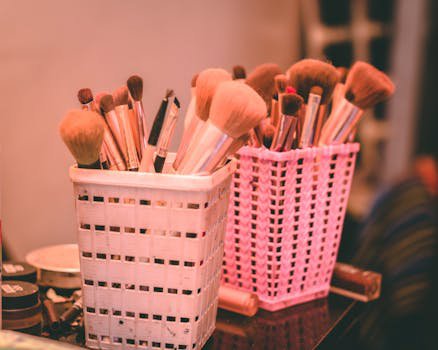
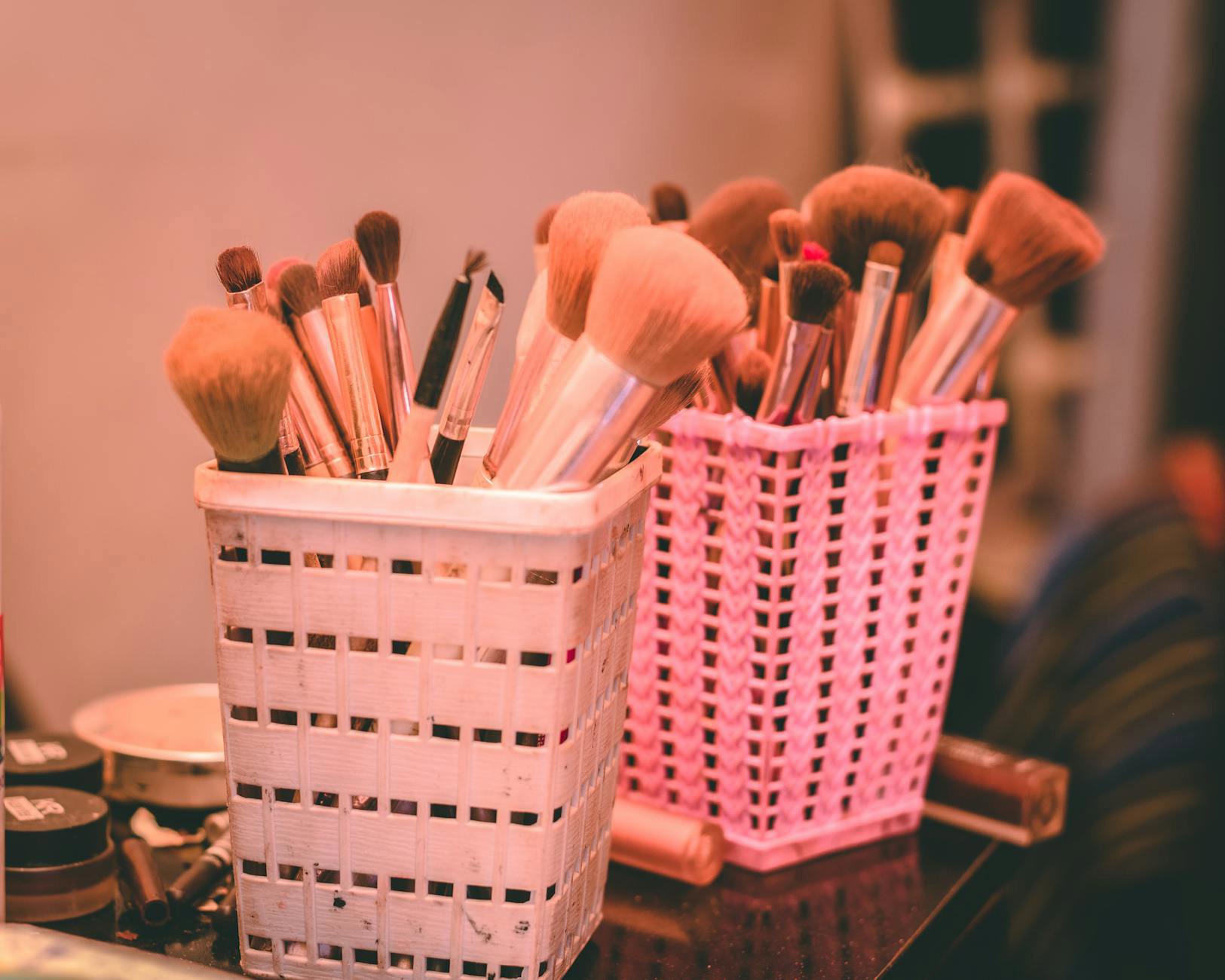
{{IMAGE:makeup brushes on vanity}}How long should each brush type last?
Every brush faces different stress. Creams and liquids load fibers. Powders coat and dull tips. Precision tools suffer from tight pressure and frequent washing. Use these windows as a starting point, then adjust for your routine.
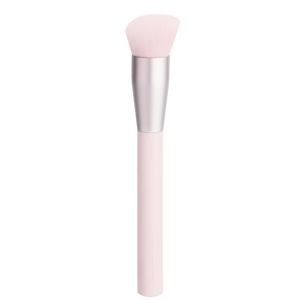
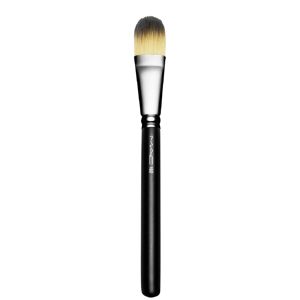
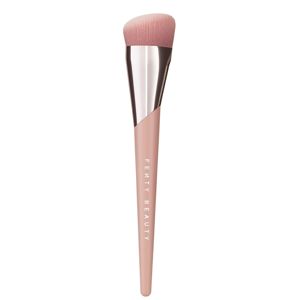
Foundation and concealer brushes take the hardest hit. Liquids and creams push deep into the base of the bristles. Expect a 6–12 month window if you wear a liquid base most days. If you only wear foundation on weekends, you may stretch to 12–18 months with good cleaning. Precision concealer brushes can fray sooner because you scrub them more often. Watch for splaying and stubborn staining.
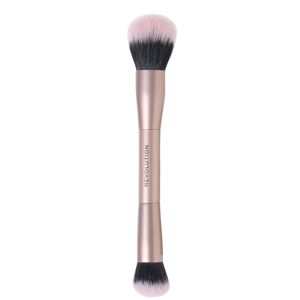
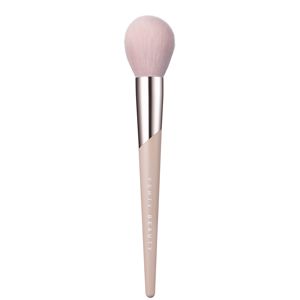
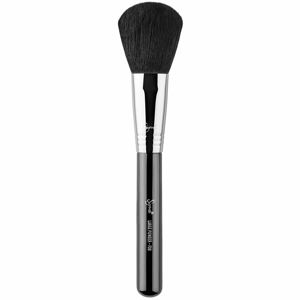
Powder, blush, and bronzer brushes see lighter stress. They can hold 12–24 months when you clean them regularly and store them upright. Domed natural-hair face brushes can last on the longer side if you keep them dry and condition them lightly. Synthetic domed brushes for powder also last well and offer easier care with fewer smells.
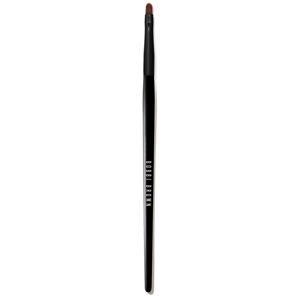
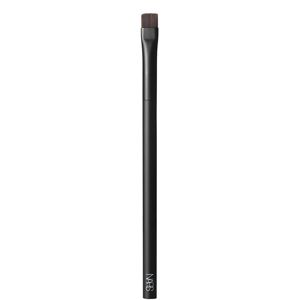
Eye shadow brushes sit in the middle. Flat shaders, crease blenders, and smudgers usually last 12–18 months with weekly washing. Dense detail brushes that meet gels or creams may drop closer to 6–12 months. Eyeliner and brow brushes see the most force and product buildup. Replace them around 6–12 months, or sooner if tips lose crisp edges.
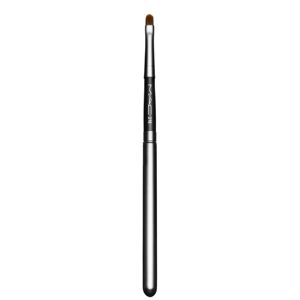
Lip brushes meet waxes and pigments that set hard. They often need replacement within 6–12 months if you use them daily. If you reserve them for bold shades or events, they can last longer with thorough cleaning.
Spoolies, fan brushes, and highlighter sweepers last until they warp or break. Sponges sit outside this list, but they need far faster turnover. If you reach for sponges daily, replace them every few weeks to keep bacteria down and texture springy.
Find specific tools that match what you wear. Browse Makeup Brushes & Applicators on GlamGeek, add your picks to a wishlist, and we will ping you when prices drop.
Red flags that tell you it’s time to replace
Brushes rarely fail out of nowhere. They show you. Watch for these signs during your weekly clean or while you blend.
Shedding tells you glue has weakened or bristles have broken. If you see hairs on your face every time you buff, retire the brush. Light shedding on a brand-new brush can stop after a few uses. Ongoing shedding after months points to end of life.
Splaying kills precision. When a crease brush loses its tapered tip, you cannot place shadow cleanly. When a foundation brush flattens or mushrooms, it streaks and drinks product. If shape memory does not rebound after washing and drying with a guard, move on.
Permanent staining signals trapped product. Pigment that sits near the ferrule can harbor residue that smells or irritates. If a white bristle stays gray or pink after two cleans, and you prep with oil or balm remover first, replace the tool.
Odor is a hard stop. A musty scent means moisture sat too long in the core. Mildew and makeup do not mix. Do not try to rescue a moldy brush. Toss it.
Scratchiness creeps in with age or poor storage. Natural hair loses cuticle smoothness with harsh soap and hot water. Synthetic fibers can kink if you dry them flat or smash them in a bag. If a brush tugs at skin or lifts your base, it has reached its limit.
Loose ferrules or handles also matter. If the ferrule twists when you blend, you lose control and can injure the brush further. Wood that swells and cracks from wet handles signals water damage. Replace before the head pops off mid-application.
Cleaning that actually extends lifespan
Cleaning cadence drives longevity. It also drives skin comfort and smoother makeup. You do not need fancy solvents, but you do need a method and discipline.
Clean foundation and concealer brushes at least weekly. Wash shadow and powder brushes every one to two weeks. If you have acne-prone or sensitive skin, increase the frequency. Clean more often in humid months and after travel.
Use lukewarm water and a gentle cleanser. Baby shampoo or a mild dish soap works. Work from tips to base and keep water away from the ferrule. That protects glue and prevents swelling. For heavy oils or long-wear formulas, pre-treat tips with a drop of cleansing oil first, then wash with soap.
Rinse until the water runs clear. Squeeze out excess with a towel and reshape the head. Dry at an angle with bristles pointing down so water does not pool in the ferrule. Never dry brushes flat on a soaked towel. Airflow matters. A mesh holder or rack helps.
Disinfect sometimes, not every wash. A 70% alcohol spritz on synthetic bristles can refresh fast between clients, but daily alcohol can dry fibers at home. For natural hair, use alcohol sparingly and follow with a small amount of hair conditioner on the tips. Rinse well.
Want a backup set so you can rotate while brushes dry? Watch our Makeup Brushes & Applicators page and add a set to your wishlist. We will alert you when the price falls at Sephora, Ulta, or Amazon.
Synthetic vs. natural: which lasts longer?
Materials influence lifespan and maintenance. They also shape how a brush picks up and places product. The right choice depends on your formulas and your tolerance for upkeep.
Synthetic fibers like nylon and Taklon resist swelling. They handle liquids and creams well. They rinse fast. Alcohol does not hurt them as much. They often outlast natural hair in humid homes. Many pro lines now switch classic shapes to synthetic for that reason.
Natural hair, commonly goat or pony in legacy lines, excels with powders. The cuticle lifts product and diffuses pigment in a soft veil. Natural hair needs gentle soap and careful drying. It does not love alcohol or hot water. It can feel scratchy with age if you wash it hard or store it in a steamy bathroom.
Blends exist too. Some brands mix fibers to balance pickup and glide. Test how a brush grips powder and lets go on skin. Then decide how much maintenance you want to take on.
Browse brands that cover both camps. MAC offers pro shapes in synthetic “S” versions that stand up to daily cleaning. Morphe sells large sets that suit beginners and backup kits. Sephora Collection lands in the middle with steady quality and frequent promos. If you want luxe handles and curated edits, check Charlotte Tilbury. For smart budget buys, consider Revolution and KIKO.
We see solid discounts on sets around Black Friday and in early spring. Singles move in and out of sale bins all year. Add your targets to GlamGeek and our alerts will catch surprise drops.
{{IMAGE:woman cleaning makeup brushes at sink}}Storage, humidity, and travel habits
Care does not end at the sink. How you store and move brushes decides how long they hold shape and how clean they stay.
Keep brushes upright in a cup or stand with room to breathe. Do not pack them tight. Airflow prevents odor and mildew. If you must store them in a drawer, use a tray with dividers and a lid that does not crush bristles.
Skip the steamy bathroom shelf. Humidity loosens glue and warps natural hair. If you live in a humid region, store brushes in a bedroom or closet. A silica gel packet in a brush holder can help in summer months.
Use brush guards during drying and travel. Guards preserve shape and stop splay. They also keep tips from rubbing against makeup bag seams. Never toss wet brushes in a closed bag. That invites odor and bacteria.
Clean your storage too. Wipe cups and trays with alcohol or soap water monthly. Dust builds up and transfers back to clean fibers. It seems minor. It shortens brush life.
Travel with a roll or a zip case with slots. Keep face brushes on one side and eye tools on the other. Wrap fluffier heads with a tissue if you lose guards on the go. It takes seconds. It saves months of life.
Sets vs. singles: what to upgrade first
Sets build a kit fast. Singles fix exact problems. Most women use a mix. Upgrade where performance lags and clean time stacks up.
Start with your base tools. Replace a streaky foundation brush before you chase a new contour brush. Your base decides how every color sits. If you see lines, rough patches, or heavy product absorption, move that brush to the top of your list.
Next, fix your crease and shader. A tapered blender with resilience gives you instant gains. You use it daily if you wear shadow. Replace it when the tip mushrooms or the belly feels too floppy to control.
Swap liner and brow brushes when the edge dulls. Gel liners demand a crisp point. A smeared wing wastes time and makeup. This category does not cost as much on average, so replace sooner and save your patience.
Only then chase specialty shapes. Fan highlighter brushes or dense contour brushes add polish, but they do not set the whole face. Replace them when you notice scratchiness or patchy laydown, not on an impulse.
If you want to overhaul fast for less money, look at entry sets from Revolution or KIKO. If you want a few pro staples, pick core singles from MAC or the Sephora Collection Pro range. Check GlamGeek’s comparison before you check out. We track prices across Sephora, Ulta, Target, Amazon, and Nordstrom so you do not have to.
Skin concerns and hygiene: when to replace faster
Make brush hygiene match your skin. If you break out easily, you need a tighter schedule. If your skin gets red or reactive, prefer synthetics you can sanitize more often.
Use clean tools on active breakouts. Color correctors and concealer brushes meet bacteria on the face. Wash them the same day. Consider a small second set for blemish work. That reduces cross-contact with your regular kit.
Watch fragrance and residue. Soap that lingers in a brush can irritate skin. Rinse until the water runs clear and the brush smells like nothing. If your skin stings after buffing, check your cleanser and your rinse technique before you blame the formula.
Swap out older natural hair sooner if you see sensitivity. Worn cuticles can feel prickly on dry patches. A fresh, soft synthetic can glide without tugging. That small change can calm your base step.
Gloves are optional, but clean hands are not. Wash your hands before you touch clean brushes. It sounds basic. It saves brush life and reduces the need for aggressive solvents later.
Materials and build quality: what to check before you buy
You can spot longevity in the details. You do not need a lab. You need your hands and a minute at the product page or counter.
Check density and cut. A good brush has even taper and a clean silhouette. It should spring back when you press and release. Stray hairs out of the box suggest weak quality control. That shows up later as shedding.
Look at the ferrule. It should sit tight with even crimping. Wiggle the head gently. If you feel a shift, glue or fit may fail under washing. A loose ferrule shortens life more than any soap will.
Hold the handle. Weight and balance help control. Thick lacquer chips with rough treatment, but it also seals wood better against water. If you wash without soaking the handle, either finish can last. If you know you rush, pick sealed handles or aluminum bodies.
Scan honest reviews on GlamGeek for wear comments. Our community flags shedding, scratchiness, and odor risks early. That read saves you money and frustration. If you shop pro or luxury lines like MAC or curated edits from Charlotte Tilbury, you will see more consistent build. If you shop value, look for sets with strong reviews on durability and wash-up.
Smarter spending: where to shop and when to buy
Timing helps. So does a short list. You do not need every shape. You need a few great ones bought well.
Plan brush buys around dependable events. Ulta 21 Days runs in early spring and often in fall. Sephora Spring Savings lands in April for Beauty Insiders. Many retailers post brush sets during Black Friday and Cyber Monday. Sign up for alerts on GlamGeek and add what you want to your wishlist. We will send a heads-up when prices dip.
Compare across channels. We often see the same set at different prices the same week. Brush and sponge bundles can sit lower at Amazon or Target while singles trend lower at department stores. Our product pages for Morphe and Sephora Collection show current offers without guesswork.
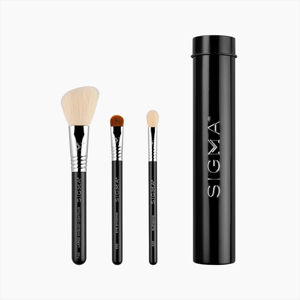
Start with a flexible trio if you rebuild from scratch. Try a medium-density foundation brush, a tapered blush/bronzer brush, and a soft crease blender. Add a flat shader and an angled liner next. You can apply most looks with those five. Check our Makeup Brushes & Applicators category to refine shapes and snag a set that matches this plan.
Mind return windows. Some brush heads arrive bent from tight packaging. Unwrap and test the bounce and cut right away. Exchange anything off before you wash it.
When you can repair and when you should retire
Not every issue needs a new brush. Some fixes buy more months. Know which ones work and which ones fail fast.
Reshape after washing with a guard or a paper wrap. That can bring back a domed blush brush that fluffed too wide. It cannot fix a lost taper or a frayed tip on a liner brush.
Try a gentle clarifying wash if residue resists. Use a tiny bit of oil to break down waxes, then cleanse with soap. If pigment at the base does not budge after two rounds, retire it. Trapped product invites odor and uneven laydown.
Do not reglue loose heads. Household glue creeps into bristles and stiffens the core. It also fails under water. You will waste time and risk shedding on your face. Replace the brush and move on.
Repurpose dead brushes for non-face tasks. Use old liners for nail clean-up. Keep a retired shader for spot-cleaning keyboards. Assign a frayed powder brush to shoe polish. Just do not bring them back to your makeup bag once you retire them.
What this means for your routine
Put your most-used, most-abused tools on a shorter clock. That often means your foundation, concealer, and liner brushes. Expect 6–12 months if you wear them daily and clean weekly. Replace sooner if they shed, splay, or smell.
Give your powder and blush brushes more runway. Aim for 12–24 months with steady care. Anchor storage away from steam, and use guards when you travel. That habit protects shape and feel.
Set a simple cleaning rule that matches your climate and skin. Weekly for creams. Biweekly for powders. Wash with gentle soap and lukewarm water. Dry angled down. Keep water off the ferrule. Those steps guard glue and bristles better than any hack on social media.
Build a focused kit, then maintain it. Watch for signs of wear, swap problem tools first, and shop smart during sales. Use GlamGeek’s alerts and price comparison to avoid overpaying for backups or upgrades.
We want to hear from you. Which brush type fails first in your kit, and which brand has held up longest for you? Tell us, then add your next pick to your GlamGeek wishlist so we can watch the price for you.