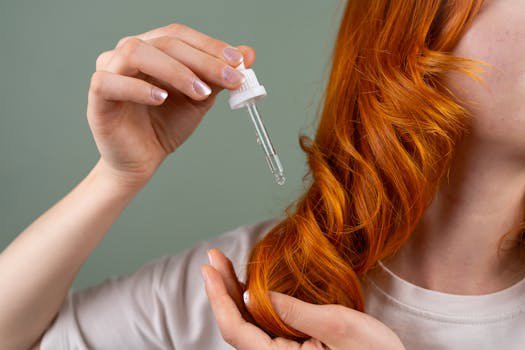
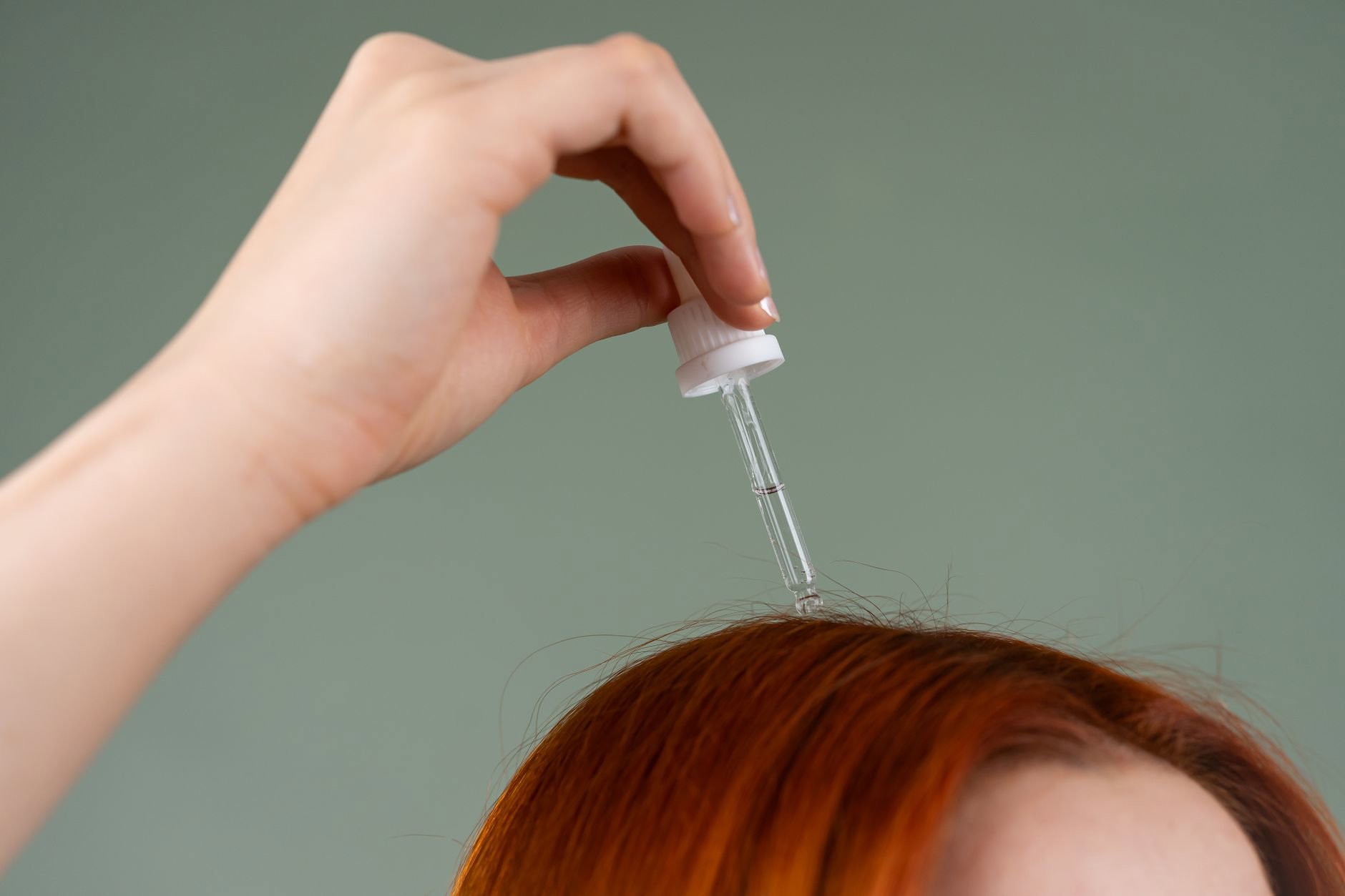
Hair serum should make hair look smoother, shinier, and more controlled—without turning it limp or oily.
Greasy results almost always come from three things: too much product, the wrong placement (hello, roots), or layering it with other leave-ins that don’t play well together. Fix those, and serum becomes one of the easiest “polish” steps in hair care.
Below, we break down what hair serum actually does, how much to use by hair type, where to apply it, when to use it on wet vs. dry hair, and the common mistakes that create buildup. We’ll also point to specific hair serums (with tracked “from” prices) that make sense for frizz, shine, heat styling, or scalp comfort.
The basics: what hair serum does (and what it doesn’t)
Hair serum works like a finishing filter for the hair shaft. Most formulas focus on surface-level benefits: smoothing, shine, frizz control, and slip for easier detangling and styling. That “slip” matters because it reduces friction, which can reduce the look of breakage over time.
Serum also helps you control how hair behaves in different climates. Humid air can swell the hair fiber and raise the cuticle, while dry air can increase static and roughness. A well-chosen serum can buffer those conditions by coating the hair and improving manageability. Not magic. Just physics.
What serum usually doesn’t do: permanently repair hair from the inside out. Hair can look healthier and feel softer, but the main action happens on the surface. If a brand promises permanent repair in a leave-in serum, we’d treat that as marketing until proven otherwise.
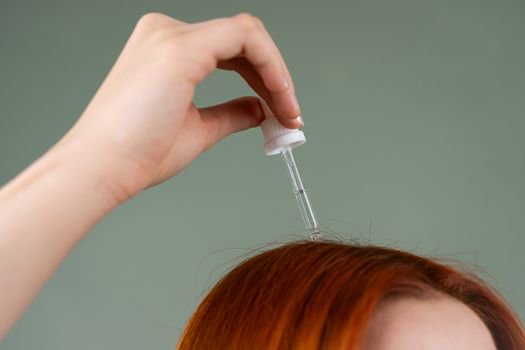
Finally, scalp serums are a separate sub-type. They target the skin on the scalp (hydration, barrier support, balancing oil), not just shine on lengths. They can still cause greasiness if you over-apply, but the placement rules differ.
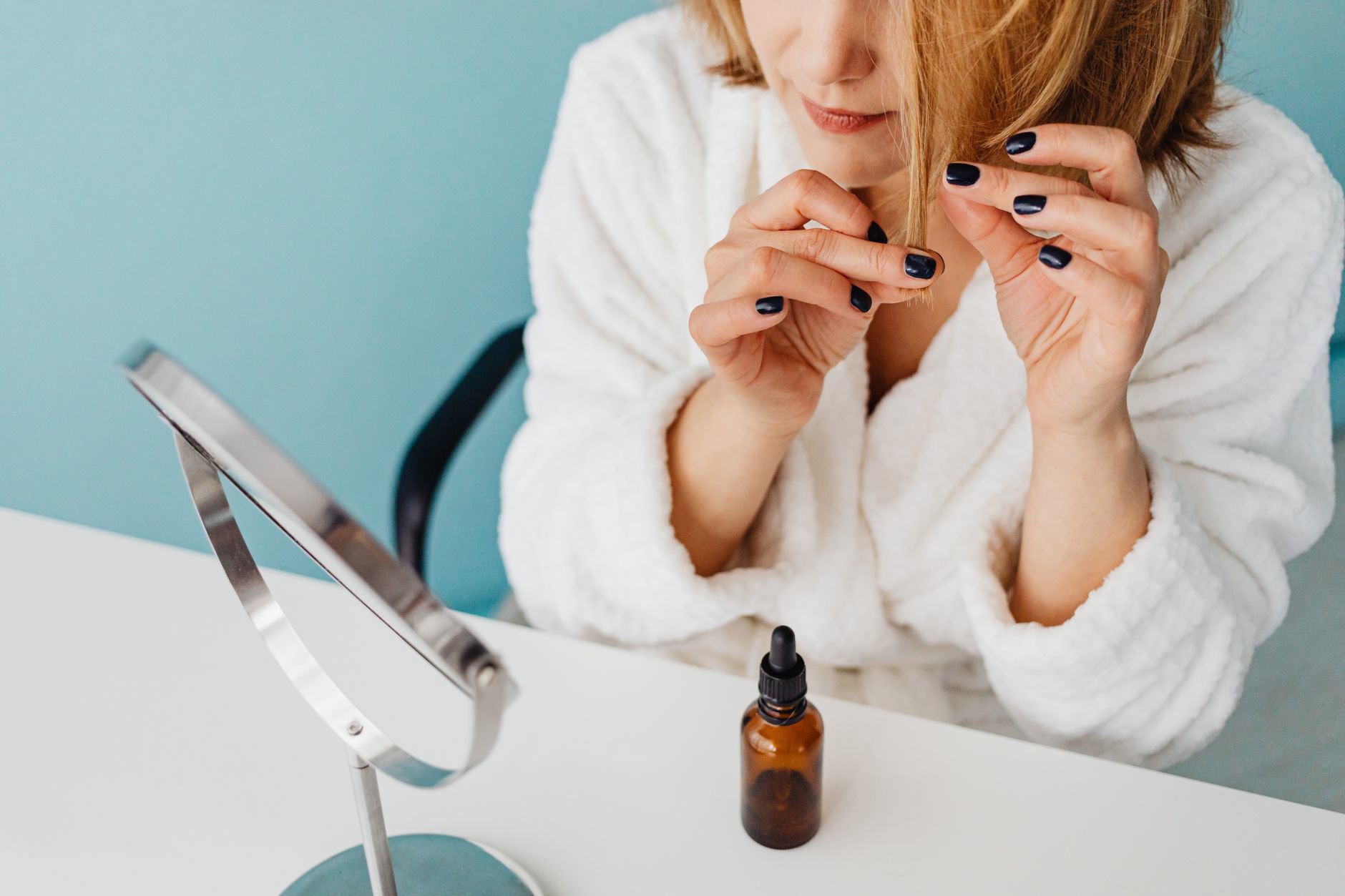
How much hair serum to use (by hair type and density)
Most greasy-serum complaints start with dosage. Hair serum spreads farther than people expect, especially on fine hair.
We like to think in “micro-doses,” then add only if needed. Your hair’s density (how much hair you have) often matters more than strand thickness. Fine-but-dense hair can handle more than fine-and-sparse hair.
A practical dosing guide
- Fine, straight, or low-density hair: start with a half-pump (or 1–2 drops). Warm it between palms, then apply only to the last 2–3 inches of hair.
- Medium thickness or average density: 1 pump (or 2–3 drops). Focus mid-lengths to ends.
- Thick, coarse, curly, or high-density hair: 1–2 pumps (or 3–5 drops). Apply in sections so you don’t over-saturate the top layer.
- Very dry lengths or chemically processed hair: keep the dose modest, but apply twice in tiny amounts (once on damp hair, then a pinhead amount on dry ends).
Want a specific “less-is-more” pick for fine hair? Grow Gorgeous Volume Leave-In Serum starts from $1.80 and targets body and bounce while moisturizing. Its description calls out amaranth seed extract for thicker-looking strands and pea peptides for smoothing—useful when you want volume without heavy shine.
If you tend to over-apply because your hair still feels rough, switch tactics: apply the same small dose more evenly. Don’t increase the dose first.
Where to apply serum so it won’t look oily
Placement decides the finish. Put serum too close to the scalp and you’ll get separation at the roots, even if the formula feels lightweight.
For most shine and frizz serums, the sweet spot sits at mid-lengths and ends. These areas carry the most wear: brushing, heat styling, rubbing on clothes, and sun exposure. They also absorb product more predictably than the root area.
Here’s the rule we use: stay at least two inches away from the scalp unless the product specifically targets the scalp.
Use “inside-out” application
Instead of smoothing serum over the outer canopy first (where it reads greasy fastest), lift hair and apply to the under-layers. Then use what’s left on your hands to lightly skim the surface. This keeps shine controlled and avoids that oily helmet look under bright light.
For a classic ends-first pick, ghd Dramatic Ending Smooth & Finish Serum starts from $21.00. The brand positions it as a post-styling finisher: dispense one pump on dry hair to smooth and add shine. That “finish” use case pairs well with careful placement—tiny amount, ends only, then stop.
Scalp serums break the rule. The Ordinary Multi-Peptide Serum For Hair Density (from $14.25) and Philip Kingsley Overnight Scalp Barrier Serum With Triple Balancing Action (from $25.35) both target the scalp. Apply them in parts/sections as directed, then leave lengths alone. Mixing scalp serum into mid-lengths often adds weight without benefit.
When to use hair serum: wet vs. damp vs. dry hair
Timing changes the result more than people expect. The same serum can look glossy on damp hair and greasy on dry hair.
Best default: apply on towel-damp hair. Not dripping wet, not fully dry. Damp hair helps spread product thinly, which reduces the chance of concentrated oily patches.
On soaking-wet hair: serum can slide off before it distributes, so people add more. That often backfires once hair dries. If you prefer wet application, squeeze out excess water first and start with an even smaller dose.
On dry hair: serum works as a finisher for flyaways and shine, but the margin for error shrinks. Use a “residue dose”: whatever remains on your palms after rubbing them together. If you can see product on your hands, it’s too much for dry hair.
Overnight serums have their own lane
Overnight leave-ins can feel heavier by design, since they aim to nourish for hours. If you wake up greasy, you likely applied too close to roots or used too much for your pillow-and-sleep style.
Kérastase Nutritive Nourishing Hair Serum With Niacinamide, Overnight Leave-In Treatment For Dry Hair starts from $27.03. The description frames it for fine to medium dry hair and highlights niacinamide in the routine. Keep it strictly to mid-lengths and ends, and use the smallest dose that still improves morning comb-through.
For a budget overnight option, L'Oréal Elvive Extraordinary Oil Midnight Renourishing Hair Treatment Serum For Dry Hair starts from $9.70. With nighttime serums, apply earlier in the evening when possible so it settles before your head hits the pillow.
Mistakes that cause greasy hair (and how to fix them fast)
Most serum mistakes repeat. Fixing them usually takes one wash day and a better method.
The big culprits
- Applying to roots “for shine”: roots already have natural oils. Put shine products where oil is scarce: ends.
- Using serum like a leave-in conditioner: serum works best in thin layers. If hair feels dry, use smaller doses twice rather than one heavy coat.
- Layering multiple serums: combining a shine serum + overnight serum + scalp serum often creates buildup. Pick one main serum per routine.
- Not emulsifying in palms: rubbing serum between hands spreads it evenly. Skipping this step creates greasy streaks.
- Re-applying all day: midday touch-ups stack product on already-coated hair. Use a tiny amount on just the flyaway zone.
If you already overdid it, don’t panic-wash with harsh habits. Try a targeted fix first: blot ends with a dry towel or tissue to lift excess, then brush through from mid-lengths down to redistribute. Often that’s enough.
Another fix: use water to “re-dilute.” Lightly mist hair, then run clean hands through mid-lengths and ends. This spreads product thinner and reduces oily patches.
And when buildup becomes a pattern, consider whether your routine needs a reset. A serum can’t compensate for heavy layering from other steps in hair care, especially if you also use rich rinse-out products. (For context browsing only, GlamGeek also categorizes Moisturising & Nourishing Conditioners and Moisturising & Nourishing Shampoos.)
Choosing the right serum for frizz, shine, heat styling, or scalp comfort
The best serum for “not greasy” often means choosing the right job. If you buy a heavy nourishment-focused serum but want airy volume, you’ll fight it every morning.
For frizz + smoothness after styling
ghd Dramatic Ending Smooth & Finish Serum (from $21.00) suits a finishing step. It targets smoothing and shine after heat styling, so use it at the end, not as your only leave-in on damp hair.
Olaplex No.9 Bond Protector Nourishing Hair Serum starts from $21.00. The listing describes it as part of a maintenance trio for healthy-looking strands. Since it’s positioned as “nourishing,” start small and keep it off roots. Our price tracker often shows Olaplex stocked across prestige channels like Sephora and Nordstrom, so you usually pay for the brand positioning—use the product efficiently.
For shine on dull lengths
L'Oréal L'Oréal Paris Elvive Glycolic Gloss Leave-In Serum starts from $11.10. The description calls out a Glycolic Gloss Complex with glycolic acid and conditioning agents to enhance shine, strength, and softness for dull hair types. Gloss-focused serums can read oily if you apply too high up, so keep it from ear level down.
Beauty Works Argan Serum starts from $12.50. The product name signals an oil-leaning serum style, which usually means you’ll want a smaller dose on fine hair. Think “one drop for ends,” not “two pumps for all-over.”
For scalp hydration and balance (without greasy lengths)
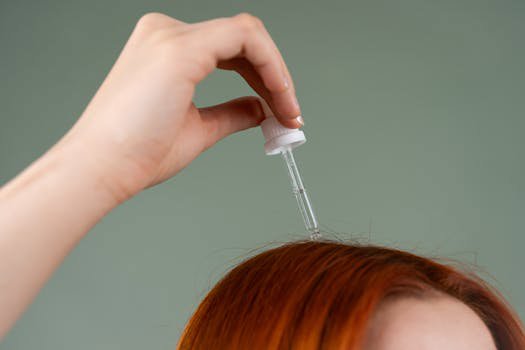
Philip Kingsley Overnight Scalp Barrier Serum With Triple Balancing Action (from $25.35) applies as drops to scalp sections and aims to lock in moisture while minimizing excess oil. Keep it strictly on scalp skin. Don’t drag it through the lengths.
Virtue Topical Scalp Supplement starts from $58.00 and targets irritated, dry, itchy scalps with peptides, vitamins, and prebiotics to support the scalp ecosystem. It’s a higher-price scalp option, so correct placement matters even more for value.
For more brand browsing, GlamGeek groups hair brands like Kérastase and L'Oréal alongside makeup and skin care brands (from Clinique to MAC). Different aisles, different pricing tiers, same principle: match the formula to the job.
Serum-by-serum picks from our tracker (and who should use them)
Below are hair serum options from our current product set, with “from” prices as tracked in our merchant feed. We’re keeping the guidance tied to what each listing actually claims.
Density and scalp-focused serums
The Ordinary Multi-Peptide Serum For Hair Density (from $14.25) suits shoppers who want a daily-use scalp serum aimed at thicker-looking hair and more volume. Since you apply it to the scalp, greasiness usually comes from using too many drops per section. Use fewer drops and more sections.
Grow Gorgeous Hair Density Serum Intense starts from $6.44. The description positions it as a fortifying approach that delivers haircare and skincare ingredients to roots and lengths to encourage thicker, longer, stronger-looking strands. If you run oily at the scalp, keep the “lengths” part conservative and prioritize the scalp placement.
Volume and lightweight feel
Grow Gorgeous Volume Leave-In Serum (from $1.80) targets shape, volume, and moisture, with amaranth seed extract and pea peptides called out for thicker-looking strands and smoothing. This one makes sense if you fear greasy shine but still want softness.
Dryness and overnight nourishment
Kérastase Nutritive Nourishing Hair Serum With Niacinamide, Overnight Leave-In Treatment For Dry Hair (from $27.03) fits dry hair routines that need overnight manageability. Apply earlier in the evening, keep it to ends, and start with less than you think.
L'Oréal Elvive Extraordinary Oil Midnight Renourishing Hair Treatment Serum For Dry Hair (from $9.70) offers a lower-cost overnight lane. With budget-friendly serums, people sometimes apply more because it feels “lighter.” Don’t. Dose still matters.
Premium repair-positioned serums
Virtue Damage Reverse Serum starts from $60.00 and sits at the high end. The description highlights Alpha Keratin 60ku® and a “fill in cracks in the cuticle” positioning. With expensive serums, we’d rather see you use a tiny amount consistently than over-apply and wash it down the drain.
Shu Uemura Art Of Hair Essence Absolue Oil And Essence Absolue Overnight Serum Duo starts from $74.75. The description mentions red camellia seed oil and lasting nourishment to dry hair. That oil-rich positioning usually pairs best with coarse or very dry lengths, not fine roots.
Christophe Robin Regenerating Serum With Prickly Pear Oil starts from $38.00. The listing mentions prickly pear oil and a nourishing approach. If you chase shine, apply it sparingly and avoid the top layer first.
Ameliorate Transforming Scalp Serum starts from $13.50 and appears as part of a scalp balancing kit powered by the brand’s LaH6 Skin Hydration Complex to replenish scalp moisture for healthier-looking hair. Treat it like skincare for your scalp: section, apply, and stop.
Practical, no-grease technique: a step-by-step routine
If you only change one thing, change your method. Technique controls greasiness more reliably than switching products every month.
On wash days (damp hair)
- Step 1: Towel-dry until hair feels damp, not wet.
- Step 2: Dispense a micro-dose (half pump or 1–2 drops for fine hair; 1 pump for medium; 1–2 for thick).
- Step 3: Rub palms together for 3–5 seconds.
- Step 4: Apply to under-layers first, from mid-lengths to ends.
- Step 5: Use fingertips (not palms) to touch the outer canopy with whatever remains.
- Step 6: Wait 2 minutes before blow-drying or air-drying so the product distributes.
On non-wash days (dry hair touch-up)
Use a residue dose only. If you need more than that, mist hair lightly with water, then apply. Dry hair plus a full pump almost always reads greasy by midday.
For scalp serums like Philip Kingsley Overnight Scalp Barrier Serum With Triple Balancing Action (from $25.35) or The Ordinary Multi-Peptide Serum For Hair Density (from $14.25), keep lengths out of it. Part hair, apply drops to scalp sections, then wash hands. Done.
One more rule that saves a lot of bad hair days: don’t mix “gloss” and “oil” effects unless your hair truly needs it. If you use L'Oréal Paris Elvive Glycolic Gloss Leave-In Serum (from $11.10) for shine, skip adding an oil-leaning serum on top.
For readers who like browsing adjacent categories, GlamGeek also organizes Anti Ageing Face Serums and Day Face Serums—but hair serum rules differ. Hair needs thin, strategic placement. Skin often tolerates fuller coverage.
Which serum type do you reach for most—shine on ends, frizz control, or scalp support? Tell us your hair type and styling routine, and we’ll point you to the lowest-grease approach from the options above.