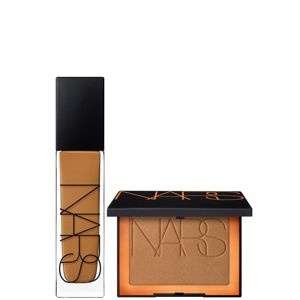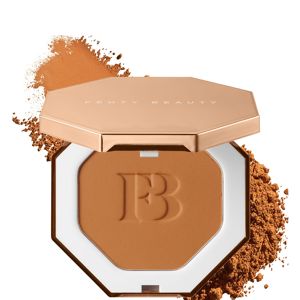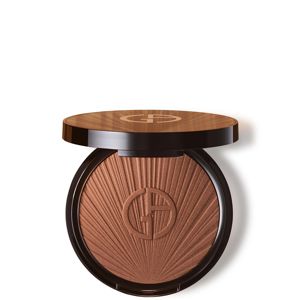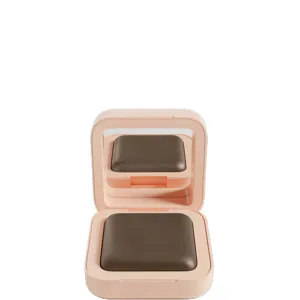
Choosing a powder bronzer for your undertone comes down to one thing: matching the bronzer’s temperature (and depth) to the natural tones in your skin, not the “tan” you wish you had.
If your bronzer looks orange, it usually runs too warm for your undertone or too deep for your base. If it looks muddy, the bronzer likely skews too cool, too gray, or too heavy in brown pigment for your skin’s clarity.
The good news: you can fix most bronzer problems by selecting the right undertone family (cool, warm, neutral, olive) and the right finish (soft matte, luminous, or pearl-infused). Powder bronzers also give you the easiest control over buildup, which matters more than most people think.
The basics: undertone vs. surface tone (and why bronzers go wrong)
Undertone stays consistent even when your skin gets lighter or deeper through the year. Surface tone shifts with sun exposure, redness, and discoloration. Bronzers sit on top of both, so when the color story clashes with your undertone, the mismatch reads fast.
Most bronzer fails fall into two buckets. Orange happens when a bronzer leans too red/orange for your undertone, or when you apply a deeper shade without enough blending. Muddy happens when the bronzer leans too cool/ashy, or when the powder builds unevenly over skincare, sunscreen, or base makeup.
Texture matters, too. Pressed powders vary from airy and dry to creamy and emollient-coated. Creamier powders tend to look smoother on dry skin, while drier powders can hold up better on oily skin—especially in humid climates.
One more thing. Lighting lies. Evaluate bronzer in indirect daylight when you can, not under a warm bathroom bulb that makes everything look “sun-kissed.”
How to identify your undertone (cool, warm, neutral, olive)
We keep it simple: undertone lives in the cast your skin gives off when redness and tan fade. You can use the classic cues (veins, jewelry), but bronzer selection works best when you look at how your skin reacts to different browns.
Cool undertone often reads pink, rosy, or slightly blue. Warm bronzers can turn orange quickly here. Cool undertones usually need bronzers that stay more beige-brown than red-brown.
Warm undertone reads golden, peach, or yellow. Warm bronzers look natural and “alive,” while very cool bronzers can look dirty or flat.
Neutral undertone sits in the middle. You can wear a wider range, but depth becomes the main risk—too deep reads muddy, too light reads dusty.
Olive undertone carries a green/gray cast under the surface, sometimes with golden warmth on top. Olive skin often struggles with bronzers that pull orange (too red) or dirty (too gray). The sweet spot usually sits in balanced golden-brown or softly neutral-brown shades, built in thin layers.
If you’re unsure, do a quick test: apply a tiny amount of bronzer along the perimeter of your face (temple to cheek). If it turns orange within minutes, it’s too warm. If it looks like a smudge of dirt, it’s too cool or too deep.
Shade rules that actually work (and how to avoid orange)
Start with depth before you obsess over undertone. As a general rule, bronzer should land about one to two shades deeper than your base complexion for everyday warmth. More than that can look theatrical fast, especially in direct sun.
Then adjust temperature.
For readers who tend to go orange, we see the best results when you choose bronzers described as neutral, beige, or golden-brown rather than anything that screams “terracotta.” You also want formulas that diffuse easily so the pigment doesn’t stamp.
NYX makes a strong budget pick here: NYX Buttermelt Powder Bronzer 12H Wear Fade & Transfer Resistant (from $9.19). Its description points to a “rich, buttery-blend” that glides on with a soft-focus finish and offers up to 12 hours of wear. That glide matters when you’re trying to keep warmth subtle.
Prefer a soft matte that still reads skin-like? Anastasia Beverly Hills Smooth Blur Bronzer (from $15.20) brings a gel-powder hybrid texture with a warm, soft matte finish and a blurring effect. When a bronzer blurs, it forgives minor shade errors because edges melt instead of sitting on top.
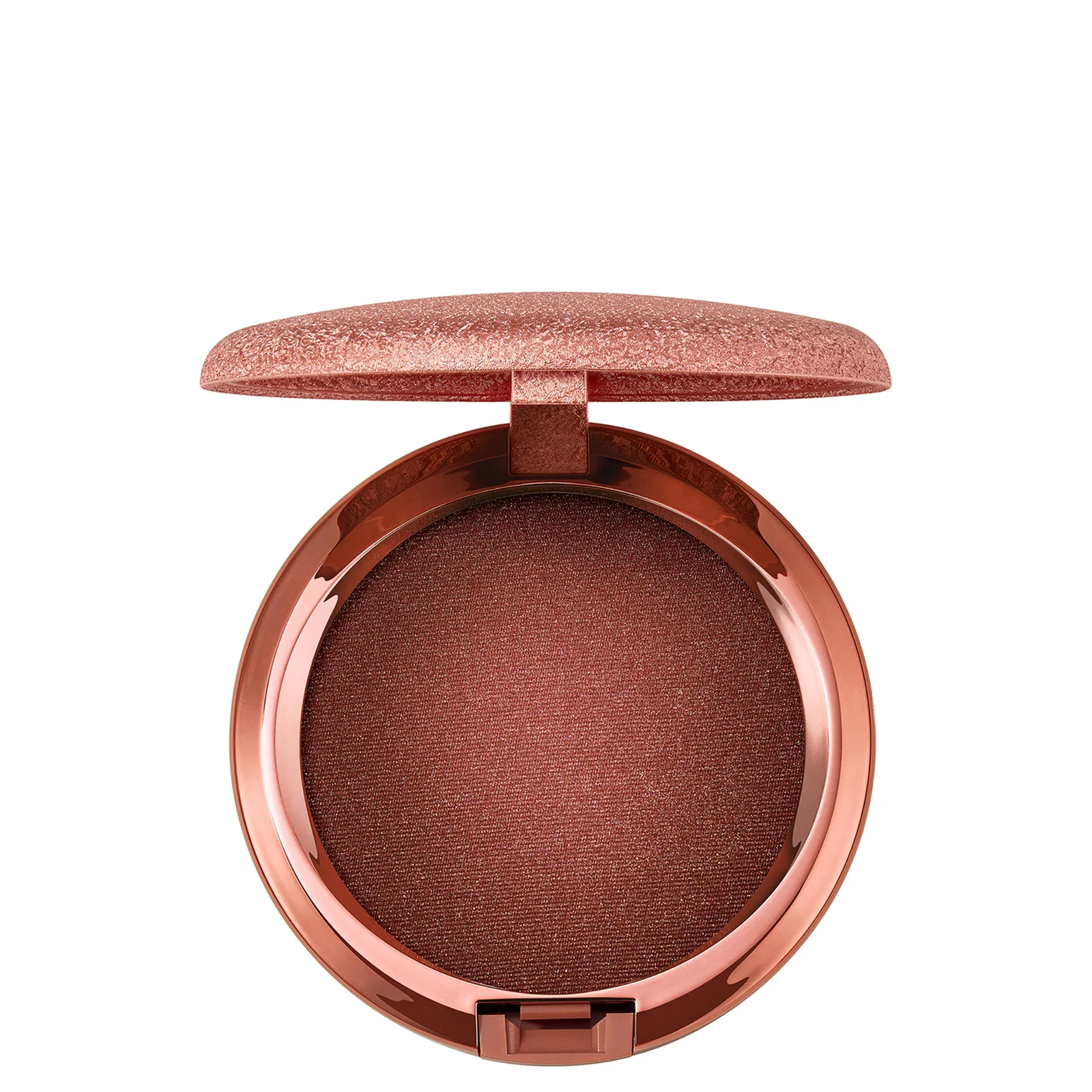
For long-wear in heat, sweat, or high humidity, MAC offers MAC Skinfinish Sunstruck Matte Bronzer (from $11.00), with a waterproof formula that resists sweat and humidity and claims up to 24 hours of wear. If bronzer shifts orange on you during the day, it often oxidizes over oil and sunscreen—so longer-wearing, more resistant formulas can help.
Technique can prevent orange even when the shade runs warm. Tap off excess, apply in thin layers, and stop earlier than you think. You can always add; you can’t un-orange without redoing base.
Cool undertones: keep it beige-brown, not terracotta
Cool undertones look best with bronzers that mimic a gentle shadowed tan: beige-brown, softly neutral, and not too red. The goal looks like “spent time outside,” not “added heat.”
Matte finishes usually flatter cool undertones because shimmer can amplify warmth and pull the eye toward any orange cast. That said, a very refined luminosity can work if the shade stays balanced.
Our short list from the products we track:
- Anastasia Beverly Hills Powder Bronzer (from $28.00): a finely milled, buildable matte bronzing powder designed for a natural sun-kissed effect. Matte + buildable tends to behave better on cool undertones.
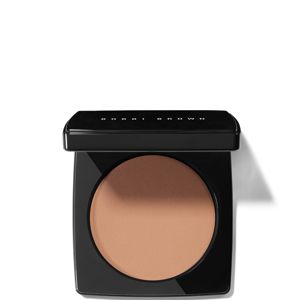
- Bobbi Brown Bronzing Powder (from $48.30): described as tone-balanced, lightweight, and soft-focus matte, with an emollient-coated formula. That “tone-balanced” positioning often signals fewer aggressively warm pigments.
- Estée Lauder Bronze Goddess Powder Bronzer (from $21.00): an ultra-silky, oil-free powder with a natural-looking glow and no shimmer. Oil-free helps keep the surface from turning warmer as oils come through.
Cool-undertone application tip: keep bronzer higher and lighter. Place it near the temples and upper cheek perimeter, then blend toward the hairline. When cool skin gets bronzer too low on the cheek, it can read like a brown patch instead of warmth.
If you want extra dimension without changing undertone, choose a powder that diffuses well rather than one that deposits hard pigment. That’s where “buttery” textures like NYX Buttermelt Powder Bronzer (from $9.19) can shine, especially for beginners.
Warm & neutral undertones: choose golden warmth, then control shine
Warm undertones usually tolerate (and even need) a bit more gold or peach in bronzer. Neutral undertones can go either way, so the finish and depth often matter more than the micro-undertone.
If you want a straightforward “bronzed but not sparkly” look, matte or soft matte wins. If you want glow, look for formulas that use fine pearls rather than chunky shimmer.
Pat McGrath Skin Fetish Divine Bronzer (from $46.00) sits in the luxe lane and earns its keep on finish: the description calls out pearls plus a balance of red, neutral, and golden tones for natural-looking radiance. That balanced tone design matters for neutral undertones, which can look odd when bronzer pushes too far warm or too far cool.
For a warmer, vacation-style sheen in powder form, Made By Mitchell Bronze Pods Domed Bronzer (from $12.80) offers a baked luminous bronzer with light shimmer and a silky sheen. Because it’s luminous, warm undertones tend to wear it well—just keep placement controlled if you have texture.
If you want warmth but you also fight midday oil, Estée Lauder Bronze Goddess Powder Bronzer (from $21.00) brings an oil-free formula and no shimmer, which can read polished on combination skin.
Neutral-undertone trick: apply bronzer in two passes. First, a sheer veil around the perimeter. Second, a tiny bit at the temples only. This keeps the face from turning uniformly brown, which often reads muddy on neutral skin.
Olive undertones: the “orange vs. dirty” tightrope
Olive skin can look green-gray under the surface, even when the surface reads golden. That mix makes bronzer selection oddly tricky.
Too warm and you get orange. Too cool and you get a bruise-like brown.
What usually works: bronzers that sit in a balanced golden-brown or soft neutral-brown lane, plus formulas that blend fast so you can stop at “hint of warmth.” Powder bronzer that builds easily matters more for olive than for almost any other undertone.
MAC Skinfinish Sunstruck Matte Bronzer (from $11.00) makes sense here because it combines a creamy, blendable texture with a soft matte finish and serious resistance to sweat and humidity. When olive skin warms up through the day, bronzer can shift; longer wear helps keep the tone stable.
Anastasia Beverly Hills Smooth Blur Bronzer (from $15.20) also fits the olive brief: gel-powder hybrid, warm soft matte, and designed to blur. Blur can reduce the “dirty patch” risk when you build bronzer over olive undertones.
For olives who still want luminosity, we’d keep shimmer subtle. Pat McGrath Skin Fetish Divine Bronzer (from $46.00) uses pearls and balanced tones, which often reads more refined than a sparkle-forward powder.
Placement tip for olive undertones: start at the hairline and temples, then lightly sweep across the top of the cheek. Avoid dragging bronzer too far inward. Olive undertones show over-application quickly in the center of the face.
Finish and skin type: matte, luminous, pearl—what to pick
Undertone picks the color family. Skin type picks the finish.
Oily skin usually looks best with matte or soft matte bronzers, especially in hot or humid regions. Powder already helps, but shimmer can mix with oil and read greasy by noon. Consider MAC Skinfinish Sunstruck Matte Bronzer (from $11.00) for its waterproof, sweat- and humidity-resistant wear, or Estée Lauder Bronze Goddess Powder Bronzer (from $21.00) since it’s oil-free and shimmer-free.
Dry skin often prefers a more “creamy” powder texture, because drier powders can grab onto dry patches. The descriptions that signal comfort here include “buttery,” “ultra-silky,” and “emollient-coated.” Good matches include Physicians Formula Murumuru Butter Bronzer (from $16.75), described as super creamy and ultra-soft with Amazonian butters to soften and condition, and Bobbi Brown Bronzing Powder (from $48.30) with its emollient-coated formula.
Combination skin can go either way. If you get oily in the T-zone but dry on the cheeks, a soft matte bronzer applied lightly can look more consistent across the face than a luminous one. Anastasia Beverly Hills Powder Bronzer (from $28.00) focuses on a natural, buildable matte effect, which tends to behave well across mixed textures.
Texture and pores usually prefer matte or blurring powders. The “smooth blur” positioning of Anastasia Beverly Hills Smooth Blur Bronzer (from $15.20) targets that need directly.
Want glow but fear shimmer? Choose pearls over glitter. Pat McGrath Skin Fetish Divine Bronzer (from $46.00) explicitly uses pearls for luminosity, which often reads more skin-like than a visibly sparkly powder.
Formula clues: what “buttery,” “baked,” and “emollient-coated” mean
Brands love vague texture words, but those words still hint at how a powder bronzer behaves on skin.
“Buttery” usually signals a powder that picks up easily and blends with less skipping. In our tracked list, NYX Buttermelt Powder Bronzer 12H Wear Fade & Transfer Resistant (from $9.19) leans hard on that concept, and Physicians Formula Murumuru Butter Bronzer (from $16.75) also sits in the creamy camp while adding skin-conditioning butters.
“Baked” powders often deliver a smoother glide and a more luminous payoff because of how the powder sets in the pan. Made By Mitchell Bronze Pods Domed Bronzer (from $12.80) gets described as a baked luminous bronzer with light shimmer and a silky sheen. That suggests a finish that reads more radiant than flat matte.
“Emollient-coated” matters if you hate that dry, dusty bronzer look. Bobbi Brown Bronzing Powder (from $48.30) calls out an emollient-coated formula that blends to a soft-focus matte finish. Translation: it should lay down smoother, even while staying matte.
Then there’s wear technology. MAC Skinfinish Sunstruck Matte Bronzer (from $11.00) calls out waterproof wear and resistance to sweat and humidity. NYX Buttermelt claims fade and transfer resistance with up to 12 hours of wear. These claims matter most if your bronzer shifts, fades, or warms up during the day.
Shopping note: our price tracking across major retailers like Sephora, Ulta, Nordstrom, Target, and Amazon often shows that bronzer pricing spreads widen during predictable sale windows. If you’re flexible on shade, you can sometimes wait and buy when your preferred retailer marks down color cosmetics.
Practical application: step-by-step for a natural undertone match
Good shade choice can still look wrong with heavy placement. Powder bronzer rewards restraint.
Step 1: Start with a clean base layer. Bronzer skips when skincare or SPF stays tacky. Let your base set before you add powder. If you use other makeup steps, keep your tools in mind; our readers often cross-shop Makeup Brushes & Applicators for softer, more diffused placement.
Step 2: Load, then unload. Swirl lightly, tap off excess, then apply. This single habit prevents 80% of orange and muddy bronzer moments.
Step 3: Place where the sun hits. Temples, hairline, top of cheekbone, and a touch along the jawline if you need balance. Keep the center of the face cleaner, especially for olive and cool undertones.
Step 4: Build in micro-layers. Choose a bronzer that supports layering. Matte buildables like Anastasia Beverly Hills Powder Bronzer (from $28.00) or soft-focus mattes like Bobbi Brown Bronzing Powder (from $48.30) make this easier. If you want luminous, build even more slowly with Made By Mitchell Bronze Pods Domed Bronzer (from $12.80).
Step 5: Check your edges. The “right” undertone still fails with a harsh stripe. If you see a line, keep blending outward toward the hairline, not inward toward the mouth.
Quick fix if you already went too warm: stop adding product and spend a full 20 seconds blending the perimeter. Most bronzers look less orange once the layer turns sheer and even.
Our data-driven picks by budget (all powder bronzers)
We track prices across retailers, and bronzer value often comes down to two things: how forgiving the formula looks on real skin and whether the finish matches your skin type. These are the powder bronzers from our list we’d point most readers toward first.
Under $15: start here if you want low-risk experimenting
- Revolution Pro Sculpting Bronzer (from $7.45): a silky smooth formula that glides for a seamless finish, with added cocoa extract to help avoid a cracked or rough look.
- NYX Buttermelt Powder Bronzer 12H Wear Fade & Transfer Resistant (from $9.19): buttery blend, soft-focus finish, and long-wear claims that help if your bronzer shifts during the day.
- MAC Skinfinish Sunstruck Matte Bronzer (from $11.00): waterproof and humidity-resistant wear claims at a notably low tracked starting price in our feed.
- Made By Mitchell Bronze Pods Domed Bronzer (from $12.80): baked luminous finish with light shimmer for readers who want glow in powder form.
If you mostly shop drugstore or mass retail, brands like Revolution and NYX also tend to show up more often at Target, CVS, Walgreens, and Amazon than prestige bronzers do.
$15–$30: the “sweet spot” for undertone nuance
- Anastasia Beverly Hills Smooth Blur Bronzer (from $15.20): gel-powder hybrid with a warm soft matte finish and a blurring effect.
- Physicians Formula Murumuru Butter Bronzer (from $16.75): creamy, ultra-soft pressed powder with Amazonian butters for a softer look on dry skin.
- Physicians Formula Matte Monoi Butter Bronzer (from $16.99): based on the Murumuru/Cupuacu/Tucuma butter blend and adds Tahitian Monoi Butter for a creamy, skin-loving matte bronzer.
- Estée Lauder Bronze Goddess Powder Bronzer (from $21.00): ultra-silky, oil-free, and shimmer-free for shine control.
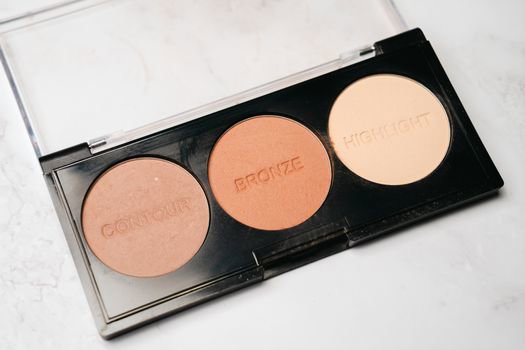
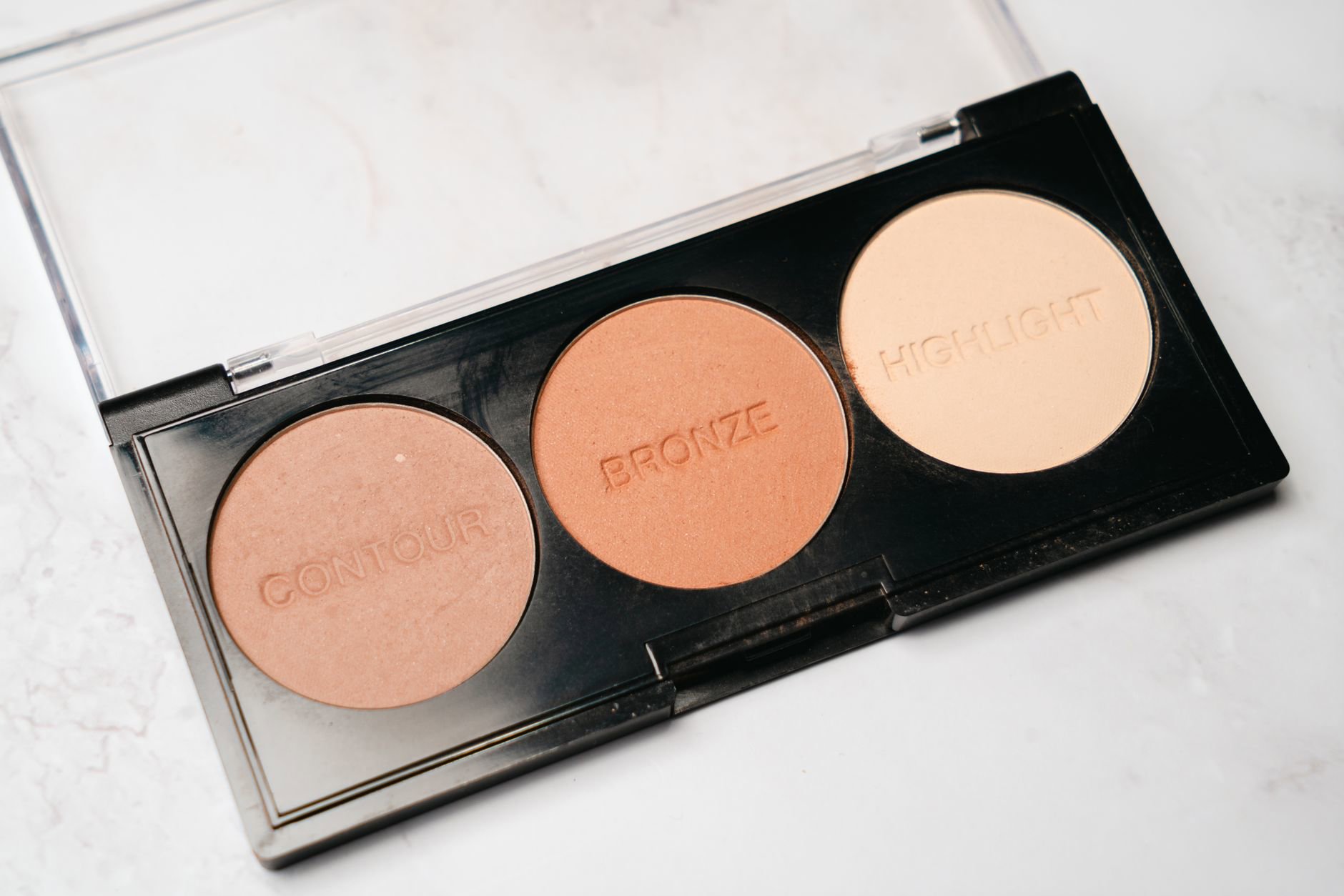
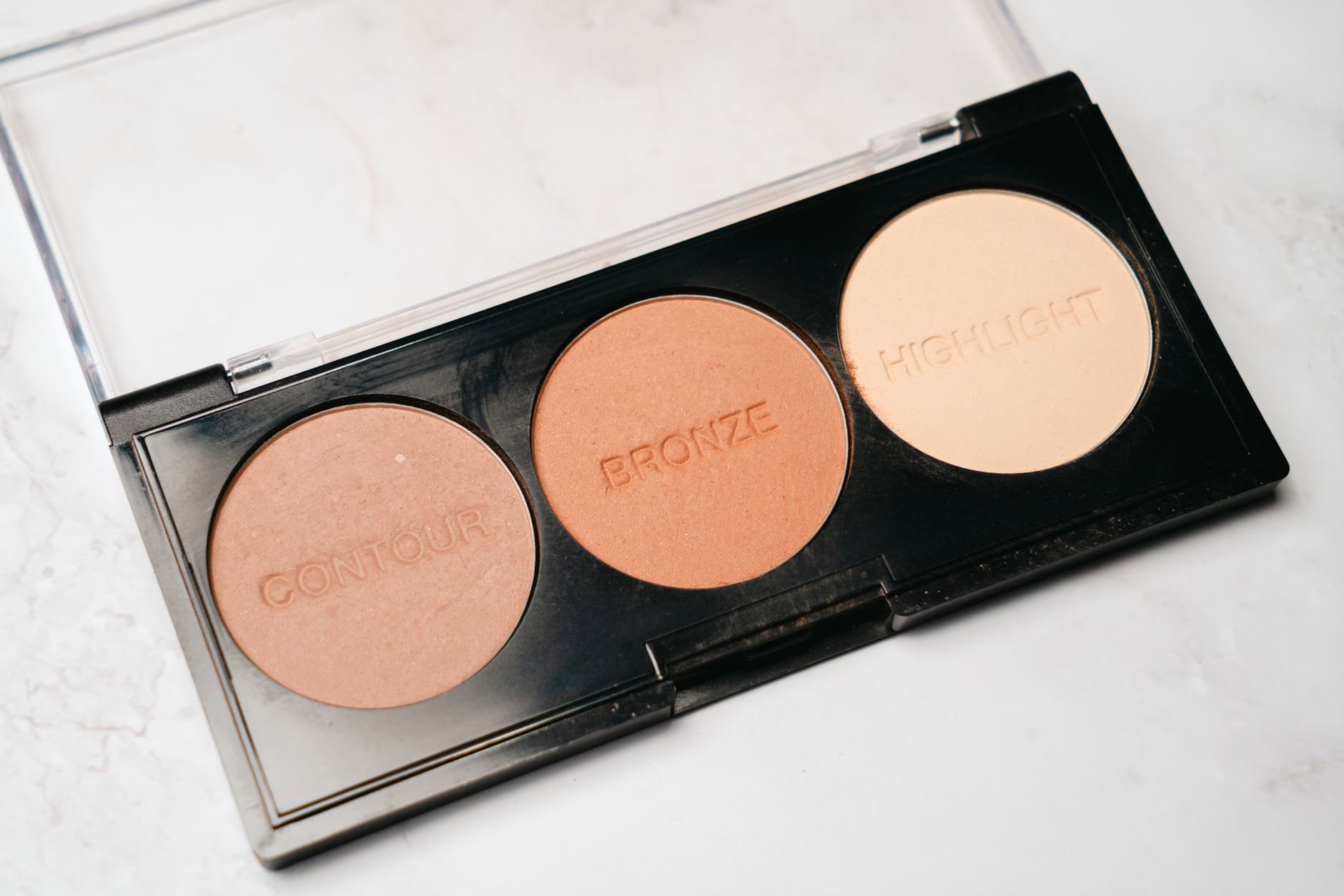
- Kevyn Aucoin The Neo-Bronzer (from $24.00): a versatile 3-in-1 trio that lets you shift from naturally sun-kissed to deeper bronze, with highlighting/bronzing tones in one palette.
- Anastasia Beverly Hills Powder Bronzer (from $28.00): finely milled, buildable matte warmth for a natural effect.
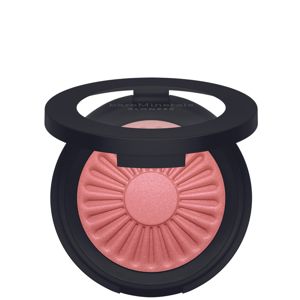
- bareMinerals Gen Nude® Blonzer (from $29.00): a talc-free blush + bronzer hybrid that smooths and minimizes the look of imperfections while adding a one-step flush-and-bronze effect.
Neutral and olive undertones often do well in this tier because you get more refined pigment balance and easier blending without jumping to the highest prices.
$40+: when finish becomes the main reason to spend
- Pat McGrath Skin Fetish Divine Bronzer (from $46.00): pearl-infused luminosity with balanced red/neutral/golden tones and a featherlight, blendable feel.
- Bobbi Brown Bronzing Powder (from $48.30): tone-balanced shades with a lightweight pressed powder and soft-focus matte finish.
We’d only pay this tier if you already know your undertone lane and you care about that extra polish in finish and diffusion.
Quick takeaways to use today: Match bronzer temperature to undertone, keep depth within 1–2 shades, choose matte for oil and texture, and build in thin layers with careful edge blending.
Want help narrowing it down? Tell us your undertone (cool, warm, neutral, olive), your skin type, and whether you prefer matte or luminous—and we’ll point you to the best-fitting powder bronzer from the list above.