Search data in our price tracker spikes for “clay mask” every summer and again after the holidays. Oilier T-zones meet party makeup and sunscreen build-up, and women go hunting for a reset. Yet the most common complaint in our reviews feed lands the same way: great at clearing pores, not great at leaving skin comfortable.
Clay pulls oil and debris. It can also pull water your skin needs. That tension sits at the heart of the clay mask debate. You want clean, refined pores. You do not want tight cheeks and a compromised barrier for the next three days.
Good news: you can have both. With smarter product choices, better timing, and a few technique tweaks, clay can clarify without stripping.
Context: what our data says about clay and dryness
Across our merchant feed, the biggest clay mask assortments sit at Sephora and Ulta. Target and CVS carry more budget formulas and more single-use sachets. That split tracks with price tier, but also with formula style. Prestige skews toward kaolin blends with glycerin. Drugstore shelves still carry many bentonite-heavy pastes with fewer buffers.
We also see seasonal swing. In humid southern states, clay mask sales climb in late spring and again during heat waves. In the dry west and cold northeast, interest peaks after travel and around winter parties when makeup sits longer. More oil does not always mean more hydration. Dry climates amplify the tight feel after clay.
Retail cycles matter too. Ulta 21 Days of Beauty and Sephora Spring Savings often discount clay masks. Stock shifts fast then, and we see price differences between retailers on the same jar. Use our comparison on each GlamGeek product page, add it to your wishlist, and we will ping you when the price drops.
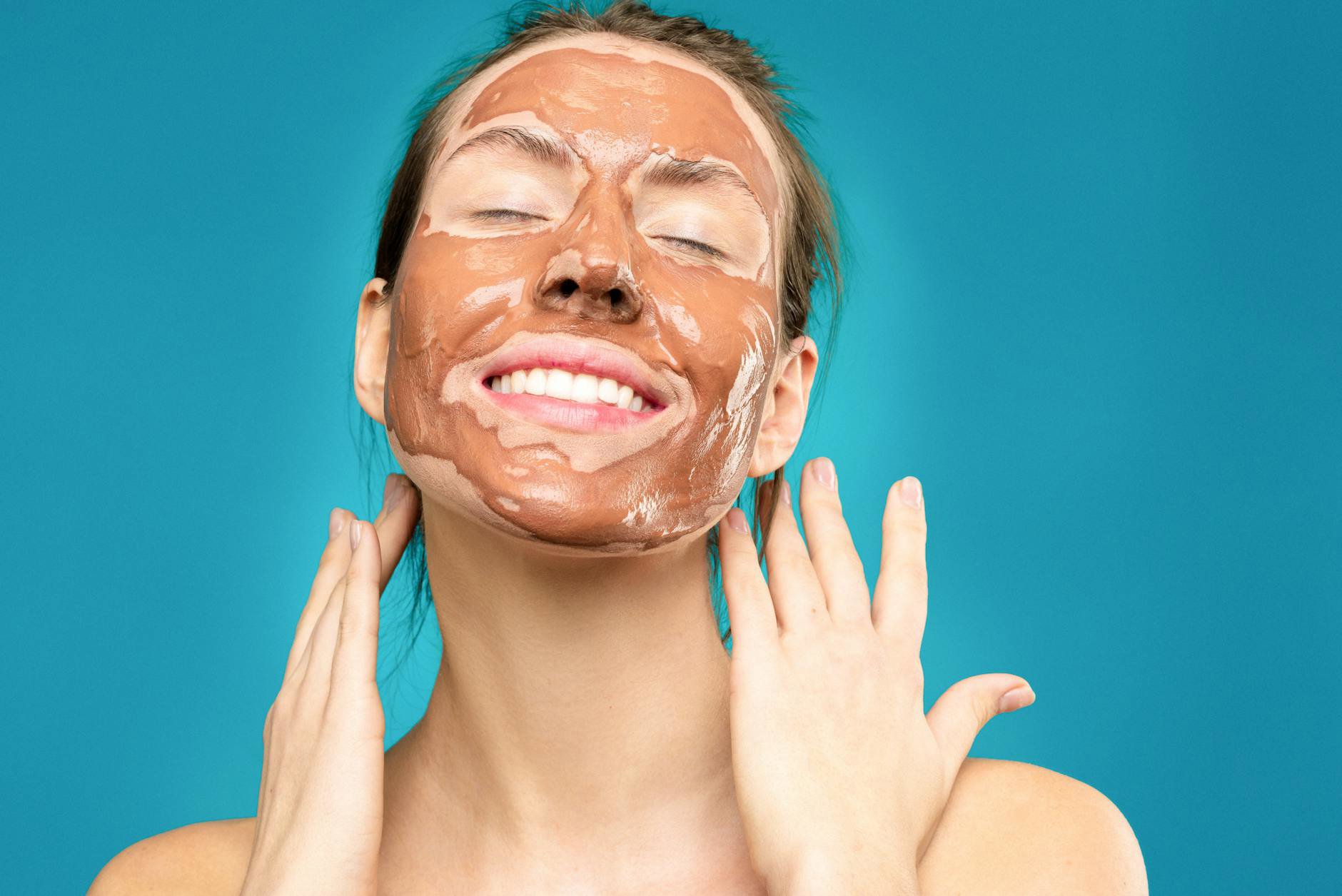
{{IMAGE:woman applying clay mask at home}}Choose your clay wisely: kaolin, bentonite, and beyond
Not all clay acts the same on skin. Kaolin comes in soft colors and a softer pull. White kaolin stays the gentlest and suits dry or sensitive cheeks. Pink kaolin mixes white kaolin with red iron oxide for a bit more grab without the full-on mattifying effect. Bentonite swells with water and grips oil hard. That grip helps congested T-zones, but it can tip into over-drying if you leave it too long.
Rhassoul (moroccan lava clay) sits in the middle. It lifts oil while leaving a smooth feel when balanced with humectants. Illite (often labeled as green clay) can feel stronger and works well on very shiny areas. Many modern masks blend kaolin and a touch of bentonite with glycerin and botanical oils. That blend gives control without the chalky finish.
Scan the ingredient list before you buy. If glycerin, propanediol, or hyaluronic acid show up early, that formula will usually feel kinder. If water and bentonite dominate, plan to buffer it. Browsing helps here. You can filter by texture and ingredients under Face Masks on GlamGeek, then compare across Sephora, Ulta, Target, and Amazon in one view.
Brand style can guide first picks. Prestige houses like Shiseido and Clarins tend to cushion clay with emollients. Budget ranges from Garnier and L'Oréal often offer multiple clays for different zones. Store brands like Sephora Collection mix kaolin with hydrators and hit a fair price point. Add contenders to your wishlist so you catch retailer-specific promos when they appear.
Prep like a pro: cleanse, balance, and buffer
Start with a gentle cleanse. Strip too hard at the sink and the mask has no margin. A mild gel from the Foam & Wash Cleansers category works for most skin. Massage, rinse with lukewarm water, and pat dry. Skip hot water. Heat swells capillaries and can raise sensitivity before you even open the jar.
Follow with a softening step. Alcohol-free toners in the Face Toners category add glide and reduce friction on application. Look for glycerin, aloe, or panthenol. This step sets the stage. It lays a thin hydrating film so the clay draws less from your skin and more from the product sitting on top.
Now buffer. Spread a light layer of humectant serum on cheeks and any dry patches. You can browse Day Face Serums or Anti Ageing Face Serums that focus on hyaluronic acid and glycerin. Use one pump. Let it sit for a minute. This “serum sandwich” trick keeps moisture where it belongs when the clay goes on.
One caveat. Park strong exfoliating acids and retinoids for later. Layering a glycolic toner under a clay mask can tip you into sting territory. Save those for the evening after a non-clay night, or on a separate day.
The water trick: apply to damp skin, not dripping wet
Water changes how clay behaves. Fully dry skin gives clay nowhere to pull moisture from but you. Very wet skin dilutes the paste and reduces contact. Aim for the middle. Mist once or press on a damp toner pad, then go in with the mask.
This helps in all climates. In humid Florida, damp skin slows that too-fast flash dry you get from air conditioning. In arid Colorado, it supplies enough water so bentonite does not yank it straight from your barrier. Keep a mister nearby. If edges start to dry before the center, mist the edges. Even hydration leads to even results.
Mind the thickness. A sheer, even coat works better than a thick slab. Thick layers dry unevenly. Thin layers give you control and reduce the urge to leave it longer. You can always add a second very thin pass on the nose and chin if you need more pull there.
Tool choice matters. Use clean fingers or a soft brush from Makeup Brushes & Applicators. Brushes lay down smoother layers and waste less product by keeping it targeted.
Mix-in strategy: honey, glycerin, and serum sandwiching
You can soften a strong clay with smart mix-ins. A few drops of glycerin, a pump of a plain hyaluronic serum, or a teaspoon of honey will cushion bentonite-heavy formulas. Stir on the back of your hand. The paste should glide, not drag. This tweak leaves pores clearer with less tightness.
Try a two-step buffer if your cheeks run dry. First, smooth a thin humectant serum as noted above. Then apply the clay blend only where you need it. Keep the serum-only zones on the outer face. This “zoning” approach respects the mix of dry and oily areas that most faces have.
Some masks already include these hydrators. If the ingredient list reads like a moisturizer plus clay, you may not need a mix-in. Brands like Clinique often balance clay with skin-comfort ingredients. Still, skin varies. Add a drop of glycerin if you want more cushion. You can find pure humectant serums under Day Face Serums and compare prices across Nordstrom, Amazon, and Sephora from the same page.
Skip oils in the mix. A light plant oil sounds comforting, but it can block clay from absorbing oil and debris. Save occlusives for after removal. They seal in water far better when you apply them on damp, clean skin.
Timing and T-zone targeting: stop at the sweet spot
Clay masks go through stages. Wet and shiny. Then tacky and slightly set. Then dry and cracking. Stop at the tacky stage. You will see color lighten but no flakes or cracks. That point usually lands around 5–10 minutes for thin layers. Thick coats run longer and dehydrate more.
Do not wait for the full desert look. That cracked phase signals water loss from skin and product. At that point the mask grips dead skin and fine hairs and can stress your barrier when you rinse. Set a timer. Better yet, set two. One at six minutes to check. One at nine minutes to remove.
Target where you need it. Most women only need clay on the T-zone and around the mouth where sebum and makeup meet. The upper cheeks and temples often run drier. Multi-masking solves this. Use clay on the center. Leave the perimeter bare or coat it with a hydrating gel. You get clean pores without punishing the driest parts of your face.
Frequency depends on oil flow and climate. Oily skin can handle two short sessions a week. Combination skin often feels best at once a week. Dry or mature skin might prefer a quick T-zone application every 10–14 days. Err on the side of fewer, shorter sessions and adjust based on how your skin bounces back.
Removal matters: gentle off, then replenish
Rinse with lukewarm water. Hot water raises redness and strips lipids. Massage gently with your fingertips. You can use a soft, damp cotton cloth to help lift residue. Do not scrub. Let the water do most of the work.
Think “re-wet, then lift.” Splash or mist to rehydrate any dry patches of mask before wiping. Clay softens quickly once it meets water. This step spares your barrier and reduces that tight, squeaky feel. Take your time for 30 seconds. Speed here invites friction.
Now replenish. Press in a hydrating toner, then a humectant serum, then a moisturizer. Pick texture by season. In the humid south, a gel from Day Face Moisturisers might feel best. In the dry west or a heated apartment in winter, a cream from Night Face Moisturisers can seal in water better, even for day use after a mask.
Finish with sunscreen if the sun is up. Skin can feel more exposed after any clarifying step. Browse SPF Protection Products and use our comparison tool to check whether Ulta, Target, or Amazon has the better price this week. If you plan to wear makeup after masking, a smoothing base from Face Primers can help. House names like Charlotte Tilbury and MAC offer grippy primers that sit well on freshly balanced skin.
{{IMAGE:flatlay of clay mask, brush, and toner on bathroom counter}}Clay with actives: salicylic, sulfur, and charcoal
Many clay masks feature extra actives. Salicylic acid unglues pore debris and pairs well with kaolin. Sulfur targets acne-causing bacteria and reduces oil. Charcoal adds surface adsorption for pollutants. These additions can raise results, but they also increase the risk of overdoing it if you stack them with similar steps elsewhere in your routine.
Check what you already use. If your cleanser contains salicylic acid and your night serum includes retinoids, choose a milder clay mask without strong extras. If your routine runs gentle, a salicylic clay on the T-zone once a week can help keep blackheads quieter. Our filters within Face Masks help you sort by ingredients so you can avoid doubling up.
Tea tree and niacinamide also show up in clay blends. Tea tree brings a cooling feel. Niacinamide supports barrier function and oil control over time. Brands like The Body Shop often feature tea tree in clarifying masks. Prestiges like Clinique and heritage houses like Lancôme tend to lean on niacinamide in balanced formulas. Compare across retailers on GlamGeek before you commit. We often see one merchant discount the niacinamide version while another pushes the pure clay option.
Go slow with combinations. Do not pair a sulfur clay with a leave-on exfoliant the same night if your skin flushes easily. Space those steps by 48 hours, especially in cold or dry weather when your barrier needs extra respect.
Make clay work with makeup and busy schedules
You do not need a spa hour to use clay well. A six-minute T-zone mask fits between coffee and school drop-off. Keep a small brush and mask tube in the bathroom. Cleanse, mist, apply, and set a timer while you make the bed. Rinse and moisturize. Done.
For makeup days, clay can help foundation grip in the center while you keep glow on the perimeter. Mask the T-zone only. After removal, moisturize lightly, then use a primer that suits your finish goals. Hydrating primers in the center work if your mask routine runs short and balanced. If you prefer firm control, smoothing primers from brands like Charlotte Tilbury can keep shine down without a chalky look. Conceal any lingering redness with a thin layer from Liquid & Cream Concealers.
Travel throws skin off balance. Airplanes and hotel HVAC dry skin out. Pack a mini kaolin mask and use it as a two-minute flash treatment on the nose and chin only. Then load moisture. This keeps pores calm without stripping already parched cheeks. Add both the mask and your favorite moisturizer to your GlamGeek wishlist before a trip. We track prices across Sephora, Ulta, Nordstrom, Target, and Amazon so you can grab them when they dip.
Workouts add another use case. Sweat plus sunscreen can clog pores. Do a quick cleanse after the gym, then a three-minute clay pass on the center face. Rinse, hydrate, and apply SPF if the sun is out. Short, targeted, and kind works better than one harsh weekly marathon.
Budget vs. prestige: where value shows up
Clay itself costs less than many anti-aging actives. The price spread comes from added hydrators, textures, and brand positioning. Budget masks from Garnier, L'Oréal, or Sephora Collection can perform well with a few technique tweaks. Mix in a drop of glycerin and keep timing short. You will often land on a balanced result at a lower price.
Prestige lines like Clarins and Shiseido justify their tags with sensory detail and cushion. Creamier bases wash off cleaner and leave skin softer. If you prefer a one-and-done jar that needs no mixing, prestige can feel worth it. Our price tracker often spots larger sizes or limited sets during Black Friday and Memorial Day. Add them to your wishlist so you do not miss the flash markdowns.
Skincare sets can also lower cost per use. Look for mask-and-moisturizer duos in Skin Care Sets. You get the clarifier and the replenisher matched. We see these at Ulta and Sephora during seasonal events. Compare across retailers on the GlamGeek product page before you click buy.
One tip for any budget: use less product per session. Thin, targeted layers cut waste and reduce over-drying. A jar lasts longer and your skin stays happier.
When to skip or switch formats
Some days call for a pause. If skin stings with water, feels hot, or shows visible flaking, skip clay. Reach for barrier-first care. Use a gentle cleanse, a hydrating toner, and a richer cream. Browse Night Face Moisturisers for options that seal in water overnight. Restart clay once skin calms.
If you break out along the jaw from masks or sweat, but your cheeks feel painfully dry, try a clay cleanser two mornings a week instead of a full mask. Many sit in the gray zone between cleanser and mask. Massage for a minute and rinse. This format gives a micro-dose of clay with less risk.
Pregnancy and certain prescriptions may change tolerance. Sulfur and salicylic levels vary, and some women choose to pare back. You can filter for simpler kaolin formulas within Face Masks. If you need coverage on a healing blemish while you skip actives, go light on base and spot-correct with Liquid & Cream Concealers. Finish with SPF.
Finally, watch your environment. Cold snaps, heat waves, and long-haul flights raise dryness risk. Shorten timing, switch to kaolin, and load humectants before and after. Then return to your standard routine when the weather settles.
What this means: a practical game plan
Here is a simple, skin-kind plan you can use and repeat:
- Pick the right clay. Kaolin for gentle clarity. Bentonite only on oily zones or when buffered.
- Prep smart. Cleanse, mist or tone, and add a thin humectant serum.
- Apply thinly to damp skin. Target the T-zone. Leave drier areas for hydration only.
- Time it short. Remove at the tacky stage. Do not wait for cracks.
- Rinse with lukewarm water. Re-wet dry patches before wiping with a soft cloth.
- Rebuild moisture. Toner, serum, moisturizer, then SPF if the sun is up.
- Adjust with climate and week. More humidity allows slightly longer times. Dry air calls for shorter sessions and more buffer.
Use GlamGeek to find the right formula at the right price. We track inventory and pricing across Sephora, Ulta, Nordstrom, Target, CVS, Walgreens, Bluemercury, Credo, and Amazon. Add contenders to your wishlist. We will alert you when a merchant runs a promo. You can also compare textures and ingredient lists side by side, which matters as much as price when your goal is clear pores without dryness.
Sign-off
What part of clay masking throws you off most: picking the formula, timing the sweet spot, or the post-mask moisture step? Tell us where you get stuck, and which clays your skin tolerates best, and we will surface the most relevant options and price drops on GlamGeek.