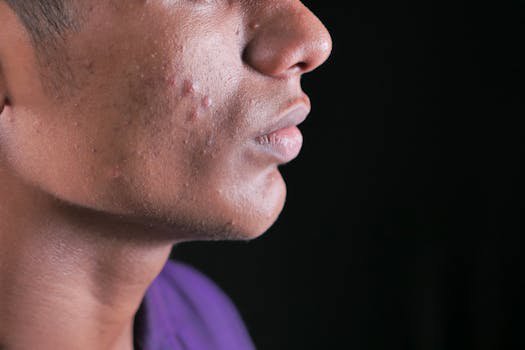

Our price tracker flags the same headache every spring shopping wave: women stock up on serums and sunscreens, then search for fixes when their morning layers ball up. Pilling turns a solid routine into a mess of little rolls on the chin and jaw. Most complaints start after the second or third layer. The culprit rarely comes down to one “bad” product. It comes down to order, texture, dose, and dry-down time.
Good news: you can fix it without quitting your favorite serum or switching to a bland moisturizer. Tweak the order, change how much you use, and match textures. Your skincare will sit smooth, your SPF will grip, and your makeup won’t drag. You don’t need ten new products. You need a plan.
We organized this guide around what the data and formulas suggest, not marketing promises. We track prices across Sephora, Ulta, Target, Nordstrom, Amazon, and more. We also read a lot of returns feedback. The same patterns show up again and again. Let’s use those patterns to build a no-pill daytime routine that survives humid summers, dry office air, and a full face of foundation.
Why pilling happens more often in the morning
Pilling shows up when layers don’t adhere to the skin or to each other. Film-formers and silicones can roll if you apply too much or if you add powdery filters on top. Gums and polymers create slip. That slip can backfire when you stack a fast-absorbing serum under a heavy cream, then add mineral sunscreen. Friction turns that stack into eraser shavings.
Morning routines set a higher bar than night. You apply multiple actives, moisturize enough to buffer makeup, then finish with a generous dose of sunscreen. Many sunscreens sit on top of skin by design. That film protects you from UV. It also highlights any texture mismatch underneath.
Climate stacks the deck. In the humid South, skin produces more oil. Silicones and rich creams can skate on that surface and pill. In the dry West or a heated office, tight skin drinks product fast. Then a powdery mineral SPF can catch on rough patches. The northeast sees wind, heaters, and cold snaps, which can increase both dryness and redness. One routine won’t suit all of it.
Retail patterns mirror this reality. Ulta and Target sell more gel moisturizers and water sunscreens in warmer months. Sephora and Nordstrom move richer creams and mineral SPFs in winter. We see fewer pilling complaints when routines use the right textures for the season. That tells us the problem is solvable. It just needs some structure.
{{IMAGE:woman applying moisturizer in morning light}}The no-pill order that works most mornings
Keep the order simple and steady. Cleanser. Watery serums. Creamy serums. Moisturizer. Sunscreen. Optional primer. Then makeup. This sequence supports absorption, cushions actives, and protects SPF as the final skincare step.
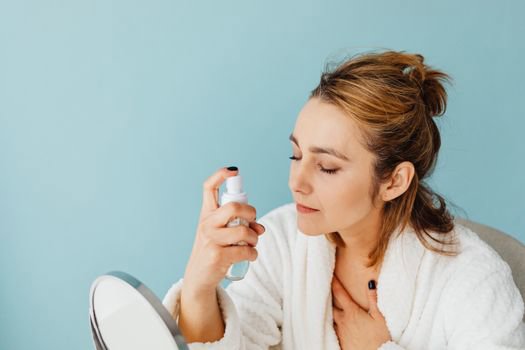
Start with clean, damp skin. If you use toner, choose a light, water-based one and let it set. Then reach for the thinnest serum first. A vitamin C or a hydrating hyaluronic acid serum usually sits well here. You can find daytime options inside our Day Face Serums category. Apply a small amount and press it in with open palms. Rubbing adds friction and encourages roll-off.
Next, apply any creamy or emulsion-style treatment. Niacinamide, azelaic formulas, or peptide serums often come in a lotion texture. Keep the dose modest. Two thin serums beat one heavy pour. Give each layer 30–90 seconds to settle. Skin should feel slightly tacky, not wet.
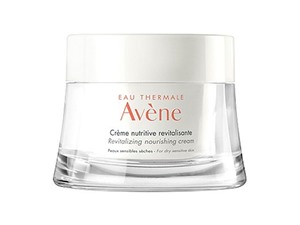
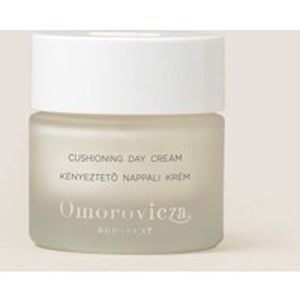
Follow with your day moisturizer. Look in our Day Face Moisturisers section for gel-creams if you run oily, and mid-weight creams if you feel dry. Use enough to reduce drag, but not so much that you see a slip-and-slide sheen. Finish with a broad-spectrum sunscreen from our SPF Protection Products page. Apply sunscreen generously. Press, don’t rub. Let it set before makeup or primer.
This order protects sunscreen’s film on top. It also groups similar textures together. That alone reduces pilling by a lot.
Texture mapping: thin to thick, water to oil, matte to dewy
Texture matching solves more pilling than any “miracle primer” ever will. Think like a formulator. Water-based, low-viscosity serums absorb first. Creamy emulsions hold more oils and waxes. Occlusive moisturizers sit last because they seal. Sunscreens sit on top because they form a film. Keep that map in mind and products start to play nicely.
Scan the INCI list for clues. Lots of dimethicone, trimethylsiloxysilicate, or silica often signals high slip and a risk for roll-off. Carbomer, xanthan gum, and acrylates can thicken gels and add grip. None of these are “bad.” They just need the right neighbors. A silicone-rich moisturizer can pair well with flexible, film-forming chemical sunscreens. A powdery mineral sunscreen often prefers a low-silicone gel-cream underneath.
Here are pairings that usually behave: a light hydrating serum under a bouncy gel-cream, then a chemical sunscreen. We rate the gel textures from brands like Clinique for this role. They cushion without leaving a heavy residue. If you want a richer base, rich creams like those from Charlotte Tilbury often carry a lot of emollients and silicones. Follow them with a flexible, non-powdery sunscreen to lower pilling risk. For mineral-only users, use a water gel or light lotion first, and let it dry. Then apply your mineral SPF in sections with light pressure.
Oil steps can complicate day layering. If you love a face oil, mix one drop into your moisturizer rather than placing it under sunscreen. That mix reduces slip lines and helps the oil emulsify. Avoid stacking more than one high-silicone product before SPF. That stack almost always pills when you add the final film.
Ingredients that get along (and ones that often fight)
Ingredients don’t pill because they clash chemically. They pill because of how their vehicles sit on skin. Still, certain combos tend to behave better during the day.
Hydration first: hyaluronic acid and glycerin serums rarely cause trouble if you apply them to damp skin and seal them with moisturizer. Vitamin C serums in a water base also sit well under most day creams. You’ll find plenty of compatible options from brands like L'Oréal inside our serum listings. Niacinamide plays well with both vitamin C and sunscreen filters, so it makes a solid daytime pick.
Acids and strong actives deserve respect in the morning. Leave retinol for night. Use leave-on exfoliating acids sparingly if you plan to wear a heavy mineral SPF. That pairing can lift flakes and cause visible roll-off. Instead, move the acid to nighttime, and run with a soothing, hydrating serum by day.
Sunscreen filters matter for finish. Many modern chemical filters feel flexible and film-forming. They often sit best over gel-creams and mid-weight lotions. Mineral filters can look beautiful too, but they tend to show texture over thick silicones. We see strong user feedback for water-light formulas from Shiseido when used over sheer gels or light creams. That line-up helps avoid clumps or chalky patches under makeup.
Fragrance, heavy essential oils, and high mica content can add drag or sparkle that emphasizes pilling. If you fight rolling most mornings, simplify the line-up. Unload extra fragrance-heavy layers for daytime and keep them for night.
Timing, technique, and amounts: the quiet fixers
Most pilling vanishes when you reduce friction and adjust timing. Apply each layer to slightly damp skin, then wait until it feels set. Often that means 30–90 seconds between steps. If a layer still looks shiny-wet, give it another minute. Your goal is tacky, not slippery.
Use less product per layer than you think. Serums usually work at a few controlled drops. Moisturizer should cushion the skin without leaving a thick film. Emulsify moisturizer in your hands to warm it, then press it in with flat palms. Skip fast circular buffing. That motion forms the dreaded eraser crumbs. If you use eye cream, apply it before moisturizer, then leave a small gap so you can press sunscreen in gently without dragging.
Apply sunscreen by sections. Place small dots on forehead, cheeks, nose, and chin. Press to spread. Add a second light pass where you need more. This method covers skin without overworking the film. Wait a few minutes before makeup. That set time gives you the smoothest canvas and protects your SPF layer. If you use primer, add a very thin coat and press it on. Our Face Primers category includes gripping gels and blurring creams. Gripping gels usually pair better with mineral SPF. Blurring silicones often pair better with chemical SPF.
Reapplication creates its own risks. You need fresh sunscreen after a few hours outdoors, but you don’t want flakes. Try a fine mist or a thin gel formula if you plan to refresh over makeup. Press, don’t rub. Pat any pills off gently and stop there. Rubbing will snowball the problem.
Climate and skin type playbook
Day routines work best when you pick for your weather and skin type. The United States covers dry deserts, humid coasts, and icy winters. One texture map won’t cover all of it. Use this playbook as a starting point and adjust based on shine, tightness, and how makeup sits.
Humid or oily-prone: choose a water-light antioxidant serum, a gel-cream moisturizer, and a flexible chemical sunscreen. Brands like Clinique offer gel textures that sit clean under SPF. Keep doses small and let each layer set. Blot before makeup if you see extra shine. Avoid face oils and heavy silicones in the morning. Those two push pilling when humidity and sebum rise.
Dry, cold, or high altitude: layer hydration. Use a hyaluronic or glycerin serum on damp skin, then add a creamy niacinamide or peptide serum. Follow with a mid-weight cream. If you need more, add one drop of oil mixed into the cream, not on top of it. Mineral sunscreens can catch on flakes, so smooth skin first and let moisturizer set before SPF. Pat sunscreen on rather than dragging it across the surface.
Combination skin: target zones. Use a hydrating serum across the face. Add a lightweight lotion to the T-zone and a richer cream on the cheeks. Finish with one sunscreen across the face. This split approach cuts pilling where skin runs oilier and keeps comfort where it runs dry.
Sensitive or redness-prone: simplify. Choose one serum with soothing actives like niacinamide. Use a mid-weight, low-fragrance cream. Finish with a mineral sunscreen if your skin prefers it. Patch test new serums on the jawline for a few mornings. Watch for redness or texture issues before you go full face.
Makeup after SPF: what to use and how to apply
Makeup can bring pilling back if you rush or mix the wrong textures. Sunscreen should stay as your final skincare step. Let it set for a few minutes. Then decide if you need primer. If foundation clings unevenly or breaks up by lunch, primer can help. Use a thin layer. Gripping gels suit humid mornings and mineral SPF. Silky, silicone-rich blurring primers often behave better over chemical SPF and richer creams.
Choose tools that lower friction. A damp sponge presses foundation into place without lifting the sunscreen below. A soft brush can work, but use gentle, downward strokes. Fingers work if you press rather than rub. Load less foundation than you expect, then build where you need coverage. That approach respects the film you built with skincare and SPF.
Powder can trigger pilling if you swirl too hard. Set with a light, pressing motion and a brush with flexible bristles. Focus on the T-zone first. If your base looks dry, skip extra powder and use a setting spray. That mist brings back slip and blends edges. When you choose a primer, check our curated picks in the Face Primers section and match the texture to your sunscreen type.
{{IMAGE:serum texture macro on woman’s hand}}On-the-fly fixes when pilling starts
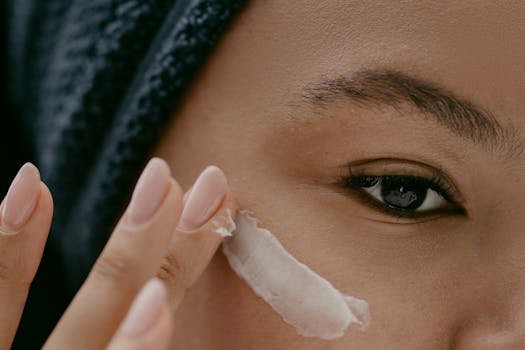
Pilling already started on your chin? Don’t scrub. That will unravel the whole base. Try the finger-roll trick. Use clean, dry fingers and lightly roll the pills away. Stop once they lift. Mist the area with a hydrating spray and press a tiny bit of gel moisturizer over the spot. Then leave it alone. This sequence resets the surface without removing your sunscreen.
If you see flakes catching under mineral sunscreen, tap a drop of moisturizer between palms and press it over those patches. Don’t rub. Let the warmth soften the area. For midday touch-ups, use a sheer, flexible sunscreen or a mist. Press it on with a sponge. Prioritize coverage over perfection. Fresh protection beats a flawless, unprotected finish.
If your routine pills every morning, remove one step at a time for three days. Start with the thickest or most silicone-heavy layer before SPF. If pilling stops, swap that product for a lighter texture or a formula that uses different film-formers. Our brand pages for Shiseido and L'Oréal show a range of textures that can help you rebuild a smoother stack. You can add products to your GlamGeek wishlist and we’ll ping you when the price drops, so you can test new textures without rushing.
Pairings that behave (and smart ways to shop)
We see fewer pilling complaints with these patterns:
- Light hydrating serum + gel-cream moisturizer + flexible chemical SPF. Think hydrating serums paired with gel textures from Clinique, then a water-light sunscreen. This combo suits humid climates and makeup wearers.
- Vitamin C serum + mid-weight lotion + chemical SPF. Look at stable C serums from mass brands like L'Oréal. Pair them with a mid-weight lotion and a smooth sunscreen. This stack gives glow without slip.
- Niacinamide serum + light lotion + mineral SPF. Keep silicones modest in the lotion, let it dry fully, then press on mineral sunscreen. Work in sections. This pairing helps those who prefer mineral filters.
- Rich cream + chemical SPF + blurring primer (thin). If you love a plush cream, many from Charlotte Tilbury sit best under a flexible chemical SPF. Use the tiniest amount of blurring primer after SPF, pressed on, not rubbed.
Price checks help when you need to swap textures. We track prices across major retailers in real time. You can compare the same moisturizer or SPF from Sephora, Ulta, Nordstrom, Target, and Amazon without opening five tabs. Use the price comparison on each product page to spot the best current offer, then add it to your wishlist. We’ll alert you when it drops during promo windows like Ulta’s 21 Days of Beauty or a holiday sale, so you can restock without guesswork.
We also like to cross-reference brand families when building stacks. Sunscreens from Shiseido often pair cleanly over gel-creams from brands known for light hydration, while vitamin C serums from L'Oréal make a reliable first step before most day creams. When in doubt, shop by texture in our Day Face Moisturisers and Day Face Serums categories, then filter by finish in SPF Protection Products. Build a cart of test sizes, wishlist them, and wait for a price ping. Your skin and wallet will both thank you.
What this means for your morning routine
No-pill layering doesn’t require a full overhaul. It requires fewer layers, lighter hands, and better timing. Stack thin to thick. Press, don’t rub. Let each step set. Choose a sunscreen that cooperates with your moisturizer’s texture. If you see rolling, remove one friction-heavy step and bring it back at night instead.
Match your routine to your weather and your skin type. Gel textures shine in heat and humidity. Creams comfort in cold and wind. Mineral SPF loves a simple base. Chemical SPF loves a cushioned one. If you want true peace with makeup, leave a few extra minutes for sunscreen to set, then use a thin primer that fits your SPF type. And use our tools. Compare prices, read texture notes across retailers, and wishlist potential swaps so you get a notification when they go on sale.
Tell us what worked
We track the patterns, but your morning has the final say. Which serum–moisturizer–SPF combo stays smooth for you, and in what climate? Share the stack you trust, then add your next tester to a GlamGeek wishlist so we can alert you when it drops. We track prices across Sephora, Ulta, Nordstrom, Target, Amazon, and more, so you don’t have to.