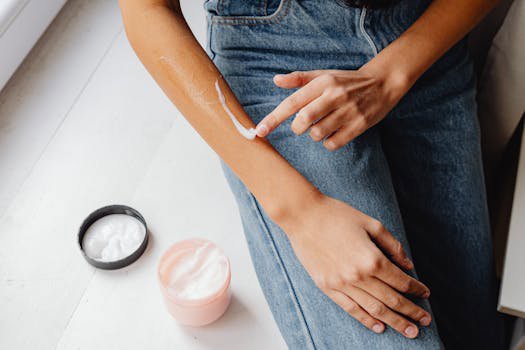
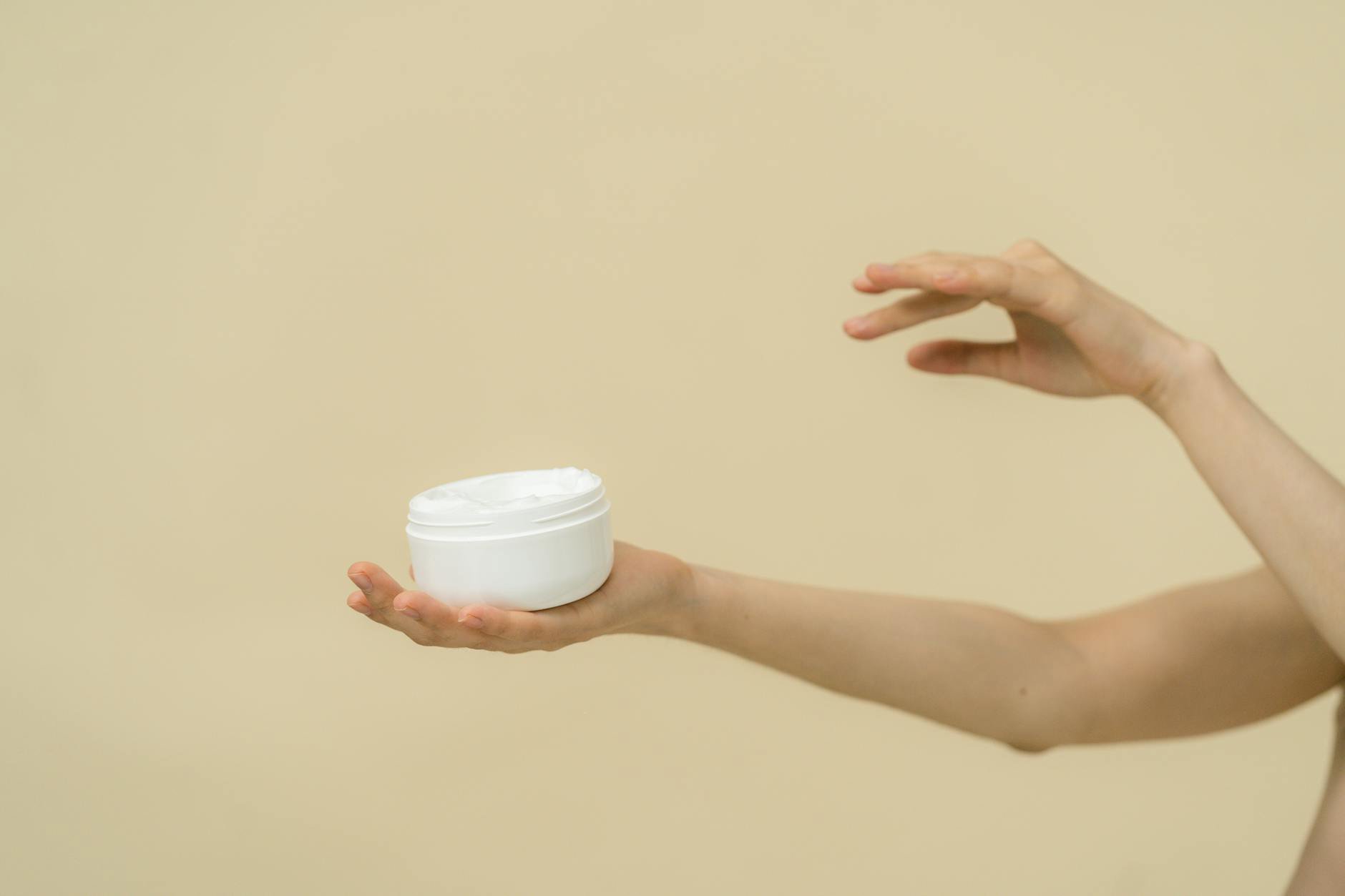
Body butter sits thick in the jar and promises cushiony comfort. Body cream looks sleek in a tub or tube and claims day-long hydration. They both moisturize. Only one usually seals the deal on very dry skin.
Our price tracker shows a seasonal pattern. Butters trend in winter, creams pick up in spring. Retailers promote them differently, too. Ulta and Target push value tubs. Sephora and Nordstrom spotlight luxe creams dressed like perfume flacons.
The formulas tell the real story. Texture signals ingredient load, which predicts performance. Once you read a label, you can pick the right product without guesswork—whether your climate is Arizona-dry or Florida-humid.
Context: why this comparison actually matters
Across our merchant feed since 2010, the gap between body butter and body cream has narrowed. Creams now borrow occlusive tricks from butters. Butters now add lightweight humectants to improve spread. You still see core differences, and they show up in skin feel and wear time.
Marketing language blurs lines. Brands use “butter” for mood, not just for formula. Some jars labeled butter act like cream. Some creams behave like a balm. We read the ingredient deck to sort hype from function.
Shopping cycles also matter. We see consistent markdowns on big body butter tubs during late winter and early spring. Creams join bundle deals near Mother’s Day and during holiday sets. During Sephora Spring Savings and Ulta 21 Days of Beauty, certain body moisturizers drop for a limited window. If you want a specific texture, add it to your GlamGeek wishlist and we’ll ping you when the price dips.
Retail tiers mirror textures. Drugstores and mass chains stock more butters with shea and cocoa. Prestige counters push creams with ceramides and refined oils. That’s not a hard rule, but our listings reflect it across Sephora, Ulta, Target, Amazon, and Nordstrom.
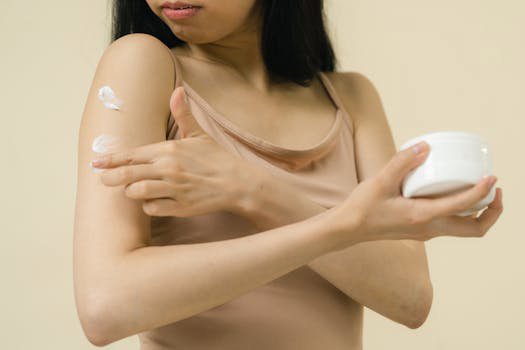
{{IMAGE:woman applying body moisturizer}}Texture 101: why butters feel richer than creams
Texture starts with phase and ratio. Butters pack high concentrations of solid lipids like shea, cocoa, or mango butter. These solids stay semi-firm at room temperature and melt against warm skin. You feel cushion and slip, followed by a protective film.
Creams use an emulsion base. Brands whip water and oils together using emulsifiers. That yields a lighter, faster-absorbing feel. Creams spread quickly and leave less residue. You can dress and go without transfer on tight sleeves.
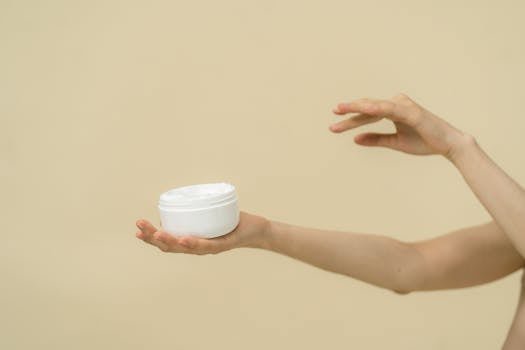
Real-life check: open the jar. If it stands tall and holds a peak, you likely have a butter. If it jiggles or scoops like frosting, you likely have a cream. A butter suits elbows, knees, and heels that need armor. A cream suits full-body coverage and morning routines.
Texture also speaks to climate. In muggy weather, heavy butters can feel sticky. Creams handle humidity better because they balance humectants and lighter emollients. In dry air or blasting heat indoors, that balm-like butter film can keep water from escaping your skin.
Ingredient profiles: occlusives, humectants, and emollients
Read labels and sort ingredients into three groups. Occlusives form a seal. Humectants pull in water. Emollients smooth texture. Ratios create either butter or cream behavior.
Butters lean occlusive. Look for shea butter, cocoa butter, mango butter, petrolatum, lanolin, or hydrogenated plant oils. These ingredients slow transepidermal water loss. They shine on compromised or flaky skin. They also fix rough texture fast, thanks to film-forming action.
Creams lean humectant and balanced emollient. Look for glycerin, hyaluronic acid, sodium PCA, urea at low to mid percentages, plus light oils like squalane, jojoba, or caprylic/capric triglyceride. Ceramides and cholesterol round out the barrier story. They support the skin’s own lipid matrix without heavy drag.
Watch for extras. Fragrance sits near the end of the list but can still cause issues. Essential oils add scent and skincare claims, but they can tingle on sensitive skin. Botanical butters sound gentle, yet they still count as rich occlusives. If you want a straightforward option, browse our curated Body Creams or value-rich Body Lotions and compare the first five ingredients.
Skin types and seasons: pick what your skin needs now
Normal to combination body skin loves creams. They hydrate without weight. You get enough slip to dress fast. If you live in the humid South, stick with a cream most of the year. Switch to a butter for heels and elbows in winter snaps.
Dry or eczema-prone body skin often prefers butters. Target rough zones with a dense occlusive layer and reapply at night. Look for ceramides and cholesterol if you want a science-backed barrier assist inside a butter format. Alternate with a cream during daytime if you dislike residue on clothes.
If you live in a dry western climate, consider a two-step routine. Apply a humectant-rich cream right after the shower. Seal key areas with a butter on top. This stacks hydration with an occlusive finish. If you live in the Northeast, use a cream in fall and spring. Bump up to butter during deep winter when indoor heat runs nonstop.
Sweat and workout habits matter. Creams slot into daytime routines, especially under athleisure. Butters shine overnight when you can marinate and let the film do its job. Keep a travel-size butter in your gym bag for post-shower elbows and ankles.
Application tactics: shower timing, layering, and tools
Apply within three minutes of stepping out of the shower. Your skin holds surface water then. A humectant-rich cream grabs that water and pushes hydration. A butter seals it in. Blot, don’t rub, before you start. You want a hint of damp left on the skin.
Try strategic layering. Cream first, butter second on hot spots like shins and heels. If your cream pills under a butter, reduce the amount and work in smaller sections. Warm butter between your palms for a thinner layer. You’ll get glide without a heavy coat.
Pair like with like. Use richer cleansers if you plan to apply a butter. Sudsy body washes can strip skin, and that demands more occlusion later. Our Shower Gels & Body Washes section shows options across mass and prestige. Check our price comparison before you restock.
Don’t forget SPF on exposed areas in daylight. Use your butter or cream at night. Use sunscreen during the day. It’s a simple split that keeps layering clean. If you want face-first inspiration, our SPF Protection Products page outlines filters and formats. The same rules apply to your shoulders and chest.
Fragrance and sensitivities: how to read the INCI list
Fragrance sparks joy for some and irritation for others. If you react easily, scan the end of the ingredient list for parfum, essential oils, or known allergens like limonene and linalool. Fragrance-free versions exist in both butter and cream formats. They often land at Ulta, Target, and Amazon with better value sizes.
Preservatives keep water-based creams safe. That’s not a flaw. Emulsions need preservation. Butters with very low water content may rely on antioxidants instead. Trust reputable brands that disclose full INCI lists. If a product claims miracle firmness without actives high in the list, treat it like fragrance and texture focused skincare.
If you chase scent, choose the format that suits your skin first. Then indulge the fragrance story. You can get a gourmand cocoa butter jar for winter nights and a citrus cream for summer mornings. Rotate based on mood and weather. For fragrance-led skincare lines, browse prestige houses like Guerlain and Estée Lauder. Compare those to value-led staples from Garnier and L'Oréal.
Pregnancy, stretch marks, and body care myths
Rich butters often headline stretch mark talk. They keep skin supple and reduce itch as the belly grows. They don’t erase established marks. Stretch marks relate to rapid stretching and genetics. Moisturizers improve comfort and skin feel. They can support elasticity, but no jar stops biology.
If you want a practical plan, moisturize twice daily. Use a cream in the morning for slip and clothes. Use a butter at night for extra occlusion. Keep fragrance low if your skin changes during pregnancy. Patch test new products on the forearm first.
Watch claims for “firming” or “toning.” Most rely on caffeine or film-formers for a short-lived effect. That’s fine for an event day. It won’t replace consistent moisturization. Sun protection and regular hydration do more for skin texture over time.
If you look for spa-style body care, explore brands that build rituals around body massage and mindful routines. We track a range from luxury names like Sisley to wellness-leaning lines like ESPA. Check our price comparison before you splurge, especially around Memorial Day and Black Friday.
Budget vs prestige: where to save, where to spend
Occlusives don’t need to cost a fortune. Simple shea or cocoa butter formulations can work as well as prestige, especially for rough zones. Save on your dense butter and spend on a well-formulated cream with ceramides if you want a smoother daytime feel under clothes.
Prestige creams earn their place when they include barrier-support lipids, stable antioxidants, and testing around hydration claims. They also offer refined textures that rub down faster. That convenience matters if you dress fast, commute, or live in a hot climate.
Value surges at mass retailers after holiday gift sets clear. Our tracker sees strong discounts on jumbo tubs and family sizes. Prestige creams trend on bundle savings at Sephora and Nordstrom beauty events. Add favorites to your GlamGeek wishlist and let us track the swings.
Brand families can help you orient. Body butter shines at The Body Shop. Balanced creams show up across Clinique and Clarins. If you want a store brand option, check Sephora Collection for seasonal body sets that stretch dollars.
{{IMAGE:body butter texture in jar}}Real-world picks: butters and creams worth a look
For classic butter lovers: The Body Shop Shea Body Butter set the template. It brings a dense shea base and a satiny finish. If you prefer fragrance shifts, their body butter range covers florals and gourmands. Check our The Body Shop page to compare sizes and spot bundle deals.
For fragrance-light hydration: look at unscented or low-scent creams from Clinique. The brand has focused on gentle formats for decades. You get quick absorption and a texture that layers under workwear. Pair it with a targeted butter on ankles and knees at night.
For the spa-feel body cream: Clarins often features plant oils and comforting textures. If you enjoy a subtle scent and a plush feel, this lane suits you. Reserve your butter for deep winter or travel when plane cabins dry you out.
For value-led hydration: scan mass-market lines like Garnier and L'Oréal. You can assemble a two-step system for the price of one prestige jar. A light cream for daytime and a richer tub for target zones at night covers all seasons.
For fragrance lovers who want a matching set: explore Estée Lauder and Guerlain. Many lines offer body creams that echo their perfumes. They layer well under an Eau de Parfum Perfume without clashing. Shop around during gift set season for better value.
Decoding labels: what matters and what doesn’t
Ignore front-of-pack buzzwords and scan the first five ingredients. If water sits first, then glycerin, then a light oil, you likely have a cream. If shea butter or petrolatum climbs near the top, expect a butter-like feel even if the label says cream.
Spot helpful add-ons. Urea at low percentages smooths texture. Niacinamide can support barrier function and even tone. Ceramides and cholesterol mimic the skin’s lipid matrix. These show up more often in creams due to the emulsion base.
Watch claims that sound big but lack support. “24-hour hydration” should come with a clinical test mention. It may still work for you, but treat it as a starting point. Reviews on GlamGeek can add context. Filter by skin type to see patterns, not just one-off opinions.
Packaging also matters. Jars expose product to air and fingers, which suits thick butters that resist contamination. Tubes keep creams cleaner but may struggle with super-dense formulas. Pumps offer speed for daily use on the sink or dresser.
Build your routine: morning, night, and on-the-go
Morning routine: cleanse, then apply a fast-absorbing cream to arms, legs, and torso. Let it settle for a minute before dressing. Add sunscreen to exposed areas. A lighter scent plays well with perfume and won’t linger in the office or car.
Night routine: take a warmer shower and skip squeaky-clean body washes. Pat skin until damp. Apply a cream first if you need hydration, then a butter on shins, knees, elbows, and heels. Slip into soft pants or a robe and let it sink in while you unwind.
On-the-go: carry a small tube of cream for hands and forearms. Keep a mini butter for ankles and cuticles. If you travel, decant into TSA-friendly pots and label them. Hotels run the AC high, and plane cabins dehydrate skin fast.
Once or twice weekly, swap in a gentle exfoliating step before your moisturizer. Use a soft washcloth or a mild chemical exfoliant formulated for body. You don’t need grit to see results. Then lock in moisture with your chosen cream or butter.
Smart shopping: price drops, sizes, and wishlists
Shop sets if you love a matching scent. Body wash plus body cream often costs less than buying singles. Check our Skin Care Sets page when brands load gift-with-purchase offers.
Watch size formats. Butters often come in 6 to 13.5 oz jars. Creams range widely and include pump bottles. Jumbo sizes tend to cost less per ounce. Our product pages list sizes across retailers so you can compare apples to apples.
We track prices across Sephora, Ulta, Target, Amazon, and Nordstrom. We often see the same jar priced differently on the same day. Use the GlamGeek price comparison before you check out. Add your picks to your wishlist, and we’ll alert you when they drop.
Yearly patterns help. Expect sets and bundles in November and December. Expect value tubs to clear in March and April. Memorial Day brings early summer promotions. Sephora’s Spring Savings and Ulta’s 21 Days throw surprise deals that change daily.
What this means for your skin
You don’t have to choose one format forever. Use a cream for daily hydration and fast mornings. Use a butter for repair and overnight care. Let your climate, clothing, and schedule guide you. The right product meets your skin where it is today.
Read the first five ingredients and trust texture as your clue. If your skin flakes and itches, reach for more occlusion. If your skin feels sticky by noon, lighten the load and switch to a cream. Layer strategically on problem areas and keep SPF in the daytime mix.
Price doesn’t predict success. Ingredients and habit do. Spend where texture matters to you. Save on basic occlusives for elbows and heels. Use GlamGeek to compare prices and track deals so you keep the routine going without budget surprises.
We’d love to hear from you
What’s your perfect pairing right now—a light cream for daytime and a butter at night, or one product that does it all? Tell us which formulas actually keep your skin comfortable through your climate and your week. Add your current favorite to your GlamGeek wishlist, and we’ll keep an eye on the price for you.