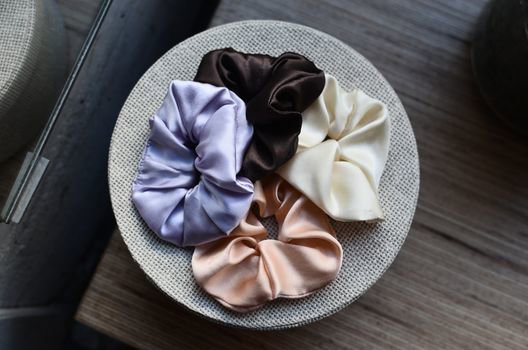
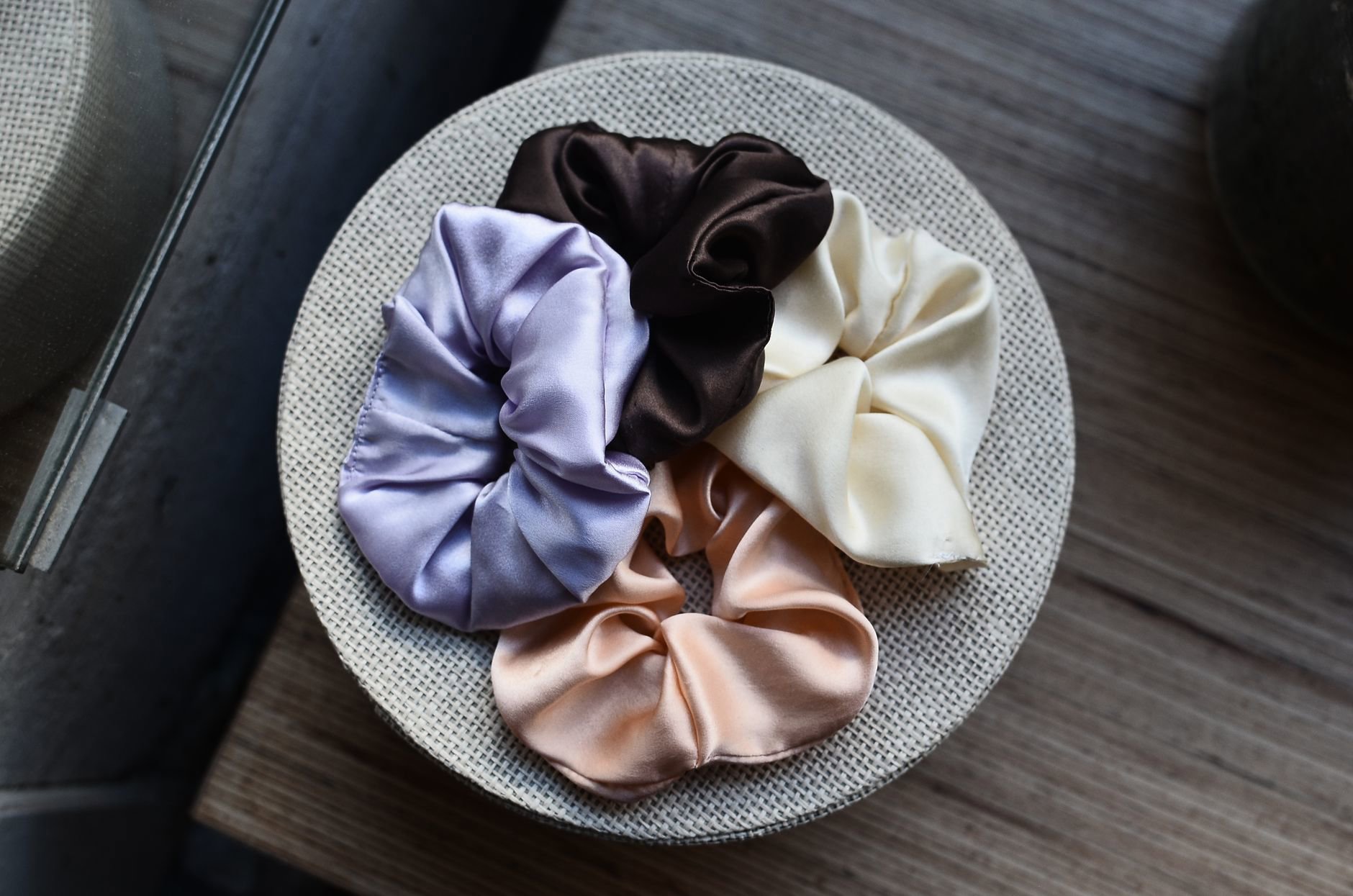
Silk and satin scrunchies can both reduce snagging versus basic elastics, but they are not the same thing.
If you want the shortest answer: pure silk scrunchies and hair ties usually offer the most consistent low-friction feel and long-term durability, while satin scrunchies can deliver a similar “slippery” surface for less money—if the fabric and elastic are well made.
Our price tracking across major retailers shows the biggest real-world tradeoff stays simple: silk costs more upfront (think SILKE London around $30.19–$33.90), while satin gives you budget-friendly options (Kitsch around $7.00–$9.20) that still aim to minimize crimping and breakage.
Start with the terms: silk is a fiber, satin is a weave
“Silk” describes a natural fiber. When a product says 100% pure silk, it points to what the fabric is made from.
“Satin” describes a weave. Satin can be made from many fibers, including polyester or silk. That matters because two scrunchies can both say “satin” and feel totally different on hair.
That also explains why marketing gets messy. A brand can say “satin” and still use a lower-cost synthetic fiber. That does not automatically make it bad, but it changes what you should expect on wear, wash, and longevity.
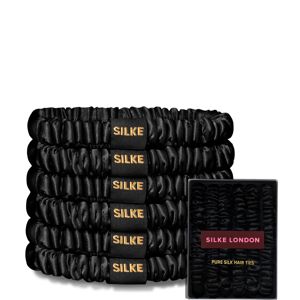
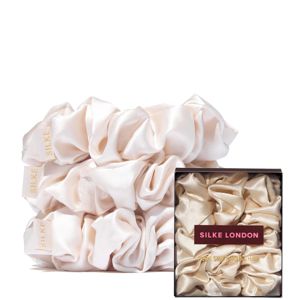
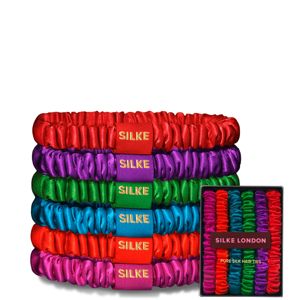
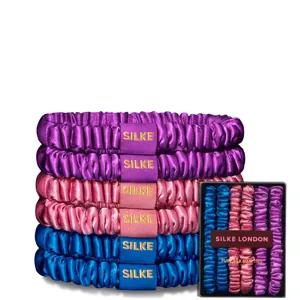
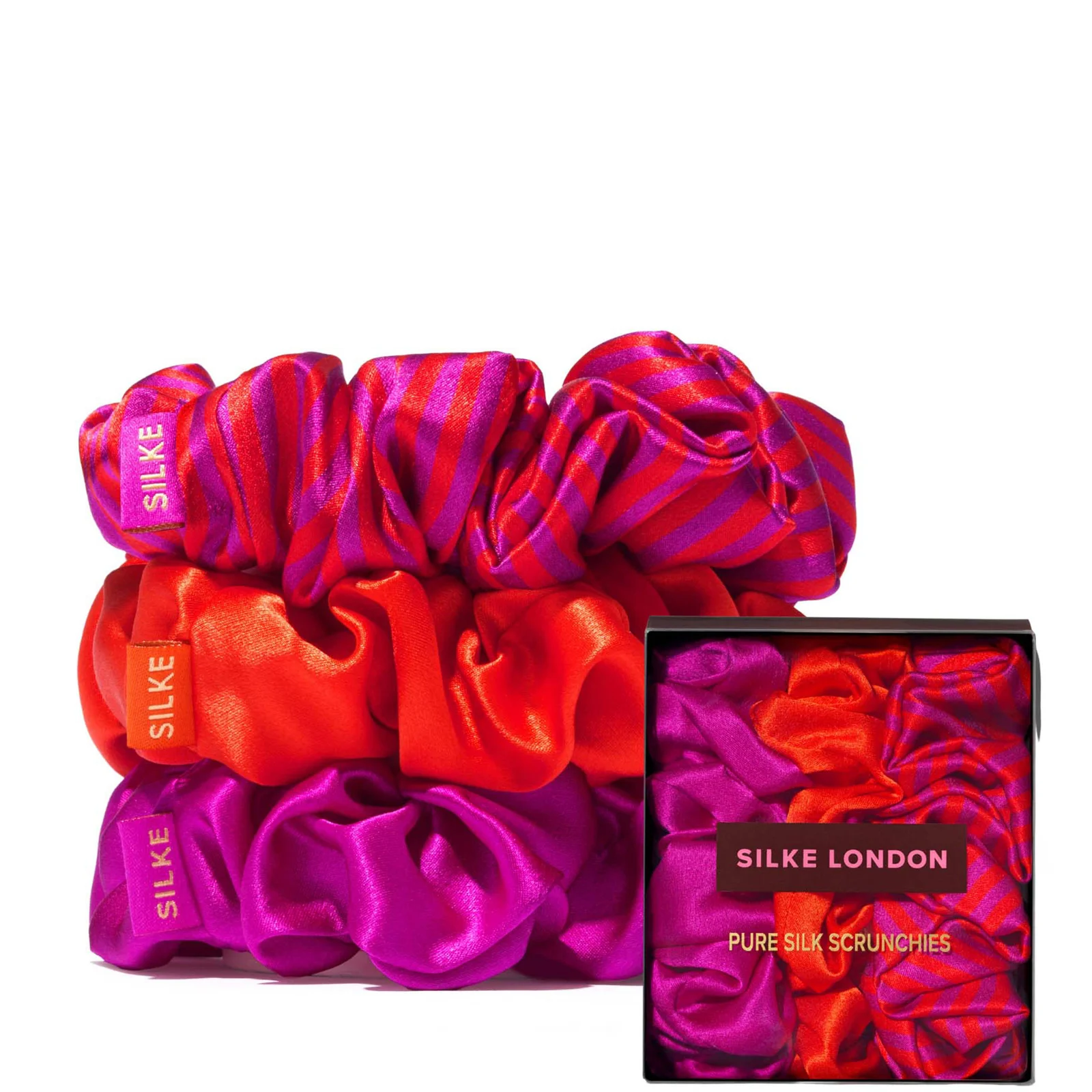
In the products we track, SILKE London is explicit: SILKE London Hair Scrunchies use 100% pure silk and aim to reduce pulling and breakage while resisting kinks and creasing (from $30.19). SILKE London Hair Ties also use 100% pure mulberry silk with a reinforced elastic interior (from $33.90).
On the satin side, Kitsch leans into soft, hair-friendly satin: Kitsch Satin Sleep Scrunchies come as a pack of five and the brand positions them to hold hair up without crimping or snapping (from $7.00). Kitsch Satin Petite Scrunchies use an ultra-soft satin fabric and note OEKO-TEX® certification (from $9.20).
Different words. Different expectations.
Friction, slip, and breakage: what your hair actually “feels”
Scrunchies help (or hurt) based on two things: the fabric surface against your hair and the tension from the elastic.
Lower friction usually means less snagging when you wrap, less pulling when you remove, and fewer roughened cuticle moments that show up as frizz. That is why both silk and satin versions exist: each aims to create a smoother contact point than bare elastic.
Silk has a reputation for consistent slip because the fiber itself forms a smooth, fine filament. In our product data, SILKE London calls out snag-free benefits and reduced snapping, kinks, and damage for its Hair Ties (from $33.90). Their Hair Scrunchies also emphasize less pulling and reduced breakage, plus comfort (from $30.19).
Satin can also feel slick. But since satin is a weave, the fiber underneath matters. Some satin scrunchies can feel slippery at first yet create more drag after repeated washing, or the sheen can dull. That does not mean you should skip satin—just buy thoughtfully.
One more point that gets ignored: elastic quality changes breakage risk. A silky exterior cannot fully cancel out a harsh elastic core that forces too-tight tension. If your ponytail aches, the scrunchie works against you.
For an alternative to scrunchies entirely, you can consider coated elastics. Kitsch No-Snag Elastics use a thick coating that “easy-glides” and removes without catching hair; the brand also calls them super-stretchy and reusable with a firm, traceless grip (from $4.60). That price makes them a practical backup for gym bags and glove compartments.
Hair type and styling goals: who should pick silk vs satin
“Better” depends on what your hair needs and how you wear it.
Fine or fragile hair (or hair prone to breakage): we generally rate pure silk as the safer bet when your goal focuses on minimizing tugging. The product descriptions for SILKE London Hair Scrunchies and SILKE London Hair Ties directly target reduced pulling, snapping, and kinking (from $30.19 and $33.90). If you tie hair up daily, that consistency can justify the spend.
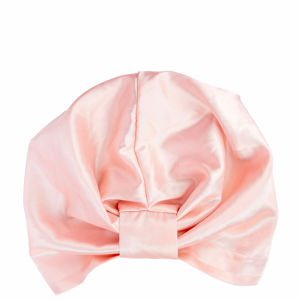
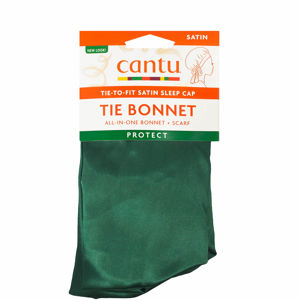
Curly, coily, or textured hair: either fabric can work, but overnight protection often matters more than the daytime ponytail. If your curls flatten or frizz from friction while you sleep, you may get more results from pairing a scrunchie with a wrap. brushworks Satin Hair Turban positions itself to reduce frizz overnight and help keep curly hair intact (from $11.49). Revolution Satin Hair Wrap also targets sleep-time protection from friction for frizzy or fragile hair (from $9.20).
Thick hair that needs grip: too much slip can make a ponytail slide. In that case, satin can perform well because many satin scrunchies land in a middle zone: smoother than cotton, but not always as slippery as high-grade silk. Also, consider elastics designed for hold without catching, like Kitsch No-Snag Elastics (from $4.60).
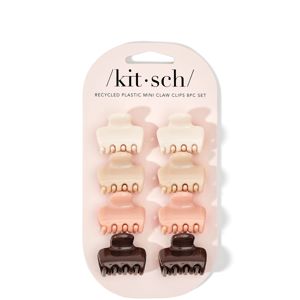
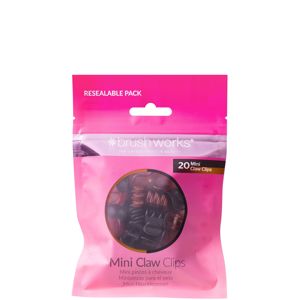
Heat-styled hair you want to preserve: “no-crease” accessories matter. Scrunchies can still dent hair if you wrap tight or place them in the same spot daily. For makeup time or while hair cools after styling, creaseless clips help keep hair off your face without kinks, such as Mermade Hair No-Crease Clips (from $6.25) or brushworks No Crease Clips (from $6.20).
If your goal is purely “no dents,” the technique matters as much as the fabric.
Price reality: what you pay for silk, what you save with satin
Scrunchies look simple, but pricing spreads fast once you get into pure silk.
In our tracked listings, silk sits at the premium end: SILKE London Hair Scrunchies start around $30.19, and SILKE London Hair Ties start around $33.90. If you lose hair ties often, that number can sting.
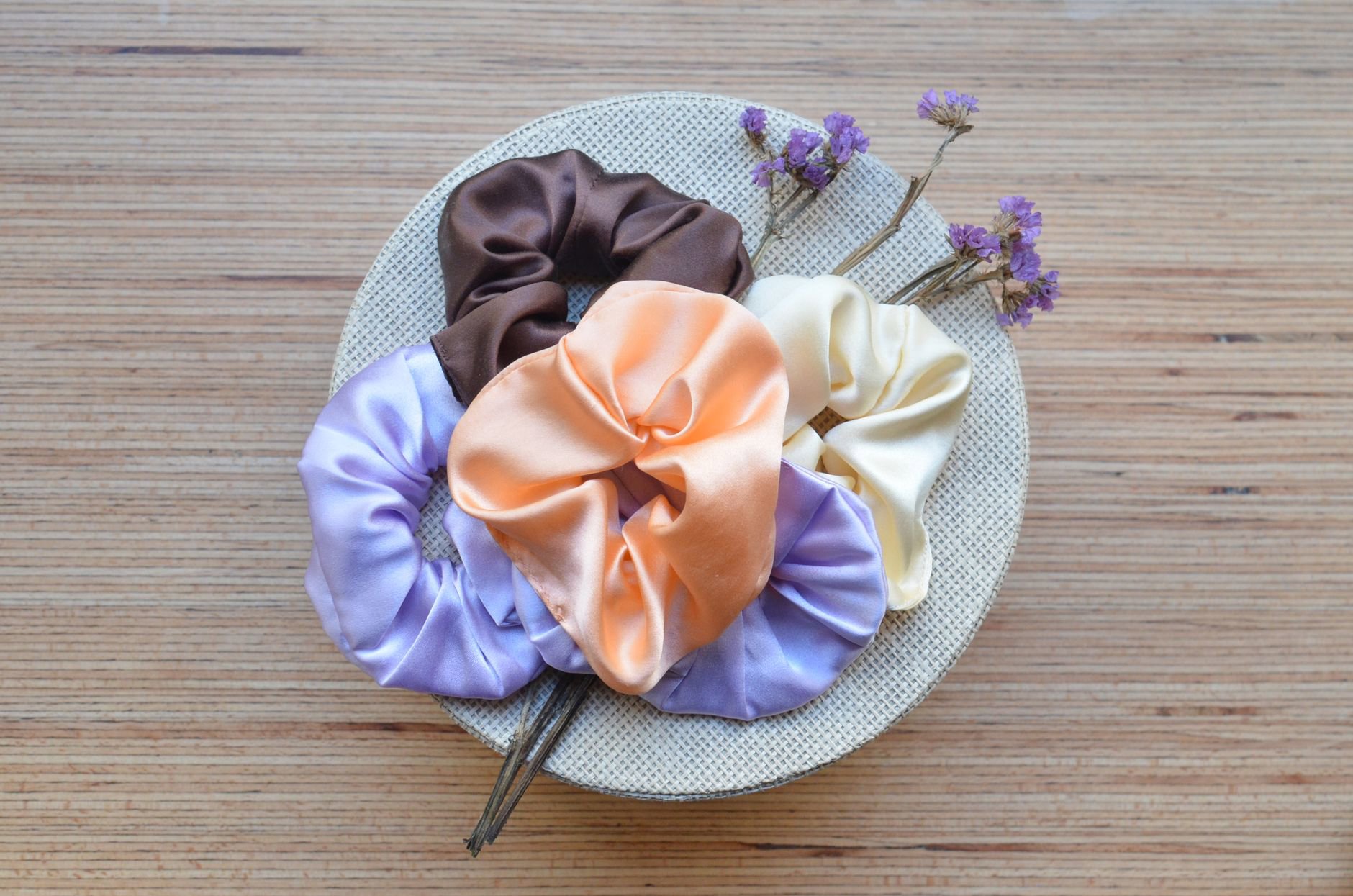
Satin tends to win on cost-per-wear for many shoppers, especially if you like having multiples. Kitsch Satin Sleep Scrunchies start around $7.00 for a pack of five. Kitsch Satin Petite Scrunchies start around $9.20 and use OEKO-TEX® certified fabric.
Sleep accessories also stay accessible in satin. Revolution Satin Hair Wrap starts around $9.20. brushworks Satin Hair Turban starts around $11.49. If you want to reduce frizz overnight but you do not want to baby a delicate silk item, satin wraps can make sense.
We also see a “cheapest that still solves a problem” tier. Kitsch No-Snag Elastics start around $4.60 and focus on removal without catching hair. They do not replace a scrunchie for volume or aesthetics, but they cover the basics.
Where shoppers overspend: buying premium silk for occasional use, then treating it like a disposable elastic. If you want silk, plan to keep it for months, not days.
Where shoppers underspend: buying satin that pills fast or stretches out quickly, then tightening it more to compensate. That can cancel the “gentle” benefit.
Care and longevity: washing, stretching, and when to replace
Scrunchies fail in predictable ways: the elastic stretches out, the seam weakens, or the fabric surface roughens. Your care routine determines which failure happens first.
Pure silk usually rewards gentle handling. The benefit: if you keep the silk surface smooth, you keep the low-friction feel that reduces pulling and kinks. With premium items like SILKE London Hair Scrunchies (from $30.19) and SILKE London Hair Ties (from $33.90), treat them like a small garment, not a rubber band.
Satin often tolerates more routine washing, depending on the fiber. But it can lose its slickness if the surface gets abraded. If a satin scrunchie starts gripping or “dragging,” that friction can show up as frizz around your hairline.
Use this replacement checklist:
- Elastic snapback test: stretch the scrunchie gently; if it stays elongated, retire it.
- Surface test: run it along clean fingers; if it feels rough or sticky, it will likely catch hair.
- Seam check: if stitching loosens, the elastic core may twist and pull.
- Dent audit: if you notice a consistent crease where you tie, switch placement and reduce wraps.
For overnight protection, wraps and turbans take stress off elastics. brushworks Satin Hair Turban targets frizz reduction and curl protection (from $11.49). Revolution Satin Hair Wrap also focuses on sleep friction and damage (from $9.20). Rotate between them if you wash frequently.
And keep one “messy tasks” headband. The brushworks Black Cloud Headband uses soft terry cloth to keep strands off the face during skincare and beauty routines (from $9.40). That prevents unnecessary tying and retying, which reduces mechanical stress.
How to spot quality when shopping (without falling for hype)
Brands love vague phrases like “silky feel.” Shoppers need sharper criteria.
Start with what the listing states clearly. SILKE London Hair Ties specify 100% pure mulberry silk and a “super-strength elastic interior” (from $33.90). That tells you both the outer fiber and that the elastic core matters. SILKE London Hair Scrunchies specify 100% pure silk and focus on minimizing breakage and resisting creasing (from $30.19).
For satin, look for a certification or a concrete promise tied to performance. Kitsch Satin Petite Scrunchies call out OEKO-TEX® certified fabric and a slim ruched design that aims to minimize breakage and damage (from $9.20). Kitsch Satin Sleep Scrunchies focus on avoiding crimping or snapping for sleep wear (from $7.00).
Then assess design, not just fabric:
- Width matters: petite scrunchies distribute pressure differently than full, puffy ones. If you get dents, go wider or wrap less.
- Elastic strength: too weak slides; too strong pulls. Aim for secure with fewer wraps.
- Seam placement: a bulky seam can act like a snag point. If you see fuzz collecting there, your hair will too.
- Use-case fit: sleep scrunchies work best for loose buns or pineapples, not tight ponytails.
Also consider your retailer context. Sephora and Nordstrom often stock pricier accessories, while Target and drugstores lean budget-friendly. GlamGeek’s price tracking helps spot when the same accessory swings in price across merchants, which matters more with premium silk items.
If you want to keep hair off your face without tying at all, add clips to your lineup. Mermade Hair No-Crease Clips (from $6.25) and brushworks No Crease Clips (from $6.20) target “no kink” hold during makeup and skincare. That supports healthier styling habits without buying more scrunchies.
Practical routines: how to use scrunchies with less damage
The lowest-friction fabric still fails if you tie too tight, too often, in the same place.
Use these techniques to reduce breakage and dents with either silk or satin:
1) The “two-wrap rule” for day ponytails
Start by gathering hair with your hands, not a brush, so you avoid over-tension at the hairline. Wrap your scrunchie once, then twice. Stop there. If you need a third wrap to feel secure, you likely need a stronger elastic core or a smaller scrunchie.
For a budget option that still aims to reduce catching, keep Kitsch No-Snag Elastics on hand (from $4.60)—but avoid stacking multiple elastics, which spikes tension.
2) The “loose bun for sleep” method
Flip hair forward, gather it at the crown, twist once, and secure with a soft scrunchie. The goal: hold hair up without compressing it. Kitsch Satin Sleep Scrunchies specifically target sleep wear and reduced crimping (from $7.00), which fits this style.
If you wake up with frizz even with a scrunchie, add a wrap. Revolution Satin Hair Wrap and brushworks Satin Hair Turban both target friction during sleep (from $9.20 and $11.49).
3) The “cool-down clip” after heat styling
If you curl or blow-dry, let hair cool in the shape you want before tying it up. Use brushworks No Crease Clips (from $6.20) or Mermade Hair No-Crease Clips (from $6.25) to keep front sections back while hair sets. Then use a scrunchie only when the style finishes cooling.
If you use a blow dryer accessory, note that not every “accessory” is a hair tie. The ghd Helios Hair Dryer Wide Styling Nozzle is a styling nozzle for longer, thicker hair types (from $23.00). It can support smoother blowouts, which may reduce the need for tight tie-backs during styling.
Small habit shifts beat expensive fixes.
For readers who like to cross-shop beauty categories while browsing, it helps to keep accessories separate from product temptation. A cart that starts with scrunchies can quickly detour into Mascaras or Day Face Moisturisers. Staying focused usually saves more than chasing the “perfect” scrunchie.
Quick picks from our tracker: which to buy for your priorities
Not everyone needs a drawer full of options. Most people need one daily scrunchie, one sleep option, and one backup.
Here are the hair-accessory picks we’d shortlist, using only items we track with clear descriptions and prices:
- Best pure silk splurge: SILKE London Hair Scrunchies (from $30.19) for a 100% pure silk scrunchie designed to minimize pulling and breakage.
- Best pure silk for frequent tying: SILKE London Hair Ties (from $33.90) for 100% pure mulberry silk and a reinforced elastic interior aimed at reducing snapping and kinks.
- Best budget satin pack for sleep: Kitsch Satin Sleep Scrunchies (from $7.00) for keeping hair up at night without crimping.
- Best petite satin option: Kitsch Satin Petite Scrunchies (from $9.20) with OEKO-TEX® certified fabric and a slim design that works for lighter hold.
- Best backup elastics: Kitsch No-Snag Elastics (from $4.60) for a coated, easy-glide elastic that aims to remove without catching.
- Best overnight friction reducer (wrap): brushworks Satin Hair Turban (from $11.49) or Revolution Satin Hair Wrap (from $9.20) when frizz and tangles show up in the morning.
If you do makeup or skincare and constantly re-tie hair, add one creaseless clip set. brushworks No Crease Clips (from $6.20) and Mermade Hair No-Crease Clips (from $6.25) help reduce repeated tension at your hairline.
For readers browsing brands more broadly, you can also explore Revolution for wraps and skin care browsing without mixing up categories. Accessories still do the heavy lifting here.
Practical tips you can use today
Pick one material change, then fix the technique. That order matters.
If you already own satin scrunchies, start by reducing wraps and rotating placement. If dents still appear, move up to pure silk for your most frequent tie-up moments, like commuting or work calls. Use satin for sleep or low-tension styles.
Build a “no-stress set” that matches your routine:
- Sleep: Kitsch Satin Sleep Scrunchies (from $7.00) plus a wrap like Revolution Satin Hair Wrap (from $9.20) if frizz persists.
- Get-ready time: brushworks Black Cloud Headband (from $9.40) to avoid unnecessary tying.
- Style setting: Mermade Hair No-Crease Clips (from $6.25) to hold sections without dents.
- Out-and-about backup: Kitsch No-Snag Elastics (from $4.60) for quick hold with easier removal.
That lineup costs less than repeatedly replacing stretched-out ties that keep breaking hair.
So… silk or satin?
If your hair breaks easily, you tie it up daily, or you want the most consistent low-friction feel, pure silk earns its price more often than marketing suggests. SILKE London Hair Scrunchies (from $30.19) and SILKE London Hair Ties (from $33.90) state 100% pure silk, and that clarity helps shoppers buy with confidence.
If you want a gentler tie than basic elastics and you prefer to keep multiples around the house, satin usually wins on value. Kitsch Satin Sleep Scrunchies (from $7.00) and Kitsch Satin Petite Scrunchies (from $9.20) give budget-friendly ways to reduce crimping and tugging.
Which problem do you want to solve first: dents, breakage, frizz, or cost?