Our price tracker flagged a quiet shift this year. Beauty shoppers paid for fewer novelty drops and more refills, larger formats, and durable tools. Promotions still moved volume, but refill cartridges and jumbo skincare kept winning carts after sales ended.
That points to a simple truth. Sustainable buys in 2026 look boring on a shelf. They excel on a spreadsheet. Lower packaging, longer life, fewer replacements. You feel the savings over months, not minutes.
So what deserves your money right now? We pulled signals from our retailer feed, brand assortments, and promo calendars. Then we matched them with packaging facts, ingredient science, and day-to-day usability. Here’s where a greener choice delivers real value, and where the buzz wastes budget.
Why this year looks different
Retailers hardened their standards over the past few years. Sephora grew its “clean” assortment since 2018. Ulta launched Conscious Beauty in 2020 and extended brand onboarding since. Credo tightened its ingredient standard and take-back options earlier in the decade. You now meet clearer store filters and more refills on core shelves.
Lawmakers also raised pressure. The federal Microbead-Free Waters Act took effect in 2015 and scrubbed plastic microbeads from rinse-off products. Several states advanced rules on truthful recycling labels and safer chemistry since 2022. Brands moved early to avoid label confusion and reformulation crunches.
Analysts estimate beauty uses well over 100 billion packaging units each year. That figure includes boxes, films, pumps, and jars. Consumers feel that waste in their bins, not just in reports. Our data shows rising searches for “refill,” “PCR plastic,” and “aluminum bottle.” Merchants responded with more refills, bigger sizes, and clearer recycling notes on product pages.
Seasonal sales also changed behavior. We saw refills, jumbo cleansers, and brush sets perform well during Black Friday and Memorial Day. Shoppers used discounts to stock practical items, not only color launches. During Sephora Spring Savings and Ulta 21 Days of Beauty, refill stock-outs spiked in core categories like moisturizers and shampoo.
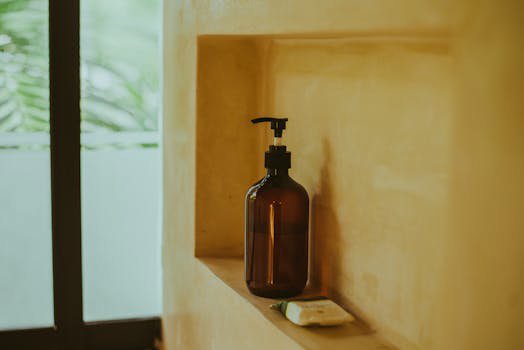
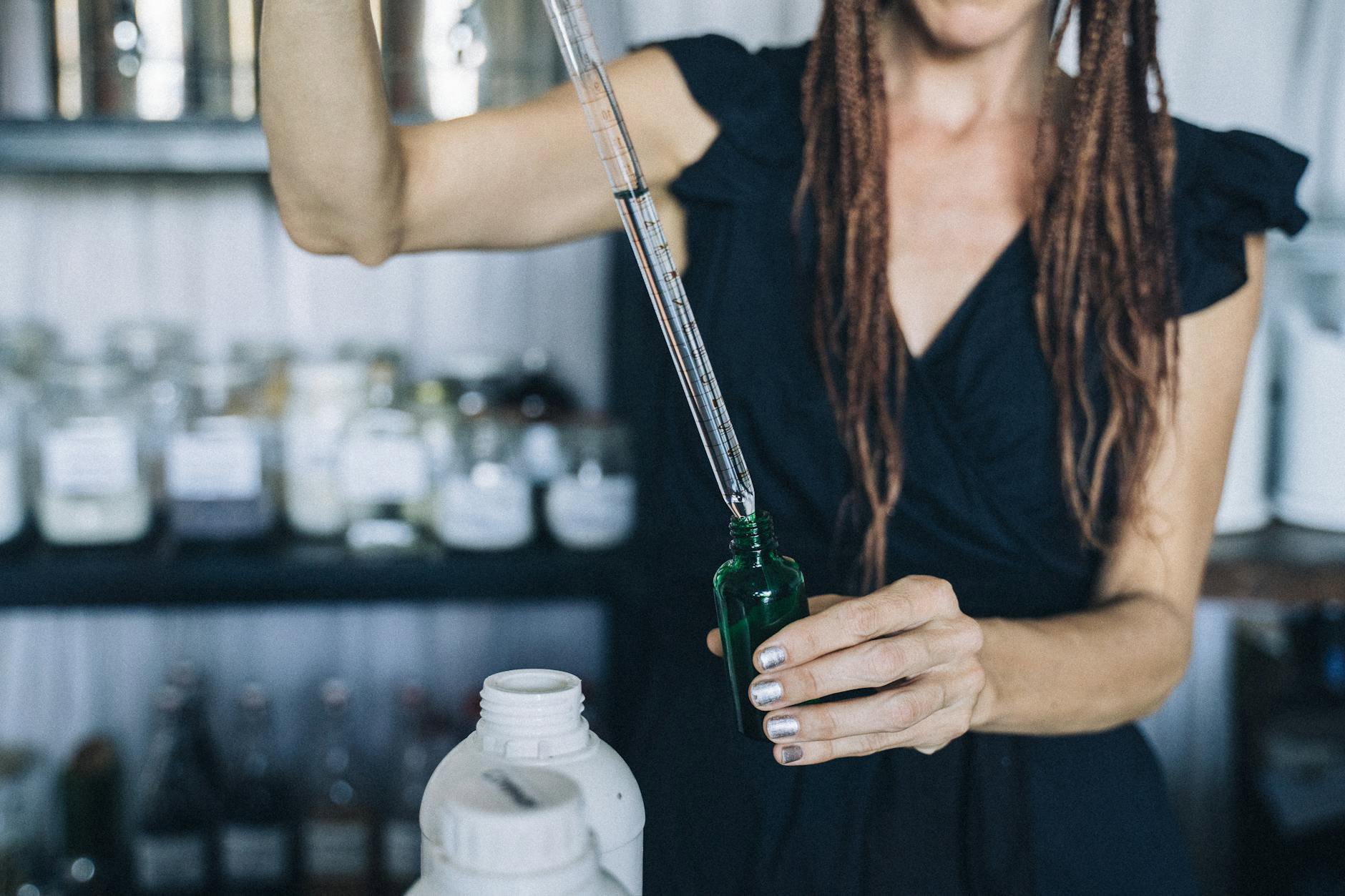
{{IMAGE:woman using refillable skincare bottle in bathroom}}The packaging hierarchy that actually cuts waste
You can’t recycle your way out of bad packaging. Start with the best format, not the best bin label. We use a simple hierarchy to sort smarter picks on product pages and in-store aisles.
First, choose refillable systems you will actually refill. Lipstick bullets, compact powders, bronzers, and some skincare jars now offer cartridges. Charlotte Tilbury leans into refillable compacts and lipsticks. Guerlain offers refillable Rouge G cases. Many moisturizers arrive in jars with inner pods. Commit to one aesthetic and stick to it. You cut waste and cut cost over time.
Second, pick durable monomaterials when refills don’t exist. Glass and aluminum recycle widely and resist downcycling. PET and PP plastics also recycle in many cities. They beat mixed pumps that mix metals and plastics. If you must buy a pump, save one good pump and repurpose it across bottles of the same thread.
Third, pick larger formats for high-use products. Body lotion, shampoo, and face wash burn through packaging fast. Larger bottles lower plastic per ounce and reduce shipping frequency. Refill pouches can look flimsy, but they often cut plastic use compared with rigid bottles. Many salon brands, including Kérastase, now push refill pouches for top shampoos and conditioners.
Finally, skip novelty packaging that won’t sort in local streams. Black plastics, metallic laminates, magnets, and mirrors complicate recycling. Choose compacts with removable pans and simple closures. If a product looks giftable more than functional, it likely adds waste.
Waterless and concentrated formulas: where they shine
Waterless formats cut weight and bulk. That lowers shipping emissions and bathroom clutter. They also concentrate actives and extend product life in many cases.
Bars and powders work well for hair and body. Shampoo bars or concentrated liquid shampoos reduce plastic and travel easily. If you wash every day, a bar can replace several bottles. Powder cleansers in small jars last for months. They rely on enzymes or gentle exfoliants and activate with water at the sink.
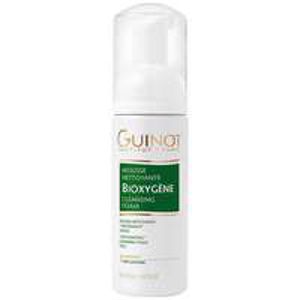
In skincare, anhydrous serums and balms skip water and need fewer preservatives. Look for squalane, ceramides, and lipid blends. Store them tightly closed to protect texture. You’ll get mileage without a bulky bottle. For cleansers, you can consider powder formats in the Foam & Wash Cleansers category when you want a lighter footprint.
Sunscreen remains the exception. Stick formats feel handy, but they often miss even coverage. For broad UV protection, choose lotions or gels and apply a full dose. Water resistance and UVA coverage matter more than format here. Check our SPF Protection Products page and add your top contenders to your wishlist. We’ll ping you when a sale hits.
For hair care, concentrates and bars demand a short learning curve. Start with products in the Moisturising & Nourishing Shampoos category, then match with a compatible bar or a liquid concentrate. Use a water-softening rinse if your city water runs hard. You’ll improve lather and reduce overuse.
Ingredient choices that balance skin health and planet
Sustainable claims mean little if a formula underperforms. You’ll just buy a replacement sooner. Focus on proven actives with stable delivery and reasonable sourcing footprints.
Niacinamide supports barrier function and helps tone. It plays well in serums and moisturizers. Retinol and retinal support texture and lines when you tolerate them. Stabilized vitamin C brightens and protects, but packaging makes or breaks it. Amber or opaque pumps protect sensitive formulas better than clear jars.
For emollients, sugarcane-derived squalane offers a strong balance of skin feel and sourcing. Shea and cocoa butters help very dry zones. Select lighter esters for humid climates. Look for glycerin and hyaluronic acid for water-binding without heavy occlusion. In winter, layer a ceramide cream from brands like Clinique or Shiseido to lock hydration.
Watch for marketing gloss on “clean” claims. Fragrance-free products suit sensitive skin, but they don’t guarantee sustainability. “Natural” doesn’t ensure low impact either. Botanical farming can demand land and water. Synthetic actives often deliver performance with tighter control and less resource strain. The winning move balances efficacy, dose, and format.
For sunscreen, broad-spectrum coverage matters most. Mineral filters can leave cast; newer tints and hybrids often fix that. Chemical filters feel elegant and disperse well. Choose a formula you’ll apply generously every day. That habit delivers the biggest win for skin health and long-term resource use.
Refill math: when the cartridge makes sense
Refills pay off only if you stick with one product. That seems obvious, but bathrooms across America say otherwise. Before you commit to a refill system, test the formula in mini or standard size. Make sure you love the finish, scent, and wear.
Once you commit, refills often undercut the full pack. Our price feed shows frequent promos on cartridges and pods during retailer events. Brands push refills to drive loyalty, so they discount them during Spring Savings, 21 Days of Beauty, and Black Friday. Add your shade or formula to your GlamGeek wishlist. We’ll alert you when the refill gets marked down at Sephora, Ulta, or Nordstrom.
Look at storage, too. If a brand sells refill pouches for shampoo or body wash, check cap quality and spout sealing. You want an easy pour with minimal mess. Some pouches also fit branded dispensers. That creates a closed loop at home without a clunky bottle stash.
Complex mechanisms can kill the value. Magnetic palettes, click-in cartridges, and hinged compacts need durable construction. Test hinges and magnets in store if you can. If the case breaks before the second refill, you lost the sustainability bet.
For fragrance, in-store refill fountains show up more often. Lancôme and luxury houses push refilling on hero scents at counters. You save glass and pumps, and you pay less than a full bottle in many cases. Call your local store to confirm which scents they support before you plan a refill trip.
Tools, brushes, and fixtures that reduce churn
Durable tools beat disposable anything. One high-quality brush set can last for years with proper washing. That saves handles, ferrules, and plastic sleeves from landfill. It also saves money after two or three sale cycles.
Choose cruelty-free synthetic bristles. Today’s fibers grip powder and hold liquids well. They dry faster than natural hair and resist breakage. Look for stable ferrules and balanced handles. Shop core sets from Morphe or Sephora Collection, then add specialist shapes when you see gaps. Compare sets on our Makeup Brushes & Applicators page and track prices across retailers.
Swappable palettes can also cut waste. Buy empty compacts and pop in refill pans for eyeshadow and blush. You control the color story and replace only the shades you finish. MAC supports pro-style refill pans and magnetized palettes. This approach trims packaging and curbs impulse buys of full palettes that sit untouched.
For hair, sturdy clips, combs, and a reliable heat tool reduce churn. Skip single-use hair masks in sachets and grab a tub or pump format. Then scoop weekly. Browse refill-friendly options in the Hair Masks category and add your pick to a wishlist before holiday promos hit.
Maintain your kit. Wash brushes weekly with a gentle cleanser. Air-dry with bristles down to protect glue beds. Unplug heat tools after use and store cords loosely coiled. Good habits extend lifespan, which beats any eco claim on a disposable.
Makeup and fragrance refills worth a look
Color categories now offer smart refills that look and feel premium. You no longer trade luxury for a greener pick. In many cases, the refill builds a curated setup that you love more.
Refillable lipsticks let you rotate finishes and shades without extra cases. Charlotte Tilbury and Guerlain lead here. You buy one case, then click in seasonal shades. That move halves packaging churn over time and drives a consistent look on your vanity.
Complexion compacts also make sense. Think bronzers, setting powders, and some foundations. Lock in your pan, then replace the core when you hit the metal. Check the Liquid Foundations category for refillable cushions from Asian brands that now sell in the US. Weight your case preference against refill cost, then pick your shade and set a price alert.
Fragrance started to catch up. Many brands now sell refill bottles with screw caps that pour into the original atomizer. Some counters also refill on-site with measured pumps. Ask about bottle compatibility to avoid spills. Keep the original cap and box to protect the sprayer during refills.
For nails, durable glass bottles already dominate. The smarter move lies in base and top coats that extend wear. You’ll paint less often and toss fewer polish bottles mid-dry. Small choices compound across a year.
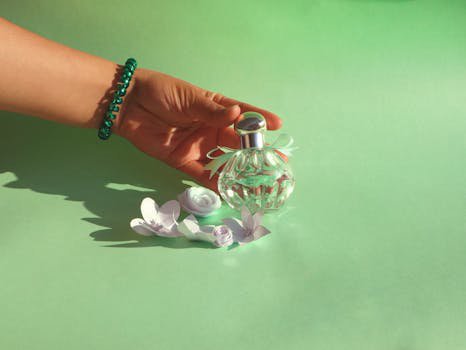
{{IMAGE:flatlay of refillable makeup compacts and lipsticks}}Smarter shopping: pricing, sets, and timing
Greener picks work best when you time purchases. Sales calendars recur like clockwork. Sephora Spring Savings lands in spring. Ulta 21 Days of Beauty pops twice a year. Black Friday and Memorial Day cut prices on sets, refills, and tools.
We track prices across Sephora, Ulta, Nordstrom, Target, Amazon, CVS, and Walgreens. Use our comparison on any product page. You’ll often see the same item swing across retailers in a single week. Add your picks to a GlamGeek wishlist and switch on alerts. We’ll nudge you when the price drops or when a set beats single-item math.
Gift sets can offer high value with lower packaging per ounce. Focus on core items, not ornaments. Skincare duos with a refill plus a standard jar often save the most. Makeup sets that include refill pans or standard pans in refillable cases also hit well. Browse practical Skin Care Sets and edit down to shades or formats you’ll use.
Minis help you test before a refill commitment. Don’t collect them aimlessly. Try one active at a time, track results, and finish the tube. Empty tubes show discipline and reduce clutter that leads to waste.
Buy from authorized sellers when you shop Amazon. Counterfeit products waste money and can risk skin health. Check brand storefronts or stick with major retailers in our feed. You’ll keep eligibility for returns and brand refills.
Recycling reality and take-back programs
Home recycling helps only when your bin accepts the material. Pumps, mirrors, magnets, and mixed plastics rarely make it through. Learn your city’s rules. Focus on bottles and jars that match local guidance. Rinse them before you toss them in the bin.
Store take-back programs bridge the gap. Some retailers accept empty beauty packaging that cities refuse. That route usually covers pumps, flexible tubes, and compacts. Ask about accepted items and drop-off limits before you bring a bag.
Brands now run mail-back options, too. Save a batch to reduce shipping impact. Flatten boxes and cap bottles. Remove mirrors and magnets when possible. If a brand sells a refill system, ask customer support about closed-loop returns for spent pods or pouches.
Better yet, design your routine to avoid the bin. Refill cases, reusable palettes, and large-format bottles solve most packaging stress. Recycling then becomes the last step for edge cases, not the main plan.
What this means for your routine and budget
Sustainable beauty in 2026 rewards consistency. Pick a refill system you love and stay loyal. Choose proven actives that you will finish. Stock core tools that last for years. Time purchases with retailer events and let alerts do the work.
Your routine should feel lighter and more organized. You’ll store fewer bottles and jars. You’ll buy fewer one-off launches. You’ll see lower spend per month after the first refill cycle. Our data supports that pattern across categories and retailers.
Start with one switch per month. Replace a daily cleanser with a larger format. Swap a lipstick to a refillable case. Add one durable brush set. Set three price alerts on GlamGeek. You will feel momentum within a season, not a year.
Skip products that sell a story more than a result. Avoid complex packaging that thrills for a week and breaks by month three. Pass on ingredient fads without strong dose and delivery. Your skin and budget both win when you filter noise with a steady plan.
Your next three moves
- Pick one refill system in color or skincare. Add your shade or formula to a GlamGeek wishlist and wait for a promo.
- Replace a high-use product with a larger bottle or a refill pouch. Check reviews and compare across retailers before you commit.
- Audit tools. Invest in a core brush set and a refillable palette. Visit our Eye Shadow Palettes page for refill-friendly options.
You don’t need perfection to make a dent. You need habits that stick. Build a routine you can repeat in any season and any sale cycle. That routine reduces waste, stress, and spend at the same time.
What switch do you want help with first: sunscreen you’ll use daily, a refillable lipstick you’ll finish, or a brush set that replaces five singles? Tell us what you’re comparing, and we’ll point you to the smartest price and format.