Our price tracker keeps surfacing the same pattern across Australia: the best dupes nail texture and wear, not just the shade or the bottle. The worst ones copy the vibe and skip the performance. That gap matters more in heat, humidity and high UV.
We pulled a fresh 2026 read on what delivers and what disappoints. We looked at formulas, applicators, filters, and the way products hold up in real Australian conditions. We also watched for the “Australia tax” that creeps in when a dupe only sells overseas and freight wipes out the saving.
Here is the short version. Some swaps are smart. Some cost you more in reapplication, rebuys and returns. We rate where to save and where to stick with the original.
Context: why dupes keep winning in Australia
GlamGeek has tracked beauty pricing since 2010. Over that time, new retailers, special editions, and import-only releases have multiplied. We now see overlapping launches across Mecca, Sephora Australia, Adore Beauty, Priceline, Chemist Warehouse and MYER, plus global drops that arrive on a delay. That bumpy release cadence feeds the hunt for substitutes.
Season drives it too. Long, bright summers and humid shoulder seasons test makeup and skincare. SPF 50+ counts as a daily staple, not a beach-day extra. Hair tools face 200–230°C settings. Mascara must resist sweat, sea spray and air-con. A dupe that passes in a cool studio elsewhere can fold fast here.
Social media only sped things up. In 2024 and 2025, dupe call-outs flooded feeds. Many pointed people to cheaper options that matched colour. Fewer matched wear time, transfer resistance or filter stability. The 2026 test tightens the brief: same look, same feel, similar lasting power, better price or access. If it misses on two of those, we bin it.
Across our merchant feed, we still see wide price swings during promos and after currency shifts. Before you switch to a dupe, check the current price spread on GlamGeek. Add products to your wishlist and we’ll ping you when a price drops. The savings often appear in cycles rather than as one-off unicorn deals.
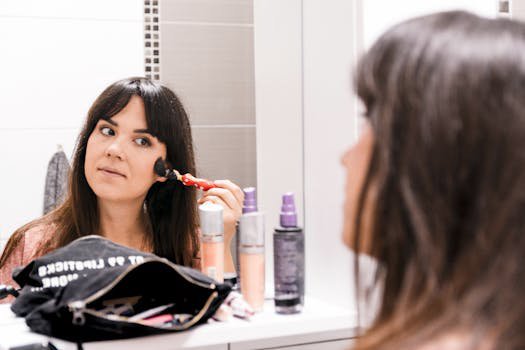
{{IMAGE:Australian woman applying makeup outdoors}}The rules of a smart Aussie dupe
We use five checks. Shade match. Texture match. Wear-time match. Ingredient parity where actives matter. And stock you can buy locally without customs or long delays. A swap can win on four and still fail if you can’t buy it without shipping drama.
Choose dupes in categories where formulas converge. Colour cosmetics often do. Primers, lipsticks, brow gels and many mascaras fit. Tools without regulated electronics can fit too, like brushes and sponges.
Avoid dupes in categories where regulation or tech sets the bar. Sunscreens sit under TGA rules. Heat tools hinge on motors, plates and safety cut-offs. High-dose actives need robust delivery systems. Spend smarter there.
Then test wear in your climate. In the Top End, you need humidity grip. In dry heat, you need flexible films that don’t crack. We flag formulas and techniques that cope with both.
Base makeup: when classics meet convincing copies
Foundations anchor the dupe debate. Many shoppers want an alternative to icons like Estée Lauder Double Wear. The common comparison pairs it with long-wear drugstore lines from L'Oréal. A good dupe locks down oil, resists transfer, and avoids flashback. It also needs a shade range that serves more than a narrow band of undertones.
We rate double-duty strategies. If you love a high-end base, try swapping the primer first. Silicone-rich grips from the Face Primers category can smooth skin so your existing medium-coverage base performs like a long-wear formula. In humid months, pair a hydrating base with a long-wear setting spray. You often beat a single heavy foundation by splitting the job.
Concealers produce some of the strongest dupes. Tarte Shape Tape set the template: high coverage, quick set. Budget lines chased it with thinner textures and sharp doe-foots. We see frequent wins from Revolution in the Liquid & Cream Concealers category. The coverage holds, the shade mapping runs broad, and the finish resists daytime creasing when you set the inner corner with a whisper of powder, not a bake.
Technique closes most gaps. In heat, apply less base and blend with a damp sponge, then lock the T-zone only. In cool weather, mix a drop of moisturiser into full-coverage formulas to reduce polka-dot pores. Always sanity-check the shade under sunlight. Store strip lights lie.
Mascara and eyeliner: where budget beats prestige
Mascaras deliver some of the clearest wins. We see regular swaps between Lancôme lift-and-separate wands and the curved brushes in L'Oréal. The trick sits in the brush, not just the ink. Look for flexible elastomer spikes for separation and a tapered tip for outer-corner lift. A similar brush often yields a similar lash map, even when the bottle changes.
Tubing mascaras shine in humidity. They form microtubes around lashes that come off with warm water. You skip raccoon eyes without heavy waterproof removers. If your favourite prestige pick smudges by lunch, try a tubing dupe from the Mascaras category. Check the removal method on the box. If it promises warm-water removal, you likely found tubing tech.
Liner dupes sit closer than you think. A felt tip with a rigid base draws bolder lines. A brush tip flexes and suits tightlining. Match tip style and ink flow, and your hand can repeat the same flick. If you struggle with transfer in heat, set pencil liner with a matching eyeshadow from the Eye Shadow Palettes category. Oils can’t break a set powder film as fast.
One pro move: curl well, then do one slow coat. The Shiseido curler shape suits many eye types and presses close to the root. A strong curl reduces the need for heavy coats, so cheaper mascaras don’t weigh lashes down.
Lips and cheeks: shade dupes that actually flatter
Brands milk the mythology of a signature nude. Charlotte Tilbury built a dynasty with Pillow Talk. The undertone sits neutral-rose with muted warmth. That rhythm shows up in many lines now. We see credible swaps from Revolution, Sephora Collection and even KIKO if you import. If you want a local buy, start in the Lipsticks category and filter by satin finish. That texture mirrors the original look without draining your lips.
Classic reds invite copycats. MAC Ruby Woo sets the matte benchmark. You can match that blue-red in many ranges. Focus on the finish. True mattes need prep. Buff with a soft cloth, place a clear balm, blot, then apply the red. A budget bullet can look premium with that three-step base. If you prefer comfort, slide to modern creams and use a lip liner to guard edges.
Sheer berries keep trending because they flatter. Clinique Almost Lipstick in Black Honey sparked a wave of transparent plums. You can find similar balmy tints in The Body Shop and Sephora Collection ranges. If the tint leans too brown, pair it with a pink gloss from the Lip Glosses category. The mix pulls it back to berry and suits warm-light skin tones better.
For blush, match the pigment load, not just the pan colour. Highly pigmented pans suit light taps and blend best with a duo-fibre brush. Sheer gels suit fingers. If your dupe looks patchy, change the tool. Brushes matter more than people give them credit for.
Skincare actives: where you can save (and where you shouldn’t)
Vitamin C dupes exist and work. Seek 8–15% L-ascorbic acid if your skin tolerates it. Or pick stable derivatives like 3-O-ethyl ascorbic acid for fewer stings. You can find strong options from Garnier, L'Oréal, and even Avon in the Anti Ageing Face Serums and Day Face Serums categories. Match form and percentage where the brand discloses it. Store in a cool spot and cap tight. Vitamin C hates heat and air.
Retinol needs more care. Encapsulation, buffer systems and supporting lipids decide whether a retinol feels elegant or harsh. Prestige lines from Clinique and Clarins often spend on that tech. Budget picks from L'Oréal and Avon have improved a lot. Start low and slow. Layer retinol after a light moisturiser if your skin feels tight. You can save here, but control the rollout.
Peptides and niacinamide travel well across price points. Many mid-range lines use similar suppliers for those actives. Shop texture and packaging. Airless pumps win. Jars invite air and fingers. If your moisturiser underwhelms, try adding a separate niacinamide serum underneath. Then you can keep your favourite cream, whether it sits in luxury or mass.
One warning: avoid fragrance dupes in your face cream. Brands sometimes mimic scent to suggest the same experience. Your skin can dislike perfume, even when your nose loves it. If you crave the ritual, keep scent in a body product instead.
SPF and the Australia factor: don’t skimp here
Sunscreen does the heavy lifting in Australia. High UV runs year-round. Sweaty commutes and outdoor lunches test film formers. Local TGA rules classify sunscreens as therapeutic goods. That bar protects you. It also means some overseas hits land here slower, or never at all.
We don’t rate SPF dupes that skip TGA registration. Look for broad-spectrum SPF 50+ from trusted lines. Shiseido pushes heat-stable, water-resistant tech. Some local pharmacy brands perform well too. If a K-beauty or US sunscreen tempts you online, check if it lists filters you can’t buy here. If it does, a local dupe won’t match the feel.
Layering helps. Use a light gel SPF, let it set, then apply a grip primer. Your makeup holds without chalk. Reapply with a spray or cushion if you spend long hours outside. You can explore strong options in our SPF Protection Products category and add top picks to your wishlist for promo alerts.
If budget bites, trim money from cleansers or toners before you trim from sunscreen. Swap in a solid drugstore gel wash from the Foam & Wash Cleansers category and spend the saving on a water-resistant SPF you enjoy using every day. The best sunscreen is the one you apply in the right amount.
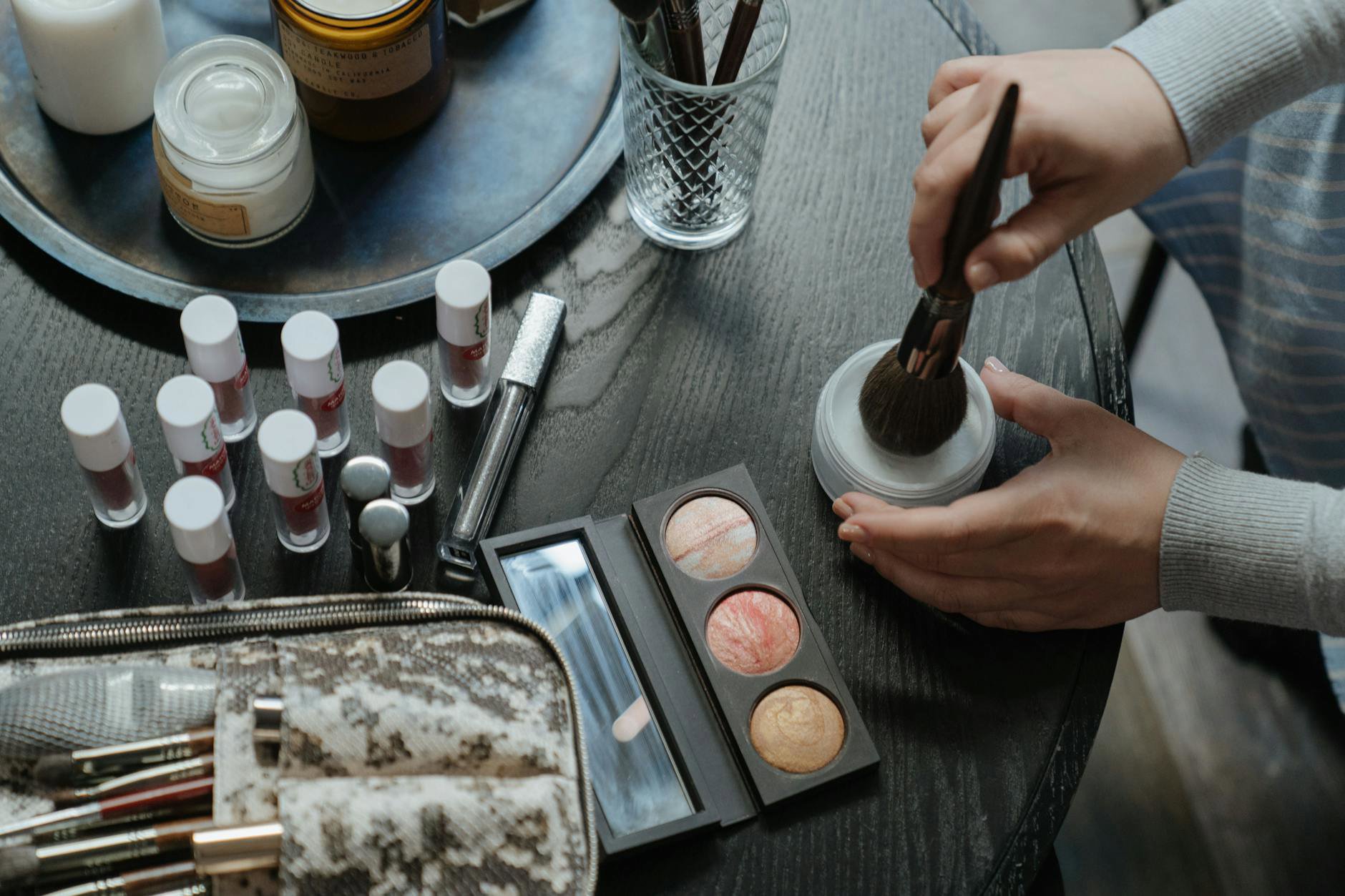
{{IMAGE:flatlay of Australian skincare and makeup dupes}}Hair care and tools: where tech and texture split
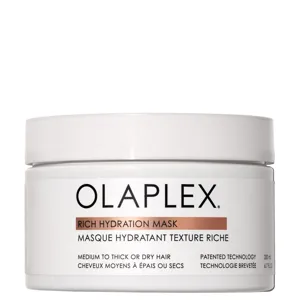
Hair masks and shampoos duplicate well. Look for amodimethicone for selective smoothing, ceramides for barrier support, and fatty alcohols for slip. You can find these in Garnier and pharmacy lines as well as salon picks like Kérastase. If your hair loves a premium mask, switch to a budget mask and pair it with a leave-in oil. Try masks from the Hair Masks category and match by texture: thick creams for coarse hair, lighter gels for fine hair.
Shampoos also dupe well. Moisturising blends with betaine or glycerin clean without stripping. If you colour hair, chase sulphate-free where possible. Our Moisturising & Nourishing Shampoos category surfaces many that deliver salon-like glide at mass prices.
Heat tools prove trickier. Motor power, airflow design, plate coating and safety cut-outs decide performance and longevity. A bargain dryer can work for short trips or a gym bag. For daily use, pay for a reliable motor and a cool-shot that actually sets the cuticle. Flat irons need even plates and temperature control. If a dupe pulls hair, return it. No saving offsets breakage.
We see frequent deals on pro tools at MYER and Adore Beauty during mid-year and Boxing Day sales. Add your targets to a GlamGeek wishlist and switch on price alerts. We track the dips so you can time the splurge.
Brushes and tools: smart switches that last
Makeup brushes offer rich dupe territory. Stable fibre tech and consistent ferrules matter more than logos. We like dense synthetics for cream blush and stippling duos for airy foundations. You can shop strong performers from Morphe and Sephora Collection without dulling your finish. The Makeup Brushes & Applicators category rounds up options by shape and price.
Sponges dupe well if they expand evenly when wet and don’t tear at first wash. If your sponge leaves pock marks, switch to a denser option. Always rinse with lukewarm water and a gentle wash. Hot water can harden foams.
If you paint detail work, buy one prestige brush where it counts. A razor-thin liner brush can change your wing in one sweep. Then fill the rest of the kit with reliable budget picks. That mix saves money while lifting results everywhere.
Brush care extends lifespan. Wash once a week, dry brushes flat, and avoid soaking ferrules. A budget brush can last years if you treat it like a tool, not a toy.
Fragrance: the honest truth on dupes and wear time
Perfume dupes keep selling. Many match the top notes. Fewer match the heart and base. That matters because that’s where an Eau de Parfum lives. Amber, woods and musks carry the dry-down. Cheaper blends often thin out there, so the scent fades before late afternoon.
If you love a specific accord, shop the note rather than the logo. If you crave a modern chypre, browse our Eau de Parfum Perfumes category and filter by patchouli or moss. If you prefer a light spritz for work, try the Eau de Toilette Perfumes category. Then layer a matching body lotion to increase cling without over-spraying.
Body mists and oils help a budget scent last. Line your pulse points with an unscented balm, then spray. The oil slows evaporation. You can also use a body product from The Body Shop as a scented base and top with a close-but-not-identical EDP for more dimension.
We still suggest you buy the original for complex luxury blends from houses like Guerlain. Dupes struggle with evolved musks and naturals that shift on warm skin. If you want that aura, watch our price tracker and pounce during brand-wide promos.
Eyeshadow and face palettes: copycats vs craftsmanship
Palettes supply both successes and traps. Colour stories copy well. Texture and payoff often don’t. You can score wins on mattes. Many budget mattes rival prestige once you use an eye base. Shimmers tell a different story. Micro-glitter and advanced pearls cost more. Budget shimmers can look chunky in bright sun.
Try this strategy. Mix a budget matte palette with one single pan shimmer from a favourite premium brand. That combo feeds the look without buying a full prestige palette. If you crave the all-in-one set, browse Eye Shadow Palettes and scan reviews for fallout and longevity. Our community often flags which palettes stay on in heat.
Face palettes with bronzer, blush and highlight also dupe well if you like a softer look. Sculpt powders tend to overstate warmth in cheaper sets. Go light and build. If you want a photo-polished highlight, prestige powders still win with finer grind and better binder balance. Use a fan brush for a natural sweep and stop short of the cheek core.
One note on imports: some viral palettes never reach local shelves. If you import, factor GST and delays. Use our price comparison to see if a local alternative narrows the gap enough to buy today instead of waiting weeks.
The skincare extras: masks, exfoliants and body care
Exfoliants dupe best when they disclose acids and percentages. Look for AHAs like lactic or mandelic for gentle smoothing. BHAs like salicylic target pores. Many budget options match prestige on these basics. Shop by need in our Face Exfoliants category and read the ingredient lists. If a brand hides the percentage, treat it as stronger and go slower.
Masks provide quick wins. Hydrating gels with glycerin, panthenol and hyaluronic acid perform across prices. Clay masks draw oil regardless of logo. If your skin lives in air-con, choose a barrier mask and skip fragrance. The Face Masks category shows plenty that soothe without splurging.
Body care offers easy savings. Drugstore body lotions with urea or shea butter relieve dryness as well as many luxury jars. Try the Body Lotions and Body Creams categories and filter by fragrance-free if you run sensitive. Keep the spend for SPF and targeted serums that change skin over time.
If you love spa scent rituals, explore ESPA for bath and body. Then balance those sensory buys with practical pharmacy staples. That blend keeps your routine both joyful and sensible.
Where to shop dupes in Australia, and how to time it
Local access changes a dupe from theory to practice. Mecca and Sephora Australia move prestige colour fastest. Priceline and Chemist Warehouse run sharp promotions on mass. Adore Beauty and MYER swing both ways, with frequent value sets. Some cult dupes remain import-only. Those bring shipping, delays and returns risk. We mark local stock on GlamGeek product pages whenever our feed confirms it.
Promotions arrive in waves. Beauty events, Boxing Day, EOFY and brand anniversaries anchor many of them. You don’t need to guess. Add products to your GlamGeek wishlist and switch on alerts. We track price changes across multiple retailers and nudge you when the drop lands.
Compare like for like. When you shop a dupe, check the unit size. A cheaper bottle can hide higher cost per millilitre. Our product pages list size, category and current offers so you can scan the real value, not just the sticker.
What this means for your 2026 beauty budget
Save on colour products that copy well: many mascaras, liners, lipsticks and blushes. Spend on sunscreen, heat tools and complex actives that need delivery systems. Mix tiers in one routine. Pair a budget mascara with a premium curler. Use a mass gel cleanser under a prestige retinol. That balance gives you polish without stress.
Use data, not hype. Scan reviews and ingredient lists. Check our price comparison before you switch. If you spot a shade dupe, toss it on your GlamGeek wishlist and wait for a sale. If you need better wear time today, buy the product that meets your climate and skin’s needs now. A good dupe saves money and time. A bad one costs both.
Final picks we’d buy, and a few we’d skip
Buy: tubing mascaras from mass brands that promise warm-water removal. They resist smudging in humidity and wash off clean. Pair them with a precise wand and a good curl tool like those from Shiseido.
Buy: concealer dupes that match coverage and set-time. We see reliable results from Revolution and pharmacy players in the Liquid & Cream Concealers category.
Buy: vitamin C serums from Garnier and L'Oréal when they disclose form and percentage. Store cool and finish the bottle within a few months.
Skip: unregistered sunscreen imports that promise a silkier feel. Your skin and wallet pay when the film breaks down under Australian sun. Shop the SPF Protection Products category for local picks.
Skip: bargain flat irons with uneven plates. Heat damage costs more than any saving. Wait for a sale on a trusted tool and set a price alert.
Skip: shimmer-heavy budget palettes if you want a refined lid look in direct sun. Buy one premium shimmer single and fill the rest of the look with mass mattes.
How to pressure-test a dupe at home
Do a split-face or split-eye test. Wear the original on one side and the dupe on the other. Check in three light settings: bathroom, daylight and office LEDs. Take a photo at lunch. You’ll see which one creases, fades or pills.
Check removal. A mascara that needs scrubbing eats lashes over time. An SPF that needs a ten-minute oil massage won’t suit busy mornings. If removal takes too long, the dupe fails your routine even if it looks close at 9am.
Track how you feel. If a product annoys you, you’ll skip it. The best dupe feels easy to reach for and use daily. That ease saves money because you finish bottles instead of letting them expire.
The bottom line
Australian conditions raise the bar. Some dupes clear it. Many don’t. Anchor decisions in wear time, texture and access. Spend on safety and performance where failure hurts. Save on colour and simple care where formulas converge.
We update product pages as stock and promos shift. Use GlamGeek to compare prices across major Australian retailers. Build a wishlist, set alerts and let the deals come to you. Your routine will look and feel premium without the stress spend.
Now to you: which Aussie dupe actually beat the original for you, and which one collapsed by lunchtime? Drop your hits and misses. We’ll add the best to our 2026 watchlist.
![Lumene Nordic-C [Valo] Glow Cream Spf30](https://media.glamgeek.com/media/2026/02/06/c0cef909-16ab-49f9-865e-278e63871493_sm.jpg)