Choosing the right hair mask comes down to one thing: match the conditioning treatment’s “job” to what your hair actually needs—moisture, strength, smoothing, or damage support.
Hair type matters (fine vs thick, straight vs curly), but so do porosity, chemical services, heat styling, and your climate. In Australia’s UV-heavy, often dry conditions (and humidity up north), the wrong pick can feel obvious fast: limp roots, crunchy ends, or frizz that returns the moment you step outside.
Below, we break down how to choose a conditioning treatment by hair profile, how to read key ingredients, and which options from our tracked list make the most sense for common concerns.
The basics: what a “hair mask” is really doing
In practice, most “hair masks” people search for sit in the same family as hair conditioning treatments: products designed to boost softness, manageability and resilience beyond what a rinse-out conditioner delivers. Some focus on surface smoothing. Others lean into strengthening for fragile hair.
Think in outcomes, not marketing. A conditioning treatment can help:
- Reduce dryness by improving lubrication and water-binding.
- Decrease frizz by smoothing the cuticle and improving slip.
- Improve the look of damage by reinforcing weakened areas and reducing breakage.
- Support curl definition by balancing hydration and lightweight film-formers.
It also helps to separate two ideas: moisture and strength. Moisture-focused formulas tend to use humectants and emollients. Strength-focused ones lean on proteins or bond-building actives. Plenty of treatments combine both, but they still usually skew one way.
And yes, technique changes results. Contact time, where you apply it, and how much water sits in your hair can decide whether a treatment feels lush or heavy.
Start with porosity: the fastest shortcut to the right formula
If you only pick one “hair science” concept to learn, choose porosity. It predicts how your hair absorbs water and product, and how easily it loses them again.
Low porosity hair has a tighter cuticle. Water beads up, and rich treatments can sit on the surface. The common complaint: “Everything weighs my hair down.” With low porosity, you usually want lighter textures and shorter contact times, plus targeted application on ends.
High porosity hair has more gaps in the cuticle, often from bleach, colour, heat, or UV exposure. It absorbs quickly, then dries out quickly. High porosity often needs more frequent conditioning treatments and ingredients that help reinforce and smooth.
Two picks from our current conditioning treatment list map neatly to this:
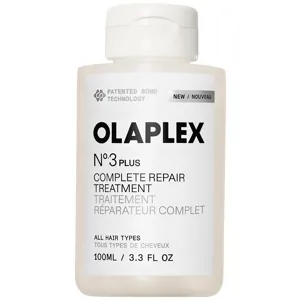
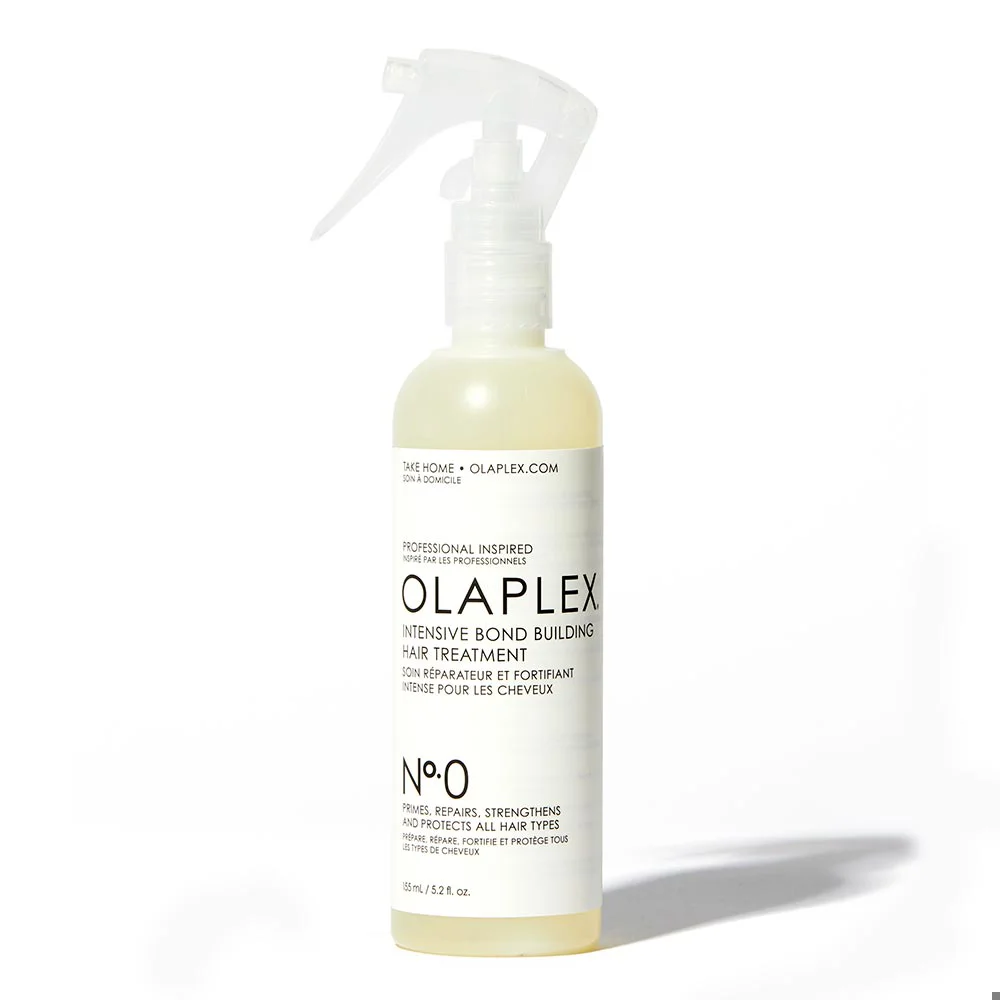
- Olaplex Hair Perfector No.3 (from A$42.12) suits high-porosity, stressed hair that needs strengthening support. The product description positions it to “strengthen and recondition dry, damaged and brittle hair” and to help maintain healthier-looking hair between salon visits.
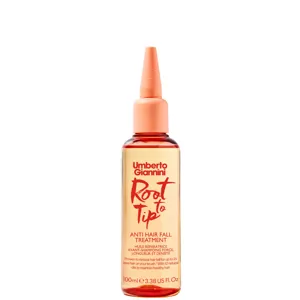
- Umberto Giannini Thirsty Curls De-Frizzer (from A$18.13) fits hair that wants hydration and frizz control without a greasy feel. It uses a Triple-hydrating Complex featuring wheat proteins, hyaluronic acid, snow mushroom and black oat extract, and it targets waves, curls and coils.
One more practical rule: if your hair dries fast and still feels rough, treat it like high porosity even if you never bleached it. Sun, salt water and heat tools can push hair in that direction, especially in Australian summers.
Choose by hair density and strand thickness (fine, medium, thick)
Hair “type” gets discussed as straight vs curly, but strand thickness and overall density often decide whether a mask feels right.
Fine hair usually needs conditioning treatments that improve slip and softness without leaving heavy residue. A common mismatch: applying a rich, oil-heavy treatment from roots to ends, then wondering why hair looks flat by lunchtime.
For fine hair, we’d keep it targeted and controlled. Use small amounts, stay off the scalp, and prioritise lightweight hydration and smoothing. Umberto Giannini Thirsty Curls De-Frizzer suits this approach because the brand positions it as lightweight and non-greasy, while still aiming to restore and de-frizz.
Thick hair (or dense hair) can handle more product and often benefits from richer conditioning, especially if it also runs dry. This is where oil and emollient-heavy formulas tend to feel worth it.
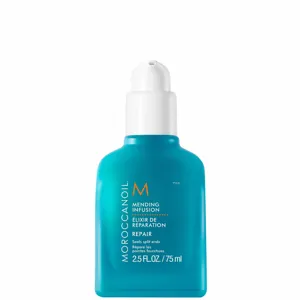
Moroccanoil a luxurious treatment that (from A$73.50) targets damaged hair and dry ends with conditioning ingredients including argan oil and baobab extract, plus hydrolysed quinoa. On thick, dry lengths, those richer conditioners often translate to better softness and shine.
Medium strands sit in the middle. Lucky. You can usually choose based on concern (frizz, breakage, dullness) more than texture alone.
Match the treatment to your main concern: dryness, frizz, breakage, damage
Most people don’t need ten different masks. They need one that matches the problem they keep trying to style around.
If dryness is the headline: look for humectants and conditioning agents that help hair hold onto water and feel pliable. In our list, Umberto Giannini Thirsty Curls De-Frizzer calls out hyaluronic acid and snow mushroom in its Triple-hydrating Complex. Those ingredients sit firmly in the hydration conversation, especially for curls that lose moisture quickly.
If frizz is the headline: frizz often spikes when hair lacks lubrication or when humidity swells the hair shaft. You want a treatment that improves slip and smoothness and doesn’t turn sticky in damp weather. Umberto Giannini’s “De-Frizzer” positioning makes it a logical pick for waves, curls and coils that need definition with less puff.
If breakage is the headline: hair can feel “soft” yet still snap. That usually points to weakened structure from chemical services, heat, or mechanical stress (tight ties, rough brushing). Olaplex Hair Perfector No.3 targets dry, damaged and brittle hair and uses the same active ingredient as the brand’s salon treatments No.1 and No.2, according to the product description. That makes it the most strength-leaning option in our current set.
If damage shows up as rough ends and dullness: you often need both smoothing and conditioning oils. Moroccanoil a luxurious treatment that focuses on nourishing and conditioning, “especially dry ends,” and it includes antioxidant-rich components like argan oil and baobab extract alongside hydrolysed quinoa. For many people, that combo reads as “shine and softness first.”
One sentence that saves money: don’t buy a frizz product when your real issue is breakage. Frizz can be a symptom of snapped, uneven fibres. Strength support comes first.
Ingredient decoding: what to look for (and what can mismatch)
Ingredient lists can feel like chemistry homework. We’d simplify it into three buckets: hydrators, strengtheners, and emollients. Most conditioning treatments blend all three, but the lead ingredients shape the feel.
Hydrators (water-binding): These help hair feel less dry and more flexible. In our tracked products, Umberto Giannini highlights hyaluronic acid and snow mushroom. Both sit in the hydration camp. They can suit curls and coils that need moisture without grease.
Strengtheners (reinforcing): Look for proteins and bond-supporting actives. Umberto Giannini includes wheat proteins in its Triple-hydrating Complex, which can help improve feel and reduce the “mushy” sensation some over-moisturised hair gets. Olaplex No.3 centres on its signature active (the description notes the same active as salon No.1 and No.2), and it positions itself for dry, damaged and brittle hair.
Emollients and oils (slip + shine): These improve lubrication, reduce roughness, and help ends look healthier. Moroccanoil’s treatment includes argan oil and baobab extract, which fits the classic “dry ends need richness” brief.
Common mismatches we see in reviews and retailer Q&As:
- Fine hair + rich oil treatment on the scalp = flatness and faster oiliness.
- High-porosity bleach damage + only lightweight hydrators = soft for a day, then rough again.
- Protein-sensitive hair + frequent protein-heavy use = stiffness and tangles. (If hair starts to feel rigid, reduce protein frequency.)
- Humidity-prone frizz + sticky over-layering = hair that feels coated.
Also watch the “more is more” trap. With conditioning treatments, the right placement beats the biggest scoop.
Hair type playbook: fine, thick, curly, colour-treated
Here’s the decision tree we’d use if you had 60 seconds in-store, staring at a shelf.
Fine hair (straight to wavy): Choose a lightweight conditioning treatment and keep application from mid-lengths down. Umberto Giannini Thirsty Curls De-Frizzer makes sense when frizz and flyaways bother you, because it aims for hydration with a non-greasy texture. If fine hair also shows breakage from heat styling, rotate in Olaplex Hair Perfector No.3 occasionally rather than piling on richer oils.
Thick hair (wavy to coily): If dryness concentrates at the ends, richer conditioning often pays off. Moroccanoil a luxurious treatment that targets dry ends and damaged hair with argan oil and baobab extract, and it aims to enhance softness and shine. Thick curls can also do well with Umberto Giannini when definition and frizz control matter more than high-shine richness.
Curly hair (waves, curls, coils): Curls need hydration plus slip, or detangling becomes a sport. Umberto Giannini positions its De-Frizzer to “visibly restore waves, curls and coils,” and its Triple-hydrating Complex fits curl needs nicely. If curls also show chemical damage (bleach, lightening, relaxing), add a strengthening step with Olaplex No.3.
Colour-treated hair: Colour can increase porosity and roughness even when hair still feels “healthy.” If you lighten hair, assume higher porosity. We’d prioritise Olaplex Hair Perfector No.3 as the core treatment, then choose either Moroccanoil for extra softness/shine or Umberto Giannini for frizz control and hydration, depending on your texture.
Shopping note for Australians: these brands often appear across major beauty retailers (think Mecca, Sephora Australia, Adore Beauty) and sometimes marketplace sellers. Our price tracking tends to show bigger swings online than in-store, so it can pay to compare before you commit. If you want to keep browsing within hair care, stick to the same treatment category so you don’t accidentally compare a rinse-out conditioner to a treatment.
How to choose based on how you actually style your hair
Your styling habits predict your best mask more than your curl pattern does.
Heat styling (straighteners, curling irons, hot brushes): Heat can drive dryness and breakage. If you see snapping or a persistent rough feel, Olaplex Hair Perfector No.3 fits the “strengthen and recondition” brief for brittle hair. Follow with a more conditioning-focused option when hair feels strong but thirsty.
Air-drying in humidity: If you live in northern humidity or your hair frizzes the second it starts drying, prioritise frizz control and lightweight hydration. Umberto Giannini Thirsty Curls De-Frizzer targets de-frizzing and curl restoration, and it includes hyaluronic acid and snow mushroom for hydration support.
Blow-drying for shine: If you chase smoothness and gloss, you often want emollients and oils that make ends look polished. Moroccanoil a luxurious treatment that centres argan oil and baobab extract and positions itself to enhance softness and shine while conditioning dry ends.
One more factor Australians shouldn’t ignore: UV exposure. Sun can roughen the cuticle and fade colour, which pushes hair toward dryness and frizz. Pairing a hydration-focused treatment (Umberto Giannini) with a strengthening one (Olaplex No.3) often makes more sense than just going heavier and heavier with oils.
Price, value, and where the “Australia tax” shows up
Hair treatments can vary wildly in price, and not always in a way that matches results for your hair type.
From our current tracked list, the entry points look like this:
- Umberto Giannini Thirsty Curls De-Frizzer — from A$18.13
- Olaplex Hair Perfector No.3 — from A$42.12
- Moroccanoil a luxurious treatment that — from A$73.50
We’d frame “value” as cost per useful result. If your hair needs bond-style strengthening support, a cheaper hydrator won’t replace it. If your hair only needs frizz control and hydration, paying premium pricing for a richer treatment can feel like the Australia tax in action.
Retailer availability shifts. Some shoppers default to Mecca or Sephora Australia for hair, while others check Priceline, Chemist Warehouse, or Adore Beauty depending on the brand. Our merchant feed often shows that online pricing moves more than shelf pricing, so it pays to cross-check before you restock.
And if you’ve come from browsing other categories on GlamGeek—like makeup or skin care—keep your comparisons apples-to-apples. A “treatment” behaves differently from products in neighbouring categories like Moisturising & Nourishing Conditioners or Moisturising & Nourishing Shampoos.
Practical tips: get better results from the mask you already own
Most “this didn’t work” stories come down to technique. Not the product.
Use this step-by-step the next time you apply a conditioning treatment:
- Rinse thoroughly first. Product works better when hair doesn’t hold leftover cleanser residue.
- Squeeze out water. Hair should feel damp, not dripping. Too much water dilutes the treatment and reduces slip.
- Apply where it counts. Mid-lengths to ends for most people. Keep it off the scalp unless the product specifically says otherwise.
- Comb through gently. Fingers or a wide-tooth comb helps distribute evenly and reduces “patchy” results.
- Time it. Start with 5–10 minutes. Increase only if hair still feels rough after consistent use.
- Rinse to your goal. Rinse more for fine hair. Leave a touch more for coarse, dry ends.
Two micro-adjustments that matter:
- Alternate, don’t stack. If you want both hydration and strengthening, rotate between Olaplex Hair Perfector No.3 and a conditioning-focused option like Moroccanoil a luxurious treatment that or Umberto Giannini Thirsty Curls De-Frizzer.
- Spot-treat ends. Dry ends often need a different approach than healthy roots. Treat them like a separate hair type.
Small. Boring. Effective.
Which hair type and concern are you choosing for right now—dryness, frizz, or breakage—and what’s your texture (fine, medium, thick)? We can point you to the most sensible pick from the three treatments above.
For more browsing across categories (without mixing product types), you can also explore Clinique, MAC or L'Oréal elsewhere on GlamGeek, then jump back into hair care when you’re ready to compare treatments.