Skincare tools have shifted from “nice-to-have” to mainstream in Australia, and the numbers back it.
The local chatter has moved past jade rollers and into serious device territory: LED masks, microcurrent, cleansing devices, and “primer” steps designed for tools. IndexBox’s Australia skincare tools market analysis (22 May 2026) signals the same direction we see in our merchant feed: more device listings, more accessory add-ons, and sharper promo cycles.
That matters because tools sit right at the intersection of beauty and budgeting. A single device can cost as much as a full routine, and Australian pricing often carries a noticeable premium. Buying the wrong one hurts.
Why skincare tools are having a moment (and why Australia drives it)
Australia rewards consistency. We deal with high UV year-round, hot dry summers in the south, and humidity spikes up north. That mix pushes women towards routines that hold up under sunscreen, sweat, and air-con.
Tools sell the promise of “more results with fewer steps”. Some of that marketing goes too far, but the category growth looks real. Across our merchant feed, tools increasingly sit next to “support” products: conductive gels, barrier-first cleansers, and primers that claim to boost slip or reduce irritation.
We also see a classic pattern: when devices trend, the add-ons trend harder. That includes Face Primers that double as grip layers, gentle Foam & Wash Cleansers for pre-tool cleansing, and value-driven Skin Care Sets that bundle “tool-friendly” basics.
Vogue’s Beauty Trend Tracker (22 May 2026) adds the cultural layer: tools now read as part of beauty identity, not just a derm-adjacent purchase. The risk? Impulse buys. Tools punish rushed decisions more than serums do.
Our stance: pick one tool category that matches your main concern, then build the rest of the routine to support it. Don’t stack devices and hope for the best.
LED masks: the category that’s growing up fast
LED has moved from clinic curiosity to at-home staple, and it keeps gaining shelf space. It also attracts the biggest price swings, especially when global retailers discount older models to clear stock.
This week’s standout in our tracker sits firmly in “investment” territory: Foreo Faq 201 Led Mask dropped from A$880.04 to A$572.03 (34% off) at lookfantastic. That’s the kind of discount that changes the value equation, even after you factor in Australia’s usual pricing premium on devices.
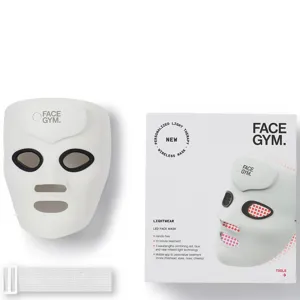
What LED can do well: support redness management, post-blemish marks, and general tone. What LED cannot do: replace sunscreen, erase deep laxity, or undo years of unprotected UV. Australian conditions make that last point non-negotiable. If you use LED and then skip SPF Protection Products, you burn money twice.
How to use LED without sabotaging your skin barrier:
- Cleanse gently, then start on dry skin unless your device brand specifies otherwise.
- Skip strong acids and retinoids right before sessions if you sensitise easily.
- Keep sessions consistent. LED tends to reward repetition over intensity.
- Pair with a plain, fragrance-light moisturiser after, especially in dry climates.
If you want a “support product” angle, the tool-adjacent category we watch is primers and slip layers. Foreo’s own Faq P1 Manuka Honey Primer sits at A$81.54, down from A$125.44 (34% off) at lookfantastic. We don’t love the idea of locking yourself into a branded add-on, but at least the discount makes experimentation less painful.
Microcurrent and “lifting” tools: what to expect (and what to ignore)
Microcurrent sits in a tricky spot. The results that photos suggest often come from lighting, posture, and makeup, not just the device. Still, many women like the “snatched” look microcurrent can create for short windows.
Here’s how we’d frame it: microcurrent works best as an event tool, not a miracle plan. If you want sustained change, you still need the boring pillars: sunscreen, a consistent moisturiser, and targeted actives in your Anti Ageing Face Serums category.
Technique matters more than brand hype. Microcurrent needs slip, slow passes, and a light hand. Most irritation stories come from tugging, dry-gliding, or overdoing frequency.
A simple microcurrent routine that suits Australian weather:
- Night routine works best if you wear heavy daytime sunscreen and makeup.
- Apply a conductive gel or a dedicated slip layer first.
- Work in sections: jawline, cheek, brow area. Keep contact consistent.
- Finish with moisturiser. If you feel tightness, add an occlusive layer on dry areas.
We’d also watch your expectations around “anti-ageing creams” headlines. News.com.au ran a 2026 round-up (7 May 2026), and these lists often blur moisturisers, treatment creams, and procedures into one promise. Tools don’t replace any of them. They just sit alongside them.
Cleansing devices: the underrated purchase (if you choose the right cleanser)
Not every tool needs to cost hundreds. Cleansing devices often deliver the most “felt” difference, especially if you wear long-wear base or sweat-resistant makeup.
The catch: your cleanser choice decides whether the tool helps or harms. Pair a device with a stripping wash and you can end up with tightness, flaking, and the exact texture you tried to fix. That’s why we like to see gentle, barrier-friendly formats leading tool routines.
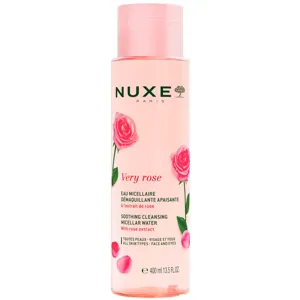
One of the best-priced, low-drama options in our feed this week supports that approach: Nuxe Very Rose Soothing Cleansing Micellar Water sits at A$15.68, down from A$26.46 (40% off) at lookfantastic. Micellar water won’t replace a full cleanse for everyone, but it can work as the first step when you want to minimise friction before a device cleanse.
A practical double-cleanse setup for tool users:
- First cleanse: micellar water or a cleansing oil to loosen sunscreen and base.
- Second cleanse: a gentle wash cleanser, then use your device lightly.
- Limit device time. More scrubbing rarely equals cleaner skin.
- Dry by patting, then moisturise immediately.
If you prefer oils, our tracker also shows Eve Lom Cleansing Oil at A$75.46, down from A$107.80 (30% off) at lookfantastic. That drop makes it more competitive against local premium cleansing oils, where the Australia tax often bites.
Body tools and smoothing: the “quiet” tool trend worth watching
Face devices dominate social feeds, but body care keeps building momentum. Cosmetics Business asked “Is the bath dead?” (15 Dec 2025) and spotlighted shower-based wellness. That lines up with what we see: women want fast, repeatable body routines that fit real life.
Body tools work best when they support a simple goal: smoother texture, fewer ingrowns, less visible roughness. You don’t need a complicated gadget for that. You need consistent exfoliation, moisturising, and a body wash that doesn’t leave skin squeaky.
This week’s value signal sits in a kit: First Aid Beauty Soft + Smooth Starter Kit – Body Bestsellers dropped from A$50.96 to A$30.58 (39% off) at lookfantastic. Kits like this often cost more per ml, but when the discount runs this deep, they become a smart “trial bundle” for women who want to commit to body smoothing without buying full sizes blind.
Cosmopolitan’s body lotion ingredient call-out (26 Mar 2026) points at a bigger truth: body care responds to a few proven ingredients. Think urea, lactic acid, glycerin, and ceramides. If your tool routine doesn’t include one of those families, you may not see much change.
Don’t over-tool your body, either. Dry brushing plus strong acids plus hot showers can tip into irritation fast, especially in Australian summer.
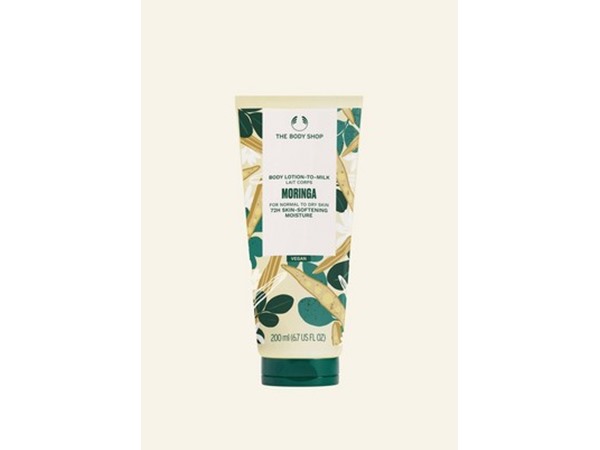
“Tool primers” and supporting skincare: where brands make their margin
Tools rarely stay a one-off purchase. Brands want the annuity: refills, gels, primers, and “post-device” serums. Some of those products make sense. Many exist because accessories sell well.
We treat this category like printer ink. Before you buy a device, check whether it locks you into branded consumables. If it does, only proceed if the device solves a problem you actually have.
This week’s pricing makes the conversation concrete. The Foreo Faq P1 Manuka Honey Primer sits at A$81.54 (was A$125.44) at lookfantastic. If you already own a compatible device, that drop might justify trying it. If you don’t, we’d avoid using a discounted add-on as a reason to buy the whole system.
For “post-tool” hydration, we prefer simple gel-creams that layer cleanly under sunscreen the next morning. Our tracker shows Lumene Nordic Hydra [Lähde] Water Gel at A$26.75, down from A$38.22 (30% off) at lookfantastic. Gel textures also suit humid climates, where heavy creams can feel sticky and encourage over-cleansing.
If you want to keep shopping local, look for comparable texture profiles at Mecca, Priceline, Adore Beauty, Sephora Australia, or MYER, then use GlamGeek to compare current pricing. We also see women pairing tool routines with classics from Clinique and Shiseido when they want low-fragrance, established formulas.
How to buy tools without overpaying: the GlamGeek checklist
Tools trigger FOMO, and retailers know it. The smartest buyers treat tools like electronics: price-check, wait for the right promo, and avoid paying full freight unless you need it now.
Across our price tracker, the most reliable savings appear when global retailers run category-wide discounts. That often beats local pricing, but you need to watch shipping, warranty terms, and plug compatibility where relevant. Australian stock at Mecca or Sephora Australia may cost more, but local returns can justify it for some women.
Our checklist before you hit “buy”:
- Define the problem. Redness? Congestion? Texture? Don’t buy a “trend”.
- Pick one tool. Stacking devices raises irritation risk and kills consistency.
- Budget for support products. A gentle cleanser and moisturiser matter more than a fancy add-on.
- Check price history. If a device regularly drops 30%+, waiting often pays.
- Plan your routine around SPF. Tools won’t cancel UV damage.
- Watch the Australia tax. When import discounts run deep, they can undercut local RRP by a lot.
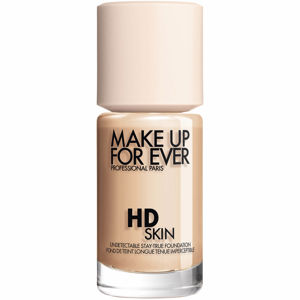
We also suggest sanity-checking your makeup routine if you buy tools for “glow”. A better base can create the look without any device. If you want that route, compare your staples in Liquid Foundations and application tools in Makeup Brushes & Applicators before you spend on hardware.
What this means for your routine (and your wallet) in 2026
Skincare tools will keep expanding in Australia, and not because women suddenly forgot how to apply moisturiser. Devices fit the 2026 mood: do more at home, compress steps, and spend where it shows.
The practical play: treat tools as “amplifiers”, not foundations. Your foundation stays the same: gentle cleansing, moisturising that matches your climate, and daily sunscreen. Then add one tool that targets your biggest complaint.
If you want to buy this week, the data points worth noting sit at lookfantastic: the Foreo Faq 201 Led Mask at A$572.03 (was A$880.04), the Nuxe Very Rose Soothing Cleansing Micellar Water at A$15.68 (was A$26.46), and the First Aid Beauty Soft + Smooth Starter Kit at A$30.58 (was A$50.96). Those are meaningful cuts, not token discounts.
If you don’t buy this week, that’s fine too. Track the categories, learn the promo rhythm, and wait for the next real dip. Tools reward patience as much as they reward consistency.
Which tool category tempts you most right now—LED, cleansing, microcurrent, or body smoothing—and what skin concern do you want it to solve?
![Lumene Nordic-C [Valo] Glow Cream Spf30](https://media.glamgeek.com/media/2026/02/06/c0cef909-16ab-49f9-865e-278e63871493_sm.jpg)