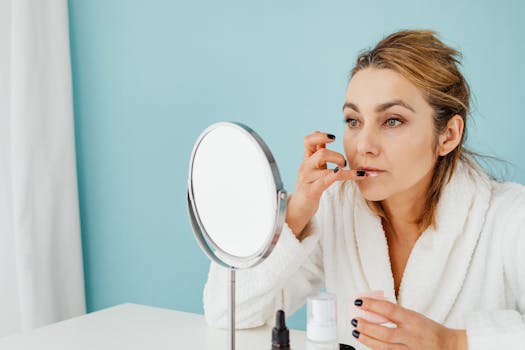
When an under-A$30 skincare range lands at Priceline chasing “glass skin”, the real story isn’t the trend.
It’s the maths: most “glow” routines fail because they stack too many actives too fast. In Australia, that usually collides with high UV, dehydrating air-con, and hot-cold weather swings that punish a stressed skin barrier.
We’ll commit to a take: you can get a glass-skin finish on a Priceline budget, but only if you treat it as a barrier-first routine with a controlled amount of exfoliation, plus daily SPF. Anything else turns into tightness, flaking, and breakouts that no dewy base can hide.
Glass skin isn’t “more product”. It’s less friction.
“Glass skin” gets marketed like a shopping list: cleanser, toner pads, essence, ampoule, serum, cream, sleeping mask, face oil.
That approach sells steps. It also raises your irritation odds, because every extra layer brings more preservatives, fragrance, surfactants, and potential conflicts between actives.
What actually creates that smooth, light-bouncing look?
- Even hydration distribution (water + humectants + an occlusive cap).
- Low surface roughness (gentle exfoliation, not daily sanding).
- Calm inflammation (less redness means more “clear” shine).
- Consistent SPF (UV makes texture and pigmentation worse, fast).
In Australian conditions, “less friction” matters in three places: cleansing (don’t strip), exfoliating (don’t overdo), and SPF (don’t skip). If a new budget range promises instant glass skin but leans on daily acids or heavily fragranced formulas, we’d treat it as optional, not essential.
The barrier-first routine we’d build from Priceline shelves
If you want the glow with minimal risk, build the routine like a sandwich: gentle cleanse, hydration, seal, then SPF in the morning.
Step 1: Cleanser that leaves skin comfortable. Look for a low-foam, fragrance-light wash. If your face feels squeaky, that isn’t “clean”; it’s stripped. Many women in Australia also double cleanse at night after water-resistant SPF. Keep the first cleanse oily/balm-like, and the second gentle.
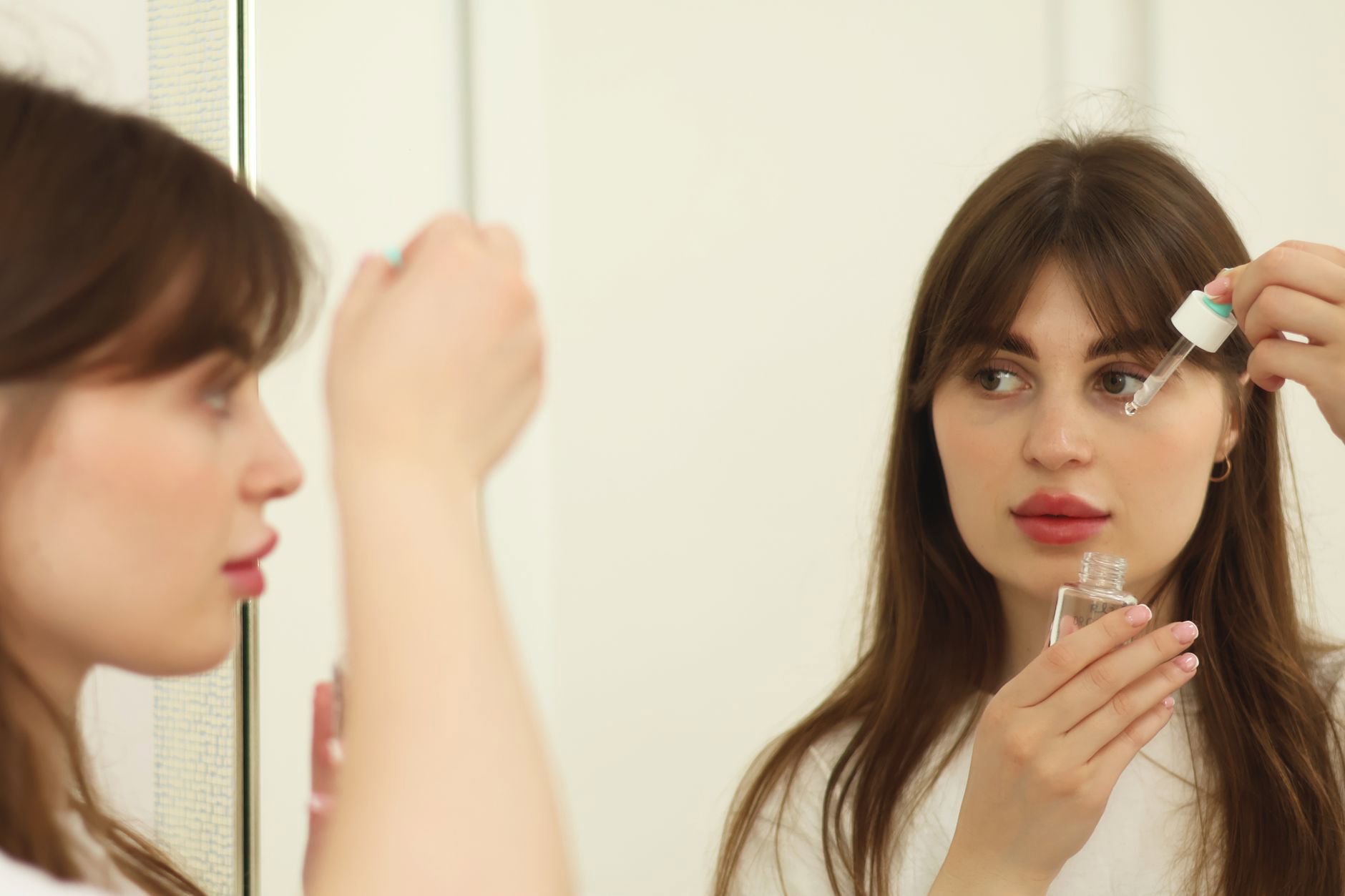
Step 2: One hydrating layer, not four. A single hydrating serum or essence-style toner can do the heavy lifting. Prioritise glycerin, hyaluronic acid, panthenol, and betaine. If you run humid (Brisbane summers), go lighter and let moisturiser do less. If you run dry (heated offices, Melbourne winter), add a richer moisturiser instead of piling on more watery steps.
Step 3: Moisturiser that seals without suffocating. “Glass” comes from a smooth top layer. Ceramides, cholesterol, fatty acids, squalane, and dimethicone help here. If you break out easily, you can still use a barrier moisturiser; just keep oils low and texture light.
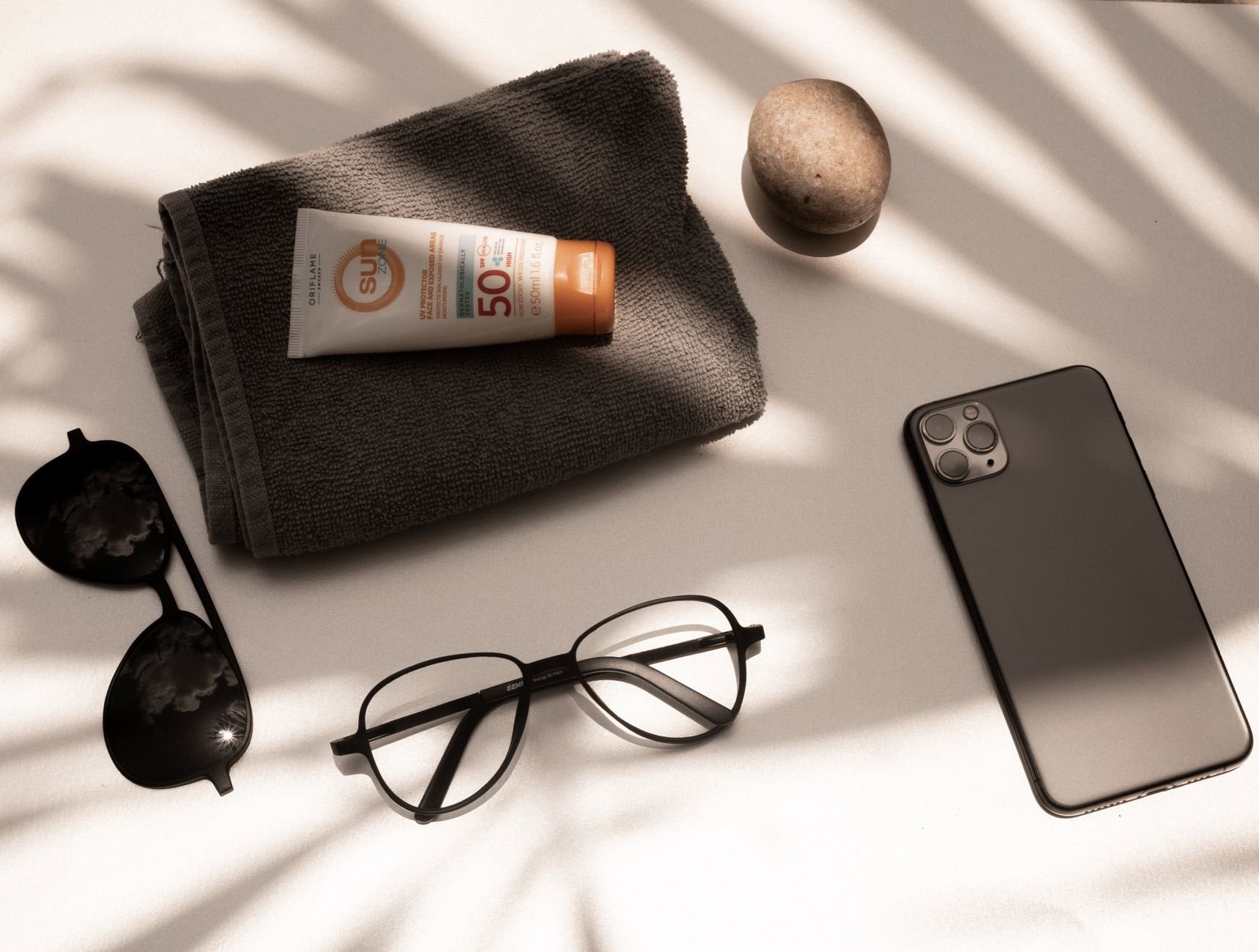
Step 4: SPF every single morning. This is the non-negotiable. A glowy routine without SPF becomes a pigment routine. In Australia’s UV, daily broad-spectrum SPF 50+ is the backbone of any brightening plan.
If you want to browse by type while you shop, Priceline-style routines map neatly to GlamGeek categories like SPF Protection Products, Foam & Wash Cleansers, and Day Face Moisturisers.
Ingredient truth: what “glow” actually comes from
Budget ranges often lean on the same small set of “glow” ingredients. That’s fine. The trick is knowing what each one can (and can’t) do, and how often to use it.
Niacinamide supports barrier function, helps with redness, and can reduce the look of uneven tone over time. It plays well with most routines. If a product tingles, it often isn’t the niacinamide; it’s the fragrance, alcohol, or a high percentage combined with other actives.
Vitamin C helps with brightness and antioxidant protection, but stability matters. L-ascorbic acid works well at the right pH, yet it can irritate. Derivatives tend to feel gentler but can act slower. If you already use a strong exfoliant, don’t add a strong vitamin C on top and expect calm skin.
AHAs (glycolic/lactic/mandelic) smooth texture by loosening dead skin. They also raise sun sensitivity. In Australia, that means you treat them like a controlled tool: 1–3 nights a week, then reassess. Daily AHA toners often overdeliver on sting and underdeliver on glow.
BHAs (salicylic acid) suit clogged pores and blackheads. They can fit a glass-skin routine, but they don’t need daily use for everyone. If you already feel dry, a leave-on BHA every night will usually make the “glow” look patchy.
Humectants (glycerin, hyaluronic acid) give quick plumpness, but only if you seal them in. In dry air, humectants without moisturiser can feel tight. That’s a common Australian winter complaint.
Occlusives (petrolatum, dimethicone) reduce water loss. They don’t “hydrate” by themselves, but they lock in what you’ve applied. A thin occlusive layer at night can make the biggest visible difference to morning smoothness.
How to exfoliate for glass skin without the “tween trap”
One of the loudest headlines right now focuses on younger girls overusing skincare. We’re not going to moralise, but we will call out the mechanism: over-exfoliation creates the exact texture you’re trying to erase.
For adult skin, the same rule applies. More acids rarely equals more glow. It often equals inflammation, and inflammation reflects light as “shine” in the worst way.
Here’s the exfoliation framework we’d use for a safe, grown-up glass-skin routine:
- Pick one exfoliant lane: AHA for surface roughness, BHA for congestion, or a gentle PHA if you react easily.
- Start at two nights a week for three weeks. No exceptions. Your skin needs time to show you the real response.
- Never pair exfoliant + retinoid on the same night when you’re chasing glow. Alternate nights instead.
- Sandwich with moisturiser if you sting: moisturiser → exfoliant → moisturiser. You lose a little potency and gain a lot of tolerance.
Also: skip physical scrubs if you already use chemical exfoliants. If you love the “polished” feel, use a soft face cloth once a week with a gentle cleanser. Keep it light. The goal is smoothness, not abrasion.
For women who want a curated serum approach, GlamGeek’s Day Face Serums listings make it easier to compare formats (watery vs gel vs oil-serum) before you buy.
SPF is the difference between glow and “why am I dull?”
Australian UV changes the glass-skin conversation. You can nail hydration and exfoliation and still look flat if UV keeps triggering pigmentation and roughness.
Two practical rules:
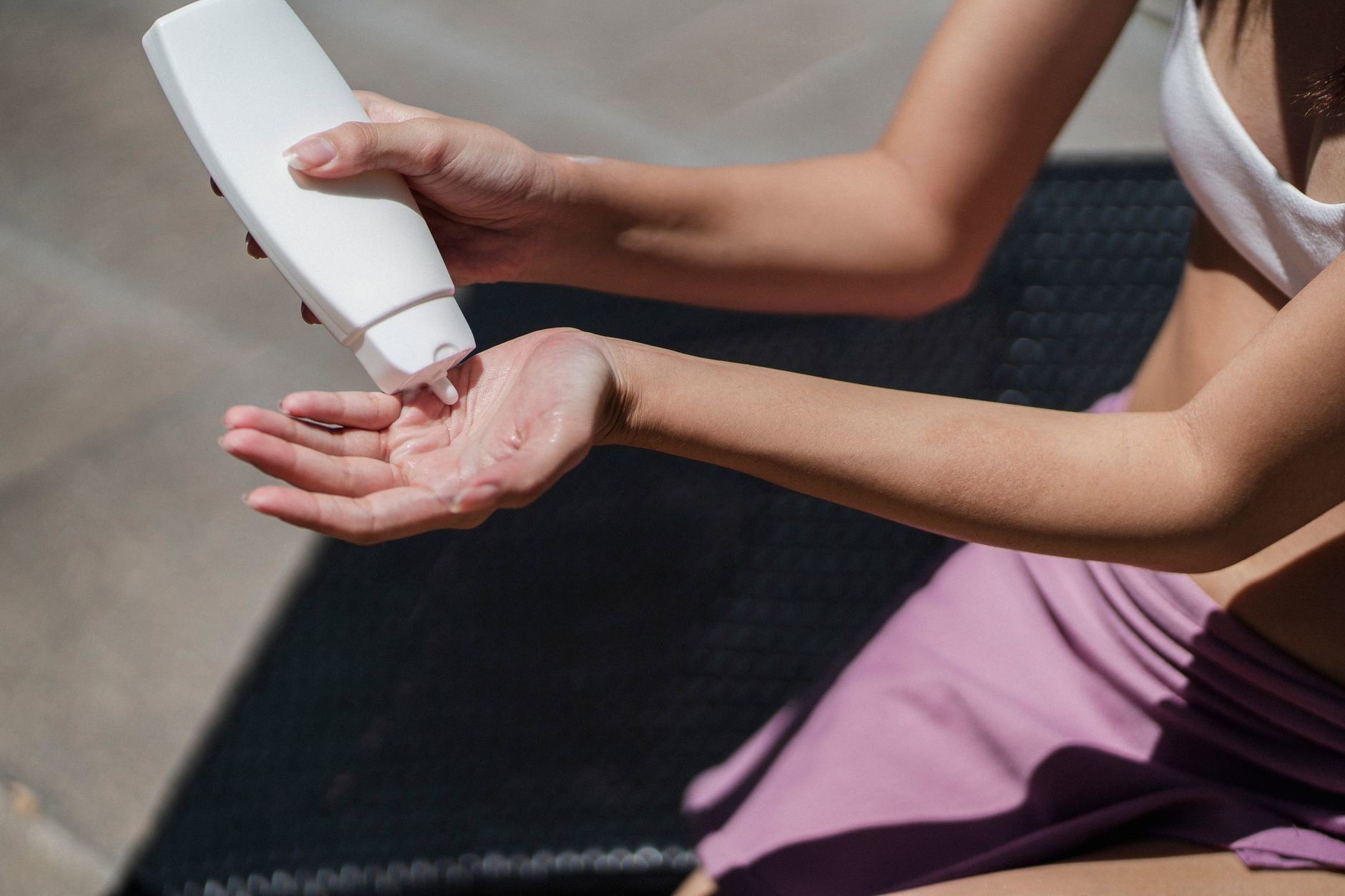
- Use enough. Most women under-apply. For face and neck, you want a generous two-finger length. If you hate that feel, change formula, not the amount.
- Reapply when it matters. If you commute, sit near windows, or eat lunch outdoors, reapplication pays off. A stick or cushion format can help over makeup, but it still needs a real layer to work.
If you chase a dewy finish, choose an SPF that dries with a natural sheen rather than one that sets down chalky. Many Korean and Japanese formulas nail this, but local availability varies. When they’re import-only, factor in shipping and returns.
For Australia-first shopping, Mecca and Sephora Australia carry plenty of cosmetically elegant SPFs, while Priceline and Chemist Warehouse own the value end. We’d rather see you wear a “basic” SPF 50+ daily than save your “nice one” for weekends.
One more thing: actives + SPF. If you run vitamin C in the morning, keep the rest calm. Cleanser, vitamin C, moisturiser, SPF. That’s it. Glass skin loves editing.
Makeup techniques that fake glass skin (without fighting your skincare)
Winter makeup headlines keep circling the same idea: simplify. We agree, but with a caveat. Simplify base layers, not protection.
If your skincare does the heavy lifting, makeup can stay light. Here’s the technique stack that works in Australian heat, office air-con, and humidity swings:
- Wait time matters. Give skincare 5–10 minutes to settle before makeup. Pilling ruins shine.
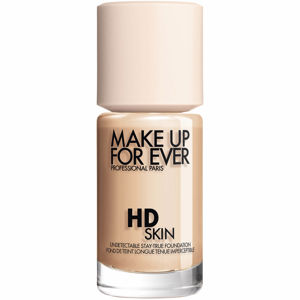
- Use thin layers. Swap full-coverage foundation for a light Liquid Foundation applied only where you need it, or mix a drop with moisturiser for a tint.
- Spot-conceal, don’t blanket. Use a small amount of Liquid & Cream Concealers on redness and pigmentation, then tap edges out.
- Choose cream textures. Cream blush and highlighter melt into that hydrated surface. Powder can work, but it needs restraint.
- Strategic setting. If you sweat, set only the centre of the face. Leave cheeks and high points unpowdered for reflection.
Tool choice changes the finish. A damp sponge gives the most “skin” result. A dense brush gives more coverage but can lift flaking patches. If you’re rebuilding your kit, compare shapes and fibre types in GlamGeek’s Makeup Brushes & Applicators section.
For “Aussie Girl Glam” style glow, we see brands like Charlotte Tilbury and MAC leading the shiny-but-polished look in Australia. You don’t need their whole routine. You need one glow step that doesn’t separate over SPF.
Budget beauty is booming (and Big W matters here)
Retail headlines about Big W expanding affordable beauty track with what we see across the market: more brands compete for the under-A$30 basket.
That competition helps women who want to trial textures and actives without committing to Mecca-level pricing. It also increases the odds of confusion, because every shelf screams “brightening”, “plumping”, and “glass”.
Here’s how we’d shop budget launches without getting played:
- Buy by function, not promise. One gentle cleanser, one hydrating serum, one moisturiser, one SPF. Then consider one active.
- Avoid stacking launches. When a whole range drops, it tempts you to buy a full set. Your skin rarely needs a matched wardrobe.
- Watch fragrance and essential oils. They don’t make glow. They make reactions more likely, especially when you add acids.
- Choose packaging that protects actives. Opaque, air-restricted packs suit vitamin C and retinoids better than clear jars.
If you love a polished glow on a tighter budget, Revolution and Sephora Collection often bring affordable base products and glow primers into Australia at prices that undercut prestige. We’d still build skincare first, then add one glow makeup product, not five.
Australia tax is real in prestige categories. When you feel it hardest, switch the spend: go cheaper on cleanser and moisturiser, and spend on a truly wearable SPF and a base product that sits well on top.
A simple 14-day plan to get the look (and keep it)
Trends come and go, but skin responds to consistency. A two-week plan gives you enough time to see if you’re heading towards smooth glow or irritation.
Days 1–7: calm and hydrate.
Morning: gentle cleanse (or just water if you wake up dry), hydrating layer, moisturiser if needed, SPF 50+.
Night: remove SPF/makeup thoroughly, gentle cleanse, moisturiser. Optional: a thin occlusive layer on dry zones.
Days 8–14: add one active.
Pick either an AHA (texture) or BHA (clogs). Use it on nights 8 and 11 only. Keep the rest the same. If your skin stays comfortable, add a third night in week three. If you sting or peel, stop and return to barrier basics.
Makeup on top: keep base sheer, use cream blush, and set only where you crease. If you get midday shine, blot first. Don’t add more powder until you’ve removed excess oil.
The point of the plan is control. You can’t troubleshoot a routine with seven new steps at once.
What this means for Australian women chasing glow in 2026
Budget “glass skin” ranges can deliver. They just don’t deliver through complexity. The most reliable glow in our climate comes from barrier support + daily SPF + measured exfoliation.
When you shop, treat claims like “instant glass” as marketing shorthand. Look for the boring fundamentals: glycerin, ceramides, panthenol, a sensible exfoliant schedule, and an SPF you will actually wear at the correct amount.
Also remember the order of operations: skincare creates the canvas, makeup edits it. If your base separates, the problem often sits under it (too many layers, not enough dry-down time, or a mismatched SPF finish).
Over to you
Are you trying the new under-A$30 Priceline glass-skin launches, or are you building glow from staples you already trust?
If you tell us your skin type (dry, combo, oily, sensitive) and your city’s climate (humid vs dry), we’ll suggest a tighter routine structure that fits Australian conditions.
![Lumene Nordic-C [Valo] Glow Cream Spf30](https://media.glamgeek.com/media/2026/02/06/c0cef909-16ab-49f9-865e-278e63871493_sm.jpg)