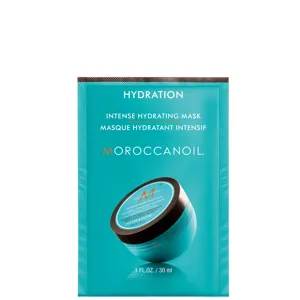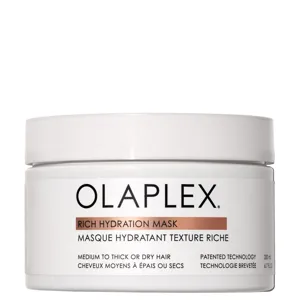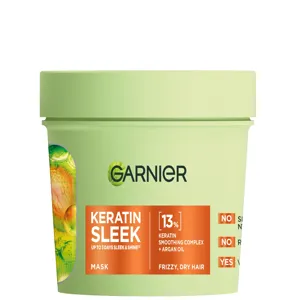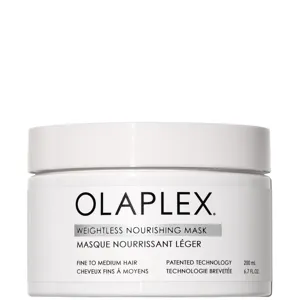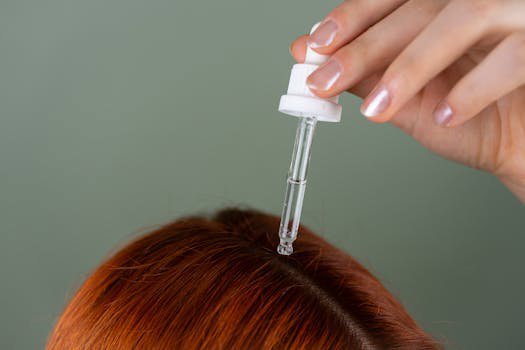
Our price tracker sees one hair mask trend year after year: the same jar can wow one woman and weigh down another. The difference rarely lies in technique alone. It starts with the formula and whether it suits your hair type.
Across our merchant feed, masks bounce on promotion more often than shampoos or conditioners. Salon tubs sit high, then drop during events. Mass-market pouches hit multi-buy deals at chemists. That volatility can help your budget, but only if you pick the right texture and ingredients first.
We map the market, not hype. This guide matches mask styles to hair needs, calls out key ingredients, and shares the small application tweaks that change results fast. We also point to where Aussies can buy smart across Mecca, Sephora Australia, Adore Beauty, MYER, Priceline and Chemist Warehouse.
Why hair masks work: moisture, protein and slip
Every good mask does three jobs. It softens with moisture. It strengthens with protein or bond-supporting actives. It adds slip so hair detangles without snapping. The right balance for your hair gives you shine and control. The wrong balance can cause flat roots, brittle ends or frizz that returns by lunchtime.
Most masks hinge on two backbone ingredients: a fatty alcohol and a cationic conditioning agent. You will often see cetearyl alcohol or cetyl alcohol high on the list. These are creamy emollients, not drying alcohols. They add softness. For the conditioning agent, look for behentrimonium chloride or stearalkonium chloride. They cling to hair, reduce static and improve manageability.
Then come the extras. Moisturising humectants like glycerin or hyaluronic acid draw water. Plant oils and butters seal that water in. Hydrolysed proteins and amino acids help patch weak spots. Silicones, especially amodimethicone or bis-aminopropyl dimethicone, add shine and frizz control without a heavy blanket feel when used well. A pH around 4 to 5.5 helps the cuticle lie flat and boosts gloss.
Scan labels with intent. You do not need every buzzword. You need the right few. Start with these pointers:
- Dry, thick, curly or coily hair usually loves richer oils and butters. Think shea, mango, cupuaçu, castor and avocado.
- Fine, flat or oily-prone hair performs best with lighter gel-cream textures, small proteins and light silicones.
- Coloured or blonde hair benefits from ceramides, antioxidants and, when needed, purple or blue pigments to tone brass.
- Damaged hair often needs hydrolysed proteins, amino acids, and bond-supporting tech, balanced with emollients.
Want to compare options fast? Head to our Hair Masks category, filter by concern, then add picks to your wishlist. We will ping you when prices drop.
Context: ingredients, pricing and the AU retail reality
We have tracked beauty prices since 2010. Masks move. Salon lines hold their RRP until site-wide sales or salon promos hit. Chemist stalwarts cycle through discounts and multi-buys. Department stores lean on gift-with-purchase. The same mask often lands at several price points across Australian retailers on any given week.
We also see the Australia tax on some imported salon jars. Global brands peg local RRPs higher than US or EU tags. Freight and duties play a role. It still stings. The upside? Local retailers run strong event calendars. Waiting a week or two can yield a better deal, and we flag those drops on product pages.
Climate drives need here. High UV, hot summers and coastal weekends stress hair. In the north, humidity swells cuticles and invites frizz. In the south and west, hard water and winter heaters pull moisture out. One jar will not suit every postcode or season. Match formula to both hair type and conditions, then adjust frequency.
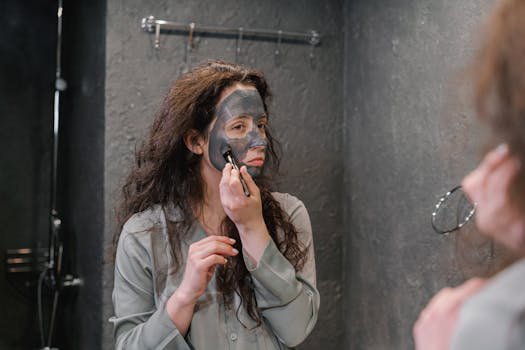
{{IMAGE:woman applying hair mask in bathroom}}Fine or oily-prone hair: condition without collapse
Fine hair drinks moisture, then sags under weight. Light gel-cream masks work best. They use small humectants and light film-formers for slip, not heavy occlusives. You win shine and detangle power without losing volume.
Look for these cues on a label:
- Light texture markers high in the list: water, propanediol, panthenol, glycerin, cetearyl alcohol in modest amounts.
- Light silicones: amodimethicone or bis-aminopropyl dimethicone. They target damaged spots and rinse cleaner than heavier dimethicones.
- Small-dose proteins: hydrolysed rice, silk or wheat. They add a touch of body when used sparingly.
- Avoid heavy butters and waxes near the top if your roots collapse easily.
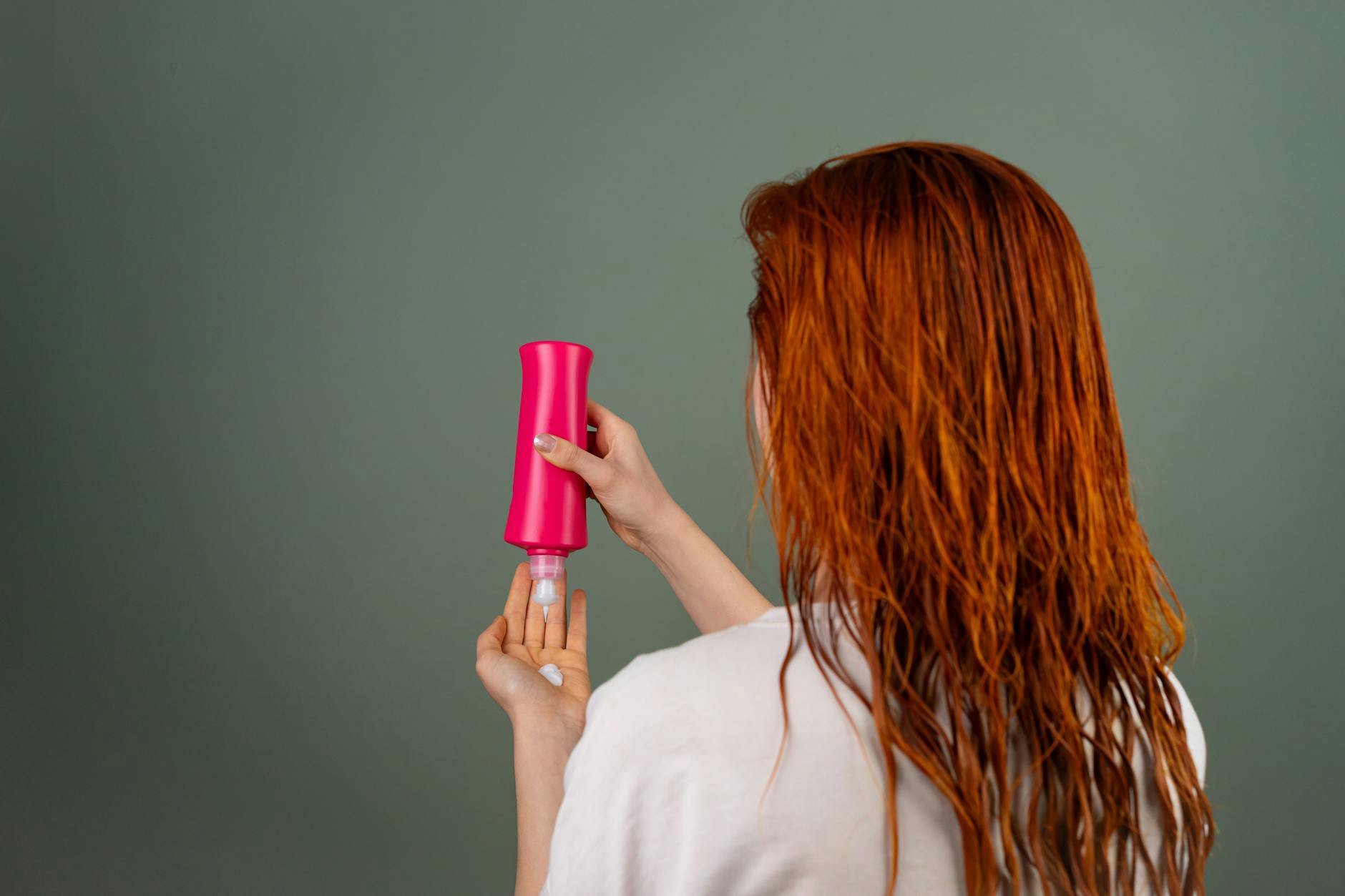
Application matters. Shampoo first. Squeeze out water so the mask does not dilute on contact. Start at the ears and work down. Use a pea more only to skim the canopy. Keep it off the scalp. Two to five minutes often suffices. Rinse thoroughly, then finish with a quick cool rinse to set shine.
Brands like L'Oréal and Sephora Collection carry featherweight masks and overnight caps. If you try an overnight sachet, keep it mid-lengths to ends and apply very sparingly. Many fine-haired women do best with a once-a-fortnight mask, plus a lighter daily conditioner in between. Our Moisturising & Nourishing Conditioners section helps you match that pairing.
Curly, coily or very dry hair: feed the fibre and maximise slip
Curly and coily hair thrives on oils, butters and water-binding humectants. It needs glide for detangling, and it needs moisture that lingers. Rich masks shine here. They seal, soften and help curls spring back. Your priority is a silky comb-through and strong frizz control that lasts through humidity.
Ingredients to love:
- Butters and oils: shea, mango, cupuaçu, castor, coconut, baobab and avocado. These cushion the curl and add weight where you want it.
- Humectants: glycerin, panthenol and aloe vera juice support hydration. Balance them with oils in humid climates to prevent puffiness.
- Conditioners with slip: behentrimonium chloride, cetrimonium chloride and polyquaterniums reduce friction fast.
- Small proteins as needed: hydrolysed keratin or silk to support curl strength without crisp ends. Use weekly, not daily.
Technique builds results. Detangle with a wide-tooth comb while the mask sits. Add a little water and scrunch to help it soak in. Use steam or a warm towel for extra penetration when hair feels rough. Rinse to a silky feel, then finish with a curl cream or a drop of oil if you need more seal.
Look to rich formulas from Kérastase Nutritive or Curl lines and the shea-based tubs from The Body Shop. Garnier Hair Food masks also suit many curls. They coat well without heavy waxy residue. If your curls reject protein, alternate a protein-free mask with a protein mask every second or third wash.
Colour-treated, blonde and grey hair: tone, seal and shield
Dye and bleach change hair structure. Cuticles lift, porosity rises and colour fades fast with UV and hot tools. Your mask should do three things. It should seal the cuticle, feed the lipid barrier and, if needed, neutralise brassy tones.
Key features to seek:
- Ceramides and cholesterol support the lipid layer. Look for ceramide NP and phytosphingosine. These help hold colour longer.
- Acidic pH and lactic or citric acid help close the cuticle. Shine improves and dye molecules last longer.
- Pigmented masks (purple for yellow brass, blue for orange brass) tone while conditioning. Use them sparingly to avoid over-toning.
- Antioxidants and UV filters help combat fade under the harsh Australian sun.
Apply a standard hydrating mask on most wash days. Slot in a purple or blue treatment only when brass creeps back. Leave purple masks on for fewer minutes than a regular mask until you learn your timing. Rinse until the water runs clear. If you see violet cling, reduce time next round.
Examples we see women shortlist often include Kérastase Blond Absolu Masque Ultra-Violet and L'Oréal Professionnel Serie Expert for repair. You will also find colour-care options from L'Oréal mass and pro ranges, and rich shielders from Kérastase. Keep a soft, sulfate-free shampoo in rotation so the mask can do the heavy lift. Our Moisturising & Nourishing Shampoos page helps you pick that partner.
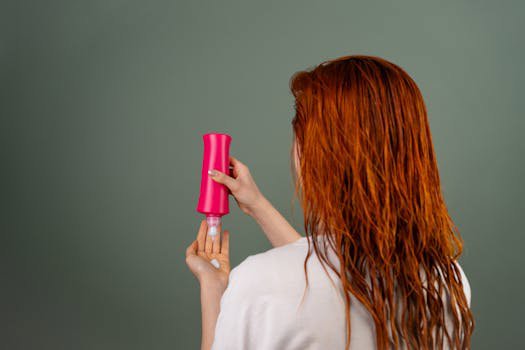
{{IMAGE:hair care products flatlay mask brush}}Heat-damaged and breakage-prone hair: strengthen smartly
Hot tools, frequent bleaching and sun can hollow hair. You need structure and softness at once. Load up only on protein without moisture and hair can feel straw-like. Load up only on oils and it bends, then snaps. Balance wins.
Scan for these repair signals:
- Hydrolysed proteins (keratin, silk, wheat) and amino acids (arginine, serine) to support weak spots.
- Ceramide NP, cholesterol and fatty alcohols to rebuild the lipid layer.
- Targeted silicones like amodimethicone for heat defence and smoothness without dull build-up.
- Bond-supporting tech that pairs with peroxide damage. Many salon masks include it, even if they avoid buzzwords.
Use a strengthening mask once a week, then rotate a moisture-heavy mask on the next wash. Keep tool temperatures moderate. Always apply a heat protectant before styling. Tubs in the repair lane include Kérastase Résistance, L'Oréal Professionnel Absolut Repair, and Sisley Hair Rituel Regenerating Hair Care Mask with Four Botanical Oils. Sisley sits at a luxe price tier. Check our tracker before you commit, or try a travel size first if you can.
Prefer J-beauty? Shiseido’s Sublimic and the Tsubaki Premium Repair Mask have a strong following, though the latter often arrives as an import. Stock can vary in Australia. If you want to try it, set an alert on the brand and check our Shiseido hub for local availability and promos.
Climate-aware masking in Australia: humidity, UV and salt
Weather changes hair behaviour. Humid air in Queensland and the Top End swells hair and invites frizz. Dry heat in the south can parch ends and flatten roots. Salt water and pools rough up cuticles and dull blonde tones. Adjust your mask to your week, not just your hair type.
Humidity strategy:
- Choose masks that balance humectants with sealers. Glycerin needs an oil or silicone partner in the tropics.
- Amodimethicone and lightweight oils help block puff without heavy roots.
- Finish with a silicone serum on the surface if frizz breaks through by midday.
Sun and water strategy:
- Use a chelating rinse or a clarifying wash after long beach or pool days. Look for EDTA or citric acid.
- Follow with a replenishing mask to replace lost lipids. Focus on mid-lengths to ends.
- Protect your part and scalp with SPF on high-UV days. Our SPF Protection Products page covers face and scalp-friendly textures.
Hard water strategy:
- Perth and Adelaide water runs harder than Sydney or Hobart. Mineral build-up can dull hair and block mask benefits.
- Use a clarifying shampoo weekly if you notice stiffness or a rough feel. Then mask right away.
- Pick masks with citric acid or EDTA in hard-water zones to help shift deposits over time.
Seasonal tweaks pay off. Swap to slightly lighter masks in summer if your roots swell. Pull richer textures in for winter heating and wind. Keep a pigment mask on standby if your blonde shifts brassy after a run of beach days.
Application and cadence: get more from less
Technique decides how a mask performs. A few small tweaks change the finish and the longevity of the result.
- Prep matters. Shampoo first to clear residue and open space for conditioning agents.
- Towel-blot hair. Waterlogged lengths dilute product and reduce grip.
- Work in sections. Apply from mid-lengths to ends. Comb with a wide-tooth comb to spread evenly.
- Time it right. Two to five minutes suits fine hair. Five to ten suits thick or coily textures. Follow the label as a guide.
- Add gentle heat for very dry hair. Use a warm towel or a heat cap on low for five minutes.
- Emulsify before you rinse. Add a little water and massage until milky. Then rinse until hair feels silky, not slimy.
- Finish cool. A brief cool rinse can help smooth the cuticle and boost shine.
Frequency depends on hair and climate. Fine or oily-prone hair often thrives on a mask every one to two weeks. Normal, wavy hair likes a weekly ritual. Curly, coily and very dry hair may take two sessions a week, especially in winter or after sun and swim. If your hair feels squeaky or rigid after a protein mask, space out protein and add a richer moisture mask next wash.
Patch test if your scalp runs sensitive. Keep masks off the scalp unless the label states scalp-safe. Fragrance-free options are rare but do exist. Browse brand pages like Kérastase, Garnier and Sephora Collection on GlamGeek, then filter reviews for scent mentions. Many reviewers call this out.
Buy smart in Australia: price swings, sizes and where to shop
Masks offer some of the best savings per wash when you shop well. You rarely need a palmful. Most women use a tablespoon at most for long hair. That means a 200 ml tub lasts. Stretch value with smart sizing and timing.
Here is how we shop the category based on our price data:
- Compare per-100 ml costs. Large salon tubs or pouches often win on value when discounts hit.
- Watch event calendars. Adore Beauty, MYER and Sephora Australia rotate tiered discounts. Priceline and Chemist Warehouse run deep chemist promos.
- Look for hair sets. Brands bundle masks with shampoos or minis around Mother’s Day, mid-year and Christmas. Our trackers flag these fast.
- Test with travel sizes before you buy big. Rich masks polarise. A mini can save your budget if the texture misses the mark.
- Use your GlamGeek wishlist. Add the mask you want and we will alert you when the price drops or stock returns.
Mass favourites like Garnier Hair Food and L'Oréal Elvive masks swing hard on deal weeks at chemists. Salon classics from Kérastase and repair-heavy lines from Sisley drop during site-wide sales or when retailers run brand events. We track prices across Mecca, Sephora Australia, Adore Beauty, MYER, Priceline and Chemist Warehouse so you do not need to refresh six tabs.
If you chase J-beauty imports, check our Shiseido hub. Stock can flick between local and parallel imports. Prices move with shipping costs. Our product pages show retailer links and recent movement so you can time a purchase.
What this means for your routine
Pick the category that fits your hair then scan for two or three ingredients that match your goal. Fine hair? Light silicones, small proteins and a short contact time. Curly or coily? Butters, oils and strong slip agents. Coloured or blonde? Acidic care, ceramides and pigmented masks only when brass appears. Damaged? Hydrolysed proteins balanced with ceramides and emollients.
Then match to your climate and schedule. Add a chelating step after surf days. Choose a slightly lighter mask during humid months. Keep a richer jar for winter or after a colour service. Save money by buying the size that suits your cadence and track prices with a GlamGeek wishlist.
Over to you
Which mask texture gives you the best hair day in our climate? Search the Hair Masks category, shortlist a few, and add them to your wishlist. We will send a heads-up when prices move so you can pounce at the right time.