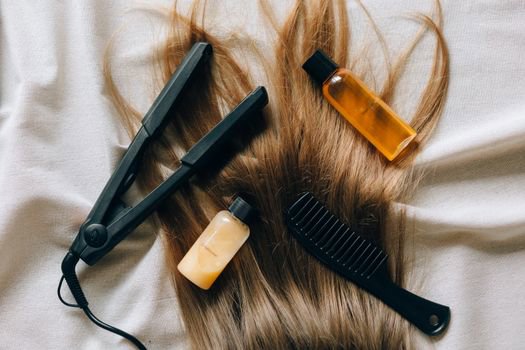
Our price tracker lights up every March. Hair masks climb the charts. Root-lifting sprays move faster. Search intent swings to a single complaint: flat hair that won’t hold a style. The Australian autumn flips humidity and heat in days, and the result shows at the crown.
One fix gains steam each season. K‑Hair routines. They swap heavy butters for watery essences, focus on scalp health, and deliver shine without the slump. The promise sounds good in Sydney, Brisbane, Perth and beyond. The question is always the same: does it work on low‑porosity hair, and can you actually buy the right products here?
Short answer: yes, if you go light, layer right, and shop smart. The data this week points to weightless conditioners, lamellar rinses, and root-targeted styling. We rate this approach for autumn in Australia because it respects our climate and retail reality.
Why Aussie autumn hair falls flat — and why K‑Hair helps
Early autumn brings drier air in the south and sticky storms in the north. You shift between hats, indoor heating, and damp commutes. Cuticles tighten in cool weather, so many conditioners sit on top and leave a film. That film can steal lift. Even hair that looked bouncy in January can collapse by April.
Across our merchant feed, lightweight “essence” treatments and lamellar waters trend up through April and May. Brands pitch them as shine boosters, but the real win is the texture. These liquids spread fast, rinse clean, and avoid the residue that drags fine or low‑porosity hair down. The K‑Hair playbook uses that style of formula across the routine, from scalp wash to finishing spray.
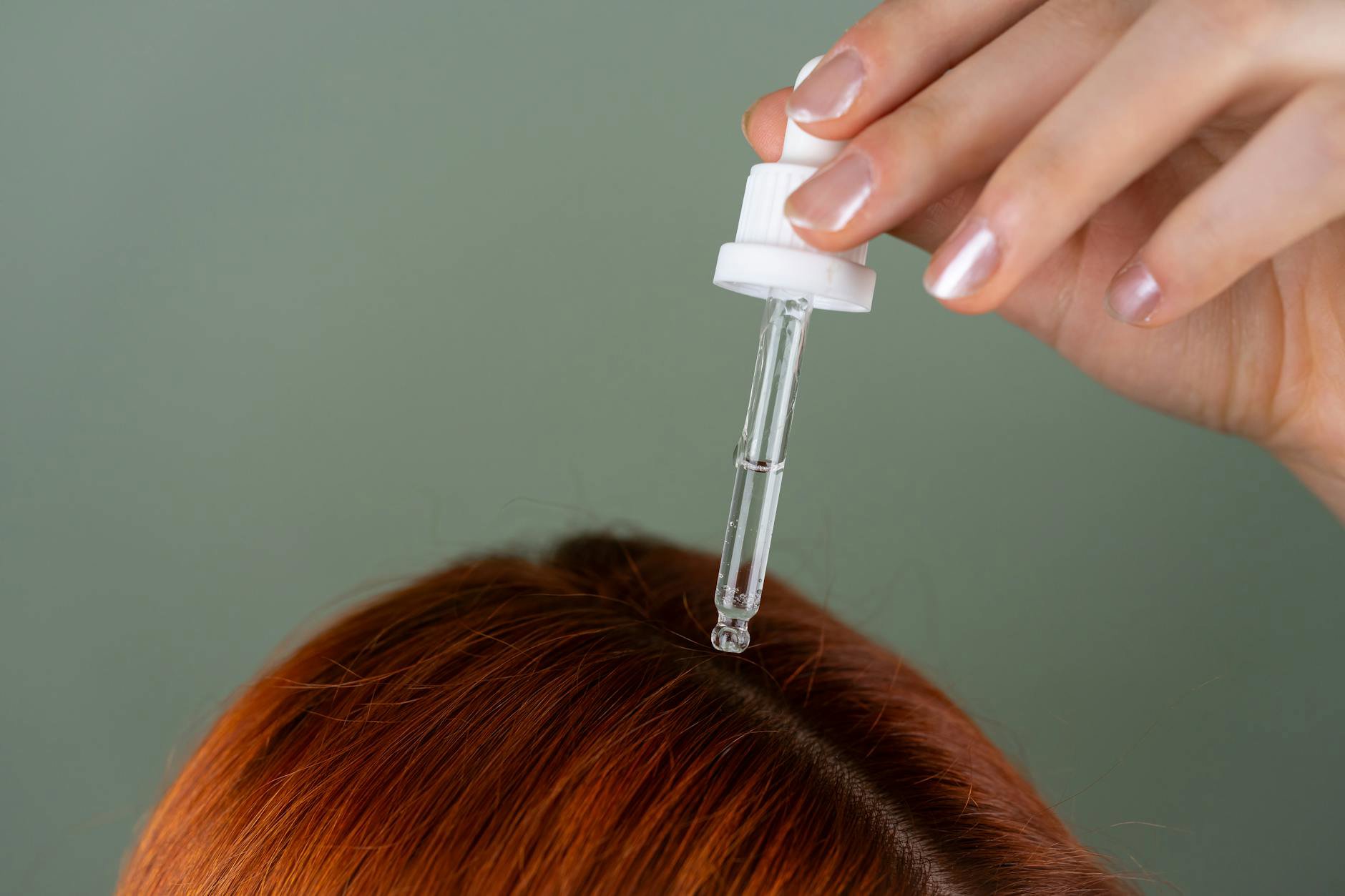
K‑Hair also treats the scalp like skin. Gentle exfoliation, light hydration, and calm roots equal better lift. This matters in Australia because UV stays high, sweat salts stack up after gym sessions, and mineral-rich water adds extra weight. A scalp-first cleanse fixes the base so volume products can actually work.
{{IMAGE:woman with airy shiny hair in autumn city}}Low‑porosity hair 101: autumn rules for more lift
Low‑porosity hair has tightly packed cuticles. Water beads and slides off. Rich creams struggle to penetrate and end up coating the surface. That coating can look glossy for a day and then turn limp. If your hair resists saturation in the shower, air-dries slowly, and feels producty fast, you likely sit in the low‑porosity camp. Many East Asian hair types fall here, and so do processed lengths that had protein-heavy colour services.
Autumn cools wash water and tightens cuticles more. You can help products sink in with two tweaks. Use warm (not hot) water for the first cleanse. Then choose smaller-molecule conditioners. Look for hydrolysed proteins (silk, keratin, wheat), amino acids, panthenol, and lightweight quats like behentrimonium chloride. These bind to hair without the waxy drag that butters and heavy oils can bring.
Clarify with care. A gentle reset once every 1–2 weeks helps if you use dry shampoo or silicone stylers. Try a chelating or clarifying wash before your mask when water feels hard or you swim. For everyday use, stick with light shampoos that cleanse the scalp but leave the mid-lengths smooth. You’ll find plenty under our Moisturising & Nourishing Shampoos category.
Keep oil to the ends. Low‑porosity hair often hates oils at the root, especially coconut, castor, and heavy seed blends. If you love shine, pick volatile silicone serums that flash off or a tiny pump of a light ester-based serum on very wet hair. A drop goes far.
K‑Hair principles for bounce: scalp care, light layers, smart film‑formers
Three ideas define the K‑Hair path to volume. First, clean the scalp without stripping. Second, hydrate hair with thin layers that absorb. Third, lock the style with airy hold, not glue.
Scalp-first: choose shampoos that lift residue and sweat salts while staying gentle. Low-level salicylic acid, piroctone olamine, or zinc help oily or flaky roots. Gluconolactone and lactobionic acid (PHAs) buff without harshness. Tea extracts and panthenol soothe. Aim the first shampoo at the scalp, rinse, and let the second pass kiss the lengths. If you colour, protect that mid-length with a little conditioner before you lather the top.
Light layers: treat hair like skin. Use a watery conditioner or lamellar rinse. Follow with a pea-sized cream or essence on the ends. Save heavier masks for mid-lengths only. Look for hydrolysed silk, keratin, rice, or collagen; ceramides; arginine; and cationic polymers like polyquaternium‑10 for slip without weight. Brands from Korea often label these as “essences” or “ampoules” for hair, which hints at the texture we want.
Smart film-formers: polymers decide if volume holds. VP/VA, PVP, pullulan, and acrylates copolymers give flexible hold and resist humidity. Amodimethicone targets damage and skips healthy areas, so it adds shine without blanket coating. That selectivity helps low‑porosity roots the most. Heat protection matters too. Look for ingredients like hydrolysed wheat protein PG‑propyl silanetriol or specific heat-protectant polymers.
Build a scalp‑first wash that doesn’t weigh hair down
This is the K‑Hair wash flow we rate for autumn. It keeps roots light and lengths smooth without the dreaded drop.
Step 1: Double cleanse the scalp. Use a light shampoo first to lift sweat and product. Rinse well. Go in again and focus on the crown and hairline. Keep lather off the last third of your lengths unless you need a full reset. Massage with pads of your fingers. Skip nails.
Step 2: Thin conditioning. Try lamellar rinses or low-viscosity conditioners. These spread in seconds and leave no film. Keep them off the root. Work from ear level down and comb with fingers. Rinse cooler to help seal the cuticle. You can browse lighter options under Moisturising & Nourishing Conditioners.
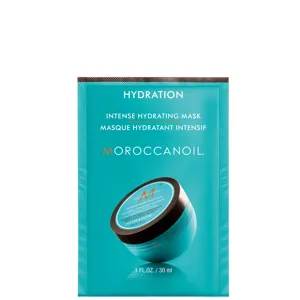
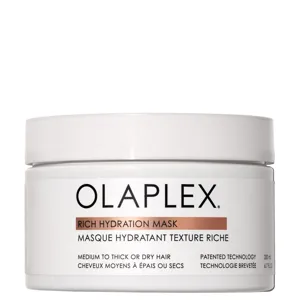
Step 3: Treat smart. If you need a mask, make it short and light. Three to five minutes beats thirty for low‑porosity hair. Mask from chin to ends only. The right texture lives in our Hair Masks section. Finer hair often prefers protein blends over rich butter creams.
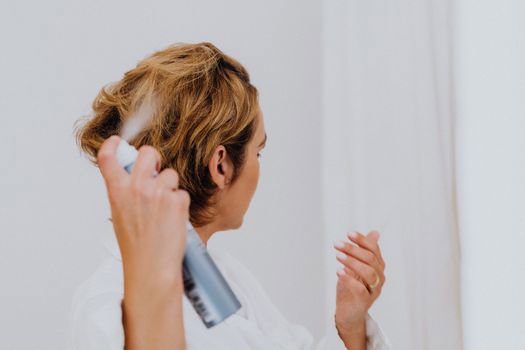
Step 4: Dry for lift. Blot with a T‑shirt or microfiber. Apply a root mist or volumising spray only to the crown. Keep creams and oils to the last third. Blow-dry with a vent brush and low to medium heat. Switch to a cool shot to set. Aim the air up at the roots, not down the shaft.
Lightweight masks that suit low‑porosity hair
Masks make or break autumn volume. The right one gives shine and strength without the slide. The wrong one gives a glassy finish at 8am and a collapsed crown by noon. We track strong performance for four styles of formula in Australia right now.
Hydrolysed protein gels: these feel like pudding, not butter. They use silk, keratin, or rice proteins at low levels for slip and light strength. They suit hair that tangles but hates oil. Fine to medium low‑porosity strands respond well. Use weekly.
Ceramide and amino blends: think skincare for hair. Ceramide NP, arginine, and panthenol fill tiny gaps and boost gloss without heft. These formulas calm frizz and enhance reflective shine. They suit coloured or heat‑styled hair that still needs volume at the crown. K‑Hair brands lean on this combo because it layers cleanly.
Lamellar waters: ultra-thin conditioners that act in seconds. They smooth the cuticle and boost shine with zero wait time. They suit anyone who wants a fast fix after the gym or between school runs. You’ll see strong local availability from lines by L'Oréal, which several chemists and supermarkets stock across Australia.
Fine-hair targeted masks: salon brands create “fine hair” versions with more protein and less oil. Look to Kérastase ranges that call out fine hair or volume. Stick to chin-to-end application and short contact time. If your hair collapses easily, treat every second wash rather than every wash.
Style it the K‑way: featherlight finish and long‑lasting lift
Styling decides if your washday work pays off. K‑Hair looks glossy and floating, not stiff. You get that through placement and texture more than product load.
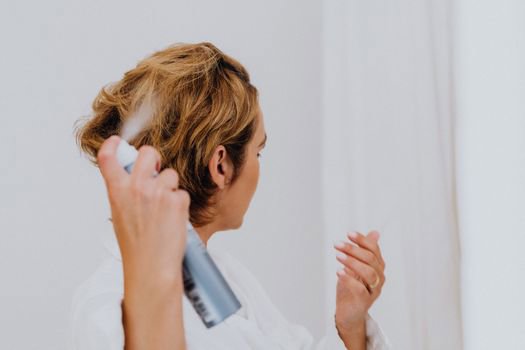
Start with a volumising mist at the root. Look for PVP or VP/VA copolymers near the top of the list. Keep application tight to the scalp. Comb through with fingers to avoid wetting the whole length. If you need frizz control, add a pea-sized leave-in cream to the ends only. Feel for slip and stop early. Low‑porosity hair shows no mercy when you over-apply.
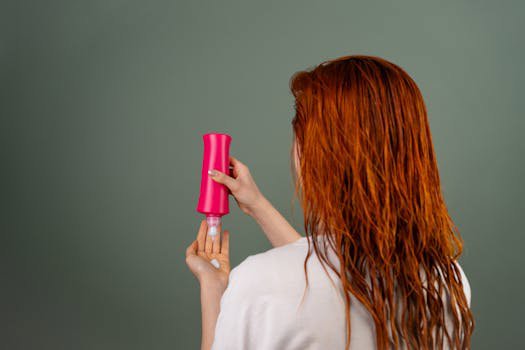
Blow-dry with a round or vent brush and medium heat. Lift sections at ninety degrees and aim airflow at the roots. Use a cool shot to set each section before you drop it. This simple set-and-cool move adds more wear to the finish than most volumising products do. For waves, clip S-bends while warm, then release once cool.
Skip heavy finishing oils at the crown. Use a dry finishing spray with flexible hold. Look for acrylates crosspolymers and pullulan for humidity resistance, especially in northern states. A misting of light hairspray under the top layer locks lift without visible product. If you want gloss, tap a drop of serum on the ends only. Keep it away from the root zone.
{{IMAGE:woman styling airy volume at the roots}}What you can actually buy in Australia — K‑Hair inspired and easy
Import-only launches tempt on social feeds. The checkout reality can sting, with long shipping and markups. We track broad local access to the textures that matter, even when the exact Korean SKU sits overseas.
Easy wins at chemists and supermarkets: lamellar waters and light conditioners from L'Oréal show up widely. Garnier’s lighter mask formats land in most stores too. You can compare formulas and reviews on our Garnier brand page and save your favourites. Add them to your wishlist and we’ll ping you when the price drops.
Salon counters and pro retail: look for fine-hair targeted masks and airy root mists. Kérastase stands out for light, glossy finishes. Our price feed shows frequent promotional activity across authorised retailers during big shopping weeks. It pays to check the GlamGeek comparison before you commit.
Asian beauty shops in Australia: you’ll find Korean hair essences and scalp tonics at specialty K‑beauty sites that ship locally. Some Korean lines, like watery hair ampoules and PHA scalp toners, rotate in and out. Our data shows sporadic stock and fast sell-through on viral SKUs. If you spot a light texture that fits your routine, consider a back-up when it hits discount.
Sephora Australia and MYER: both carry global brands that follow K‑Hair textures even without the K‑label. Think featherlight leave-ins, lamellar-like rinses, and flexible-hold finishers. Keep an eye on launches across those retailers, then cross-check our pages for reviews and price movement.
Three low‑porosity routines that beat autumn flatness
You don’t need a dozen products. You need the right textures in the right places. Here are three simple builds that match common autumn complaints.
1) Fine, low‑porosity, oily scalp
- Shampoo: use a gentle, scalp-focused formula. Double cleanse if you use dry shampoo. Keep the second pass short.
- Condition: lamellar rinse or very light conditioner from ear level down. Rinse cool.
- Treat: skip masks most washes. Use a hydrolysed-protein gel mask once a week on mid-lengths only.
- Style: root-lift spray at the crown; nothing creamy above ear level. Blow-dry with lift and cool-shot set. Finish with a flexible-hold hairspray under the top layer.
2) Medium density, low‑porosity, frizzy lengths
- Shampoo: gentle cleanse at the scalp. Protect mid-lengths with a whisper of conditioner before you lather if you colour. Rinse well.
- Condition: ceramide and amino blend from mid-lengths down. Comb through. Rinse cool.
- Treat: a light mask every second wash. Three to five minutes. Keep it off the root.
- Style: one pea of leave-in cream from chin to ends. Root mist only at the crown. Dry with a brush and cool set. Add a touch of shine serum to the last 5 cm only.
3) Curly, low‑porosity, wants volume without crunch
- Shampoo: gentle scalp cleanse. Avoid sulfate-heavy resets unless you have buildup. Use a reset only as needed.
- Condition: lightweight conditioner with slip. Rake through and then squish to condense water into the hair. Rinse cool.
- Treat: protein-light gel mask weekly. Keep contact brief. Focus on mid-lengths.
- Style: root foam or mist at the crown. Apply a light curl cream to the ends. Diffuse on low with head flipped until 80% dry. Finish with a light spray for hold. Scrunch out any cast once cool.
Save each routine as a shortlist on GlamGeek. Use the wishlist to track prices across our retail feed. We’ve seen the biggest swings on masks and styling sprays during seasonal promotions, so alerts help.
Ingredients that play nice with Aussie weather
Australia keeps UV high through autumn. Air swings from dry in the south to humid in the north. Choose ingredients that handle both.
For dry air days: panthenol, glycerin in low to mid levels, and amino acids hold moisture without stick. Ceramides and lightweight quats add slip. Hydrolysed proteins add structure, which helps volume hold. Use these in thin layers. Apply less than you think, then add more if you need it.
For humid spells: look for humidity-resistant film-formers. VP/VA and pullulan balance hold and movement. Finish with a light-hold hairspray or setting mist. A tiny touch of amodimethicone targets frizz without blanketing hair. Avoid heavy oils high on the list when humidity spikes. They can make hair look greasy faster.
For UV and colour: shield the part line and hairline with SPF you already use on your face. You can mist a little on the exposed scalp area. Keep it off the hair shaft if your SPF feels sticky. Our SPF Protection Products page helps you compare textures that suit this quick fix.
K‑Hair brands vs Aussie access: when to import, when to dupe
We love discovering a Korean scalp essence that costs less than a salon tonic. We also know freight and “Australia tax” can erase the saving. Our price tracker shows regular local discounts on lamellar rinses, airy masks, and flexible-hold sprays across major chains. That closes the gap with import-only buys more often than you’d think.
When to import: unique formats like PHA scalp toners or watery hair ampoules can be worth the postage if you crave that texture and can’t find a local equivalent. Buy from sellers with clear batch dates. Stock shifts fast, and some viral products spend months out of stock.
When to dupe locally: lamellar conditioners, hydrolysed-protein masks, and light root mists exist here already. Check our brand hubs for L'Oréal, Garnier, and Kérastase for easy-to-find swaps. Compare textures and filter reviews by hair type. Add contenders to your wishlist and let our alerts do the wait-work.
One note on availability: some Japanese staples appear at local counters. You’ll find options under Shiseido. Their haircare distribution in Australia shifts by season, so check stock before you plan a routine around a specific range.
Shopping smart in Australia: timing and price checks
Haircare deals cluster. Chemist Warehouse runs frequent weekly specials. Priceline holds big haircare events. Adore Beauty and Sephora Australia align offers to retail moments and loyalty cycles. MYER and department stores lift salon deals around holiday periods. We track these swings so you don’t have to.
Use GlamGeek as your base. Open the product page, compare retailers in one view, and read reviews from women with your hair type. Hit “add to wishlist” to set price alerts. You can build a K‑Hair-inspired routine with three to five products and wait for each piece to drop. This trims the “Australia tax” without sacrificing performance.
One last tip: buy smaller sizes first if you can. Low‑porosity hair can reject a texture fast. Test with minis or travel sizes where available. Keep receipts until you confirm the product plays well with your hair and weather.
What this means for your hair this season
Volume in autumn comes from restraint, not more product. Clean the scalp well. Condition with thin layers. Treat for minutes, not marathons. Style with targeted lift and a cool shot. Keep oils to the ends. These moves mirror K‑Hair logic and respect low‑porosity limits.
Shop formats, not fads. If you can’t find the exact Korean SKU, pick the texture match. Lamellar rinse. Hydrolysed-protein gel mask. Root mist with flexible polymers. Light finish spray. You can source all of that in Australia today, at chemists and salons, with fewer headaches and easier returns.
We’ll keep tracking prices across Mecca, Priceline, Chemist Warehouse, Adore Beauty, Sephora Australia, and MYER. If a viral K‑Hair essence lands locally, you’ll see it reflected on GlamGeek first. Until then, build the feel with what’s here and let autumn work for your style, not against it.
Tell us what you want stocked next
Which K‑Hair product has given you the best lift without weight? What textures do you wish you could grab at your local chemist? Open the product pages for your picks, add them to your wishlist, and we’ll flag price drops and new stock. If a brand or format feels missing from Australia, say so. We share that demand signal with our retail partners.
Flat hair doesn’t get to run autumn. You do. Build smart, shop light, and save your crown from the slump.
Browse more volume-friendly picks across Hair Masks and Moisturising & Nourishing Conditioners. If you plan on outdoor sport or long commutes, shortlist a couple of SPF Protection Products that work at the hairline too. We track prices so you can plan the routine, not the receipts.
For colour-safe makeup to match new-season hair, try a satin lip from MAC or a balm-gloss from Clarins. Save them to your wishlist alongside your hair picks and get one inbox ping, not five.
![Lumene Nordic-C [Valo] Glow Cream Spf30](https://media.glamgeek.com/media/2026/02/06/c0cef909-16ab-49f9-865e-278e63871493_sm.jpg)