
One clear signal sits behind this year’s “lazy girl hair” chatter: hair serums have stopped being an optional extra.
Between trend coverage pushing low-effort styling and market reporting that keeps flagging serum growth, the message feels blunt: women want fewer steps, but they still want glossy, controlled hair that survives real weather. Australian weather, especially.
We’re on board with the effort part. We’re sceptical of the marketing part. A “lazy” routine only works if you choose the right product type for your hair and apply it with intent.
Here’s the practical take we’ll commit to: a serum-first routine beats a product-pile routine for most women, most weeks. Not because serums fix everything, but because the right serum changes how your hair behaves between washes. That matters when you’re dealing with hot, dry days in the south, humidity up north, and UV year-round.
Across our merchant feed, hair serums also show up as one of the most price-volatile categories in hair care. They pop in and out of promos more than many shampoos and conditioners, which means smart timing can save real money. (When a product category promos often, paying full price should be a conscious decision.)
What “lazy girl hair” actually means (and what it doesn’t)
Most trend pieces describe “lazy girl hair” as air-drying, minimal heat, and a loose, touchable finish. That sounds simple, but it often hides the hard part: your hair still needs to look deliberate.
In Australia, the “minimal effort” promise breaks fast when your hair swells in humidity, gets staticky in dry air, or fades in the sun. So we define lazy girl hair differently: fewer steps, but higher-impact steps.
That’s why we like a serum-first approach. Serums sit at the intersection of friction control (less breakage), surface smoothing (more shine), and style support (less puff). They also layer easily with the rest of your routine, so you don’t need a complicated reset.
The marketing trap: brands often lump oils, serums, creams, and sprays into one “shine” bucket. They don’t behave the same way.
- True silicone serums (often dimethicone/amodimethicone) excel at slip, shine, and humidity buffering.
- Oil-serum hybrids add softness, but can slump fine hair if you overdo it.
- Leave-in creams moisturise more, but can feel heavier and reduce volume.
- Shine sprays look great for photos, but they don’t always reduce tangles or friction.
If your goal equals low-effort hair that still looks polished, you want the option with the best “behaviour change per second spent applying”. That usually points back to a well-formulated serum.
Serum science in plain English: what to look for on the label
Hair serums sound skincare-adjacent, but the mechanism matters. Most serums don’t “repair” hair in the way marketing implies. Hair fibre sits dead once it leaves the scalp. What serums can do is reduce damage, reduce water uptake, and reduce friction.
Those three effects stack. Less friction means fewer snapped ends. Less water uptake means less frizz. Less daily damage means your hair looks better for longer, even if you don’t style it much.
Here’s what actually moves the needle:
- Dimethicone: classic slip and shine. Great for detangling and heat buffering.
- Amodimethicone: a “smarter” silicone that tends to bind more to damaged areas, so it can feel lighter on healthier lengths.
- Polyquaterniums: conditioning polymers that reduce static and improve comb-through.
- Film formers (often in anti-humidity products): help resist puffing in coastal air.
- UV filters: helpful if you notice colour fade or dryness from sun exposure.
And here’s what we treat as “nice, not necessary” in a serum:
- Botanical oils: good for softness, but they don’t automatically equal better frizz control.
- Keratin claims: topical proteins can temporarily fill roughness, but they won’t rebuild bonds alone.
- Fragrance: pleasant, but it can be a deal-breaker for sensitive scalps.
- Luxury extracts: they rarely justify a big price jump without a strong base formula.
For Australian conditions, we lean toward serums that combine slip + light film-forming control. That mix tends to handle both dry heat and humidity swings better than oil-heavy blends.
The 3-step serum-first routine (damp hair, dry hair, day two)
Lazy routines fail when the application stays vague. A serum works because you apply a small amount in the right places, at the right time.
This is the serum-first structure we see women stick with, because it feels fast and it keeps hair predictable.
Step 1: Damp hair (the “set your week up” step)
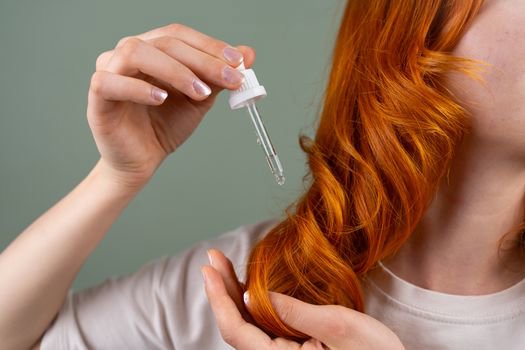
After washing, towel-dry until hair feels damp, not dripping. Dispense a small amount, warm it between palms, then rake through mid-lengths and ends. Avoid the first 5–8 cm from the scalp if you get oily quickly.
Comb through once. Then stop touching it. Hair looks frizzier when hands keep roughing up the cuticle.
Step 2: Dry hair (the “finish” step)
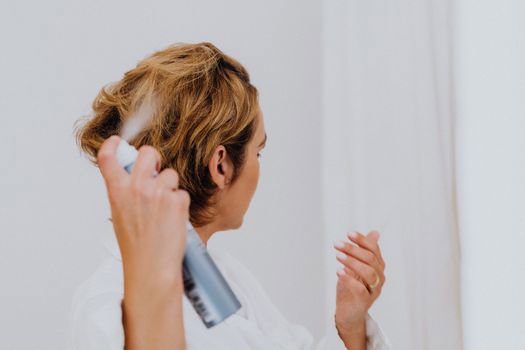
Once your hair dries, assess the surface. If the ends look fluffy, use a half-dose and press it onto the ends. Don’t rub; pressing keeps definition and avoids separating clumps.
If you use heat, apply serum before blow-drying, then a micro-amount after. Too much on dry hair can look greasy, especially on fine hair.
Step 3: Day two and three (the “don’t start over” step)
On non-wash days, re-wet only the pieces that misbehave: hairline frizz, ends, and the top layer around the crown. Add a tiny amount of serum, smooth, and let it air-dry.
This beats piling on dry shampoo + texture spray + hairspray, which often creates dull, crunchy hair by day three.
Want more structure without effort? Pair serum with the right tool category once, then keep it simple. If you’re shopping, it’s worth comparing prices on Makeup Brushes & Applicators separately from hair tools, because bundles rarely discount the exact tool you need.
Pick the right serum for your hair type (and Australian weather)
Serum choice should match your hair’s surface and density, not your “hair goals” mood board. Two women can want “shiny hair” and need totally different formulas.
Fine hair + flat roots: choose a lighter silicone serum or a very light hybrid. Use it only from ear level down. You want slip and shine without collapsing volume. If you also colour your hair, look for something with a lightweight protective feel rather than heavy oils.
Thick hair + frizz halo: choose a slightly richer serum with film-formers. Apply on damp hair in sections. This is where a “more controlled” finish matters more than airy volume.
Curly or wavy hair: treat serum as a sealant, not the main conditioner. Apply leave-in first (if you need it), then serum to lock in definition and reduce humidity swell. If you skip cream entirely, pick a serum that doesn’t feel too dry or alcoholy.
Bleached or high-lift colour: you want both slip and targeted conditioning. Amodimethicone tends to feel smoother on porous hair. Pair with a weekly mask (more on that below) so you don’t rely on serum alone.
High humidity (QLD/NT summer): prioritise anti-humidity film formers and controlled smoothing over “oiliness”. Oils can look great, but some blends still let hair swell. The goal is a surface that resists water uptake.
Dry heat (SA/WA/VIC summer days): look for slip, static control, and ends protection. Dry air plus friction equals split ends. A good serum reduces that daily abrasion.
Brand-wise, we see consistent interest in salon staples alongside premium lines stocked locally at Mecca and Sephora Australia. When you’re browsing, it’s also useful to compare brand ranges side-by-side on GlamGeek, especially for bigger portfolios like Kérastase where “serum” can mean several different textures.
Bond repair, masks, and shine sprays: where they fit (and where they don’t)
Winter haircare coverage keeps pushing masks, bond repair, and shine sprays as the solution to everything. Some of that holds up. Some of it sells extra steps.
We’d structure it like this: serum stays daily, masks stay weekly, bond repair stays targeted, and shine spray stays occasional.
Masks: use them when your hair feels rough or tangles easily, not just because it’s “mask day”. Look for conditioning agents (fatty alcohols, cationic conditioners) and, if your hair loves it, a modest amount of protein. Too much protein can make some hair feel stiff.
If you already own a good mask, keep it. If you’re shopping, check current prices in the Hair Masks category rather than chasing the newest launch.
Bond repair: these products target damage inside the fibre, but they still need consistent use. They also don’t replace conditioning. If your hair squeaks after a bond product, you still need a conditioner or mask to restore softness.
Bond products make the most sense for bleached hair, frequent heat styling, or chronic breakage. If your hair simply looks a bit dull, a serum plus a normal mask often gives better value.
Shine sprays: they can look glossy fast, but they often sit on the surface without improving comb-through. Use them for events, photos, or when you want a polished finish on an updo. Don’t rely on them to solve daily frizz.
Keratin treatments at home: the “Korean keratin” headline trend reflects a real demand for smoother hair without salon time. Still, many at-home smoothing systems depend on heat activation and careful instructions. If you want low-effort, you may hate the process. We’d choose a strong serum plus occasional heat styling over a complicated kit, unless you genuinely enjoy the ritual.
Fragrance meets hair: the scented hair trend (and the smarter alternative)
Fragrance headlines keep circling “olfactory soulmates” and the new wave of sweet-meets-savoury gourmands. That trend has bled into hair products too. Hair mists, scented serums, and fragranced shine sprays now sit everywhere from prestige counters to chemist shelves.
We get why. Hair holds scent well, and it projects when you move. But hair fragrance comes with trade-offs, especially in the Australian sun.
Here’s the concern: some fragranced hair products lean on alcohol for quick dry-down, and that can add dryness over time. Not always, but often enough that we treat “strong scent” as a feature that needs balancing with conditioning ingredients.
If you love fragrance and want it in your routine, a smarter approach usually looks like this:
- Keep your core serum focused on performance (slip, frizz control, heat support).
- Add scent via a dedicated hair mist, used lightly on the outer layer only.
- Or, mist your brush once, then brush through. Less product sits on ends.
- Save heavy gourmand notes for cooler evenings. They can feel cloying in humid heat.
For women building a fragrance wardrobe, it also helps to separate “daily hair scent” from “skin scent”. When you shop, use price comparison categories like Eau de Parfum Perfumes to see where the real discounts land, rather than paying extra for a small, heavily branded hair mist.

How to shop hair serums in Australia without overpaying
Australian beauty pricing can sting, and haircare rarely escapes the so-called Australia tax. The workaround isn’t hunting sketchy grey imports. It’s timing, retailer awareness, and knowing which category discounts most often.
Across our merchant feed, hair serums tend to fluctuate more than basics like shampoo. That means the same product can look “worth it” one week and overpriced the next.
We’d use these rules when buying:
- Decide your non-negotiable first: frizz control, heat help, or shine. Don’t shop “best seller” lists blindly.
- Compare retailers: Mecca and Sephora Australia often hold steady pricing, while Priceline and Chemist Warehouse promos can swing harder on mass brands.
- Watch for sets: a serum bundled in Skin Care Sets style value logic exists in hair too, but only buy sets if you’d use every item.
- Check size math: cost per 10 mL matters with serums, because you use tiny doses.
- Don’t “panic buy” launches: newness rarely equals better formula. It often equals full price.
- Be realistic about usage: if you wash twice a week, you don’t need a backup bottle yet.
If you like prestige haircare, track promo cycles rather than paying on impulse. If you prefer high-street, Priceline promos can make experimentation cheaper. And if you want to explore adjacent categories, we keep seeing women build a tighter routine by investing in one hero from Moisturising & Nourishing Shampoos and keeping styling minimal.
Common serum mistakes that make hair look worse
When women tell us “serums make my hair greasy”, the formula sometimes causes it. More often, the application does.
Fix the technique and you usually fix the result.
Mistake: applying at the scalp. Most serums belong on mid-lengths and ends. If you need scalp care, that’s a different product category entirely.
Mistake: using too much on dry hair. Dry hair application should look like a micro-dose, pressed onto ends. If your palms feel coated, you used too much.
Mistake: layering too many smoothing products. Serum + heavy leave-in + oil + shine spray often equals flat hair. Pick one main smoother, then one occasional finisher.
Mistake: skipping cleansing. Product build-up dulls shine and makes hair feel tacky. If you use a lot of silicone-based stylers, add an occasional deeper cleanse, then follow with conditioner.
Mistake: expecting serum to replace trims. Serums can disguise rough ends, but they won’t fuse split ends together. If your ends keep catching, it’s time for a trim, not a new bottle.
One more: don’t confuse “frizz” with “new growth”. If you have short regrowth around the hairline, aggressive smoothing can make it stick out more. Use a tiny amount, then hold it in place for a few seconds so it sets.
What this means for your routine (and your budget)
The headlines keep telling women to do less, buy smarter, and still look polished. Hair serums fit that brief when you treat them as a behaviour tool, not a shine accessory.
If you take one practical step from this: apply serum on damp hair, in sections, and stop touching your hair while it dries. That single change solves a surprising amount of “why is my hair puffy?” frustration.
Budget-wise, the serum-first routine also helps you avoid spending on five products that each kind-of work. Pick one serum that matches your hair type, then add one weekly mask if you need softness. Everything else becomes optional.
When you shop, compare across retailers, watch promo cycles, and don’t pay full price just because a product has trendy packaging.
Where does your hair routine fall apart right now—frizz, flat roots, dryness, or breakage? Tell us the hair type and the climate you’re in, and we’ll point you to the serum texture that usually works best.