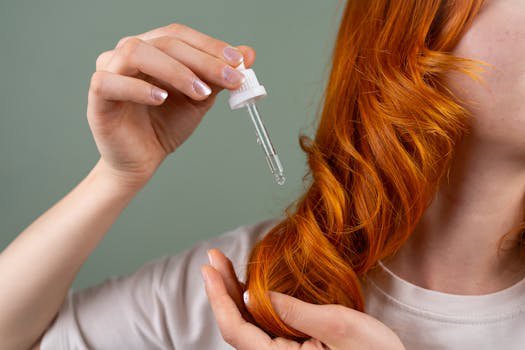
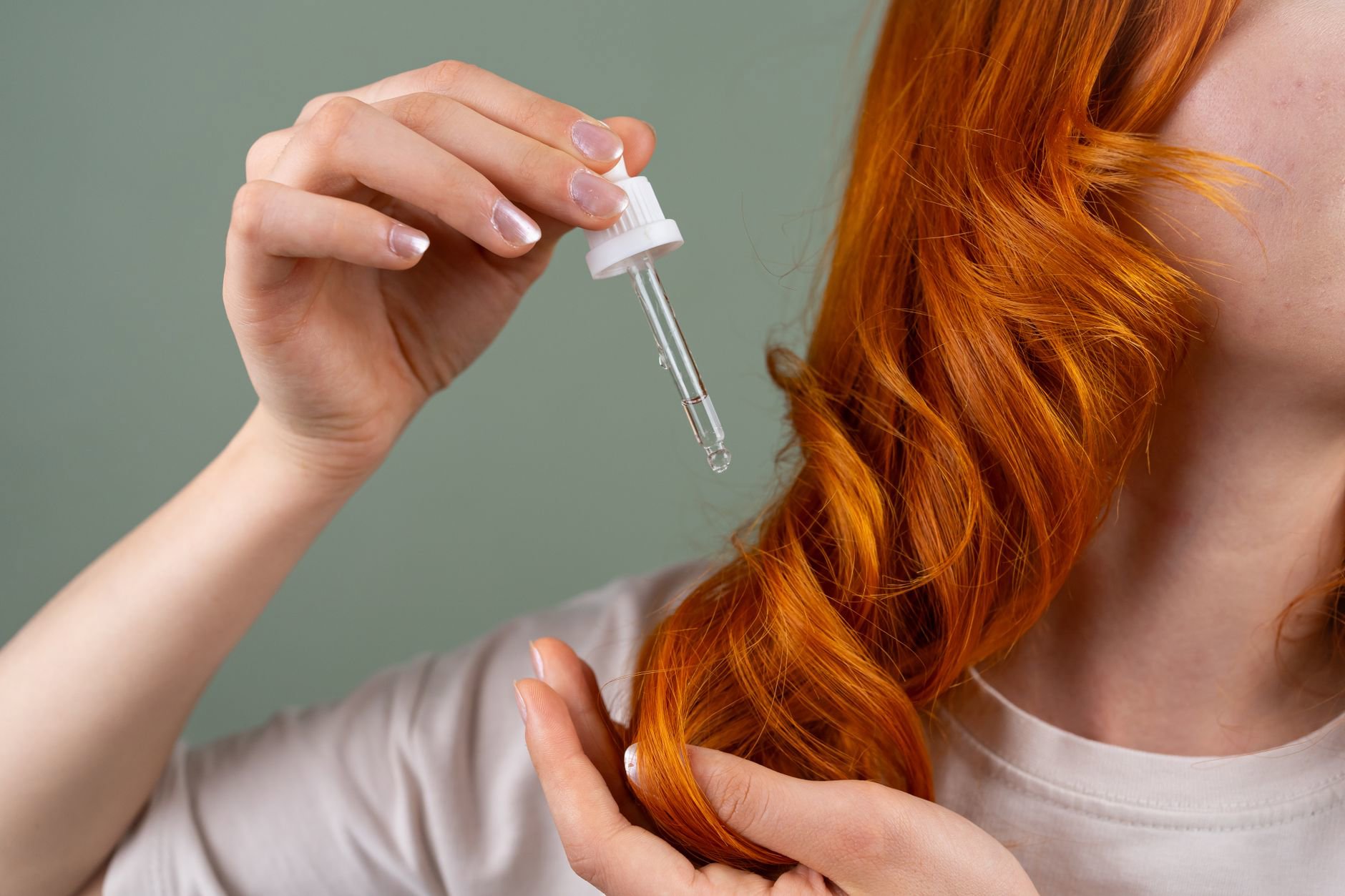
The best hair oil for your hair type depends on two things: where you need slip (mid-lengths/ends vs scalp) and what you need it to do (shine, frizz control, breakage support, or heat styling help). When those match up, hair oil looks glossy and smooth. When they don’t, it looks flat, greasy, or weirdly dry at the same time.
In Australia, hair oil shopping also carries a climate tax. UV, salt water, chlorine, dry heat, and humidity all push hair in different directions, often in the same week.
This guide breaks down how to choose a hair oil based on hair type and concerns, what ingredient language actually means, and how to apply oil so you get the benefits without the buildup.
The basics: what hair oil can (and can’t) do
Hair oils mainly work on the hair fibre surface. They lubricate, reduce friction, and help hair look smoother by improving shine and alignment. That matters for tangles, frizz, and the “crispy” feel that shows up after heat, swimming, or a long summer outside.
Some oils also target the scalp. That’s a different job. Scalp oils aim to support the skin environment and reduce breakage from dryness and friction at the root area. They still won’t “grow” hair overnight, but they can help hair feel stronger by reducing breakage over time.
What hair oil can’t do: permanently repair split ends. It can reduce the appearance of split ends by smoothing and coating, which still has value if you want your ends to look polished between trims.
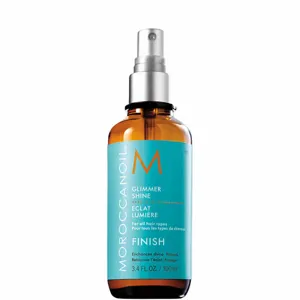
Finally, decide whether you want an oil or an oil-like finish product. Some “oils” behave more like shine veils or styling finishers. For example, Moroccanoil Glimmer Shine Spray (from A$43.50) uses argan oil plus vitamins and antioxidants to create an invisible shine veil and help protect hair against environmental elements like sun, salt water, and chlorine. That’s a very different role from a scalp oil you massage in before washing.
Match the formula to your hair density and strand thickness
“Fine hair” and “thin hair” get used interchangeably, but they don’t mean the same thing. Fine hair means each strand has a smaller diameter. Thin hair means fewer strands overall. Either way, the risk with hair oils stays the same: too much weight at the roots.
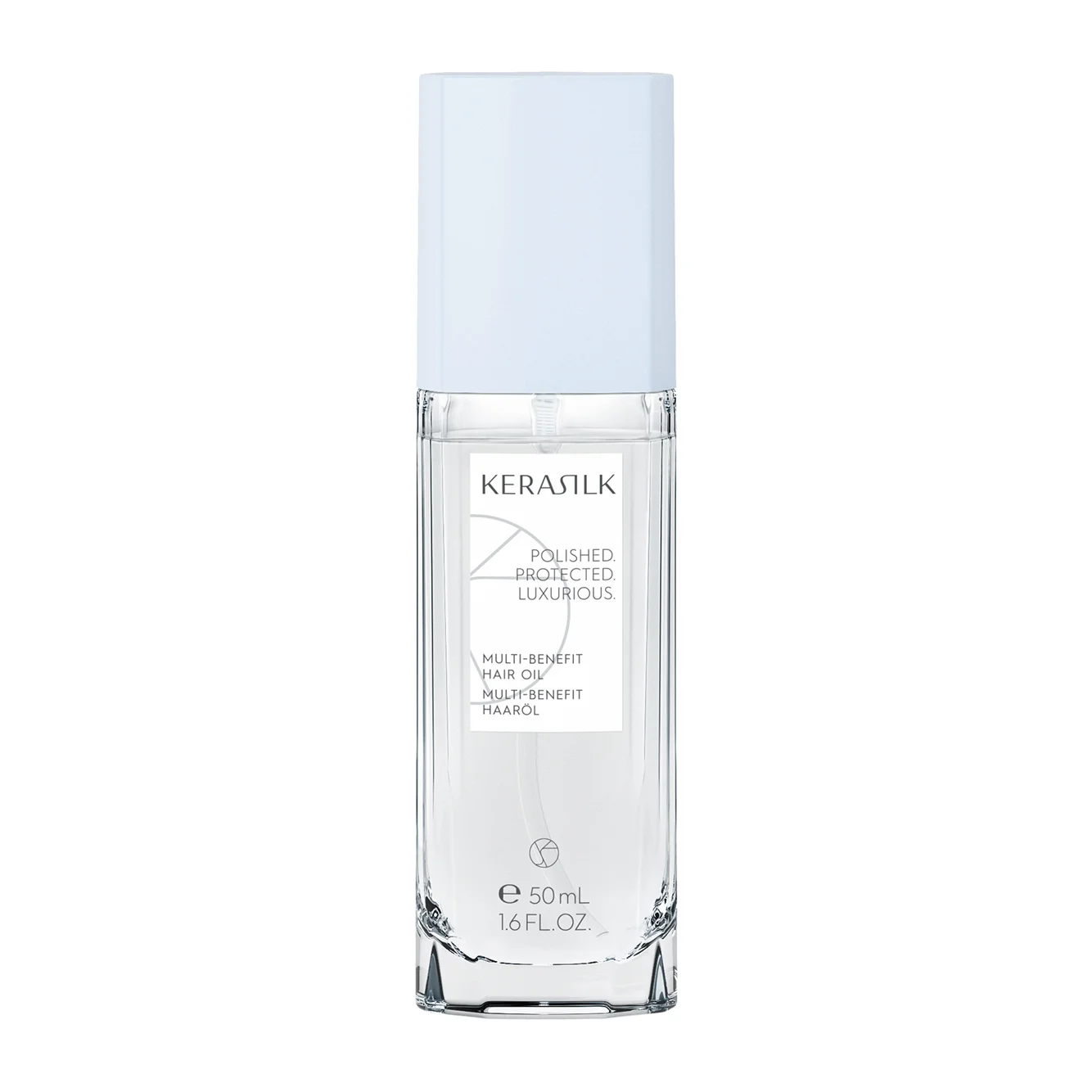
If your hair tends to fall flat, start with a lightweight, smoothing oil and apply it only to the ends. We’d put Kerasilk Specialists Multi-Benefit Hair Oil (from A$50.96) in this camp based on the description: a lightweight formula with a smoothing texture that hydrates, boosts shine, and helps reduce the appearance of split ends and brittleness. Lightweight matters when you want gloss without that coated feel.
Thick hair (or medium hair with high density) often needs more slip, especially through the mid-lengths. It tolerates richer application and benefits from oil layering over time. That doesn’t mean dumping half a pump at the scalp. It means you can use oil as a finisher after styling and again as a pre-wash cushion on your ends.
Need a hard rule? Use strand thickness as your dosing guide:
- Fine strands: 1–2 drops, ends only, then reassess.
- Medium strands: 2–4 drops, mid-lengths to ends, avoid the first 5–8 cm from the scalp.
- Coarse strands: 4–6 drops (or more if very long), mid-lengths to ends, then lightly skim over the surface.
- Short hair: halve all amounts, because surface area drops fast.
One more reality check: long hair multiplies product needs, even if the strands are fine. Length increases surface area. Many “my oil makes my hair greasy” complaints come down to root placement, not the product.
Straight, wavy, or curly: choose based on frizz pattern and definition
Hair texture changes how oil behaves. Straight hair shows oil fast. Curls can hide it, but they can also absorb it unevenly and look stringy if you overload.
For curls, a targeted curl oil makes the decision easier. Matrix A Curl Can Dream Lightweight Oil (from A$38.00) sits in the right category for curl-focused use. The product description in our feed looks mismatched (it references a round brush), so we won’t claim specific ingredients or performance. Still, as a listed hair oil in a curl range, it works as a sensible shortlist item if you want a curl-leaning option at a mid price point.
If your curls struggle with frizz in humidity (hello, Brisbane summers), use oil as a seal rather than a soak. Apply on damp hair after your usual routine, then add a tiny amount again once fully dry to break any cast and add surface shine.
For waves and straight hair that get frizzy at the canopy, think “polish” not “penetrate”. A shine veil product often makes more sense than a heavier oil. Moroccanoil Glimmer Shine Spray (from A$43.50) explicitly aims for luminous shine while helping protect against sun, salt water, and chlorine—three of Australia’s main hair villains.
Definition tip: if you want curl definition, distribute oil with your hands first, then lightly scrunch. If you want sleekness, smooth oil down in one direction, then comb through the last 10% of your lengths.
Scalp oil vs ends oil: choose based on oiliness, flakes, and breakage
A common mistake: using a scalp oil because the ends feel dry. Ends and scalp behave differently. Ends suffer from age and friction. The scalp behaves like skin, and it can swing oily, sensitive, or flaky.
If your scalp gets oily quickly, you can still use hair oil—but keep it off the scalp and treat it like a styling product. Oils on an oily scalp can make hair look dirty faster, and they can complicate cleansing. That doesn’t mean “never”. It means “be deliberate”.
If you want a true scalp and hair oil, two products on our shortlist sit clearly in that lane:
- Umberto Giannini Rosemary Scalp & Hair Oil (from A$19.50) targets breakage-prone hair and aims to nourish, visibly repair, and protect from further damage. The description also calls out a blend of 16 essential oils including rosemary, jojoba, eucalyptus, and castor.
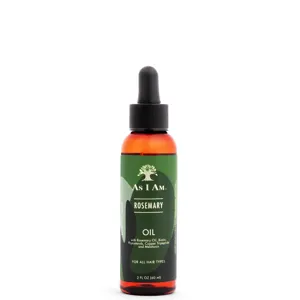
- As I am Rosemary Oil (from A$17.62) positions rosemary as a strengthening ingredient to help minimise breakage risk and encourage fuller-looking strands.
Rosemary-heavy scalp oils have momentum thanks to social media. We’d treat that marketing carefully. The practical value often comes from consistent scalp massage, reduced friction, and better conditioning—not miracles. If you like the ritual, pick a scalp oil with a price that makes ongoing use realistic. On that metric, the As I Am and Umberto Giannini options sit at the accessible end of our tracked list.
Where to buy in Australia? These brands often show up across Priceline, Adore Beauty, and Sephora Australia depending on stock, while some lines skew toward salon networks. Our price tracking regularly shows meaningful spread between retailers, so it’s worth checking before you commit—especially when you see a premium that looks like Australia tax.
Heat styling, UV, swimming: pick an oil that suits your exposure
Australian hair stressors often stack: blow-dry plus UV, or beach plus chlorine plus a hot car ride. Hair oil can help with surface protection, but you still need to choose the right role for it.
If you heat style, look for oils that explicitly claim heat help rather than assuming all oils protect equally. Olaplex No. 7 Bonding Oil Deluxe (from A$99.96) calls itself a multitasking treatment and styling product with heat protectant positioning in the description. It also targets damaged hair types with concentrated nourishment and hydration and uses patented Olaplex Bond Building technology (as stated in the listing).
That price stands out. It’s a jumbo size, and the cost per use may still work out if you dose correctly. But it won’t suit every budget. We suggest watching retailer fluctuations via price tracking rather than paying full freight on autopilot.
If your biggest issue is environmental exposure—think beach weekends or regular pool sessions—choose a product that specifically mentions those elements. Moroccanoil Glimmer Shine Spray (from A$43.50) ticks that box with claims around sun, salt water, and chlorine, and it aims to enhance colour and highlights.
One sentence that saves hair: apply oil before exposure, not just after. A light layer on the ends before the beach can reduce friction and help hair feel less rough later. Keep it minimal so it doesn’t attract sand.
Ingredient language decoded: what to look for on the label
Hair oil marketing loves buzzwords. “Nourishing.” “Repair.” “Gloss.” Those can be true in a cosmetic sense, but they don’t tell you how the product will behave on your hair.
Here’s how we suggest decoding the common language you’ll see in the products we track:
- “Lightweight” usually signals a lower-risk pick for fine hair and for people who oil up easily. The Kerasilk description explicitly calls this out.
- “High-shine” / “veil” points to a finishing product. Moroccanoil Glimmer Shine Spray describes an invisible veil of shine.
- “Split ends” claims typically mean appearance reduction, not permanent repair. Kerasilk positions itself to reduce the appearance of split ends and brittleness.
- “Scalp & hair oil” indicates dual-use and a more massage-friendly texture. Umberto Giannini makes this explicit.
- “Bonding” suggests a damage-support positioning rather than pure shine. Olaplex No.7 leads with this language and adds heat styling support.
Essential oils deserve a special mention. A blend of many essential oils (like the 16-oil blend in the Umberto Giannini oil) can smell strong and feel luxurious. It can also bother sensitive scalps. If you react easily, patch test on the skin behind the ear or stick to lengths only.
Readers also ask us about “natural vs synthetic.” In practice, the best choice often comes down to cosmetic elegance. If an oil spreads evenly, rinses cleanly when needed, and doesn’t leave you greasy, you’ll use it consistently. That consistency usually beats a perfect-sounding ingredient story.
If you want to explore beyond hair care on GlamGeek, we also track adjacent categories like SPF Protection Products for skin and skin care more broadly—but for hair oil performance, hair-specific formulation matters most.
Pick by problem: frizz, dullness, breakage, or colour fade
Most people don’t shop by hair type alone. They shop by the thing that annoys them in the mirror.
If frizz is the main issue: choose a smoothing, shine-forward oil and keep it on the surface. Kerasilk Specialists Multi-Benefit Hair Oil (from A$50.96) aims for hydration and high shine with a lightweight feel. That combo usually suits frizz that comes from dryness and roughness rather than heavy curl shrinkage.
If dullness is the main issue: go for a finish product that specialises in luminosity. Moroccanoil Glimmer Shine Spray (from A$43.50) focuses on shine, plus it calls out help against environmental elements and claims it can enhance colour and highlights. That makes it a smart pick for people who want hair to look “done” even on low-effort days.
If breakage is the main issue: decide where the breakage happens. If it’s ends snapping, a lightweight length oil can reduce friction. If it’s around the hairline or you see lots of short pieces, a scalp-and-hair oil can support massage and conditioning. As I am Rosemary Oil (from A$17.62) and Umberto Giannini Rosemary Scalp & Hair Oil (from A$19.50) both position around strengthening and breakage risk.
If heat damage is the main issue: pick an oil that states heat protectant use in the description. Olaplex No. 7 Bonding Oil Deluxe (from A$99.96) fits that requirement and also targets damaged hair types as a multitasker.
Not sure? Start with the problem you can describe in one line. The right oil usually becomes obvious.
Practical tips: application maps that prevent greasiness and buildup
Technique beats product nine times out of ten. Our price tracker shows people often buy a second oil when the first “didn’t work”, even though application drove the result.
Use these simple maps:
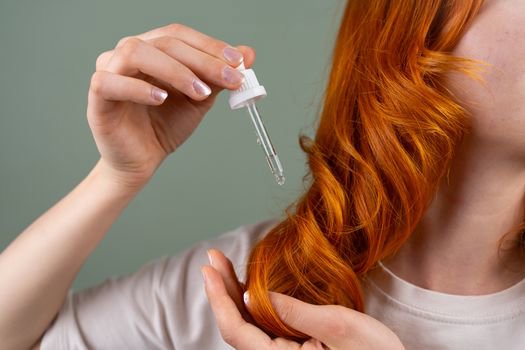
- For ends that feel rough: apply on towel-dried hair, mid-lengths to ends, then air-dry or style. Add a half-dose on dry ends if needed.
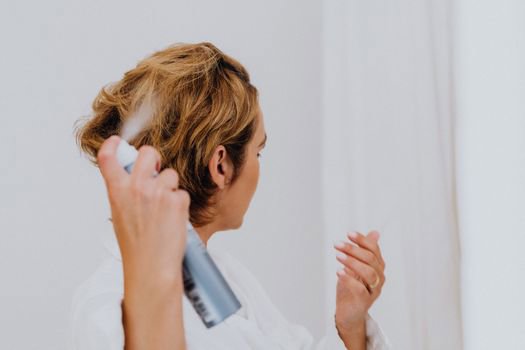
- For flyaways and halo frizz: warm a tiny amount between palms, then lightly press over the surface. Don’t rake through.
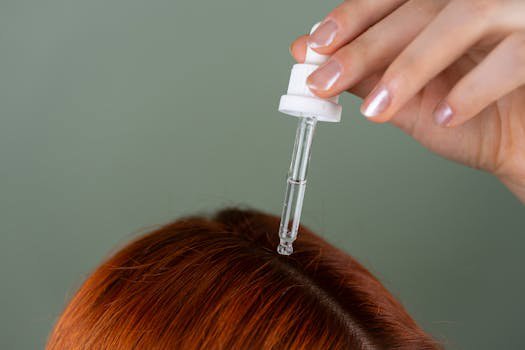
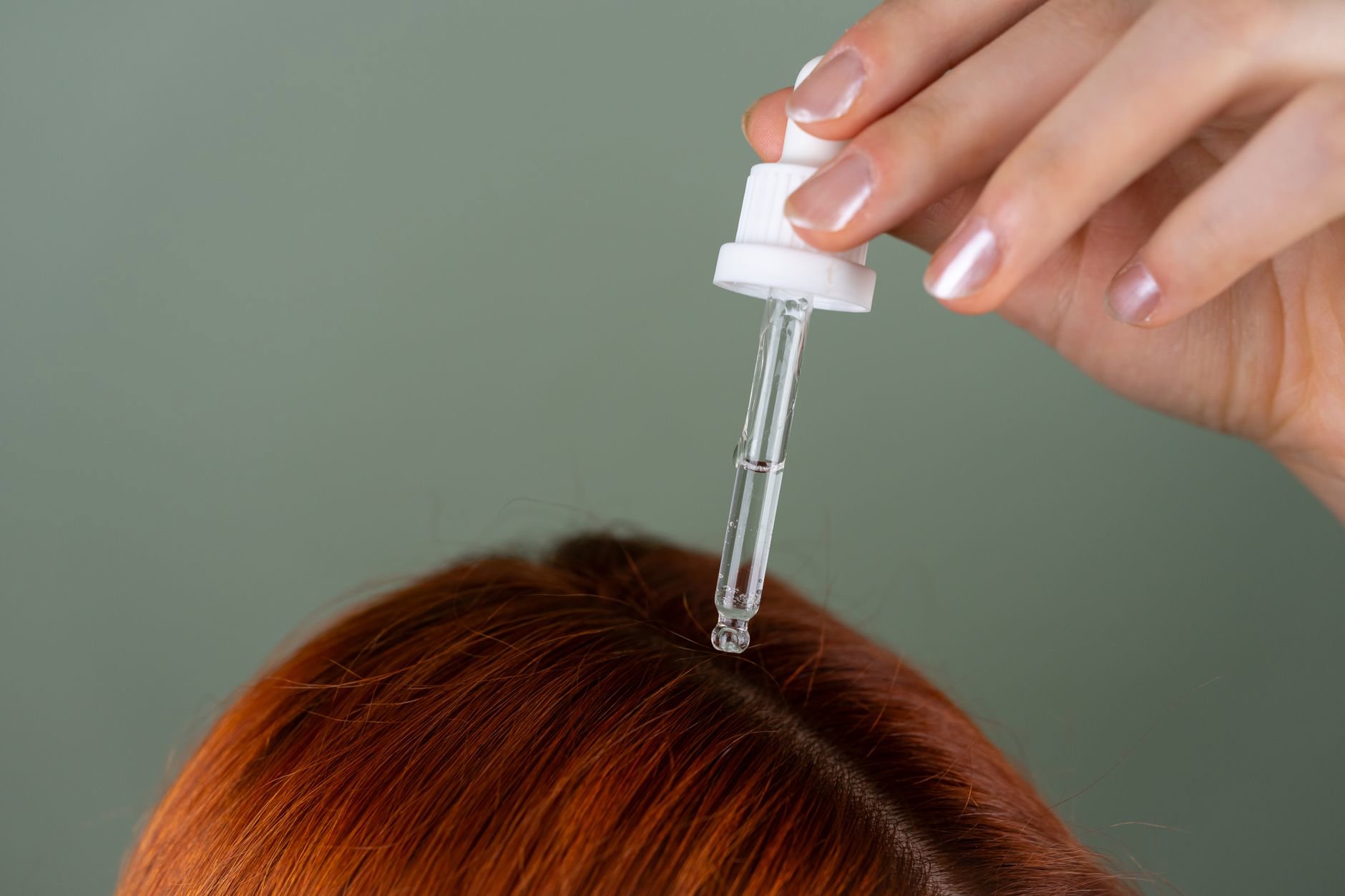
- For scalp oiling (pre-wash): part hair into sections, apply sparingly, massage for 1–2 minutes, then shampoo thoroughly.
- For post-swim hair: smooth a small amount through ends, then tie hair loosely to reduce friction until you can rinse.
Two small habits help prevent buildup:
- Keep a “no oil zone” at the roots unless you purposefully scalp oil pre-wash.
- Re-apply only after you reassess. If hair still feels slippery from the last application, stop.
If you already use Moisturising & Nourishing Shampoos and Moisturising & Nourishing Conditioners, oil should sit on top as the finisher or targeted treatment. It shouldn’t replace cleansing or conditioning.
Our shortlist: which hair oil to buy for common hair types
We keep this tight because the product list is tight. Every pick below comes from the hair oils we track in this guide, with prices in Australian dollars (A$) taken from the current product feed.
Fine hair that gets oily fast
Kerasilk Specialists Multi-Benefit Hair Oil (from A$50.96) suits the “shine without heaviness” brief based on its lightweight, smoothing, hydrating description and split-end appearance claim.
Heat-styled hair (straighteners, blow-dries)
Olaplex No. 7 Bonding Oil Deluxe (from A$99.96) makes sense if you want one product that plays treatment and styling support, with heat protectant positioning in the listing.
Colour-treated hair that looks dull
Moroccanoil Glimmer Shine Spray (from A$43.50) targets luminous shine and calls out colour/highlight enhancement plus environmental exposure like sun and chlorine.
Breakage-prone hair that needs scalp TLC
As I am Rosemary Oil (from A$17.62) and Umberto Giannini Rosemary Scalp & Hair Oil (from A$19.50) both focus on strengthening/breakage risk in their descriptions, with Umberto Giannini also specifying a 16 essential oils blend.
Curls that need a curl-leaning oil option
Matrix A Curl Can Dream Lightweight Oil (from A$38.00) sits as a curl-range oil at a mid-tier price. Because the product description in our feed appears incorrect, we recommend choosing it based on brand/range alignment rather than specific ingredient promises.
For broader browsing across GlamGeek, you can also explore makeup and brands like Kérastase, Clinique, and MAC. But for this guide, we’d keep your cart focused: the right hair oil and the right technique.
What’s your hair type and the one problem you want your oil to solve—frizz, dullness, breakage, or heat styling?