K-beauty taught us to layer skincare like pros.
Now K-haircare wants the same spot on our bathroom shelves.
I’ve watched Korean hair launches go from niche import to “why is everyone suddenly talking about scalp toner?” in about five minutes. And in Australia, where UV, salt, hard water, and humidity all hit at once, the way K-haircare treats the scalp like facial skin makes a lot of sense.
But here’s the catch. Hair trends travel faster than good instructions do.
So I’m not going to recap headlines. I’m going to tell you what to buy, how to use it, what to skip, and what’s actually available in Australia right now (versus what you’ll need to import).
Why K-haircare is suddenly everywhere (and why Aussies feel it)
When Korean media talks about haircare as an export driver, it tracks with what I see in local search and shopping behaviour. We already shop Korean skincare as if it’s normal. Haircare sits right next to it in the cart now.
Australia also creates “hair stress” fast. Our UV levels run high, even outside summer. Add ocean swims, chlorine, and frequent washing, and you get the perfect setup for dryness through the mid-lengths and oil at the roots.
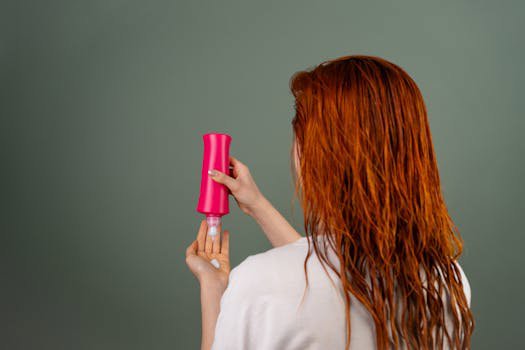
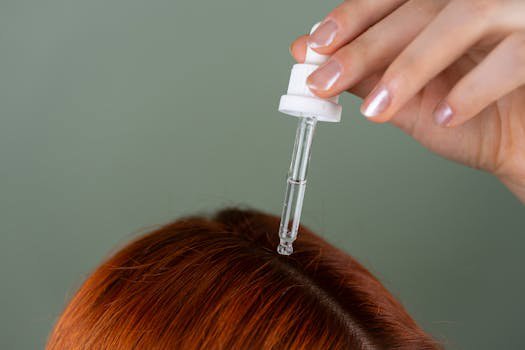
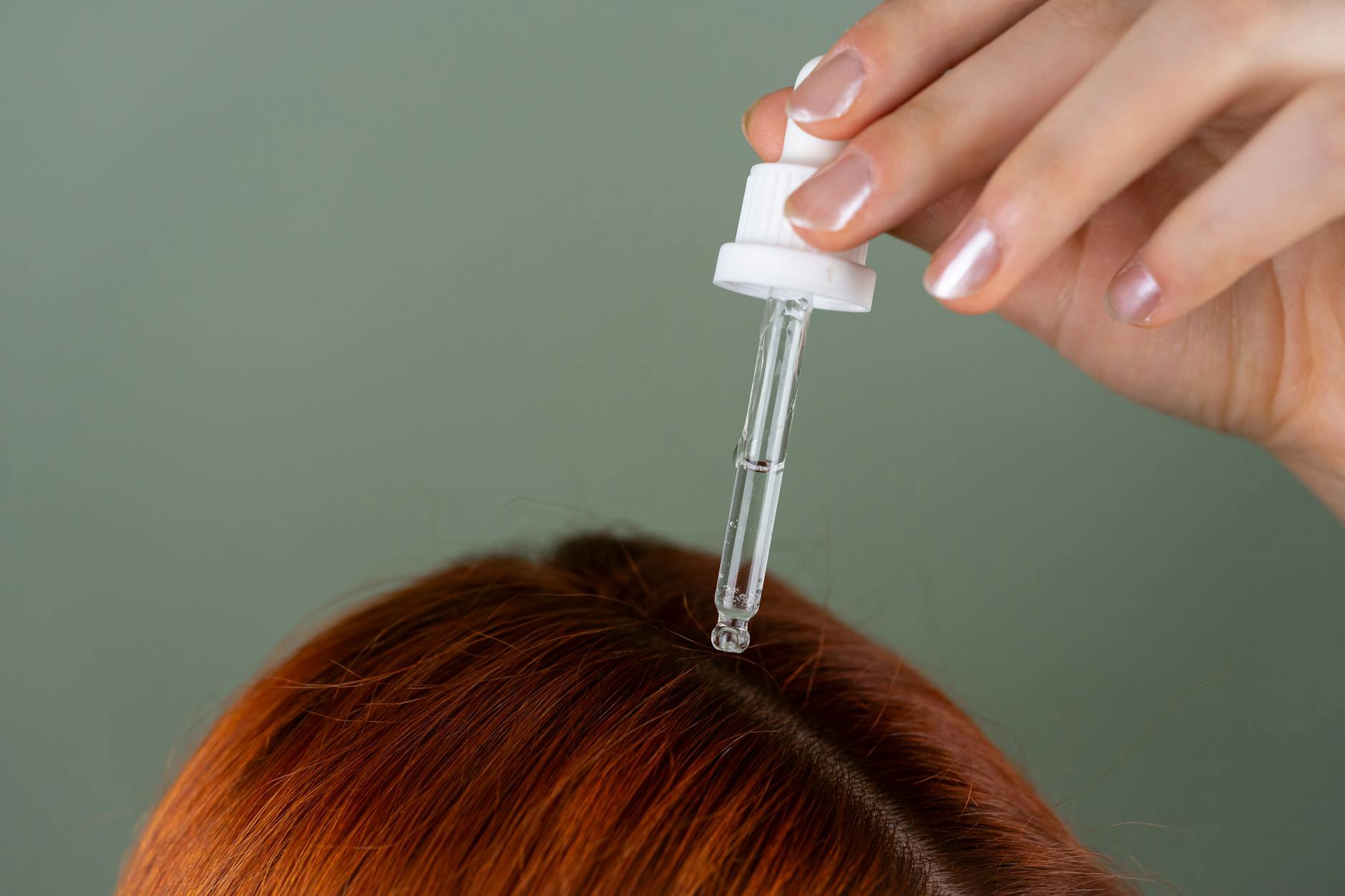
K-haircare’s biggest shift feels simple: it treats the scalp like skin care. That means lightweight hydrators, barrier-supporting ingredients, and regular exfoliation. Not just a once-a-month harsh scrub and hope.
We also love an efficient routine. Korean formulas often aim for high slip, low weight, and quick rinse. That’s practical when you’re washing after Pilates, beach, or a sweaty commute.
The real trend: scalp care that works like skincare
If you take one idea from the current hair cycle, make it this: your scalp needs a routine, not just shampoo.
In 2026, I’m seeing more women chase “healthy hair” with masks, oils, and heatless styling, while ignoring itch, flakes, and buildup. Then they wonder why the roots feel greasy on day two and the ends feel like straw.
Here’s how to build a scalp routine without overcomplicating it.
Step-by-step: my simple scalp routine (2–3 times a week)
- Pre-wash: If you use dry shampoo, SPF hair mist, or lots of styling spray, do a gentle scalp exfoliant first. Look for salicylic acid (BHA) or mild fruit acids (AHA) in a rinse-out formula.
- Shampoo twice: First cleanse lifts oil and product film. Second cleanse actually cleans the scalp. Use less product than you think, and add water.
- Condition from ears down: Keep rich conditioners off the scalp unless the product says it’s scalp-safe.
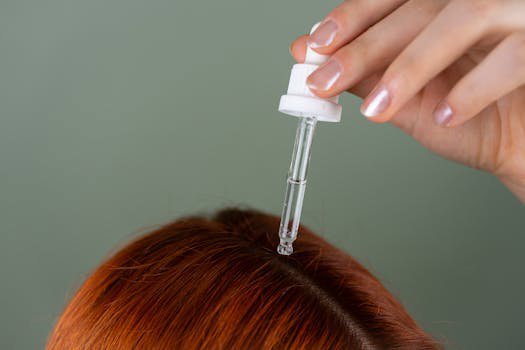
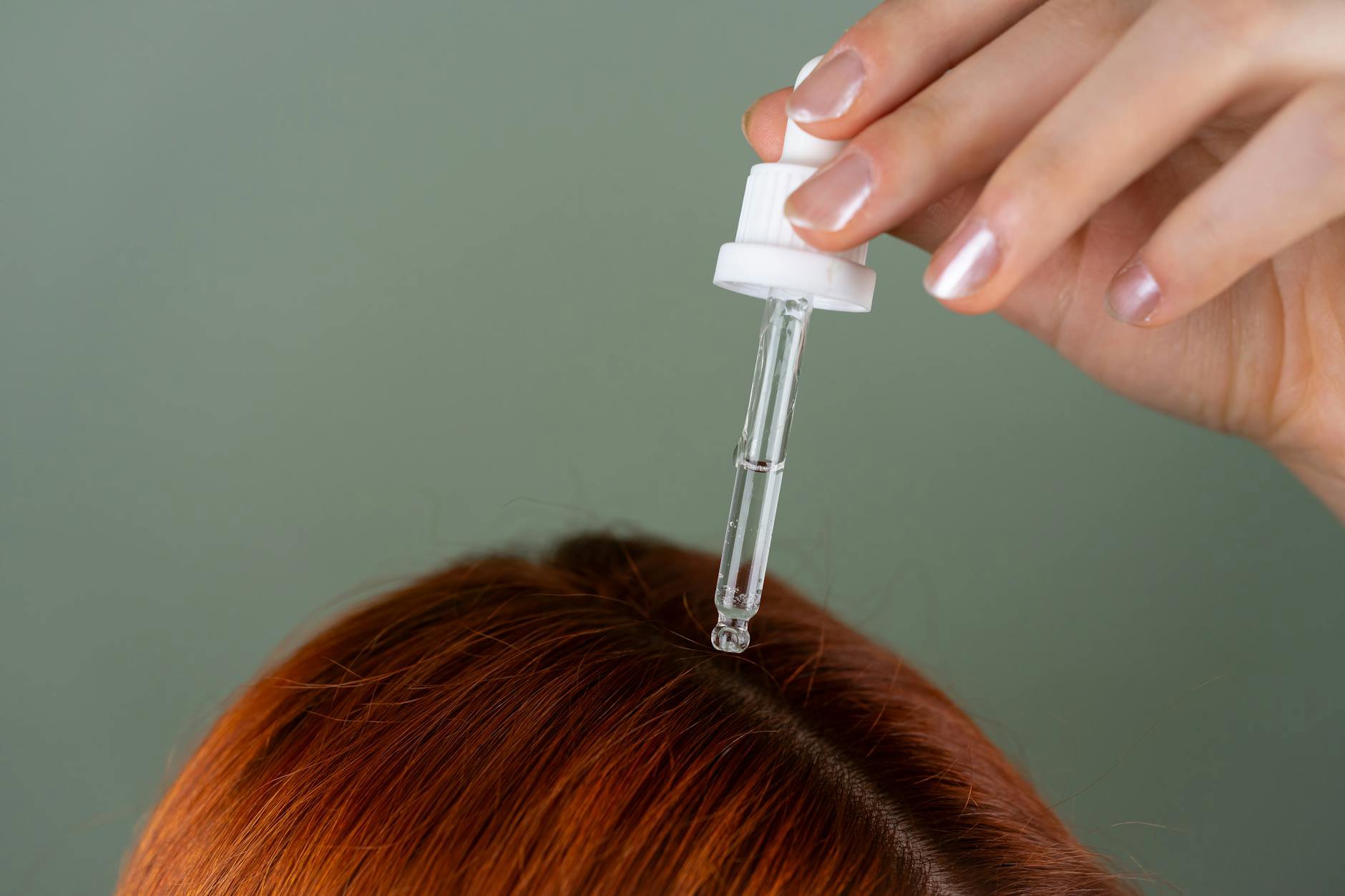
- Leave-on scalp serum: Use on towel-dried roots. Focus on hydration and barrier support, not “tingly mint” as a personality trait.
Ingredient-wise, I like to see niacinamide (oil balance and barrier support), panthenol (hydration), madecassoside/centella (calming), and caffeine if you enjoy that “energised scalp” feel.
Skip heavy oils on the scalp if you’re flake-prone. Oils can make flakes look better short-term, then trap buildup. Annoying.
What’s easy to buy in Australia?
Korean scalp care comes in and out of local stock fast. I often see it via K-beauty retailers rather than the big chains. For mainstream options you can grab easily, I still rate Clinique for sensitive-skin logic applied to hair-adjacent care, and L'Oréal for accessible scalp-focused lines at Priceline and Chemist Warehouse.
If you’re shopping online, check GlamGeek’s price tracking to spot when a shampoo or treatment dips, because haircare discount cycles can be wild week to week.
Autumn haircuts and colour: what actually suits Aussie hair in 2026
Every autumn, we see the same tension. We want richer colour and shinier hair, but the weather flips and our hair starts holding onto frizz and static at the same time.
The cut trend I keep seeing tied to celebrity and influencer chatter stays consistent: bobs and long bobs with movement. Think “Sofia Richie Grainge bob” energy, but make it real-life friendly for women who don’t have a glam squad.
Here’s what I’d ask for at the salon if you want the trend without the regret.
Cut notes to say out loud
- Blunt-ish perimeter, soft internal layers so it sits thick but doesn’t triangle.
- Invisible texturising (not heavy razoring) if your hair frizzes easily.
- Collarbone length if you heat-style often. It gives shape even with a quick bend.
- Face-framing pieces that start below the cheekbone, not at the lip, if you hate constant trimming.
Colour-wise, the “expensive brunette” family still dominates, but I’m seeing more warm-toned glossing. That’s partly because warm reflects light better in indoor lighting, and partly because cool tones fade weirdly fast in sun.
If you go brunette, ask for a gloss or demi-permanent toner between appointments. It keeps shine high without pushing your hair into brittle territory.
At home, you can support colour longevity with a gentle shampoo and a weekly mask. If you need a reliable category to browse, I usually start with Moisturising & Nourishing Shampoos and match it to a conditioner from Moisturising & Nourishing Conditioners. Boring, but it works.
Silk wraps and pillowcases: what they fix (and what they don’t)
I love that silk hair wraps went mainstream, because they solve a very specific Australian problem: friction plus dryness.
If your hair already feels rough, cotton pillowcases can make it worse. They create friction, which lifts the cuticle and makes hair look dull. A silk or satin surface reduces that. You wake up with less frizz and fewer tangles, which means less aggressive brushing.
But a wrap won’t repair damage. It just stops you from adding more.
How I’d use silk for real results
- Night 1–3: Use it to reduce tangling. Don’t add a new oil at the same time, or you won’t know what helped.
- After a blow-dry: Wrap helps preserve smoothness. That means fewer hot tools the next morning.
- For curls/waves: A loose pineapple plus wrap reduces frizz without flattening.
- For fine hair: Choose a lighter satin bonnet over heavy silk that can slip and pull.
My reality check: if your ends split, you still need a trim. If your scalp feels itchy, a wrap won’t fix buildup. Use it as a support act, not the headline.
If you want to spend your money where you’ll feel it fastest, I’d prioritise a wrap after you’ve sorted shampoo and conditioner. Your baseline matters.
Red carpet hair in real life: the technique, not the product list
Every red carpet recap makes hair look effortless. It never is.
The consistent thread across celebrity makeup artist and backstage coverage sits in the prep: controlled texture, clean partings, and shine that looks expensive under harsh lighting.
You can copy that without buying a suitcase of products. You just need a method.
My step-by-step “event hair” routine (works for bobs and long hair)
- Wash the night before if your hair struggles to hold a style. Freshly washed hair can feel too slippery.
- Use a lightweight leave-in through mid-lengths, then a heat protectant before hot tools. Don’t rely on a styling cream as your only protection.
- Rough dry first to 80–90% dry, then go in with a brush. That reduces heat time.
- Set the shape with clips or rollers while you do makeup. Ten minutes makes a difference.
- Finish with shine on the ends only. If you spray shine at the roots, it can read greasy in photos.
If you want to shop the vibe locally, I often see women pairing a salon-quality mask with a simpler styling routine. Kérastase sits at the premium end and usually appears at Mecca, while more accessible options live at Priceline and Adore Beauty. I keep an eye on Kérastase discounts because the price swings can be meaningful.
For makeup that matches polished hair, keep your base simple and your lashes clean. I’d rather you spend time blending than piling on. If you need to restock, browse Mascaras and False Lashes based on your comfort level, not a trend cycle.
Heat, humidity, and hard water: the Australian haircare filter
Australia doesn’t just change trends. It changes outcomes.
Humidity makes hair swell. UV breaks down colour and weakens the cuticle. Hard water can leave mineral deposits that make hair feel coated and rough, even when you condition well.
If your hair feels “never clean” or “never soft,” you might not need a new mask. You might need a reset.
My practical troubleshooting guide
- Hair feels waxy or heavy: Use a clarifying shampoo once a week, then follow with a mask. If you swim, do it after pool days.
- Hair feels puffy: Add a humidity-resistant styling product and finish with a light oil on ends. Don’t overload the mid-lengths.
- Colour fades fast: Reduce hot tool temperature and add a UV-protective hair mist when you spend hours outside.
- Scalp gets oily quickly: Keep conditioner off roots and avoid heavy scalp oils. Try a BHA scalp treatment once a week.
- Ends snap: You need protein occasionally, but not daily. Alternate moisture masks with a strengthening treatment.
- Frizz halo at crown: You may have breakage. Switch to gentler elastics and use a smoothing wand or a tiny amount of styling cream.
This is also where K-haircare’s lighter textures help. Many Korean formulas aim for softness without weight, which suits fine hair and humid cities like Sydney and Brisbane.
If you live somewhere drier, like parts of SA or inland NSW, you can go richer. You’ll usually tolerate heavier masks and leave-ins, especially in winter heating.
What to shop in Australia vs import-only (and how I decide)
I always separate hair buys into two buckets: what I can replace easily, and what I’m willing to import and wait for.
For “core” products like shampoo, conditioner, and heat protectant, I stick to Australian retailers when I can. You don’t want to fall in love with a formula and then pay shipping every month.
For “extras” like scalp toners, hair essences, and niche treatments, importing can make sense. You use them slower, and Korean brands often do these textures beautifully.
My local-first shopping list (easy to restock)
- Shampoo + conditioner: Priceline, Chemist Warehouse, Adore Beauty, and Mecca cover most needs.
- Hair masks: Look at the Hair Masks category and compare size-to-price. Bigger tubs can be better value if you use them weekly.
- Heat protectant: Buy locally so you don’t “save” it and then skip it. Consistency beats perfection.
My import-only exceptions (worth the wait if you love the category)
- Scalp essence/toner textures: Korea does watery, fast-drying scalp hydrators well.
- Lightweight leave-ins for fine hair: Many Western leave-ins run too heavy for humid days.
- Fragrance-free options: Some Korean brands offer calmer scent profiles, which helps if you get headaches.
- Salon-style glossing treatments: If you can’t get to a salon, these can stretch colour between visits.
One more filter: returns and authenticity. If you import, buy from reputable retailers. A bargain listing can cost you more when the formula feels “off.”
If you want to compare what’s stocked locally before you commit, I use GlamGeek to check which retailers carry the product and how pricing shifts across sales.
The “hair wardrobe” approach: rotate products like you rotate outfits
Hair trends in 2026 push us toward constant buying. New influencer favourites. New edits. New “musts.”
I prefer a hair wardrobe instead. You keep a small set of products, then rotate based on weather, washing frequency, and styling.
This keeps your routine stable, which matters when your hair reacts to stress, hormones, or seasonal changes.
My ideal 7-piece hair wardrobe
- Gentle daily shampoo for regular washes.
- Clarifying shampoo once weekly or after heavy styling.
- Everyday conditioner that detangles fast.
- Mask once weekly, alternating moisture and strength.
- Leave-in for mid-lengths and ends.
- Heat protectant any time you blow-dry or iron.
- Scalp treatment targeted to your issue (oil, flakes, sensitivity).
Notice what I didn’t include: five different oils. Oils have a place, but they shouldn’t replace conditioning and protection.
If you want one oil, use it as a finisher on ends. That’s it. If you want shine, you also need smooth cuticles, and that comes from conditioning, gentle handling, and not frying your hair.
For women who love styling, add one styling product that matches your goal: volume mousse, smoothing cream, or texture spray. Pick one. Commit.
What this means for you (and your next hair spend)
K-haircare’s rise isn’t just a trend story. It’s a clue that scalp-first routines will keep dominating, because women see results fast when itch and oil calm down.
My practical takeaway: if you feel stuck, don’t buy another mask first. Audit your scalp routine, add a weekly reset, and protect your hair from the climate you actually live in.
Also, don’t let “red carpet” coverage push you into product overload. Technique creates most of the finish. A good blow-dry and the right setting time beat a shelf full of sprays.
If you want a shopping plan, start local for your core items (easy restocks), then treat yourself to one import-only scalp or leave-in product if you enjoy that category.
What are you chasing right now: less frizz, more shine, or a calmer scalp?
Tell me what your hair does on day two, and I’ll tell you what I’d change first.