Hairspray isn’t “bad for your hair” by default. Most problems come from how you use it (too much, too close, too often without proper removal) and which formula you choose (stronger resins, more solvent, more fragrance) for your hair type.
In Australia, heat, UV, and humidity swings add extra pressure: hair dehydrates faster, styles drop quicker, and people reach for more hold. That’s where dryness, tangling, and snap-prone ends can show up.
This guide breaks down the real science of hairspray, the myths that won’t die, and practical ways to apply and remove it so you get hold without turning your hair into a brittle helmet.
How hairspray actually works (and why it can feel drying)
Hairsprays work by forming a thin film on the hair fibre. That film usually comes from film-forming polymers (often called resins), plus a solvent system that helps the product spray evenly and dry fast.
When the solvent evaporates, the polymer network stays behind and “links” strands together. That linking creates hold, controls flyaways, and helps shapes last longer. Flexible formulas use polymers that bend; stronger formulas use polymers that lock harder.
Here’s the part people feel as “damage”: the fast-drying solvent phase can temporarily pull moisture from the hair surface. That sensation reads as dryness, roughness, or stiffness—especially on hair that already runs dry, porous, or bleached.
That doesn’t mean hairspray melts hair. It means a styling film plus fast evaporation can change the way hair feels, and that can raise the risk of breakage when you brush, backcomb, or yank out elastics.
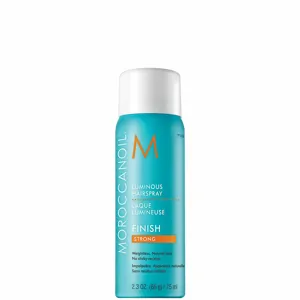
Some products lean into a lighter, more brushable finish. For example, Moroccanoil Luminous Hairspray Strong (from A$14.70) describes a flexible strong hold that stays movable and brushes out without sticky residue. That “brush-out” claim matters, because the easiest way to break hair is to fight a rigid film with a hard brush.
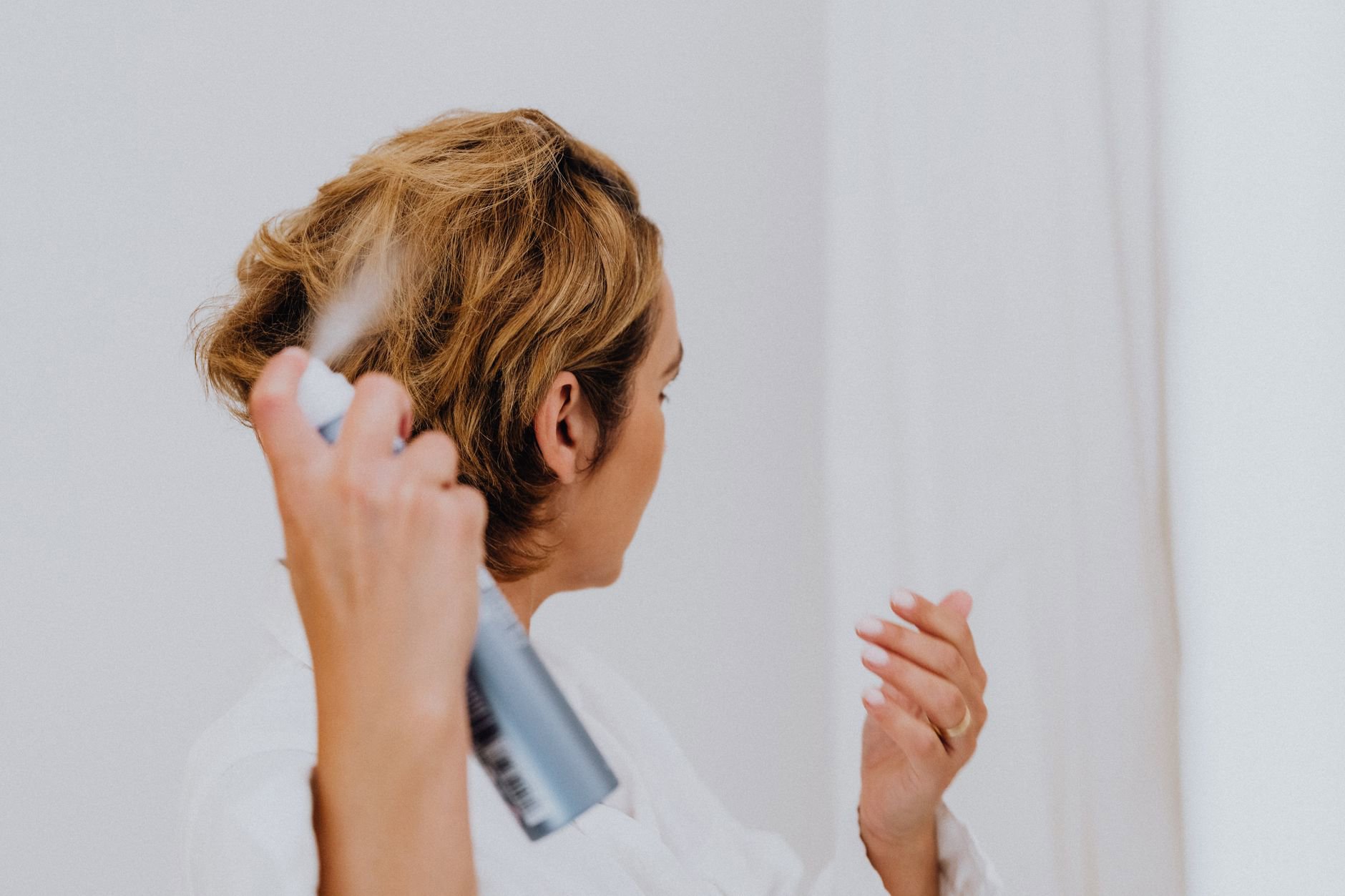
Myths vs facts: what hairspray can and can’t do
Myth: Hairspray “suffocates” hair and stops it from growing.
Fact: Hair growth happens in the follicle under the scalp. Hairspray sits on the hair shaft. Unless you chronically coat your scalp and never cleanse it properly, hairspray won’t change growth rate.
Myth: Hairspray always causes split ends.
Fact: Split ends come from cumulative wear: heat, UV, friction, chemical services, and mechanical stress. Hairspray can contribute when it increases roughness or tangling, then you brush aggressively. The product isn’t the only variable; your removal routine matters just as much.
Myth: Alcohol in hairspray automatically ruins hair.
Fact: “Alcohol” depends on type and role. Many sprays rely on volatile solvents to dry quickly and reduce stickiness. The issue is not moral; it’s dose and context. If your hair feels chronically dry, prioritise lighter application and more brushable films. If you want to avoid alcohol entirely, you can choose an alcohol-free option when it fits your styling goals.
One clear example from the product list: Rahua Voluminous Hair Spray (from A$62.72) states an alcohol-free formula, designed to give fine hair body and bounce with light hold. That positioning often suits people who hate the “evaporated-dry” feeling.
Myth: If it’s crunchy, it’s damaging.
Fact: Crunch signals a stronger film. Crunch alone doesn’t equal damage, but it raises the odds of damage if you manipulate hair while it’s set. If you need a firm finish, treat set hair like set hair: don’t rake, don’t rough up, and don’t use tight elastics that snag.
Ingredients to watch: what matters more than marketing
Brands rarely market hairspray by polymer names, but you can still shop smarter by focusing on a few practical signals: dry-down speed, brushability, frizz control, and whether the product aims for hold, texture, or shine.
Start with what you can verify from product descriptions. Beauty Works Hair Spray (from A$29.38) describes a super fine spray that helps tame flyaways, sets styles, and helps prevent frizz, creating an “invisible veil” over the hair. That “fine” delivery can reduce wet patches, which often cause the worst stiffness and patchy flaking.
Davines More Inside This Is A Shimmering Mist (from A$48.95) positions itself as a glossy mist that adds shine and fights frizz without weighing hair down, and it states it’s formulated without parabens and added colourants. That places it closer to a finishing mist than a rigid hold lacquer, which often suits people who dislike the “producty” feel.
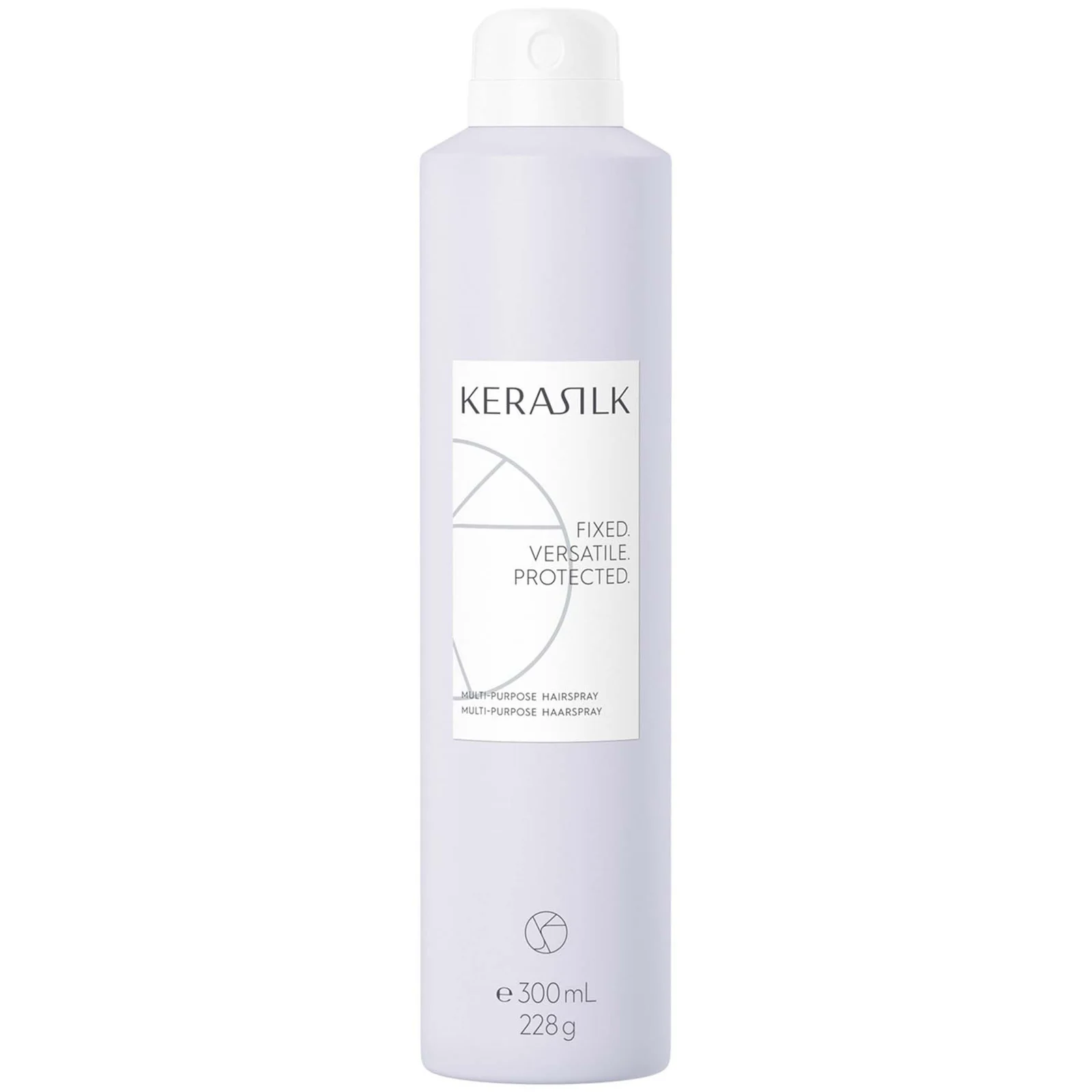
Kerasilk Styling Multi-Purpose Hairspray (from A$45.08) describes a botanically infused styling spray that shapes, sets, and defines, and it suits all hair types. It also calls out use on dry strands and “all-day hold” with a natural, tousled finish. That language usually signals a more versatile hold level, rather than a single-purpose freeze spray.
Also watch for the hidden problem ingredient category: fragrance load. Heavily fragranced sprays can trigger scalp sensitivity for some people. If your scalp itches after styling, don’t assume “damage”. Consider irritation and reduce scalp-targeted spraying.
Finally, remember the Australia context. High UV and dry heat increase static and flyaways, which tempts over-spraying. More product means more film, more friction, and harder removal.
Does hairspray cause breakage? The real risk is friction
Breakage rarely comes from a hairspray “weakening” the hair from the inside. It comes from what happens after the hairspray dries.
Once a film sets, hair strands don’t slide past each other as easily. That increases friction when you brush, when hair rubs on collars, and when you restyle by force. If you also backcomb, you create a roughened surface that tangles faster. Add a strong hold film and you have the perfect conditions for snap.
So the question becomes: which sprays give hold while staying workable? Our price tracking across Australian merchant feeds often shows strong-hold options at very different price points, and price doesn’t always map to “less breakage”. What matters is the finish and how you treat hair once it’s set.
Moroccanoil Luminous Hairspray Strong (from A$14.70) explicitly says it brushes out with no sticky residue, while staying movable and lightweight. If you need strong hold but you also need to undo it later, that combination usually reduces the urge to rip through knots.
For people who mainly want flyaway control and a cleaner finish, Beauty Works Hair Spray (from A$29.38) focuses on taming flyaways and preventing frizz with an invisible veil. Less tack can mean less snagging around the crown and hairline, where breakage often shows first.
And if your goal is shine with frizz control rather than hold, Beauty Works Mirror Shine Spray (from A$39.20) describes a super fine texture designed to minimise flyaways while encouraging reflective sheen, and it notes conditioning and nourishing each strand. That profile can work as a “finish” that doesn’t invite aggressive brushing.
One sentence that saves hair: don’t brush through a set style like it’s bare hair.
Choosing the right hairspray for your hair type (without overbuying)
Most people don’t need five sprays. They need one that matches their hair’s baseline (fine vs thick, dry vs oily, straight vs curly) and their climate reality (humid coast vs dry inland).
Fine hair that drops fast: Look for volume plus light hold, and avoid heavy layering. Rahua Voluminous Hair Spray (from A$62.72) positions itself for fine hair, giving tousle, texture, and lift with light hold, plus an alcohol-free formula that uses organic citrus juices and lemongrass to help break down and absorb excess oil. If your roots go flat by midday, that “oil absorption” angle may suit your needs better than stronger hold.
Thick hair that needs control: You can usually handle stronger films, because the hair fibre and density resist collapse. Moroccanoil Luminous Hairspray Strong (from A$14.70) targets long-lasting styles with flexible strong hold and reworkability. That makes sense for thick hair where you want durability, but you still want to reshape.
Dry, coloured, or porous hair: Your main enemy is roughness. Favour fine mists and sprays that focus on frizz control and finish, then use the minimum amount needed for hold. Davines More Inside This Is A Shimmering Mist (from A$48.95) aims for shine and frizz-fighting without weight. That often pairs well with hair that looks dull when it gets dehydrated.
“One spray for everything” shoppers: If you want a versatile option for refreshes and a natural finish, Kerasilk Styling Multi-Purpose Hairspray (from A$45.08) positions itself as multi-purpose: shape, set, define, refresh, and create a tousled finish for all hair types. That description matches a spray you can use lightly on most days without committing to extreme stiffness.
Availability varies by retailer. In Australia, you’ll often see these brands rotate across Mecca, Adore Beauty, Sephora Australia, and department store channels, while some lines appear more consistently through salon networks. Our price tracker tends to show the biggest swings when a product sits across multiple merchants, so it pays to compare before checkout.
Safe application: less product, better hold, fewer flakes
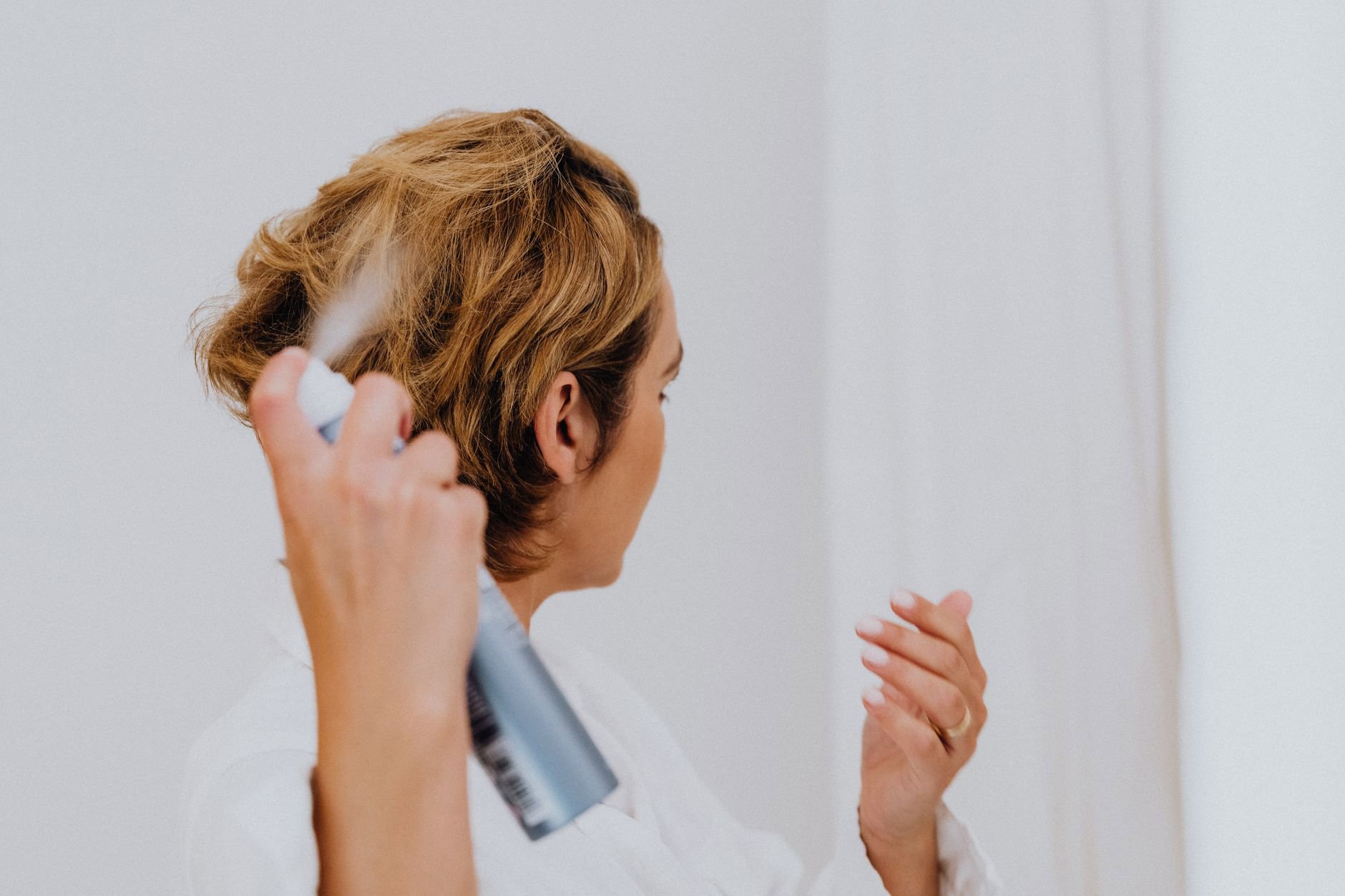
Most “hairspray damage” stories start with a simple mistake: spraying too close. Close-range spraying concentrates polymers in one spot, which dries into a hard patch that tangles and flakes.
Use this technique instead:
- Start on dry hair. Several products in this category specify or imply dry application; Kerasilk explicitly says to mist over dry strands.
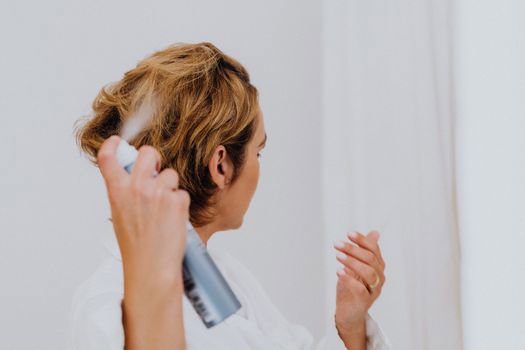
- Hold the can at arm’s length. Aim for roughly 20–30 cm. That distance helps the spray land evenly.
- Spray in passes, not puddles. Move the can as you spray. Stop before hair feels wet.
- Layer slowly. Add a second light pass only after the first dries. This cuts down on sticky spots.
- Target the hair, not the scalp. For flyaways, spray onto the outer layer and hairline area from above, then let it set.
If you want hold without the “shell,” choose a formula that describes flexibility or an invisible veil. Beauty Works Hair Spray (from A$29.38) calls out an invisible veil and frizz prevention, and Moroccanoil Luminous Hairspray Strong (from A$14.70) calls out movable, lightweight hold you can rework.
For shine-first finishing, treat shimmer and shine mists like a topcoat. Davines More Inside This Is A Shimmering Mist (from A$48.95) focuses on glossy shine and frizz control without weight, while Beauty Works Mirror Shine Spray (from A$39.20) focuses on reflective sheen and minimising flyaways with a super fine texture.
One more trick for curls and waves: spray around the style, not into it. A light “halo” pass reduces stiffness through the mid-lengths, where curl patterns deform easily.
Removal and reset: how to avoid build-up, dullness, and scalp issues
Hairspray should come out cleanly with regular washing. Problems show up when people stack days of film and then scrub aggressively, which increases tangles and breakage.
Use a gentler removal workflow:
- Brush before you wash (if the formula allows it). A spray that claims brush-out with no sticky residue, like Moroccanoil Luminous Hairspray Strong, often makes this step easier. Go slowly.
- Detangle in sections. Start at ends, then move up. This reduces snap.
- Rinse longer than you think. Warm water helps soften styling films before you even cleanse.
- Cleanse the scalp, not just the hair. Product mist settles where hair meets skin. That’s where itch and congestion can start.
If you use hairspray daily, schedule a “reset” wash more often. That doesn’t require harsh stripping. It requires consistency and good rinse time. If you already use a routine from the Moisturising & Nourishing Shampoos and Moisturising & Nourishing Conditioners categories, keep it steady and focus on removal technique rather than swapping products constantly.
Also consider where you spray. If you regularly coat the front hairline and crown, you increase the chance of irritation. Aim for the hair lengths first, then use the leftover mist for flyaways.
And if you wear perfume, keep fragrance layering in mind. Many people spray hair and then add Eau de Parfum Perfumes on top. That can overload scent and irritate sensitive skin around the neck and hairline. Less overlap helps.
Our myth-busting picks: which hairsprays suit which concern
We only recommend hairsprays from the products listed here, and we stick to what the published descriptions support. These picks focus on common concerns behind the “is hairspray bad?” search.
If you fear stiffness and want brushable strong hold
Moroccanoil Luminous Hairspray Strong (from A$14.70). The description calls it flexible, movable, lightweight, reworkable, and brushable with no sticky residue. For many people, that combination reduces the mechanical stress that causes breakage.
If you want flyaway control with a fine mist finish
Beauty Works Hair Spray (from A$29.38). It targets flyaways, sets styles, helps prevent frizz, and creates an invisible veil over hair. That “veil” framing usually aligns with a less obvious finish.
If your hair feels dry and you want alcohol-free volume
Rahua Voluminous Hair Spray (from A$62.72). It states alcohol-free, aims for body and bounce, and suits fine hair with light hold. It also mentions organic citrus juices and lemongrass to help absorb excess oil, which can help roots look fresher without heavy product.
If you mainly want shine and frizz control (not crunchy hold)
Davines More Inside This Is A Shimmering Mist (from A$48.95) focuses on glossy shine and frizz fighting without weight, and it states no parabens and added colourants. If “hairspray damage” really means “my hair looks dull and feels coated,” a shine-first mist often fits better than a high-hold lacquer.
If you want a versatile, all-round finishing spray
Kerasilk Styling Multi-Purpose Hairspray (from A$45.08) positions itself as multi-purpose for shaping, setting, defining, refreshing, and creating a natural, tousled finish across hair types. That versatility can reduce “product wardrobe” clutter.
If you want reflective shine with flexible definition
Beauty Works Mirror Shine Spray (from A$39.20) describes reflective sheen, flexible definition, and a super fine texture to minimise flyaways. It also claims conditioning and nourishing, which suits people who dislike dry-feeling finishes.
Prices fluctuate by retailer and promotions. GlamGeek’s price tracking helps spot when the same hairspray swings between merchants like Mecca, Priceline, Adore Beauty, Sephora Australia, and MYER, so you can avoid paying the “Australia tax” when it spikes.
Practical tips you can use today (and the mistakes to stop making)
Use less than you think. Most people only need one or two light passes. If you can smell it across the room, you likely sprayed too much.
Stop spraying into the same spot. Patchy application causes patchy stiffness, and patchy stiffness causes patchy breakage. Keep the can moving, and let each layer dry.
Pick the spray that matches the job. A strong hold spray can make sense for an updo, but it can feel harsh for everyday flyaways. If you mainly want shine and frizz control, pick a finishing mist like Davines More Inside This Is A Shimmering Mist instead of forcing a hold product to do a shine job.
Remove it like you mean it. Long rinse, scalp-focused cleansing, and gentle detangling reduce the friction cycle. If you stack sprays for days and then scrub hard, you create the very breakage you blame on the product.
Hair styling should feel controlled, not fragile. That’s the standard.
Still unsure which formula fits your hair type and climate—fine and flat, thick and frizzy, or dry and colour-treated? Tell us what your hair does on a typical Australian day, and we’ll point you to the most sensible hairspray from the list above.