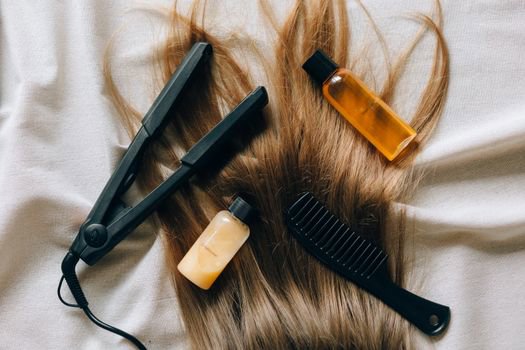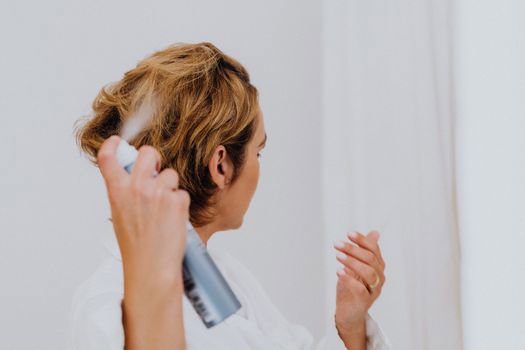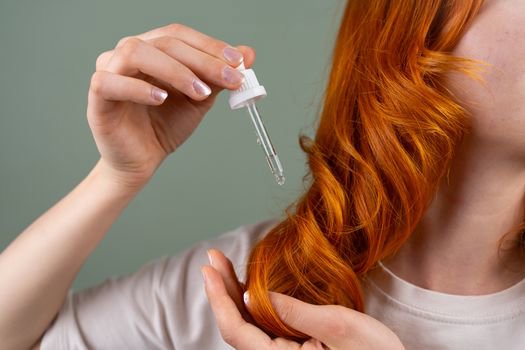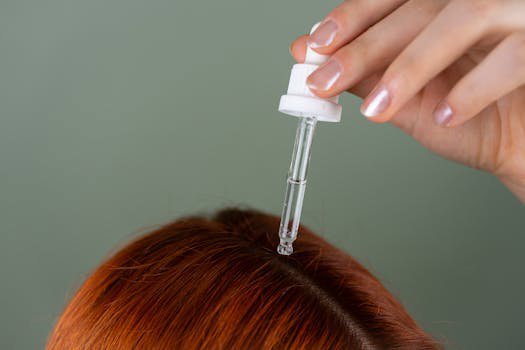
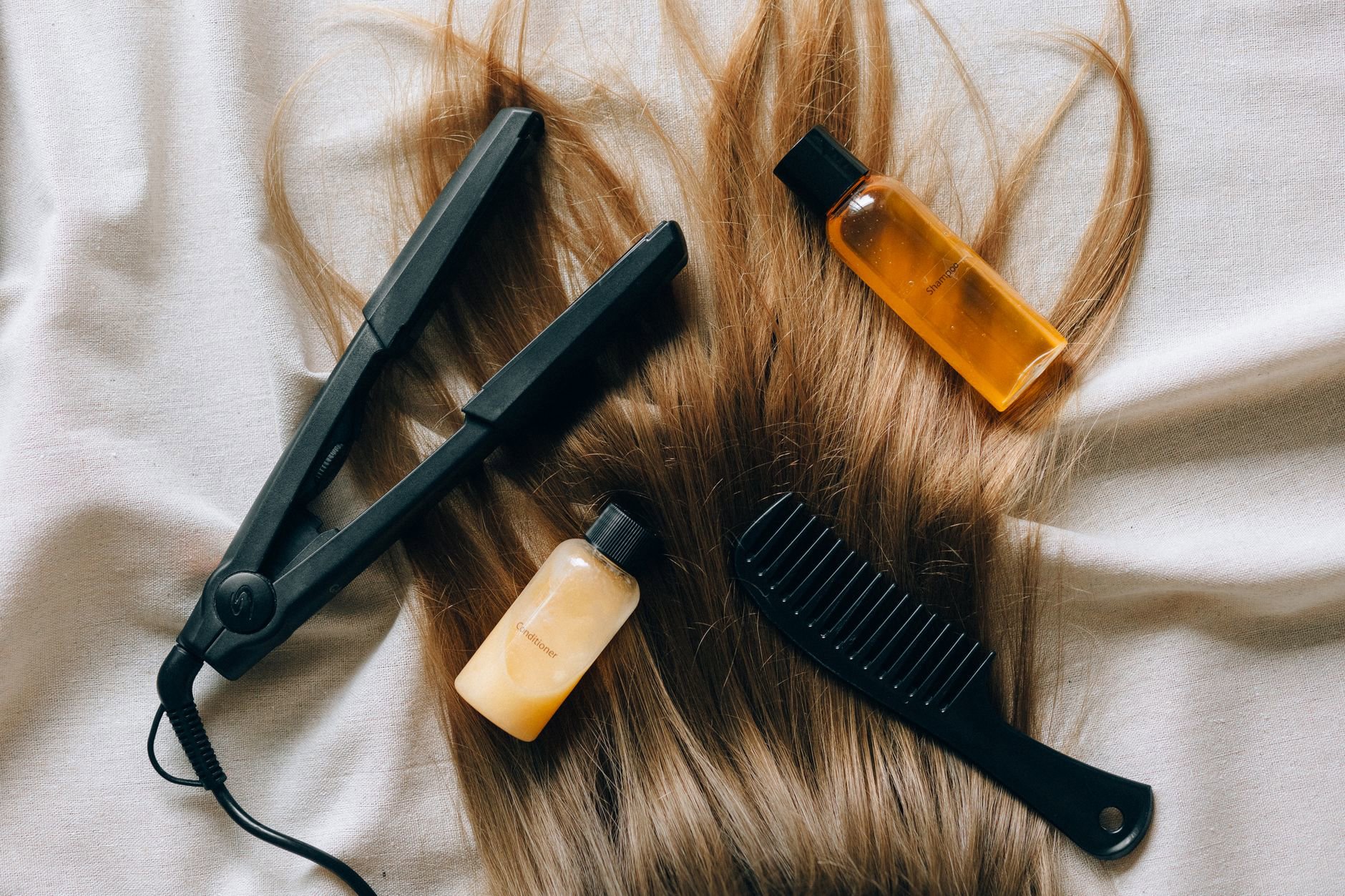
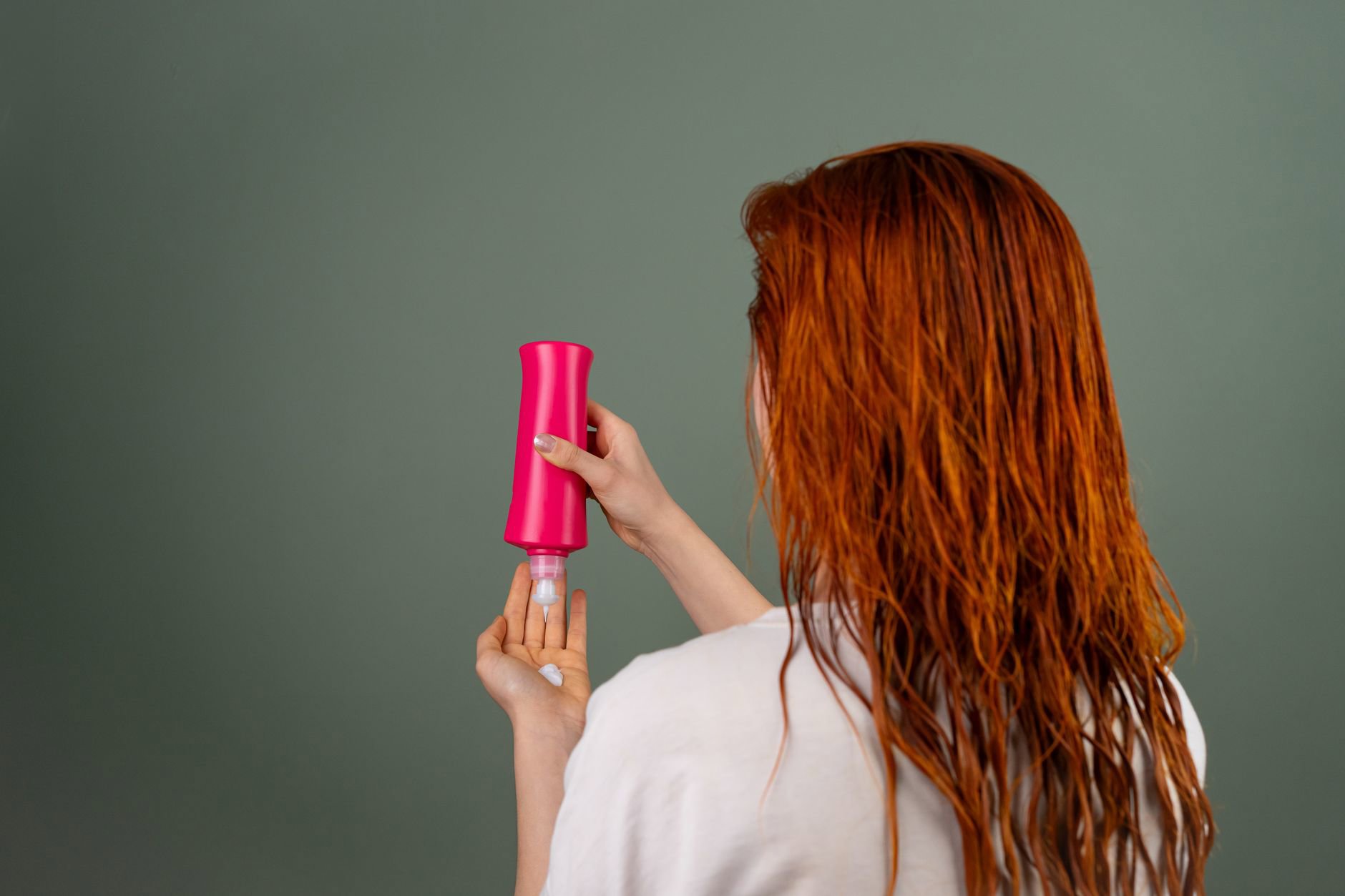
Apply leave-in conditioner to damp hair most of the time. It spreads faster, sinks in more evenly, and you use less product.
Wet hair works when you want maximum slip and hydration (often curls, coils, and very dry lengths). Dry hair works when you need targeted smoothing or frizz control on specific areas, but it also makes it easiest to overdo it.
The trick sits in the details: hair type, how porous your hair is, and whether your leave-in behaves like a cream, a milky lotion, or a reparative styling crème.
Wet vs damp vs dry: what actually changes
Hair behaves like a sponge with a cuticle. Add water and that cuticle lifts slightly, which helps conditioning agents spread. That sounds like a win, until you remember dilution.
On soaking-wet hair, a leave-in can slip on beautifully, but the excess water can carry product away. You may apply more to “feel it,” then end up with buildup once it dries. On damp hair (think towel-squeezed, not dripping), you get better adhesion and more predictable results.
Dry hair changes the whole game. There’s less water to help distribute the product, so you get concentrated placement. That’s perfect for spot-fixing frizz on mid-lengths and ends. It’s also where fine hair gets greasy fastest.
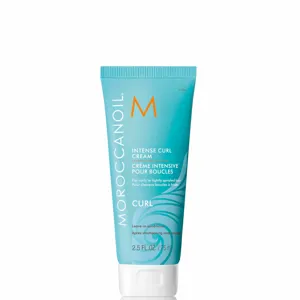
Ingredient behaviour matters too. Oils and butters sit differently from film-formers and bond-building systems. A rich curl cream like Moroccanoil Intense Curl Cream (from A$21.56) relies on argan oil plus vitamins for hydration and curl definition, so it usually plays nicest when hair still has some water in it.
Meanwhile, a styling crème that targets frizz and smoothness like Olaplex No.6 Bond Smoother (from A$42.12) often performs best when you apply it to damp hair and keep the amount tight. You want coverage, not coating.
Best method by hair type (and why)
Hair “type” tells you part of the story. Hair density, strand thickness, and porosity finish the picture. In Australian conditions—UV, dry heat in summer, humidity in the north—your method may even change by season.
Fine hair: start on damp hair and keep it away from roots. Fine strands show residue quickly because each strand has less surface area to hide product. A lightweight, milky leave-in like Umberto Giannini Leave In Conditioner (from A$21.46) can make sense here, because it’s designed as a first step to hydrate and enhance natural pattern.
Thick hair: you can go wet-to-damp. Thicker hair often needs more slip to detangle, and it tolerates richer textures. If you fight frizz plus bulk, a smoothing leave-in like Philip Kingsley Elasti-Styler 5-In-1 Treatment (from A$57.75) can be a good match, since it targets sleekness and smooth results with oils and vitamin E.
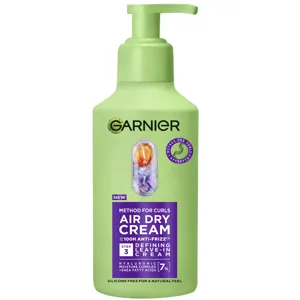
Curly or wavy hair: wet application often wins for definition. Water helps curls clump, and a cream can “set” the pattern as it dries. Two options that lean into this: Garnier Method For Curls Air Dry Cream (from A$19.58), designed to support curl formation without heat, and the richer Moroccanoil Intense Curl Cream (from A$21.56).
Damaged or colour-treated hair: aim for damp hair for even coverage, then add a tiny “top-up” on dry ends only if they still look thirsty. A reparative styling crème like Olaplex No.6 Bond Smoother (from A$42.12) focuses on smoothing, hydration, and frizz reduction, and it’s also colour-safe.
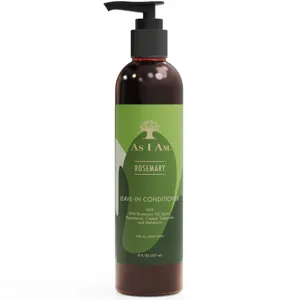
Scalp-focused routines: treat the scalp differently from the lengths. A leave-in such as As I am Rosemary Leave-In Conditioner (from A$16.46) positions itself as supporting a healthy-feeling scalp and stronger-looking hair with rosemary and saw palmetto, so many people prefer applying it with intention rather than blanket-coating everything.
How much to use (and how to spread it so it doesn’t go gross)
Most leave-in disasters come from one thing: too much product in one spot.
Instead of thinking “coin size,” think coverage. You want a thin, even film over mid-lengths and ends, not a waxy layer on top. Hair length, density, and whether your hair is wet or dry all change the dose.
We like this structure because it scales:
- Short to chin length: start with a pea-sized amount of a cream leave-in, or a small pump if the packaging uses pumps.
- Shoulder length: two pea-sizes, applied in two passes (back sections first, then front).
- Long hair: three small passes, but keep each pass light. If you feel you need heaps, your hair may be too wet or you may need better sectioning.
- Very dense curls/coils: apply in sections and add a little more to each section, rather than flooding the whole head.
Technique matters more than the number. Rub product between palms, then glaze it over the surface. Next, use “prayer hands” down the lengths. Finish with a gentle scrunch for curls or waves.
Then stop touching it.
If you struggle with greasy roots, keep a 5–8 cm buffer from the scalp. If your ends still feel dry, add a pin-head amount to just the last few centimetres once hair is nearly dry.
Product pick cheat sheet: which leave-in suits which hair state
“Leave-in conditioner” covers a lot. Some behave like a curl cream. Some act like a reparative styling crème. Some focus on bonds, fullness, or scalp comfort.
Here’s how we’d match the products in our tracker to wet, damp, or dry application, based on what each formula claims to do.
Wet hair (for slip, curl clumping, hydration)
- Garnier Method For Curls Air Dry Cream (from A$19.58): made to smooth and hydrate while supporting natural curl formation without heat. Wet application helps distribute creamy formulas through curls.
- Moroccanoil Intense Curl Cream (from A$21.56): adds shape and definition to curls and waves, with argan oil and vitamins for hydration. Wet hair often gives the bounciest, most even curl finish.
Damp hair (for even smoothing without heaviness)
- Olaplex No.6 Bond Smoother (from A$42.12): strengthens, hydrates, moisturises, and smoothes; also targets frizz. Damp hair helps you spread a small amount across more strands.
- ARKIVE Headcare The Bond Restoring Leave-In Conditioner (from A$31.36): delivers seven nourishing benefits and aims to minimise split ends and breakage while adding fullness, shine, and softness. Damp application supports consistent coverage.
- Umberto Giannini Leave In Conditioner (from A$21.46): a milky leave-in designed to hydrate and enhance natural pattern, with castor, jojoba, and coconut oils. Damp hair reduces the risk of oiliness on fine strands.
Dry hair (for targeted frizz and end-finishing)
- Philip Kingsley Elasti-Styler 5-In-1 Treatment (from A$57.75): built for sleek, smooth results with oils plus vitamin E. Used sparingly, it can work as a dry-hair finisher on mid-lengths and ends.
- As I am Rosemary Leave-In Conditioner (from A$16.46): positioned as scalp and hydration support. Dry application can suit targeted scalp work, but most people still prefer damp lengths for easier spread.
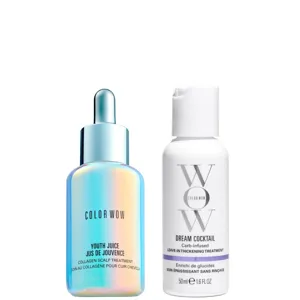
And one outlier: Color Wow Youth Juice And Carb Cocktail Duo (from A$109.76) bundles two targeted treatments in full and travel-friendly sizes, aimed at visibly fuller, more volumised hair. Because the listing covers multiple products, most shoppers apply each piece according to its specific directions and keep application precise.
How to avoid buildup, greasiness, and “crispy” frizz
Buildup doesn’t only come from “heavy” formulas. It often comes from repeating the same mistake: applying too much, too close to the scalp, too often.
Greasiness usually shows up when fine hair meets rich texture on dry strands. If that sounds familiar, shift your application to damp hair and cut your dose in half. If you use a richer curl cream, keep it to the lower half of your hair.
Fluffy frizz often comes from uneven distribution. Dry application can catch on the outer layer and leave the underneath thirsty. Switch to damp application, apply in sections, and don’t skip the back of your head.
“Crispy” frizz tends to happen when hair dries with product sitting on top rather than absorbed. You can spot it because the hair feels coated, but the ends still look rough. Fix it by applying less on wetter hair, and squeeze water out first so the formula grips instead of sliding.
We also see a common pattern in our price tracker behaviour: shoppers buy premium leave-ins, then over-apply because the texture feels light. That backfires. With products like Olaplex No.6 Bond Smoother (from A$42.12) and Philip Kingsley Elasti-Styler 5-In-1 Treatment (from A$57.75), the best results usually come from smaller amounts and cleaner sectioning.

Ingredient cues: what to look for in a leave-in for your application style
You don’t need to memorise INCI lists, but you can use a few cues to choose when to apply your leave-in.
Oils and lipid-rich blends often shine on damp hair and mid-lengths/ends. They can seal in moisture and boost softness, but they can also collapse fine roots. Products that call out oils in the description, like the argan oil focus in Moroccanoil Intense Curl Cream and the oil blend in Philip Kingsley Elasti-Styler 5-In-1 Treatment, often behave best when you avoid the scalp and keep the dose controlled.
Bond-building and breakage-focused claims usually pair well with damp application. You want even distribution across the lengths, because damage rarely sits in one neat patch. ARKIVE Headcare The Bond Restoring Leave-In Conditioner positions itself around bond building technology and minimising the look of split ends and breakage, which rewards consistent coverage.
Curl formation and definition claims often prefer wetter hair. Water supports clumping, and you can scrunch product in while hair still holds a strong curl shape. That lines up with how Garnier Method For Curls Air Dry Cream describes its role in supporting natural curl formation without heat.
Scalp-support ingredients sit in their own category. As I am Rosemary Leave-In Conditioner highlights rosemary and saw palmetto for a balanced, resilient feel. If scalp comfort drives your routine, apply where it counts, then keep the lengths lightweight.
If you want more general browsing around routines, GlamGeek groups hair categories under hair care. For context only, many people pair leave-ins with richer rinse-out categories like Moisturising & Nourishing Conditioners, but this guide sticks to leave-ins.
Practical routines you can use today (wet, damp, and dry)
Choose one routine and run it for a week. Consistency makes it easier to spot what your hair likes.
Routine A: damp-hair smoothing (most hair types)
After washing, squeeze out water with your hands. Towel-squeeze once. Apply a small amount of Olaplex No.6 Bond Smoother (from A$42.12) or ARKIVE Headcare The Bond Restoring Leave-In Conditioner (from A$31.36) to mid-lengths and ends. Comb through with fingers, then glaze any leftovers over the outer layer. Let it dry with minimal touching.
Routine B: wet-hair curl definition (waves to coils)
Keep hair wet. Apply Garnier Method For Curls Air Dry Cream (from A$19.58) or Moroccanoil Intense Curl Cream (from A$21.56) in sections. Use “prayer hands,” then scrunch upward. Squeeze out extra water at the end, not the start. That keeps definition.
Routine C: dry-hair tidy-up (frizz zones only)
Start with a pin-head amount of Philip Kingsley Elasti-Styler 5-In-1 Treatment (from A$57.75). Warm it between palms until it feels almost “gone.” Touch only the frizziest areas and the last few centimetres of ends. If you can feel product, you used too much.
Routine D: scalp-plus-length approach
If you bought a scalp-leaning leave-in like As I am Rosemary Leave-In Conditioner (from A$16.46), apply it where your scalp needs support. Then use a lighter pass on lengths. Keep the ends as the priority, not the roots.
Where to shop in Australia? These brands often appear across Mecca, Sephora Australia, Priceline, Chemist Warehouse, Adore Beauty, and MYER depending on the line. Our price tracking shows the best deals shift by retailer and by pack size, so it pays to compare before you commit.
If you want unrelated browsing for gifts or other categories, GlamGeek organises the wider site under skin care, makeup, and gift, but your leave-in results come down to technique more than category hopping.
One final check: when your hair dries, it should feel softer and look calmer. If it feels coated, drop the amount. If it feels dry, apply earlier (wetter) and in smaller sections.
What hair type and climate are you dealing with—fine and flat, thick and frizzy, or curls that puff up the second humidity hits?