
Across our merchant feed this week, one thing stands out: curl care is getting discounted harder than the rest of the aisle.
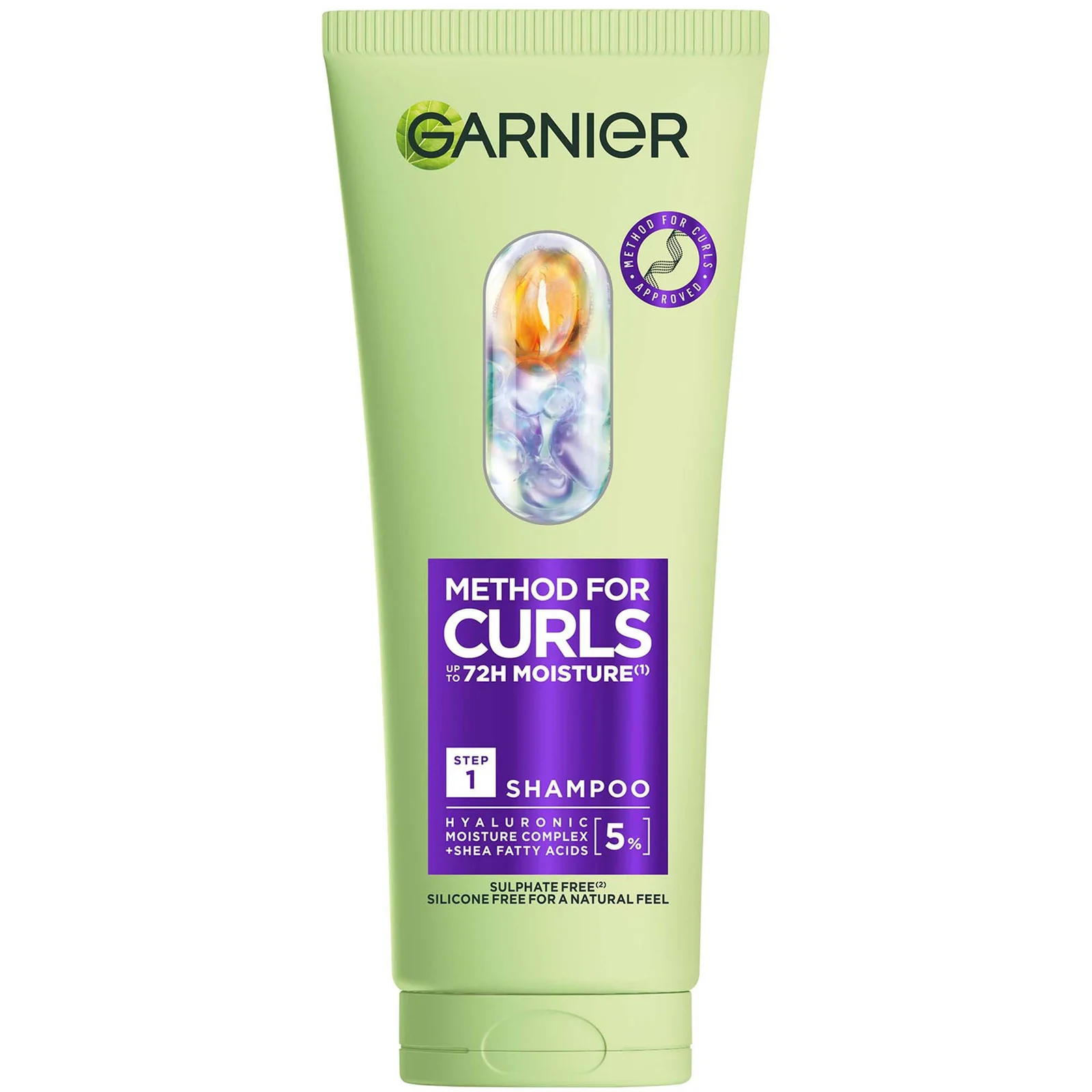
Garnier’s Method For Curls Air Dry Cream has dropped from A$19.58 to A$9.80 (49% off) at lookfantastic, and its matching conditioner has slid from A$15.66 to A$10.49 (33% off). That’s not a tiny promo. That’s a “stock up for winter” signal.
So we’re taking the stronger angle here: data-led. The headlines this month mostly circle “winter haircare” in broad strokes. Our tracker shows where the real leverage sits right now: curl definition, frizz control, and scalp-friendly basics at unusually low pricing.
Why winter makes curls harder in Australia (even when it’s not that cold)
Australian winter hair problems don’t come from snow. They come from dry indoor air, hot showers, and big day–night temperature swings. Add a windy commute and heated styling tools, and curl patterns start behaving like they’ve forgotten the plan.
For curly and wavy hair, hydration isn’t just “more conditioner”. Curls need water + film-formers that reduce moisture loss, plus enough slip to stop friction damage. When the air gets drier, hair loses water faster. That pushes cuticles up, increases roughness, and makes frizz look louder.
Winter also nudges many women into heavier layers, scarves, and coat collars. That constant rubbing can break up clumps and turn defined curls into a halo. If you only change one thing for winter, change how you protect your curl clumps from friction.
The price-data signal: what the Garnier drops tell us
When a mainstream brand discounts a whole mini-routine at once, it usually means one of three things: a seasonal push, a retailer promotion cycle, or a range reset. We can’t see the internal reason. We can see the consumer opportunity.
Right now, our price tracker shows these three notable drops at lookfantastic:
- Garnier Method For Curls Air Dry Cream — was A$19.58, now A$9.80 (49% off)
- Garnier Method For Curls Conditioner — was A$15.66, now A$10.49 (33% off)
- Garnier Pure Active 8Hr Invisible Hydrocolloid Blemish Patch — was A$15.66, now A$10.45 (33% off)
Two are hair, one is skin. That matters because it suggests a broader promo cadence rather than a single product clearance. In plain English: the discount looks more like a retailer-wide event than a one-off.
For women shopping in Australia, lookfantastic pricing can undercut local shelves, but shipping times and returns differ from Mecca, Priceline, Chemist Warehouse, Adore Beauty, Sephora Australia, and MYER. If you want the deal, factor in delivery timing. If you want speed, use the discount as a benchmark and check local promos.
How to choose a curl cream in 2026: ingredients that actually matter
Marketing copy loves “defined curls” and “bounce”. Ingredient lists do the real work. A curl cream earns its place when it balances three jobs: conditioning, clumping, and hold.
Conditioning and slip: Look for fatty alcohols (like cetyl/stearyl alcohol) and cationic conditioners (often “behentrimonium” ingredients). These reduce friction so curls form smooth clumps instead of splitting into flyaways. This is especially useful in winter when scarves and knits rub at the hairline and nape.
Clumping and hold: Polymers and film-formers help curls keep shape as hair dries. If you prefer soft definition, you can rely on cream alone. If you want strong definition, you usually need a second step (gel or mousse). Cream by itself often won’t out-muscle humidity swings in Brisbane or Darwin.
Humectants: Glycerin can feel great in moderate climates, but it can pull moisture in or out depending on humidity. In a dry heated room, too much humectant sometimes leaves hair feeling rough later. That doesn’t mean “avoid glycerin”. It means watch how your hair feels on day two.
If you’re building a winter routine from scratch, start with a reliable conditioner and a curl cream, then add a hold product only if you need it. For browsing alternatives across budgets, our hair care pages make it easier to compare what’s in stock where.
A winter curl routine that works: step-by-step (and fast)
Most curl routines fail because women apply products to hair that’s too dry. Water is the first styling product. In winter, you often need more water in the styling stage, not more oil at the end.
Step 1: Cleanse without over-stripping. If you wash daily, pick a gentle shampoo and focus on the scalp. If you wash less often, clarify occasionally to remove build-up that blocks moisture. Build-up can make curls feel “dry” even when you keep adding conditioner.
Step 2: Condition like you mean it. Apply conditioner and detangle in the shower. This is where you prevent breakage. If you’re shopping the current deals, the Garnier Method For Curls Conditioner sits at A$10.49 (down from A$15.66) at lookfantastic in our tracker, which makes it a low-risk staple to trial.
Step 3: Style on soaking-wet hair. Split hair into 2–4 sections, smooth curl cream through with “praying hands”, then scrunch. If your curls look stringy, add more water and re-scrunch before you add more product.
Step 4: Set the cast (optional). If your hair frizzes the minute it dries, add a light gel over the cream. If you hate crunch, use less gel and scrunch it out once fully dry.
Step 5: Dry with less friction. A microfibre towel or cotton tee beats a rough towel. Diffuse on low heat if you need speed, and stop touching once curls start forming.
Mask, bond repair, or both? How to pick the right “winter treatment”
Winter haircare headlines love masks and bond repair, and for good reason. Many women colour their hair, heat-style, or both. That combination can push hair into a cycle where it feels dry, then snaps, then frizzes, then feels even drier.
Here’s the practical distinction:
- Hydrating masks improve softness and manageability by adding emollients and conditioners. They help curls clump and reduce tangles.
- Protein or strengthening treatments can improve resilience, but too much can make hair feel stiff. If your hair feels “crispy” after treatments, pull back.
- Bond repair targets certain types of chemical damage. It can help if you bleach, highlight, or heavily colour.
- Oils and silicones can reduce friction and increase shine. They don’t “hydrate” hair, but they can make hair behave better in dry air.
For curls, we generally rate a simple approach: mask once weekly, bond repair as needed, and keep daily styling light enough that you don’t need harsh cleansers to remove it.
If you want a quick shopping shortcut, look at the category level first. Our tracker helps you compare options across Hair Masks and everyday staples like Moisturising & Nourishing Conditioners without guessing what’s “supposed” to work.
Frizz control in humid north vs dry south: adjust one variable
Australia doesn’t have one winter. Perth and Adelaide often bring dry air. Sydney swings. Brisbane and further north can still throw humidity into the mix, even in cooler months.
Instead of buying entirely different products, adjust one variable: hold level.
In dry climates, too much hard-hold gel can leave curls feeling brittle on day two. Use a cream-first routine, then add a tiny amount of gel only where frizz starts (usually the crown and the outer layer). Finish with a light oil on the ends if they feel rough.
In humid climates, cream alone often won’t hold. Use curl cream on wet hair, then layer gel or mousse evenly. Let hair dry fully before you scrunch out the cast. If you scrunch early, you break the film and invite frizz back in.
Women also forget the friction factor. Satin pillowcases and loose “pineapple” tying reduce overnight frizz more than most last-step serums. It’s boring. It works.
Winter scalp and skin side-quests: why pimple patches belong in the same cart
Haircare doesn’t live in isolation. Winter brings heavier hair products, more hats and beanies, and more face-touching. That mix can show up as hairline congestion or cheek breakouts, especially if you wear richer makeup bases.
That’s why the third discount in our feed matters. The Garnier Pure Active 8Hr Invisible Hydrocolloid Blemish Patch has dropped from A$15.66 to A$10.45 (33% off) at lookfantastic, per our tracker. Hydrocolloid patches can help protect a spot from picking and reduce friction under makeup.
If you use hair oils or heavy creams near the face, keep them off the hairline and temples. Apply styling products with “praying hands” mid-lengths to ends first, then use what’s left on your palms for the outer layer. This tiny technique reduces transfer onto skin.
If you already run a consistent routine, don’t overhaul everything at once. Keep your cleanser and moisturiser steady, and change one variable: either swap to lighter leave-ins near the face or add pimple patches for the occasional flare.
For women building a winter routine from scratch, start with the basics across skin care and keep SPF daily. Australia’s UV stays high, even when the air feels cool. Our SPF Protection Products category helps you compare formulas that sit well with hairline styling and makeup.
Smart buying in Australia: avoid the “Australia tax” without chasing chaos
Australian beauty pricing often carries a premium, especially for imported ranges. Sometimes that premium buys you easier returns and faster shipping. Sometimes it’s just margin.
Our approach: use a current low as an anchor, then shop with intent. This week’s anchor is clear: A$9.80 for the Garnier Method For Curls Air Dry Cream (down from A$19.58) at lookfantastic. If you see a similar curl cream at full price locally, you now have a reference point for what “good value” can look like.
Also watch the pattern. When conditioner and styler discount together, you can buy a matched pair and actually learn what the products do, because you remove the “wrong pairing” variable. That saves money long-term because you stop panic-buying three extra stylers to fix one problem.
If you prefer shopping in-store, Priceline and Chemist Warehouse promos often cycle through haircare, while Mecca and Sephora Australia tend to hold price but add value via sets or samples. For gifts or restocks, browsing Skin Care Sets can sometimes beat buying singles, but only when you’ll use every item.
What this means for your winter routine (and your wallet)
If your curls go flat, frizzy, or undefined in winter, don’t default to “my hair is damaged”. In Australia, winter behaviour often comes from dehydration, friction, and the wrong drying technique. Fixing those costs less than chasing a new miracle product.
From a budgeting perspective, our price data points to a clear move: if you want to trial a curl cream and conditioner without paying full freight, this is a strong week to do it. The Garnier Method For Curls Air Dry Cream at A$9.80 and the matching conditioner at A$10.49 lower the entry cost. The blemish patch discount at A$10.45 adds a practical extra if winter congestion shows up around your hairline.
Over to you
What’s your winter hair issue this year: dryness, frizz, or curls losing shape on day two? Tell us what you’re dealing with, and we’ll point you to the routine tweaks that give the biggest return without buying a whole new shelf.