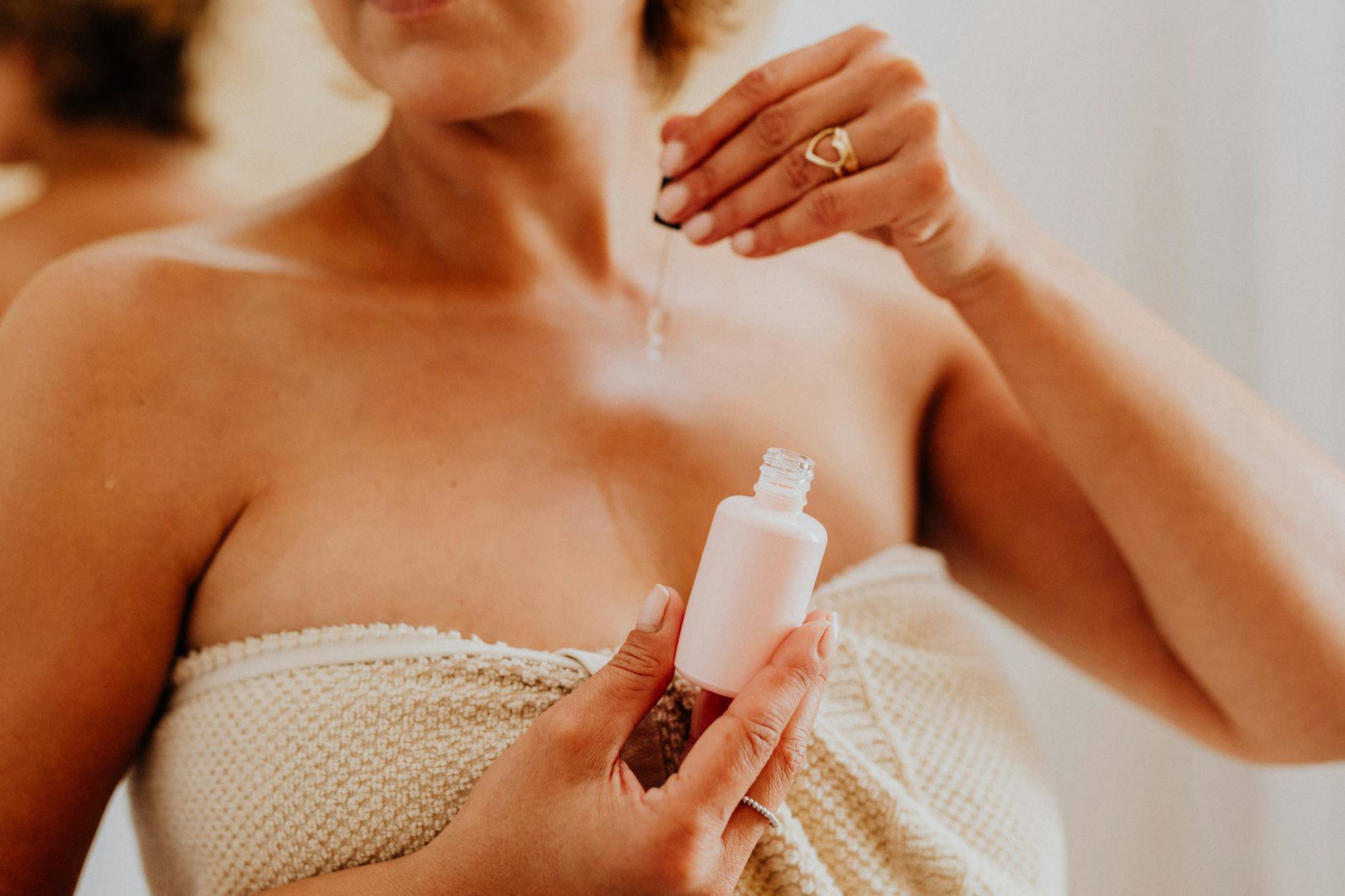
Peptide serums keep selling out across Australia, yet most product pages still bury the actual peptide behind glossy claims. Our tracker flags repeat stock dips at Sephora Australia, Adore Beauty, and Priceline every time a new copper peptide drops or a press mention lands. Demand stays high. Confusion stays higher.
The truth: peptides can help, but only if you pick the right type, layer them well, and give them time. They suit our climate because they don’t increase sun sensitivity, and they play well under SPF50+. That last bit matters here more than anywhere.
We pulled together what works in 2026, what to skip, and which Australian stockists carry the formulas worth your money. No hype. Just ingredients, techniques, and where to find them when the next flash sale hits.
Peptides sit in cosmetic territory, not prescription. Expect support, not miracles. The strongest data sits behind signal peptides like palmitoyl tripeptide-1 and peptide blends that include palmitoyl tetrapeptide-7. Copper tripeptide-1 earns attention for skin quality and tone evenness. Acetyl hexapeptide-8 targets dynamic lines. You’ll see these names on the INCI list; you won’t always see the percentage, because brands rarely disclose it.
Australian conditions shape the routine. High UV runs year-round, and summer heat punishes heavy textures. Peptides slot in because they don’t clash with sun. You can use them morning and night, under sunscreen, and under makeup. You still need patience. Most users see changes after 8–12 weeks, not overnight.
Retail behaviour backs the buzz. Since 2010 we’ve tracked prices and availability across Mecca, Priceline, Chemist Warehouse, Adore Beauty, Sephora Australia, and MYER. We see peptide-led launches crowding the “anti-ageing” shelves each quarter. We also see meaningful price variance between retailers, especially during weekend sales and sitewide promos. If you plan a buy, add it to your GlamGeek wishlist and we’ll ping you when the price moves.
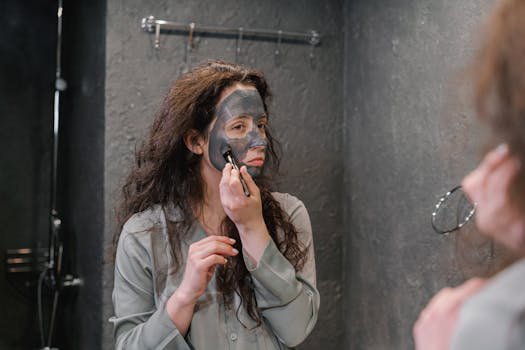
{{IMAGE:woman applying serum outdoors}}What peptides actually do on skin in 2026
Peptides are small chains of amino acids. Skin reads some of them as signals. That signalling can nudge repair, support the barrier, and encourage a smoother look over time. Not every peptide type does the same job, so match them to your goal.
Signal peptides such as palmitoyl tripeptide-1 and palmitoyl tetrapeptide-7 often appear together. You’ll know the blend under trade names like Matrixyl, but check the INCI list, not the slogan. These blends aim for firmness support and wrinkle depth reduction over months, not days.
Copper tripeptide-1 brings the blue tint and a lot of chatter. Formulators use it for general skin quality, bounce, and an even tone appearance. It also features in hair and scalp products, but here we stay with face care. Copper peptides suit both morning and night in Australia since they don’t chase sun exposure.
Neuro-targeting peptides like acetyl hexapeptide-8 sit in a different lane. They focus on expression lines. Expect subtle smoothing with regular use. Pair them with hydrating bases and humectants to get a plump, makeup-ready surface that behaves through humidity.
How to pick a peptide serum for Australian conditions
Start with the texture. Our summers push heavy formulas off the face by noon. Serums that feel weightless and layer under SPF win here. Look for water-based gels or light emulsions that dry down fast. A sticky finish under sunscreen plus foundation rarely lasts past lunch.
Check the INCI list for named peptides, not vague “peptide complex” claims. Palmitoyl tripeptide-1, palmitoyl tetrapeptide-7, acetyl hexapeptide-8, copper tripeptide-1, and tetrapeptide-21 are the usual suspects. If a brand hides them behind a trademarked blend, scroll for the actual names. If you can’t find any, skip it.
Consider your routine. If you already use retinoids at night, choose a peptide serum that hydrates and calms. If your morning routine leans vitamin C, pick peptide products that avoid formula clashes and sit cleanly under SPF. You can find many of these in Anti Ageing Face Serums and then shortlist by texture and finish.
Packaging matters in Australia’s heat. Airless pumps or opaque bottles protect delicate peptides. A wide-mouthed jar in a steamy bathroom stacks the deck against stability. That packaging choice often explains why prestige serums cost more. You pay for the formula and the container that keeps it effective.
Copper peptides, vitamin C, and retinoids: use them smartly
People argue about copper peptides and L-ascorbic acid in the same routine. The internet loves drama. Here’s the calm version: strong, low-pH L-ascorbic acid serums and copper peptides may not make the best direct partners on the same layer. You can still use both by splitting morning and night or alternating days. That approach keeps peace on your face and inside your bathroom cabinet.
Retinoids and peptides often make a good team. Retinoids do the heavy lifting on texture and collagen support. Peptides can offer comfort and extra signal support. Many women layer a peptide serum under a night moisturiser with retinoid on top. If you want a simpler route, look for a night cream that already blends both actives. Check options from Clinique and Estée Lauder and compare textures before you commit.
Niacinamide sits well with most peptide blends. So do ceramides and hyaluronic acid. That trio creates a calm, plump surface for makeup. If you wear longwear foundation, keep acids and high-fragrance formulas away from the immediate pre-makeup step. A clean peptide layer, then SPF, then primer works better on hot days.
Still unsure? Keep copper peptides at night and use your brightening vitamin C in the morning. Save your retinoid for night as well, but alternate nights with copper peptides if your skin leans sensitive. Patch test new combos on the side of the face for a few days before going full face.
Local picks to look at (and a few to skip)
Australian shelves hold plenty of peptide talk, but only some bottles justify the basket. Start with classic, steady formulas from brands that disclose their peptides and protect them with smart packaging. Estée Lauder maintains several peptide-led serums and eye treatments that slot under moisturiser and SPF without pilling. Our feed shows frequent limited-time markdowns at MYER and Adore Beauty, so set a wishlist alert if you plan a buy.
Clinique builds peptide support into its repair range, with light textures that suit humid mornings. Clinique eye treatments often include peptide blends plus humectants, which makes them good for delicate lids under concealer. Sephora Australia and MYER stock them widely, and we see value bundles during holiday windows.
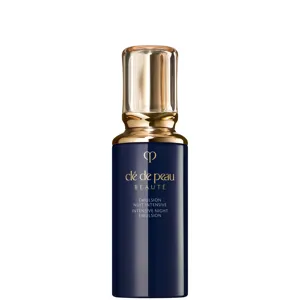
Shiseido focuses on eye-area resilience and firmness support. The brand sells refined textures that sit well on mature skin without rolling under SPF. Look for peptide mention high on the INCI and an airless pump. Expect higher ticket prices. Our tracker still spots competitive offers, especially when MYER runs multi-brand events.
For chemist options, L'Oréal loads peptides into parts of the Revitalift lineup alongside hyaluronic acid. Priceline and Chemist Warehouse often alternate promos. Compare per-millilitre pricing, not just the sticker, because bottle sizes vary across the range.
We also see peptide-adjacent claims crop up inside moisturisers at accessible price points. Check labels from Garnier and The Body Shop. Some jars focus on antioxidants or plant actives rather than true peptides. No shade, but if you want peptide results, confirm the INCI lists named peptides before you tap “add to cart.”
What to skip? Skip creams that shout “peptide complex” without any peptide names listed. Skip opaque jars that live open in steamy bathrooms. Skip products that only list “hydrolysed collagen” and nothing else when you want peptide signalling. Those choices may hydrate. They won’t deliver what the peptide hype suggests.
Layering under SPF and makeup that lasts in heat
Australian mornings need sunscreen discipline. SPF50+ goes on every day you see daylight. That includes winter school runs and early coffee walks. Peptides make this easier because they don’t increase photosensitivity. Keep your peptide serum light and let it absorb before sunscreen.
We rate a simple morning stack: peptide serum, a light day cream if you need it, then SPF. Choose non-greasy moisturisers from Day Face Moisturisers that won’t swamp SPF. Then pick your sunscreen from SPF Protection Products with a finish that suits your skin type. Matte gel textures hold makeup better through humidity.
If you wear base, slot a primer over sunscreen. That extra film helps foundation grip in heat. Browse Face Primers with claims for humidity resistance. Then choose longwear bases from Liquid Foundations, and apply in thin layers. Heavy one-and-done coats crack faster when the UV index spikes.
For evenings, double down on comfort. Cleanse well, apply a peptide serum, then a night cream. Rich creams lock in the actives and stop that tight, air-conditioned feel. See Night Face Moisturisers for textures that cushion without clogging. Heat and indoor cooling strain the barrier. Peptides plus ceramides help you wake up smooth, not shiny.
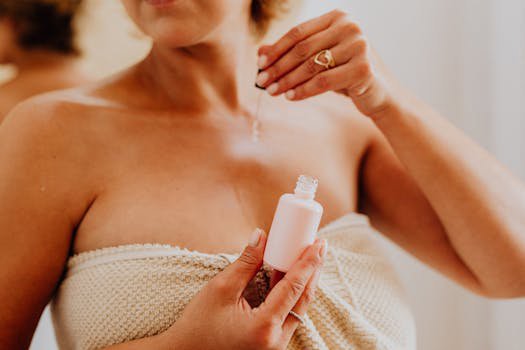
{{IMAGE:close-up serum texture on female hand}}Budget vs prestige: paying for peptides in Australia
Why does one peptide serum cost triple another? Several reasons. You pay for peptide purity, blend design, supporting ingredients, and packaging that protects a delicate formula. You also pay the Australia tax on imported prestige items. Freight, duties, and smaller order volumes push local shelf prices up compared to overseas.
Our data shows promotions smooth those gaps. Chemist chains run weekly offers. Department stores time brand events. Online retailers stack vouchers with sitewide sales. We track all of this. Check GlamGeek before you buy, or add your target to your wishlist and wait for the ping. We see regular deltas between full price and promo price that justify patience.
Prestige picks from Estée Lauder, Clinique, and Shiseido bring silky textures and robust packaging. Mass options from L'Oréal often deliver strong value per millilitre. If you plan to use peptides long term, cost per day matters more than launch RRP. A serum that you enjoy and finish beats a fancy jar that sits in a drawer.
Watch for import-only drops that influencers share. Some of those bottles never land at local counters. You can still buy them, but returns and support get tricky. When local stock exists, we favour it for easier exchanges and better expiry control.
Timelines, patch tests, and realistic results
Peptides need time. Most women who stick with daily use see smoother makeup laydown within weeks from hydration alone. Visible texture or firmness shifts often arrive after 8–12 weeks. Maintain the routine for a full season before you judge the bottle.
Patch test new formulas. Apply behind the ear or on the jawline for several days. Watch for redness or stinging. Peptides themselves rarely cause trouble, but serums often carry preservatives, fragrance, or solvents that can. If your skin reacts, stop and simplify. Bring products back one by one once everything calms down.
Keep expectations steady. Peptides won’t replace retinoids for texture overhaul. They won’t erase deep-set lines. They shine when you want comfort, maintenance, and a steadier barrier that helps other actives feel kinder. That balance suits Australian living, where consistent SPF and heat-proof makeup matter more than overnight drama.
Peptides by concern: match the molecule to your goal
Fine lines around eyes: look for palmitoyl tripeptide-1 and palmitoyl tetrapeptide-7 in a cushioned eye cream. You want slip without heavy oils. That finish stops concealer from creasing. Brands like Shiseido and Clinique keep one eye on makeup compatibility, which helps a lot in summer.
Expression lines on the forehead: acetyl hexapeptide-8 can nudge smoother movement with steady use. Place it under a hydrating serum and a light moisturiser. That sandwich keeps the area plump under SPF. If shine builds up by noon, swap to a gel moisturiser from Day Face Moisturisers.
Loss of bounce and tone: choose blends that list tetrapeptide-21 or copper tripeptide-1. Use them at night with a ceramide-rich cream from Night Face Moisturisers. Add a weekly mask only if your skin tolerates it. More steps don’t always mean better results in heat.
Red, fussy barrier: aim for peptide serums paired with niacinamide and glycerin. Avoid strong acids until your barrier feels stable. Keep the routine quiet for a month. Sunscreen remains non-negotiable. Your serum means little if UV keeps undoing the work.
Application techniques that actually improve results
Use the right amount. Two to three drops usually cover a face and neck when the serum uses a fluid base. More doesn’t help. It often just pills under sunscreen. Spread with light, flat palms rather than pointy fingers. That approach reduces streaks and saves product.
Apply on damp skin after cleansing, but not wet. A thin film of water helps peptides and humectants draw in. Then pause. Give each layer a minute. That little wait can halve pilling under SPF and foundation. Your morning routine may take three more minutes. Your makeup will thank you at 3 p.m.
Store smart. Keep peptide serums out of sunlit bathrooms. Heat degrades formulas faster than age. If your bedroom stays cooler, park the bottle there. Travel with smaller, opaque containers when possible. Many prestige brands supply minis inside value sets, which helps here.
Shop it smart with GlamGeek
We track prices and stock across Australian retailers so you don’t have to keep five tabs open. If you’re eyeing a peptide serum from Estée Lauder, Clinique, Shiseido, or L'Oréal, check the product on GlamGeek first. Add it to your wishlist and we’ll alert you when a promo drops at Sephora Australia, Adore Beauty, MYER, or the chemists.
Hunting for textures that sit well under sunscreen and foundation? Filter our Anti Ageing Face Serums by finish and brand, then cross-check with SPF Protection Products that match your skin type. We group reviews and prices in one place, so you can weigh performance against budget without guesswork.
What this means
Peptides deserve a place in most Australian routines. They support skin without clashing with SPF and heat. Pick the right peptide for your goal, keep the texture light, and give the bottle time to work. Layering well matters more than buying the most expensive serum on the shelf.
Shop with intent. Look for named peptides on the INCI list and protective packaging. Compare prices across local stockists before you pay. Our data shows regular swings between retailers, so wishlist your target and wait if you can. Your budget stretches further when you buy on a promo day rather than on impulse.
Where to start today
Begin with a simple change. Add one peptide serum that lists its actives clearly. Use it twice a day under SPF for a full season. If you prefer an all-in-one, try a moisturiser that mixes peptides with ceramides and niacinamide from Day Face Moisturisers for mornings and Night Face Moisturisers for evenings.
When you’re ready to buy, open the product on GlamGeek, scan the retailer list, and add it to your wishlist. We’ll watch prices across Mecca, Priceline, Chemist Warehouse, Adore Beauty, Sephora Australia, and MYER. You focus on wearing SPF and staying cool. The alert lands when the price moves.
Which peptide has worked best for your skin type, and how do you layer it under sunscreen on hot mornings? Tell us your routine tweaks and which local stockist treated you right this year. The comments help other women sort the signal from the noise.
![Lumene Nordic-C [Valo] Glow Cream Spf30](https://media.glamgeek.com/media/2026/02/06/c0cef909-16ab-49f9-865e-278e63871493_sm.jpg)