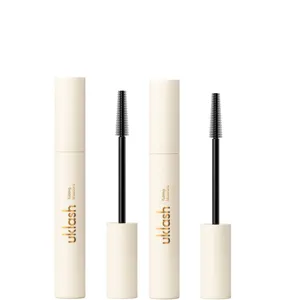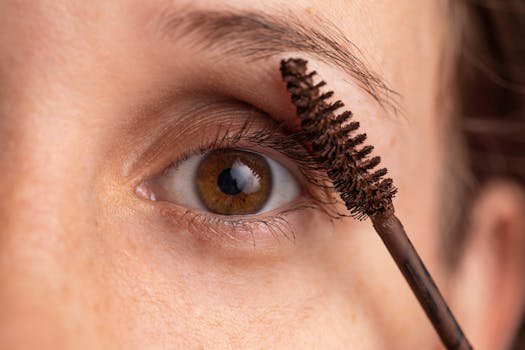
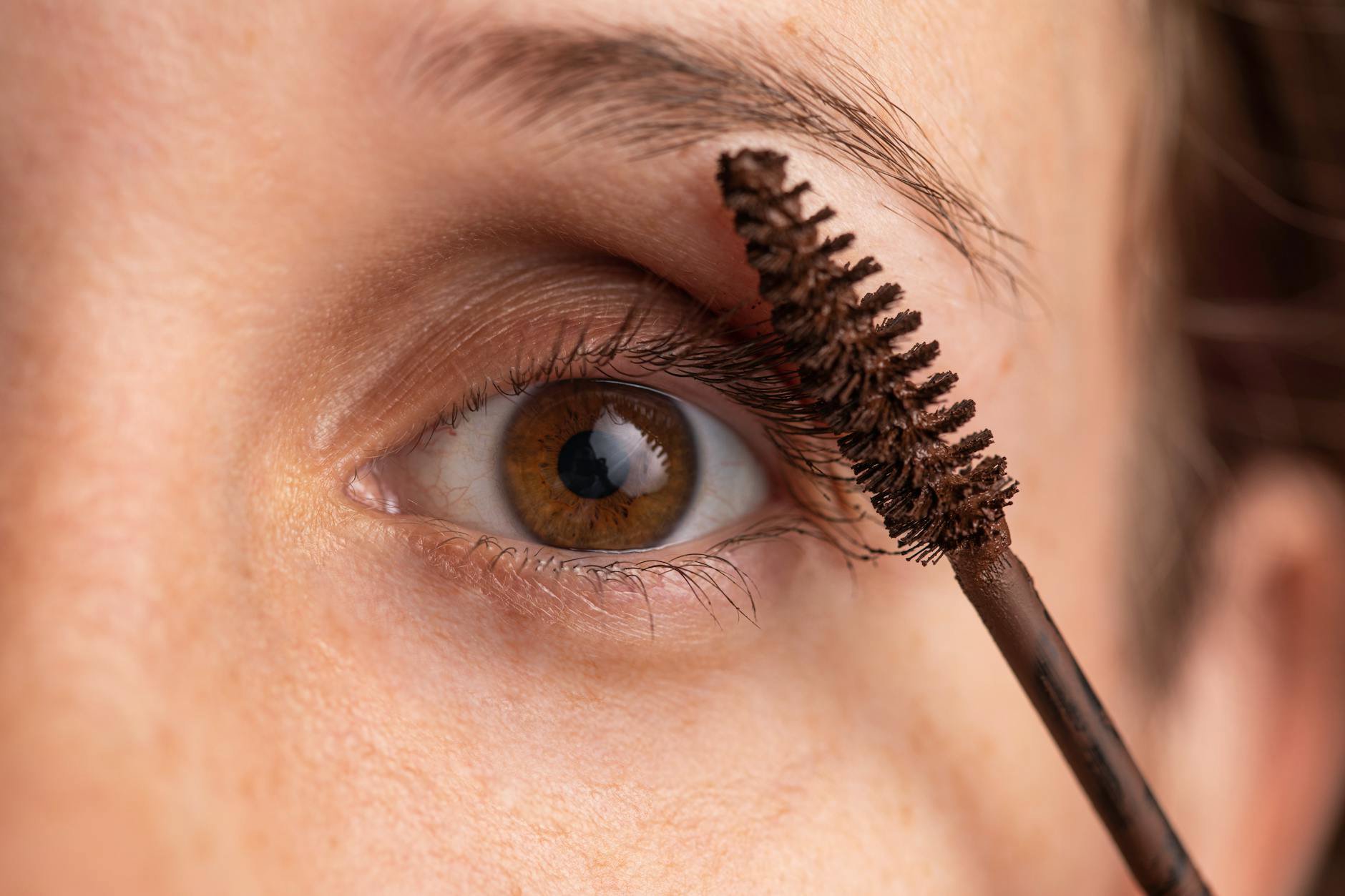
Tubing mascara is a type of mascara that forms tiny “tubes” around each lash, so it resists smudging and flaking far better than many traditional formulas—and it comes off with the right technique, not brute force.
If you’ve ever looked in the mirror at 3pm and found a grey shadow under your eyes (hello, Australian humidity), tubing mascara sits firmly in the “worth knowing” category. The trade-off: removal works differently, and if you rub like you’re taking off paint, you’ll lose lashes.
I’ll break down what tubing mascara is, how it behaves, who it suits, and exactly how I remove it without drama.
What “tubing” mascara actually means (and why it wears differently)
Most classic mascaras rely on pigments, waxes, and oils that coat the lash. They look great, but they can soften with heat, mix with skin oils, and migrate. That’s how you end up with smudges on the lower lash line, especially if you have hooded lids, watery eyes, or you live through a sticky summer.
Tubing mascaras work by forming a flexible film around the lash. Instead of staining and melting, the film holds its shape. Think of it as a lightweight sleeve that wraps each lash from root to tip.
Here’s the key: tubing mascaras tend to come off in “bits” or little lash-shaped tubes when you remove them properly. That sounds alarming until you see it once. It’s normal. You’re not pulling out your lashes—you’re sliding off the film.
Not every mascara marketed as long-wear is a true tubing formula. Some are simply very tenacious traditional mascaras. From the mascaras I can reference here, the clearest tubing-style option is Stila Stay All Day® Mascara (from A$39.20), which explicitly uses a tubular formula designed for maximum staying power from morning to evening.
That “locked in place” wear matters in Australia. Between UV, sweat, and the general reality of commuting in warm weather, mascara that stays put without turning into under-eye shadow can make your whole face look more polished.

Tubing vs regular mascara: smudging, flaking, and the lash look
Let’s talk results, because tubing mascara isn’t automatically “better”—it’s different.
Smudge-resistance: Tubing formulas usually win. Because the film doesn’t dissolve as easily with skin oils, you get less transfer to upper lids and under-eyes. That’s why I steer oily-lid people toward tubing when they complain about panda eyes.
Flaking: Traditional mascaras can flake as they dry down and break apart through the day. Tubing mascaras often shed less because the film stays intact. If they do shed, it can look like tiny fibres rather than black dust.
Finish and volume: This is where personal taste kicks in. Tubing mascaras often give a clean, defined, length-forward look. If you want a heavy, plush, “push-up” lash, you might prefer a more classic volumising formula.
For that classic, bold mascara impact, I look at options like Nars Cosmetics Climax Mascara (from A$29.40). Its description focuses on an extremely pigmented jet black shade and an instant shot of volume in just one coat.
And if you want lift plus a fanned-out, lash-by-lash effect, Lancôme Lash Idôle Flutter Extension Mascara (from A$27.44) targets that “fluttery” finish with a precision brush that combs pigment through the lashes.
Then there’s the dependable “defined but not crunchy” camp: Clinique High Impact Mascara (A$42.50) sits in that thickening, volumising, lengthening zone, with a brush designed to thicken and separate.
So if you love the look of your current mascara but hate the smudge, tubing can solve a specific problem. If you love big, blown-out volume, you may still prefer a traditional volumiser—and just adjust your wear strategy.
Who tubing mascara suits best (and when I’d skip it)
I recommend tubing mascara most often to three groups: oily-lid people, contact lens wearers, and anyone with watery eyes. If your mascara breaks down from tears, wind, or allergies, a tubing film often holds up better than waxy formulas that smear once they mix with moisture.
It also suits anyone who wants a reliable workday face. You put it on at 7am, you look in the mirror at 5pm, and you still look like yourself. No under-eye cleanup in the office bathroom.
Where tubing can feel less ideal: if you want extremely soft, fluffy volume with lots of layering. Some tubing mascaras can feel “set” faster, so you need to work a bit more efficiently. Also, if you love using oily removers and quick wipes, tubing can frustrate you because oil isn’t always the fastest route for removal.
In that case, you might prefer a non-tubing mascara that still focuses on defined separation. Clinique High Impact Mascara offers that intensify-and-separate approach, which many people find easier to build without the “snap” of a film formula.
One more real-world consideration for Australians: if you’re strict with your SPF Protection Products (as you should be), you may apply sunscreen up close around the eyes. Some sunscreens leave a slightly emollient finish, which can encourage smudging with traditional mascaras. Tubing can help, because it tends to resist that oily slip better.
But if your eyes sting easily, keep your sunscreen placement smart either way. I keep it off the lash line itself and blend outward.
How to apply tubing mascara so it looks its best (and doesn’t “spit”)
Tubing mascara rewards technique. You don’t need a complicated routine, but you do need to be deliberate.
When I apply a tubing formula like Stila Stay All Day® Mascara, I focus on even coating and clean separation. Stila pairs its tubular formula with a curved brush designed to lift and define, and the staying power means you want the placement right from the start.
My step-by-step:
- Start with dry lashes. If you’ve just applied skincare, wait a minute. Any slip at the roots can reduce grip.
- Wiggle at the base, then sweep up. A small side-to-side motion at the root helps the tubes catch the lash evenly.
- Comb through the mid-lengths. Use lighter pressure so you don’t overload the tips.
- Work one eye at a time if you layer. Tubing formulas can set faster than creamy volumisers.
- Keep lower lashes minimal. One light pass often looks cleaner and stays neater.
If you love a more dramatic look, you can still go bolder—just consider whether you actually want a tubing finish. For quick, high-impact volume, Nars Cosmetics Climax Mascara aims to boost lashes with volume in one coat, which suits people who want payoff without much layering.
And if your priority is length and a fanned-out effect, Lancôme Lash Idôle Flutter Extension Mascara uses a precision brush with 480 micro bristles to comb pigment through the lashes and reach smaller hairs.

The correct way to remove tubing mascara (no lash damage, no panic)
This is where most people go wrong. They remove tubing mascara like traditional mascara: oil cleanser, aggressive rubbing, cotton pad dragging down the lash. That’s how lashes break.
Tubing mascara removal works best with warm water and gentle pressure. The goal is to soften the film and slide it off the lash in one direction.
My removal method:
- Wet your lashes with warm water. Not hot. Hot water can irritate eyes and encourage rubbing.
- Press, don’t scrub. I press damp fingertips or a damp pad against the lashes for 10–20 seconds.
- Pinch and slide. With clean fingers, I lightly pinch the lashes and slide downward. The tubes should come off in tiny pieces.
- Repeat once. If you need a second pass, re-wet and press again. Don’t keep scraping at half-softened film.
- Finish with a rinse. I rinse the lash line to remove any small bits clinging near the roots.
If you see little black “strings” in the sink, that’s the tubing film. Your lashes stay put.
For comparison, traditional mascaras like Clinique High Impact Mascara or Nars Cosmetics Climax Mascara often respond well to oil-based removal and emulsifying with water. Tubing formulas usually respond faster to warm water plus that press-and-slide technique.
One more tip: if your eyes feel sensitive, remove mascara before you jump in a hot shower. Steam can soften product, but it can also make you rub harder without noticing. I prefer controlled warm water at the sink.
Choosing the right mascara from the options Australians can actually buy
Not every viral mascara makes it to Australia, and not every retailer stocks every variant. I always check what’s available locally through places like Mecca, Sephora Australia, MYER counters, Adore Beauty, and sometimes Priceline or Chemist Warehouse for broader ranges.
GlamGeek’s price tracking helps you see where a mascara sits across retailers over time, which matters when you’re deciding between a daily staple and a “going out” option.
Here’s how I’d pick from the mascaras in this guide:
- If you want a tubing formula: Stila Stay All Day® Mascara (from A$39.20). It uses a tubular formula for maximum staying power and a curved brush for lift and definition.
- If you want bold, pigmented volume fast: Nars Cosmetics Climax Mascara (from A$29.40). It focuses on an extremely pigmented jet black and volume in one coat.
- If you want length plus a fanned-out effect: Lancôme Lash Idôle Flutter Extension Mascara (from A$27.44). The precision brush with 480 micro bristles helps comb through and reach smaller lashes.
- If you want defined thickening with separation: Clinique High Impact Mascara (A$42.50). It aims to intensify, thicken, and separate with a dedicated brush.
If you want to browse by brand on GlamGeek, you can jump to Stila (not listed as a brand hub here), or the brand pages that are available like Clinique and Lancôme. I also keep an eye on what sits alongside them at counters like Estée Lauder and MAC, since shoppers often cross-shop in the same trip.
And yes, price matters. If you only need tubing performance for certain days (long office days, weddings, humid commutes), you might keep one tubing mascara in rotation and use a classic formula on lower-stakes days.
Practical troubleshooting: smudges, clumps, and “why won’t it come off?”
Tubing mascara should feel easy once you nail the two key skills: even application and correct removal. If it still misbehaves, you can usually trace it back to one of these issues.
You still get smudging: Check your eye area products. If you apply rich eye cream right up to the lash line, any mascara can slip. Keep skincare slightly back from the roots. If you wear heavy sunscreen near the eyes (common with our UV), let it set before mascara. This matters even more if you also wear face products from the broader makeup category, because layers can shift.
It looks spidery: You probably overloaded the wand. Wipe the wand neck (lightly) and apply in thinner coats. If you want a more plush look without overworking a tubing formula, you may simply prefer a volumising option like Nars Cosmetics Climax Mascara, which aims for volume in one coat.
It won’t remove cleanly: You used water that’s too cold, or you started rubbing before the film softened. Re-wet with warm water, press for longer, then slide. If you jump straight to friction, the tubes can break into tiny bits and feel “stuck”.
You’re losing lashes: Stop tugging. Lashes shed naturally, but mascara removal shouldn’t accelerate it. Use less pressure, more soak time, and slide downward with the lash direction. If you wear mascara daily, being gentle matters more than the formula you pick.
One last reality check: if you’ve used a traditional mascara for years, the tubing removal experience can feel strange the first time. Give it three nights before you decide it’s “hard to remove”. Most people just need to unlearn rubbing.
Quick takeaways you can use today
If you want the simplest tubing mascara plan: choose a true tubular formula (like Stila Stay All Day® Mascara from A$39.20), apply it on dry lashes in thin coats, and remove it with warm water plus a press-and-slide motion.
If you’re not sure tubing is for you, match the mascara to the problem you actually have. Smudge-proof wear points to tubing. Big volume points to a classic volumiser like Nars Cosmetics Climax Mascara (from A$29.40). Lash-by-lash length and fan points to Lancôme Lash Idôle Flutter Extension Mascara (from A$27.44). Clean definition with separation points to Clinique High Impact Mascara (A$42.50).
And whatever you wear, remember the most lash-friendly rule: soak first, then remove. Never the other way around.
Want me to help you choose between a tubing formula and a classic one based on your eye shape, lids, and climate—humid coastal or dry heat? Tell me what your mascara does by lunchtime.