Hair gift sets bundle multiple hair products (often in travel sizes, minis, or mixed formats) and sell them as one “value” purchase. They can be worth it when the per-mL price beats buying separately and the formulas match your hair needs. They disappoint when “free” extras inflate value claims, sizes shrink, or returns get tricky.
Hair gift sets look simple: one box, several items, a tidy price. But “worth it” depends on math, not marketing.
Across our Canadian merchant feed, we see two patterns repeat. First, many sets price aggressively during peak gifting periods. Second, the same sets often reappear later with slightly different sizes or packaging, which makes quick comparisons harder than they should be.
So this guide focuses on what actually decides value: cost per unit, ingredient overlap, redundancy, and retailer policies. If you treat a set like a spreadsheet for five minutes, you avoid most regret.

We’ll also talk about Canada-specific reality. Sephora Canada and Shoppers Drug Mart often differ on returns for opened items, and the Canadian price premium versus US can erase “deal” status fast. A set that looks like a bargain in USD can land as a neutral buy in C$.
When hair gift sets are genuinely worth it (and when they aren’t)
Hair sets earn their keep when they solve a real problem: you want to try a line, build a travel kit, or stock up on proven favourites with a discount baked in.
In our price tracking, the best-value sets usually fall into one of these buckets:
- Core routine bundles where every item gets used (no filler).
- Trial sets with minis that let you test fragrance, slip, and scalp tolerance before committing.
- Seasonal value packs that undercut singles by enough to cover Canada’s price premium.
- Backups for households that finish hair products fast.
Hair sets feel like a waste when they force you into “extra” products you don’t need. Think: a styling product you never use, or a third mini that duplicates what the mask already does.
Another red flag: sets that lean on the word “free” without showing the actual sizes. A free mini that equals two washes does not change value much. It might still be a nice bonus, but it shouldn’t drive the purchase.
One more. If you know your hair reacts to certain fragrance blends or heavy silicones, a set increases the risk. You buy several products at once, then you discover one ingredient profile doesn’t suit you.
The only comparison that matters: price per mL (plus how to do it fast)
Retailers love to list “value” as a total dollar figure. We prefer a simpler test: what does each product cost per mL (or per gram), and does the set beat the single?
Do this in under five minutes:
- Step 1: List each item’s size from the box (mL/g).
- Step 2: Find the full-size version price (same formula, same item).
- Step 3: Convert full-size to a per-mL price.
- Step 4: Compare the set’s effective per-mL to that benchmark.
- Step 5: Adjust for what you will actually use (be honest).
Here’s the catch Canadians hit often: some sets include travel sizes that price higher per mL than the full size. That can still make sense for travel, but it can’t pretend to be a “stock-up” deal.
Also check whether the minis match the full formula. Some brands create set-only minis with slightly different INCI lists or packaging constraints. If you have sensitivities, confirm the ingredient list on the retailer page before assuming it matches.

If you want a quick sanity check, compare the set price to buying just the two items you’d actually finish. If that already equals the set price, then everything else is either true “free” value or clutter. That tells you which side of the line you’re on.
For shoppers who like structured browsing, it helps to cross-shop by brand pages too. GlamGeek’s category navigation makes that easier, like Kérastase or Garnier, then filtering to sets within gift.
Ingredients and formula overlap: the sneaky way sets waste money
Two products can look different on the box and still do the same job on hair.
Most hair sets cluster around three function types: cleanse, condition, and treat. If a set includes a conditioner and a mask with near-identical conditioning agents, you might love it. Or you might end up with redundancy that slows your usage rate and kills the value.
When you scan ingredient lists, focus on functional families rather than buzzwords:
- Cationic conditioners (quats) that add slip and reduce static.
- Silicones that add shine and help detangle, but can feel heavy on fine hair.
- Proteins and amino acids that can support feel and strength when used appropriately.
- Humectants (like glycerin) that can help in balanced humidity but can feel tricky in very dry indoor heat.
- Fragrance and essential oil blends, which drive irritation for some scalps.
Canadian winter matters here. Dry air plus indoor heating increases static, roughness, and scalp sensitivity. Sets heavy on fragrance or strong surfactants can backfire if your scalp already runs tight or itchy in February.
What we’d rather see in a set: a clear division of labour. One product cleans gently, one conditions daily, one treats weekly. If you see three “repair” products all aimed at the same outcome, value drops unless you finish haircare quickly.
If you want to build context around how hair products interact, our site’s broader hair care taxonomy helps, but keep your cart disciplined. Sets should reduce decision fatigue, not create it.
The “free extras” trap: accessories, minis, and inflated value claims
Brands pad sets in predictable ways.
Common add-ons include small hair accessories, pouches, or a mini that looks generous in photos. Sometimes these truly help (a travel case can prevent leaks). Often, they simply let the brand print a bigger “value” number on the box.
Use this checklist before you pay:
- Will you use every extra? If not, assign it a value of C$0.
- Is the mini large enough to evaluate performance? Two uses rarely tell you much about build-up or long-term frizz control.
- Does the set include a scent you’ve never tried? A strong fragrance can ruin the whole bundle for sensitive users.
- Do you already own similar products? Redundancy can turn “value” into clutter.
Watch for another tactic: the “deluxe sample” that isn’t sold separately in Canada. You can’t compare its true value if there’s no standalone price. Treat it as a bonus, not a discount driver.
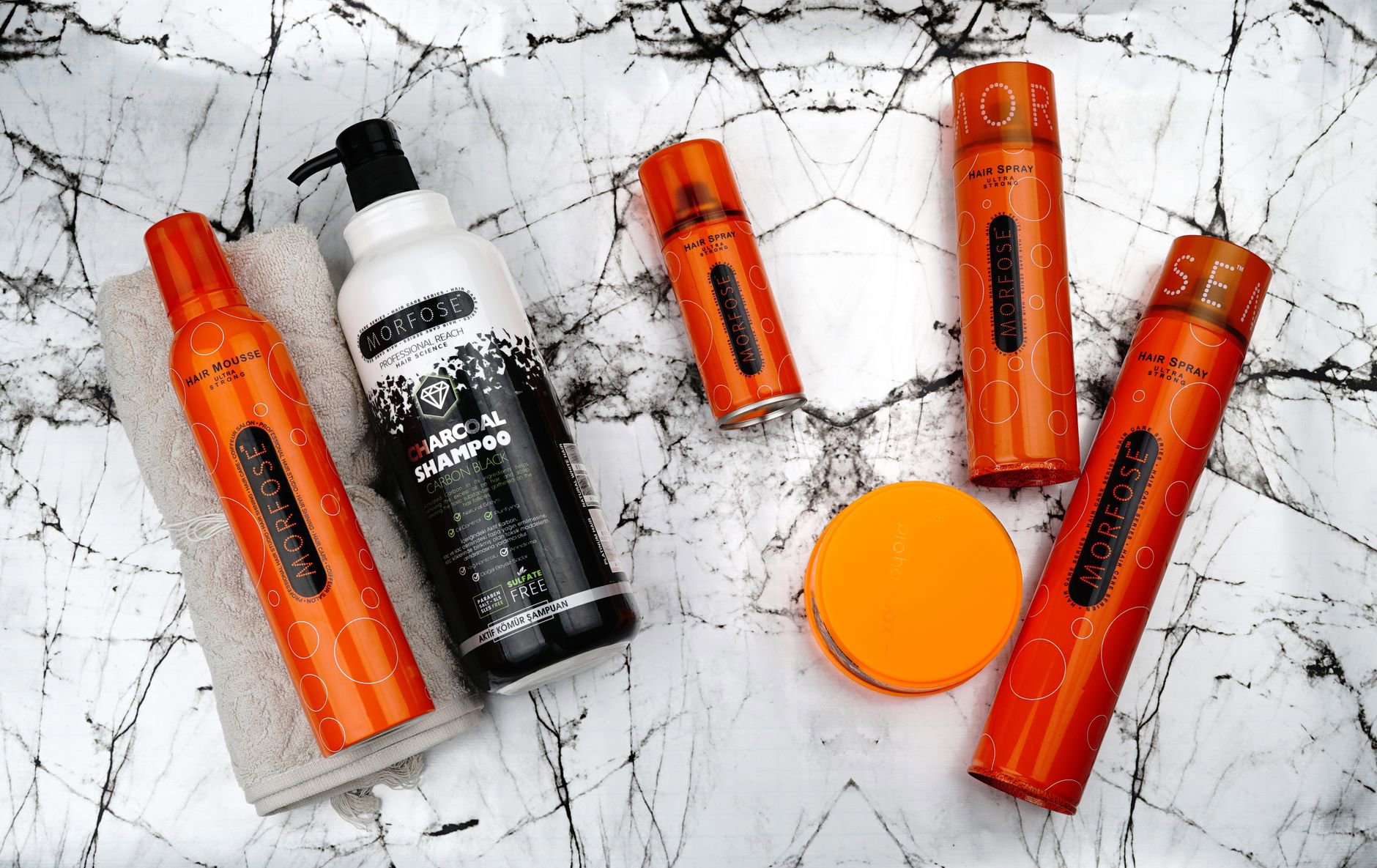
We also see retailer-dependent bundling. Sephora Canada sometimes runs set-only SKUs that never appear at Shoppers Drug Mart, while Shoppers can offer value packs tied to PC Optimum promos. That difference changes your effective cost, especially if you stack points offers.
If a set’s headline value relies on an extra you can’t return once opened, it stops being a “deal” and becomes a gamble.
Return policies and expiry: what Canadians should check before opening
Hair sets create a specific problem: you often need to open the box to see sizes and to try the textures. But “opened” can change your return outcome.
Before you break the seal, check three policy details on the retailer site you plan to buy from (Sephora Canada, Shoppers Drug Mart, The Bay, Well.ca, and others all vary):
- Return window in days, and whether it differs for online orders.
- Condition rules for opened or used items.
- Set integrity: some retailers require all components to return together.
- Proof of purchase and whether third-party marketplace orders qualify.
Expiry matters too, even when a set looks “sealed.” Many products follow PAO (period-after-opening) symbols rather than fixed expiry dates. If you buy a big set and rotate slowly, you might open the last item months later and get less usable life.
Storage can protect your investment. Keep sets away from radiators, sunny windowsills, and steamy bathrooms. Canada’s winter heating cycles can also dry out certain textures if caps don’t seal well.
If you’re buying for someone else, returns become even more important. A recipient who can’t tolerate fragrance or who colour-treats hair may need to swap the set. Choose retailers with straightforward returns and keep the gift receipt.
Who should buy a hair gift set (and who should skip)
Some shoppers benefit from hair sets more than others.
A set tends to make sense if you fit one of these profiles:
- Frequent traveller who wants minis that pass carry-on rules.
- Routine minimalist who prefers buying in one decision, not three.
- New-to-brand shopper who wants a controlled trial before full sizes.
- High-usage household that finishes shampoo and conditioner quickly.
Skip sets if you already know you only like one item from a line. Buying the favourite alone often costs less than paying for two “maybe” products.
Also skip if your hair needs precision. If you manage psoriasis, severe dandruff, or allergy-triggered dermatitis, sets rarely target that. You want a single product that matches your scalp plan, not a bundle with fragrance surprises.
One more group should hesitate: fine hair that gets weighed down. Sets often skew rich and conditioning because that sells. If you need lightweight formulas, you can end up paying for products you can’t finish.
For gifting, sets work best when you know the recipient’s preferences. Scent tolerance, hair density, and styling habits matter more than “repair” claims on the front of the box.
How we’d shop hair sets on purpose: a practical checklist
Hair gift sets become worth it when you buy them like a planner, not like a magpie.
Use this step-by-step flow:
- Start with the goal: travel kit, trial, or stock-up.
- Check sizes first: write down every mL/g before reading the “value” claim.
- Identify duplicates: if two items both act as deep conditioners, decide if you’ll alternate or if one becomes clutter.
- Scan for deal-breakers: heavy fragrance, known irritants, or incompatible actives for your scalp.
- Price-compare across Canadian retailers: Sephora Canada vs Shoppers vs The Bay can differ by enough to change the verdict.
- Confirm returns before opening: especially for gifts.
Then do one final reality check. Ask: “If this set disappeared tomorrow, would we repurchase the same bundle, or would we cherry-pick one item?” If you’d cherry-pick, the set needs a strong discount to justify itself.
We also recommend watching for stacking opportunities rather than assuming the set itself equals savings. Points events, free shipping thresholds, and retailer-wide promos can turn a neutral set into a solid buy. Our price tracker often shows bigger swings by retailer than by brand.
If you’re shopping adjacent categories for gifting (like Skin Care Sets), keep budgets separate. Mixing baskets can hide the true cost of the hair set and make “value” feel bigger than it is.
Buy the set because it fits your usage. Not because it looks generous in a photo.
Hair Gift Sets FAQ
Are hair gift sets cheaper than buying products separately?
Sometimes. The reliable way to tell involves cost per mL (or gram) versus the full-size items. Many sets discount the bundle, but some use smaller sizes where the per-mL cost rises. Treat “value” numbers as marketing until you do the per-unit math.
How do you compare the value of a hair gift set with travel sizes?
List each mini’s size, calculate the full-size cost per mL, then estimate what those minis would cost at the full-size rate. If the set price beats that total and you will use every item, it offers real value. If you only want one product, the set often isn’t worth it.
Do hair gift sets make good gifts if you don’t know someone’s hair type?
They can, but only when the formulas skew gentle and broadly usable, and the retailer offers straightforward returns. If you don’t know fragrance tolerance, scalp sensitivity, or whether hair is colour-treated, a set becomes risky. Include a gift receipt and avoid sets with strong scent profiles.
Can you return a hair gift set after opening it in Canada?
It depends on the retailer and the condition of the items. Some stores accept returns of opened products within a window, while others require all components to be intact or unused. Check the specific policy on Sephora Canada, Shoppers Drug Mart, The Bay, or Well.ca before opening the box.
Do hair products in gift sets expire faster than regular products?
Not inherently, but sets can sit unopened longer and include smaller packaging that dries out if caps don’t seal well. Many hair products use PAO symbols (like 12M) that start after opening. Store sets away from heat and humidity, and open items you’ll use first.