
Our price tracker has noticed something that matches the headlines: hair oils don’t spike only in winter anymore. They sell steadily through summer too, which tells us women aren’t just “glossing” hair for photos—they’re using oils as daily frizz control, heat-style support, and dry-end insurance.
That’s the real shift behind the “nourishing hair oils” chatter. Hair oil has moved from occasional finishing step to problem-solver. The downside shows up in our reviews inbox every week: greasy roots, flat crown, and that sticky feeling that makes you want to rewash.
Good news: most “hair oil fails” come from technique, not your hair. Oil is picky about where you place it, how much you use, and which oil you choose for your porosity and density.
Why hair oils feel bigger in Canada right now
Canada’s climate pushes hair in two directions. Winter brings indoor heating, static, and brittle ends. Summer brings humidity swings, UV exposure, and more frequent washing. Either way, hair loses smoothness fast, and women reach for shine.
Trend coverage often frames oils as “nourishing,” but hair oil rarely “hydrates” hair the way a conditioner does. Oils mainly do three practical jobs: reduce friction (less tangling and breakage), slow water loss from the fibre, and improve surface smoothness so hair reflects light.
The market data headlines also hint at something else: styling products keep multiplying. That matters because most styling routines already include silicones, polymers, and conditioning agents. If you add an oil on top without adjusting amounts, you can stack too many coatings and end up with limp hair.

Our take: hair oil is worth keeping in rotation, but you need a “placement-first” routine. Once you get that right, you can shop smarter—often without paying luxury markups.
Hair oil basics: what oil can (and can’t) do
Hair is dead fibre once it leaves the scalp. That sounds harsh, but it helps you choose products based on physics instead of promises. Oils can’t repair split ends. They can, however, temporarily bind fibres together and reduce the snagging that makes damage spread.
Think of oil as a topcoat. It smooths the cuticle edges, reduces frizz, and can make hair feel softer. If your hair feels “dry,” oil may improve slip and shine, but you still need water + conditioning agents (fatty alcohols, cationic conditioners) from masks and conditioners to make hair feel flexible.
Ingredient-wise, most hair oils fall into three families:
- Plant oils (argan, jojoba, marula, coconut, olive): great for softness, but heavier ones can collapse fine hair.
- Silicone-based oils/serums (dimethicone, cyclopentasiloxane, amodimethicone): best for slip, humidity resistance, and shine with less “oiliness.”
- Ester “dry oils” (isopropyl myristate, C12-15 alkyl benzoate): lightweight feel, good for fine hair that hates residue.
Many of the best performers combine all three. We’d ignore the “silicone-free = better” framing unless you know silicones irritate your scalp or you follow a strict ingredient philosophy. For most women, silicones make hair oil easier to use without greasing out.
The non-greasy method: placement, dosage, timing
Most greasy outcomes come from one mistake: applying oil too high up the hair shaft. The first rule we give readers is blunt—keep oil off your roots unless you’re doing a scalp treatment and you plan to shampoo after.
Step-by-step (works for most hair types):
- Start tiny. For shoulder-length hair, begin with 1 drop (fine hair) to 3 drops (thick hair). Warm between palms.
- Hit mid-lengths first. Touch the hair from ear level down, then slide to the ends.
- Use “prayer hands,” then scrunch. Press palms along the hair, then scrunch ends to distribute without creating a slick film.
- Wait 2 minutes. Let it settle before deciding you need more.
Timing matters. For frizz control, apply oil to damp hair after leave-in. Water helps distribute product more evenly. For shine and flyaways, apply a micro-amount to dry hair as a finish.
Patchy application causes grease. If oil lands in one spot, that section looks wet. Use your hands like a wide-tooth comb. If you prefer tools, a clean spoolie can tame flyaways with almost no product.
If you love a big blowout, treat oil like the last 10% of the routine. Use your heat protectant first, then add a small amount of oil once hair cools. Layering oil under heat styling often makes fine hair collapse faster.
Choosing the right oil for your hair type (Canada edition)
Canada’s seasonal shifts make “one oil forever” tricky. Many women need a lighter formula in summer and a richer one in winter. We’d rather you own two small, well-chosen products than one oversized bottle you hate half the year.
Fine hair / easily weighed down: look for silicone serums or “dry oil” esters. These give slip without the heavy, clingy feel. Brands with lots of accessible options in Canada include L'Oréal and Garnier. Keep application strictly to the last third of hair.
Thick hair / coarse hair: you can handle richer plant oils or blends. Argan, marula, and olive-derived emollients work well. You’ll still want silicones in humid months for frizz control. Apply a bit more to mid-lengths where friction from coats and scarves roughs hair up in winter.
Curly hair (2C–4A) and wash-day styling: you often need oil as a sealant over cream or gel, not as a solo step. Use the “scrunch and glaze” method: glaze a tiny amount over curls once they form, then scrunch ends. If curls feel stringy, you used too much or applied too early.
Bleached or high-porosity hair: choose oils that emphasise slip and cuticle smoothing. Silicone-based serums plus a weekly mask from the Hair Masks category often outperform pure plant oils. High-porosity hair can look shiny and still feel rough; the mask does the heavy lifting.
Scalp oiling: when it helps, when it backfires
Scalp oiling keeps trending, but it doesn’t suit every scalp. If you already deal with greasy roots, dandruff, or frequent itch, adding oil can trap dead skin and product residue. That can make flakes look worse.
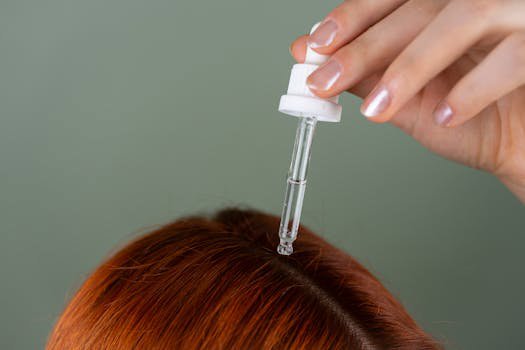
Scalp oiling makes the most sense in two cases: you have a genuinely dry, tight scalp in winter, or you use it as a pre-shampoo step to reduce shampoo harshness on lengths. The goal stays simple—improve comfort and reduce breakage during washing.
Pre-shampoo method (low risk):
- Apply a few drops to lengths first, then whatever is left to the scalp.
- Massage gently for 60 seconds. Don’t scratch.
- Wait 15–30 minutes, then shampoo. If your hair is dense, shampoo twice.
- Condition as usual, focusing on mid-lengths to ends.
If you colour your hair, keep oiling away from the roots right before a salon appointment. Oil can create uneven lift or deposit in some services. When in doubt, ask your stylist what they prefer.
Oil + other styling products: stop the “coating pile-up”
One reason hair oils feel trickier than they used to: many routines already include multiple smoothing layers. A typical lineup might be leave-in conditioner, curl cream, heat protectant, and a finishing spray. That’s before oil even enters the chat.
To avoid coating build-up, pick one main smoothing product per wash cycle. If you use a silicone-rich heat protectant, you may not need oil at all that day. If you want oil for shine, switch your heat protectant to a lighter spray.
We also see women use oil to “fix” hair that feels rough because it needs cleansing. Oil can hide the problem for a day, then you end up needing more and more. A clarifying shampoo once every 2–4 weeks can reset texture, especially if you use dry shampoo.
For shopping in Canada, we’d check Shoppers Drug Mart for frequent promos on smoothing serums, and Sephora Canada for mini sizes when you want to test a texture without committing. If you’re building a basics kit, pairing a mid-priced oil with a reliable Moisturising & Nourishing Shampoos option often beats spending all your budget on the oil alone.
Smart product picks available in Canada (and what to look for)
Without a live price block in today’s brief, we won’t quote numbers. Instead, we’ll keep this practical: what tends to be worth it, and what we’d skip unless you love the scent or packaging.
For shine + humidity control (most hair types): look for a silicone-forward serum that lists dimethicone, amodimethicone, or lightweight silicones high in the ingredient list. These typically outperform pure oils for frizz in humid Canadian summers.
For dry ends and softness (winter insurance): look for argan or jojoba blends, ideally in a pump that dispenses small amounts. Dropper bottles push people to use too much. If you shop department beauty at The Bay, brands like Kérastase often offer multiple textures, including lighter “fine hair” versions.
For curls: oil works best as a finishing glaze. Pair it with a curl cream or leave-in, then use oil only to break the cast or add sheen. If you’re shopping Sephora Canada, some women prefer to put budget toward the leave-in and choose a simpler oil.
For colour-treated hair: prioritise slip and UV-friendly routines. Hair oils won’t replace UV protection, but a smoothing serum can reduce roughness that makes colour look dull. If you also use hair fragrance, keep it on lengths only.
One more shopping note: trendy launches don’t always reach Canada quickly. When a US-only oil goes viral, the Canadian wait can stretch long enough that dupes at Shoppers or Well.ca make more sense. Our tracker routinely shows Canadian shoppers pay a premium for cross-border hype, especially when resellers enter the mix.
How to fix common hair oil problems fast
Hair oil can feel unforgiving, so we like having “rescue tactics” that don’t require a full rewash.
If you used too much: apply a pea-size amount of leave-in conditioner to damp hands, then lightly scrunch ends. It sounds odd, but the added slip helps redistribute oil instead of leaving a concentrated patch. If the grease sits near the crown, dust a tiny amount of dry shampoo at the roots only, then wait 2 minutes before brushing.
If your hair looks dull, not shiny: you probably need cleansing, not more oil. Clarify, then condition well. Shine comes from smooth hair, not from an ever-thicker coating.
If your hair feels crispy: oil can’t fix protein overload or too much salt spray. Swap one styling day for a mask day, then return to oil as a finish. You’ll get better movement and less crunch.
If frizz pops back after an hour: your oil may be too “natural” for humidity, or you applied it to dry hair only. Try applying a tiny amount to damp hair, or switch to a serum with stronger humidity resistance.
What this means for your routine (and your budget)
Hair oils earn their popularity when you treat them like a precision product. Placement beats price. A mid-range oil applied correctly can look better than a luxury oil applied at the roots.
For Canadian routines, we’d set up a simple seasonal system. Keep one lightweight serum for humid months and frequent washing. Keep one richer oil or blend for winter ends, static control, and coat-season friction. If you want to streamline even further, choose one silicone-based serum and use a mask weekly for softness instead.
And if you shop across categories, don’t forget the basics. Strong results often come from pairing oil with dependable cleansing and conditioning, not from chasing the newest launch. Our readers who love their hair oil almost always keep their wash routine consistent.
Which hair-oil problem do you want solved first: frizz, dryness, shine, or breakage? Tell us your hair type and your biggest annoyance, and we’ll point you to the most Canada-available approach.