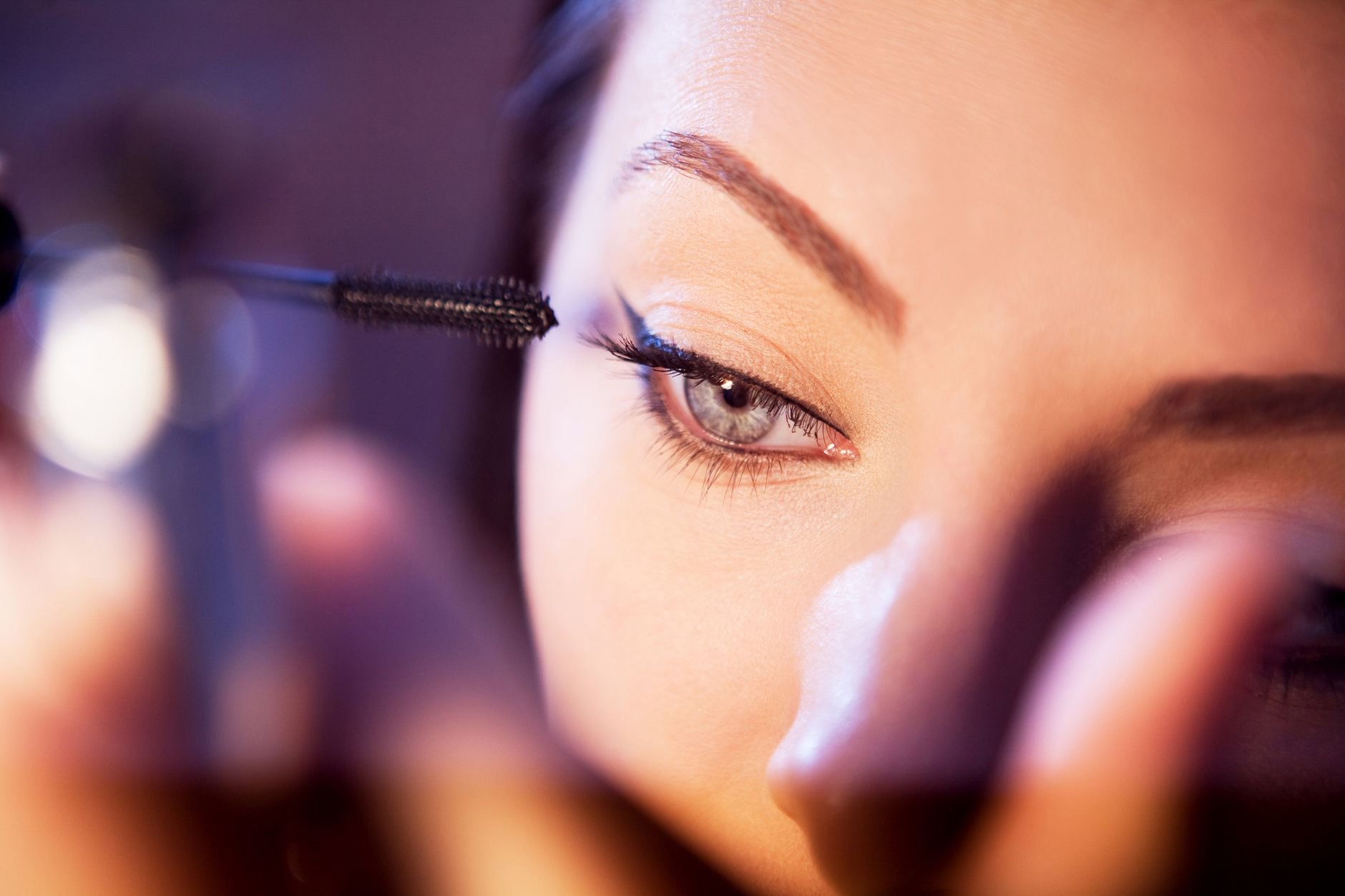
Drugstore mascara has become the most aggressively “good enough” category in beauty.
Across the headlines this spring—best-of lists, “rivals high-end” claims, and roundups that keep multiplying—mascara stands out because the promise is measurable: lift, length, volume, and zero smudge by lunch. In Canada, that promise collides with real-life variables: windy commutes, dry indoor heating, watery eyes in winter, and the fact that returns aren’t equal across retailers.
Our take: if you shop mascara like it’s skincare—formula first, then brush, then wear conditions—you’ll stop overpaying and stop collecting “almost” tubes in your drawer.
Why mascara is the easiest place to go drugstore
Mascara sits in a sweet spot where the core tech has matured. Most formulas rely on the same building blocks: waxes for structure, film formers for hold, pigments for colour, and solvents to keep everything spreadable. Luxury brands can add nicer packaging and a more “buttery” feel, but the functional ceiling for lashes isn’t that high.
There’s also a practical reason mascara trends drugstore: you replace it often. Even if you stretch a tube longer than you should, mascara dries out faster than most makeup. That makes a C$15–C$20 tube feel more sensible than a C$40+ one, especially when you’re experimenting with different brushes.
Canada adds two pressure points. First, the Canadian price premium: the same “hero” mascara often costs noticeably more here than in the US once exchange and distribution costs land. Second, accessibility: Shoppers Drug Mart and Well.ca can make it easy to repurchase a proven favourite quickly, which matters when you don’t want to gamble on a new launch.
If you want to compare across finishes and tools in one place, our Mascaras category page makes it easier to scan options by retailer before you buy.

Pick your formula like a wear test: tubing vs waterproof vs “regular”
Most mascara regret comes from choosing the wrong type for your eyes and climate, not from choosing the wrong brand. Start here.
Tubing mascaras wrap each lash in flexible polymers that form little “tubes.” They tend to resist under-eye smudging because the film doesn’t dissolve into oily residue. Removal usually happens with warm water and gentle pressure, and you’ll see little “lash sleeves” slide off. If you get panda eyes from everything, tubing is the first category we’d trial.
Waterproof mascaras lean on more tenacious film formers and waxes. They can hold curl better, which matters for straight lashes in humid summers. The trade-off: they can feel drier, and removal often needs an oil cleanser or a dedicated eye makeup remover. In a Canadian winter, where lids can get dehydrated and sensitive, waterproof can push irritation if you rub to remove it.
Regular (washable) mascaras sit in the middle. They can look the most “soft” and buildable, but they also smudge the easiest if your under-eye area gets oily or if your eyes water in cold wind.
Technique matters as much as formula. For a fair test, apply on a bare lid one day and over a thin layer of Face Primers another day. Some smudging is a primer problem, not a mascara problem.
Brush shape is not marketing—match it to your lash geometry
Brushes look like gimmicks until you map them to what lashes actually do.
Big, dense hourglass brushes deposit more product fast. They suit naturally full lashes that want volume and drama. On sparse lashes, they can overload the base and create clumps before you get length.
Slim silicone combs separate and lengthen. They work well if you have fine lashes that clump easily. They also help you reach the inner corner without painting your lid, which is a common complaint in humid summer months when product transfers.
Curved brushes can reinforce lift because they “hug” the lash line. They suit lashes that point downward. The trick: angle the curve to match your eye. If you flip it the wrong way, you’ll stamp mascara onto your brow bone.
Micro brushes (short, narrow, precise) excel for lower lashes and outer-corner definition. They also help if you wear glasses and need less bulk at the tips.
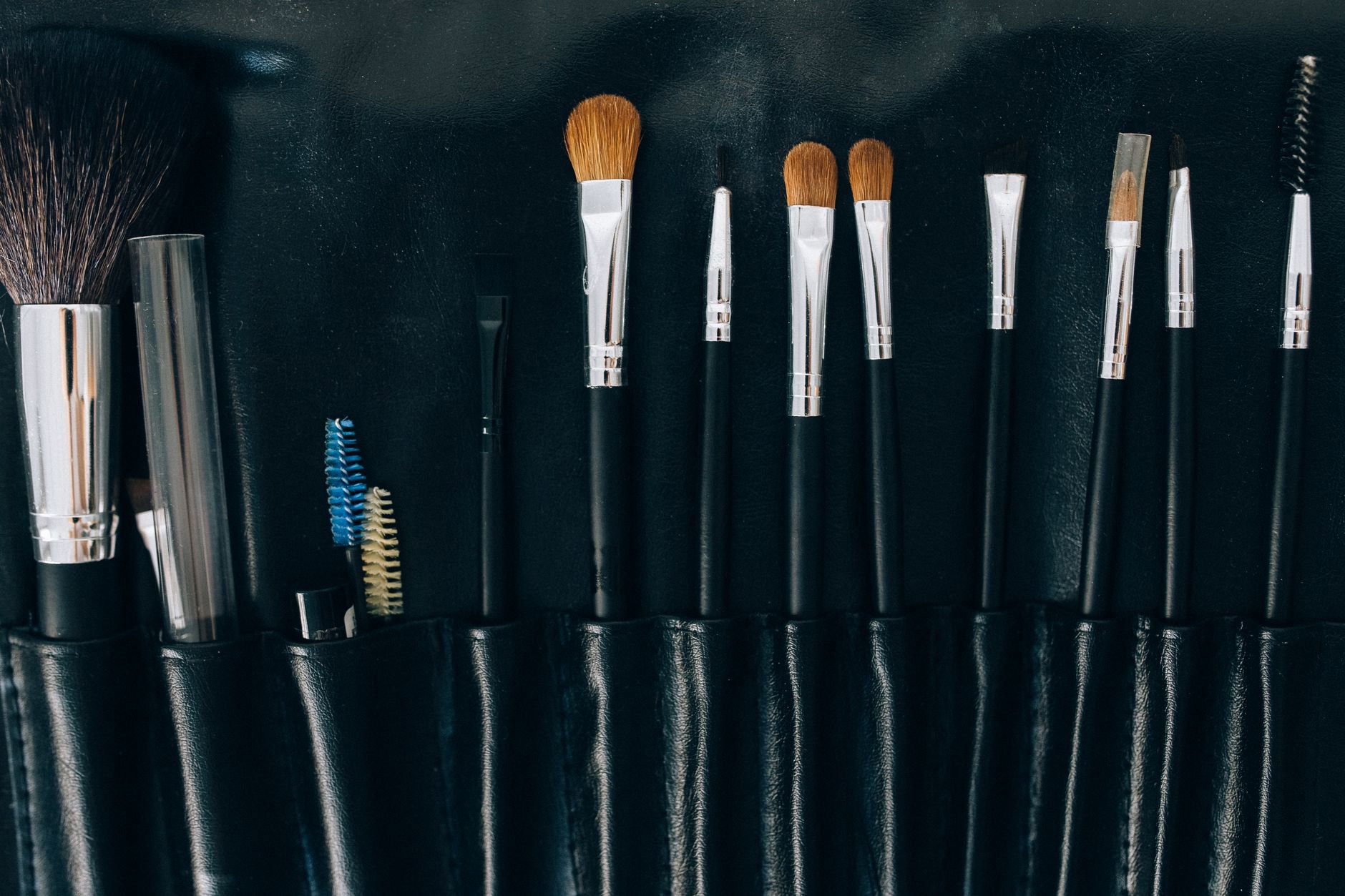
One practical Canada tip: if you deal with winter dryness and watery eyes, avoid fluffy brushes that shed fibres. A stray fibre plus watery eyes equals a scratchy day. When you do need a tool refresh, a dedicated spoolie from a Makeup Brushes & Applicators set can de-clump without adding more product.
Drugstore mascara “rivals high-end” only if you apply it like a pro
Application technique is where drugstore wins or loses. Many affordable formulas build fast, which is great, but it punishes slow layering.
Step 1: Prep the base. If your under-eye gets oily, tap a tiny amount of translucent powder under the lash line. If your lids get dry in winter, skip powder and use a light eye-safe moisturiser earlier in the day so you don’t trigger watering.
Step 2: Curl with intention. For straight lashes, hold the curler at the base for 8–10 seconds, then “pulse” once halfway up. Don’t clamp hard at the tips; that creates a kink that looks like a bend instead of a curl.
Step 3: First coat is your structure coat. Wiggle at the base, then pull through. Keep this coat thin. You’re setting the shape.
Step 4: Second coat is targeted. Add product only where you need it: outer half for a lifted look, centre for rounder eyes, inner corner for a wide-awake effect. Don’t blanket-coat every lash again.
Step 5: Fix mistakes with a clean spoolie. Wait 20–30 seconds, then comb. If you wait until it fully dries, you’ll snap the film and create flakes later.
If you love a bold lip with minimal face makeup, pair your mascara with a drugstore liner and one of your go-to Lipsticks. That combo often reads “done” faster than adding more complexion products.
Smudging, flaking, and “raccoon eyes”: diagnose the cause before you blame the tube
Most mascara issues follow predictable patterns. Fixing them saves money because you stop panic-buying new tubes.
If you smudge under the eyes: you likely have oil migration or watery eyes. Try tubing first. If you stay with regular mascara, keep product off the very tips of your lower lashes and set the under-eye with a minimal powder. Also check your eye cream: very emollient formulas can dissolve mascara on contact. If you use a rich eye cream at night, keep your morning layer thin.
If you flake: you may be over-layering or your tube is drying out. Drugstore mascaras can thicken quickly once opened. Wipe the wand neck (not the bristles) to remove excess before you apply. Avoid pumping the wand; it pushes air in and speeds drying.
If you lose curl: the formula may be too creamy or you’re applying too much at the tips. Switch to waterproof for curl hold, or use a “curl setting” first coat and a softer second coat only at the base.
If you get crunchy lashes: you’re likely using a high-hold film former formula and layering too much. Do one coat, comb, then spot-apply a second coat only on sparse areas.
Canada-specific reality: indoor heating can make eyes feel dry, which triggers reflex tearing. That tearing dissolves washable formulas and drags pigment downward. If this happens every winter, it’s not your imagination—switch your mascara type seasonally.
What to buy in Canada: reliable drugstore picks and where to shop
We won’t pretend every listicle pick works for every woman. Instead, we look for widely available, consistently re-stocked options in Canada, plus the kind of formulas that match common lash complaints.
For volume with a softer feel: Look at classic lines from L'Oréal and Garnier’s parent ecosystem (Garnier itself focuses more on skincare and hair, but the distribution networks often align at Canadian retailers). In-store at Shoppers Drug Mart, you’ll usually find multiple brush styles and waterproof versions side-by-side, which makes comparison easier.
For budget experimentation: Revolution tends to offer trend-driven brushes and bolder finishes at accessible price points. This is where we’d try a new brush shape without paying prestige pricing.
For sensitive-eye households: Clinique often sits above drugstore pricing, but it’s a dependable “less risk” counter option at Sephora Canada and department stores when your eyes react easily. If drugstore formulas sting in winter, moving slightly upmarket can be cheaper than buying three failed tubes.
Where to shop in Canada: Shoppers Drug Mart wins for frequent promos and points events, but selection varies by store. Well.ca often wins for easy browsing and quick replenishment. Sephora Canada makes it simple to pair mascara with a compatible remover, which matters if you go waterproof.
For readers also rebuilding their base routine, it helps to think in categories: choose mascara after you settle on your daily complexion products like Liquid Foundations, because oily vs dry base makeup changes how mascara wears around the eyes.
How to remove mascara without wrecking lashes (especially in winter)
Removal is where lashes take the most damage, and Canadian winters make that worse because hair and lashes can get brittle in dry indoor air.
For tubing mascara: Use warm water on a cotton pad or your fingertips. Press for 10 seconds, then slide downward gently. Don’t scrub side-to-side. If it doesn’t release, the water isn’t warm enough or you used a hybrid formula that needs a cleanser.
For waterproof mascara: Use an oil-based remover or cleansing balm. Saturate a cotton pad, press for 15–20 seconds, then wipe down. Repeat once rather than rubbing harder. If you wear contact lenses, remove them first to avoid residue.
For regular mascara: A gentle cleanser can work, but eye-area friction still adds up. If you notice lash fallout, switch to a dedicated remover even if your mascara isn’t waterproof.
After removal, keep your lash line comfortable. If your eye area gets tight and dry, prioritise a barrier-friendly moisturiser on the orbital bone (not into the lash line). Then keep your morning eye products light so mascara has a dry surface to grip.
What this means for Canadian shoppers right now
The headlines calling out drugstore mascara aren’t wrong, but they’re incomplete. The real win comes from matching formula type to your eyes and matching brush shape to your lashes. Do that, and drugstore can compete with prestige on the only metrics that matter: wear time, smudge resistance, and how your lashes look in daylight.
Shop smarter, too. In Canada, availability and returns policies vary, and the price premium can make “just try it” expensive. When you find a tube that behaves through your winter commute and your summer humidity, buy a backup during a promo cycle rather than paying full price in a pinch.
If you want one simple rule: treat mascara like a seasonal item. Tubing or smudge-proof for winter watery eyes, stronger hold for humid summer days, and a softer washable formula when you want easy removal.
Which mascara problem are you trying to solve first—smudging, flaking, or curl that won’t hold—and where do you usually shop in Canada?