More Canadian shoppers search for “magnetic lashes” every party season, yet classic glue-on strips still fill most baskets. Our feed of retailer listings shows consistent shelf space for glue, from multipacks at Shoppers Drug Mart to kits at Sephora Canada. Magnetic formats surge, but the standby stays put.
That gap makes sense. Magnets promise less mess. Adhesive promises longer wear. Both claims carry truth, and both hide fine print. The best choice depends on your lids, your liner skills, and how long you need lashes to hold in a cold, dry climate.
We compared magnetic and glue-on lashes on the points that matter: application, wear time, comfort, sensitivity, finish, upkeep and total cost. We also looked at which women they suit best and where to shop smart in Canada without overpaying.
Why this debate won’t go away
Magnetic lashes shifted from niche to mainstream around 2018, when micro-magnet bands and later magnetic eyeliners moved onto Canadian shelves. TikTok boosted awareness in 2020–2021 as quick-change beauty took off. Glue, meanwhile, kept pace with better brushes, latex-free options and gentler removers. So both formats improved, not one replacing the other.
Across Sephora Canada, The Bay and Shoppers Drug Mart, we see steady inventory for glue-on strips and cluster lashes year-round. Magnetic kits spike near holidays and wedding season. That pattern reflects real-life use. Many women reach for magnets when they want speed. They still trust glue for long days, dance floors and windy commutes.
Canada’s climate complicates things. Winter wind and indoor heating dry out skin but trigger watery eyes. Tears can break down some glues and disrupt magnetic liner bonds. Summer brings humidity that softens adhesives. The right prep and format keep lashes on through all of it, but the setup differs by lash type.
Budgets also steer the choice. Magnetic sets carry a higher upfront cost, then cost little to reuse if you clean them well. Glue-on strips cost less per pair, but glue and replacements add up. Our price tracker often shows a premium on magnets at beauty chains compared to classic multipacks in pharmacies. Wishlisting on GlamGeek helps time purchases when retailers run kits on promo.
{{IMAGE:woman applying false lashes}}How they work: what you actually stick to your eyes
Two magnetic systems exist. One uses “sandwich” lashes with tiny magnets on the top and bottom bands that clamp your natural hairs. The other uses magnetic eyeliner with iron oxides; the strip’s magnets grip the liner. Sandwich styles avoid adhesive but can pinch if you apply them off the lash line. Magnetic liners need a steady hand and usually a visible black line, which shapes the final look.
Glue-on lashes rely on an adhesive (often cyanoacrylate-based) brushed or squeezed onto the strip band. It dries tacky, then clear. Latex-free formulas now dominate shelves, which helps women with rubber sensitivities. You can run a clear glue for a bare-lid finish or use black glue to mimic liner. Strips, half-lashes and clusters all use glue.
Both systems demand prep. Clean the lash line to remove oil. Curl your natural lashes so the falsies sit flush. Trim new strips to fit your eye width. A millimetre off the outer end can prevent corner lift later.
If you want tools that steady the process, check our curated picks in Makeup Brushes & Applicators. A curved applicator can hold the band while you nudge it into place without poking skin.
Application learning curve: speed vs precision
Magnetic eyeliner feels fast if you already love liner. Paint a thin, even strip along the lash line and let it set to a soft tack. Drop the magnetic band from above so the magnets find the line in one move. Adjust while it’s still tacky. The catch: the line must be smooth and thick enough for the magnets to grab. Shaky hands leave gaps. Hooded lids can print the liner if you blink too soon.
Sandwich magnets skip liner, but they demand precision. You anchor the top lash against your natural line, then bring the bottom piece underneath to clamp. If you clamp a millimetre off, the band lifts or pinches. Practice helps. So does working with half-lashes that sit at the outer third. They clamp easier and flatter many eye shapes.
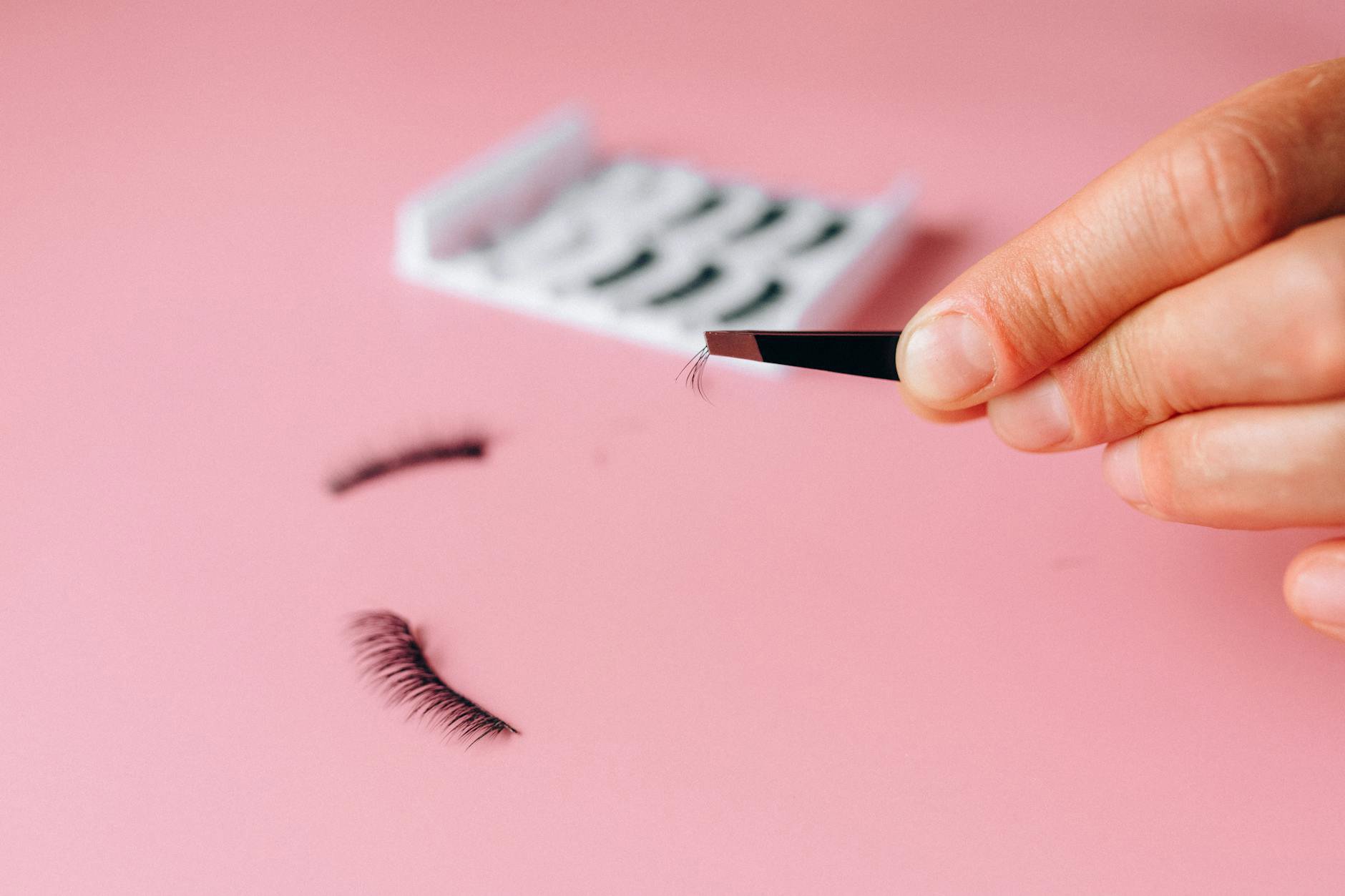
Glue-on strips need timing, not speed. Brush a thin coat on the band, wait until the glue turns tacky, then place. Too wet and it slides. Too dry and it won’t grab. Beginners often flood the band. Less glue gives better control. Press the centre first, then the inner and outer corners. Short tweezers or a dedicated applicator improve accuracy and keep fingers out of the way.
Want a low-stress start? Try half-lashes or clusters with glue. They teach placement without spanning the entire lid. You’ll find plenty of starter-friendly sets on our False Lashes page. Add a few to your GlamGeek wishlist and we’ll alert you when a retailer drops the price.
Wear time and hold: which lasts longer in real life
Glue wins for marathon wear. A trimmed band and thin, well-timed glue coat hold through eight-hour days and longer evenings. The outer corners set the standard; if they stay down, the rest follows. Cold air and tears can loosen most glues, so carry a mini for touch-ups if you expect wind or snow. Clear glue makes quick corner fixes simple.
Magnetic eyeliner handles short to medium wear well when you apply two coats and let each dry. Heat and sweat don’t melt iron oxides, but oil does. Oil-based removers, rich eye creams or greasy sunscreens can break the bond. If you run a hydrating eye routine in winter, pat cream low and away from the lash line before magnets.
Sandwich magnets hold as long as your natural lashes give them something to grip. Very straight or sparse lashes reduce contact, which lowers security. A light coat of mascara on your own lashes can give the magnets a shelf to hug. Avoid loading product onto the false band; cleaning it later gets harder.
Climate adds a Canadian twist. Winter wind can trigger watery eyes, which soften some glues and can lift the inner corner first. In that case, a slightly thicker inner-line glue placement helps. Summer humidity softens glue too, but magnets ignore moisture and only fail when oil seeps in. Choose based on your day: a humid patio dinner favours magnetic liner; a long winter wedding day still points to glue.
Comfort and lash feel on the eye
Band design matters more than format for comfort. Thin, flexible bands feel lighter and mould to the lid. Thicker bands add stability but can press on sensitive lids. Magnets add tiny weights along the strip. You’ll feel them if the band sits high or if the magnets stack in one spot.
Women with small or hooded eyes often prefer half-lashes or wispy outer-corner accents. They lift the eye without crowding the crease. Both magnetic and glue-on systems offer half styles, but glue gives more options across shapes and densities because manufacturers don’t need to place magnets along the whole length.
Glasses wearers tend to favour shorter, curled strips that won’t brush lenses. Trim any lash that pokes. A quick bend of the band around a makeup brush handle helps it keep a natural curve. Then the inner corner sits without lift or poke.
If you feel heaviness, swap to a lighter style before giving up on the format. On our False Lashes page, filter for “natural” or “lightweight” styles. You’ll spot slim bands from brands like MAC and value options under Revolution that many reviewers rate for comfort.
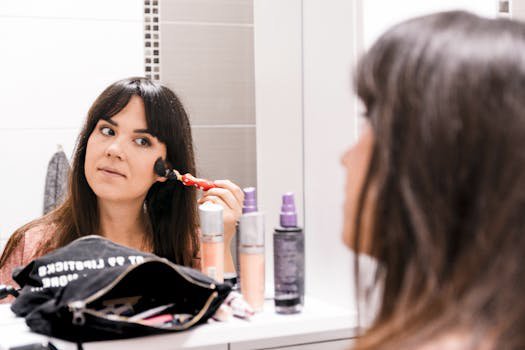
{{IMAGE:close up of magnetic eyeliner application on a woman}}Sensitivity and safety: what to check before you glue or line
Sensitivity lives at the heart of this debate. Some adhesives contain potential irritants. Older formulas could include latex or formaldehyde-releasing agents. Many current glues market as latex-free and ophthalmologist tested. Still, patch test on the inner arm before your first wear. If you react, try another brand or switch formats.
Magnetic eyeliner uses iron oxides to interact with the strip’s magnets. Many black liners already rely on iron oxides for pigment, so the ingredient itself isn’t novel. The difference is load and use at the lash line with a metal band. If your eyes get irritated by liner generally, magnets won’t solve that. Consider sandwich magnets that skip liner entirely.
Contact lens wearers should clean carefully. Flakes of dried glue or liner can fall into the eye at removal. Hold your lid taut and peel slowly from the outer corner. Dissolve glue with a dedicated remover or an oil-free micellar formula to protect your own lashes. Avoid ripping or tugging.
Keep everything clean. Remove mascara residue from bands with a cotton swab and oil-free remover. Let strips dry before you put them back in their case. Hygiene helps prevent irritation as much as the formula itself.
Style and finish: subtle to dramatic
Glue-on strips cover the full range. Clear bands almost vanish on the lid, which suits women who prefer a bare or softly shaded eye. Black bands simulate eyeliner and hide in a smoky look. Clusters let you sculpt, filling only where you want more volume.
Magnetic eyeliner locks you into a lined look. That’s a win if you love bold definition. If you want a totally bare lid, a visible black line may bother you. Some magnetic liners come in brown, but clear remains rare. Sandwich magnets avoid liner, but the tiny magnet squares dot the band. They look fine under mascara, but they don’t disappear like a clear glued band.
Style choice also affects how lashes blend with your own. A quick squeeze of your curler before application helps both formats meet in the middle. You can feather the join with a thin coat from our curated Mascaras picks. Go light on top of the false strip to preserve shape and make cleaning easier.
Looking for options? Check lash ranges under Sephora Collection for accessible styles, or studio favourites under Morphe. If you want a refined, whisper-light band, the MAC page is a good filter starting point. Use GlamGeek’s wishlist to catch a sale weekend at The Bay or a Shoppers Optimum points event.
Reuse, maintenance and hygiene
Magnetic bands reward proper care. After wear, lift the strip away from the liner gently. Wipe magnet bases with a cotton swab dipped in micellar water to remove residue. Avoid soaking; water can loosen the magnets. Store the set in its original case to protect the curve. Many women log a dozen wears or more per pair when they keep magnets clean and oil-free.
Glue-on strips handle reuse well if you remove glue build-up each time. Roll dried glue off the band with tweezers or your fingertips. Don’t saturate silk or faux mink fibres with remover; it kinks the shape. Focus on the band only. Once the band warps or the inner corner frays, retire the pair.
Clusters need extra care. Keep the bulbs clean so they lie flat on your next wear. If you love clusters for custom shaping, stash a few multipacks and rotate. You’ll always have fresh pieces for the areas that fall off first.
Whatever you choose, set a hygiene routine. Clean before bed, even if the lashes still look fine. Tomorrow’s eye will thank you. Keep a small applicator in your bag for corner fixes. You can find compact tools in Makeup Brushes & Applicators that double as tweezers and presses.
Cost of ownership in Canada: upfront vs ongoing
Our price tracker sees a clear pattern across Canadian retailers. Magnetic kits usually cost more upfront than a single pair of glue-on lashes. They often include the liner and a storage case, which adds value if you plan to reuse them many times. Discounts pop up around holiday gift sets and spring events; wishlisting those kits pays off.
Glue-on strips range widely. You can grab budget-friendly multipacks at Shoppers Drug Mart and Well.ca, or premium singles at Sephora Canada and The Bay. The ongoing cost includes glue and replacements for pairs that lose shape. Buying multipacks changes the maths. It lowers the per-wear cost if you rotate pairs and clean bands.
The Canada-to-US price gap appears here too. We often see the same lash line priced lower in the US. Factor in exchange rates and shipping, and cross-border wins shrink. Waiting for a Canadian promo usually beats importing small items.
Want to avoid guesswork? Use GlamGeek’s price comparison on the False Lashes page before you buy. Add styles from Sephora Collection, Morphe and MAC to your wishlist. We’ll ping you when a retailer drops the price or when a points event can stack with a sale.
Who should choose magnetic, and who should choose glue?
Choose magnetic eyeliner lashes if you already wear black liner most days. You’ll knock down the learning curve and keep a consistent look. They suit short events, humid evenings and quick changes between meetings. Avoid heavy eye creams near the lash line to keep the bond strong.
Pick sandwich-style magnets if you dislike liner or react to glue. They also work well on half-lash looks, where a small clamp at the outer edge lifts and widens the eye without a full band.
Choose glue-on strips if you want maximum wear time, invisible bands or the widest style range. Clear glue and a thin band deliver the most natural finish. Black glue gives liner lovers more depth. For weddings, long workdays and windy winter walks, glue still holds the crown.
For sensitive eyes, look for latex-free glues or stick to magnetic systems that skip liquid liner. Patch test any new formula on skin ahead of event days. If your lids sit hooded, half-lashes or short clustered accents lift without brushing your crease.
Tech tips that improve both formats
Trim first. A band that overhangs past your outer corner will always lift. Aim to end the lash where your natural lashes thin out.
Curl your natural lashes. Falsies sit better and feel lighter when the two curves match. Curl first, then apply, then pinch together with your fingers for a clean blend.
Map your eye. Stand back and note where you want height. Many eyes look best when volume concentrates between the centre and outer third. Clusters let you dial that in. So do half-lashes with a soft flare.
Mind your base. Oil breaks magnetic liner. Excess moisture weakens glue. Keep skincare low on the orbital bone before lash application. If you wear shadow, set your lid with a dry powder so the band grips.
Carry a fix. A pocket-sized applicator and mini glue can save a night. For magnets, carry a cotton swab to swipe away oil if the band slips. Re-seat the strip while the liner still has tack.
A quick retailer cheat sheet for Canadians
Sephora Canada stocks a broad span of styles, including premium light bands and magnetic kits. Shoppers Drug Mart and Well.ca carry many wallet-friendly multipacks and glues. The Bay leans into special-occasion lashes and curated edit brands. We also see studio-focused sets under Morphe and everyday values from Revolution online.
When a US launch hasn’t reached Canada yet, we flag it on product pages. If a wait drags for months, alternatives usually exist under Sephora Collection or MAC that deliver a similar shape or finish. Use our compare view to line up band thickness, length and style notes before you chase an import.
Points events matter. Optimum points at Shoppers or credit card multipliers at department stores can offset the Canadian premium. Add your favourites to a GlamGeek wishlist and plan around those windows.
What this means for your lash wardrobe
You don’t need to pick a lifelong side. Build a small lash wardrobe. Keep a reliable glue-on pair for long days and winter winds. Add a magnetic kit for liner days and quick evenings. Stock a pack of half-lashes for low-effort lift when you want a subtle change.
Treat the choice as situational. Your eyes, your climate, your schedule. If you hate visible liner but want long wear, glue-on with a clear band fits. If your mornings race and you love bold definition, magnetic eyeliner makes sense. If you react to most adhesives, try sandwich magnets and half-lashes first.
Shop with data, not hope. Price swings across Sephora Canada, Shoppers and The Bay can feel random. They aren’t. Our tracker marks the dips. Click through to False Lashes, add a few candidates to your wishlist, and wait for the ping before you check out.
Ready to pick your side for now?
Which format holds better on your eyes in a Canadian winter: a thin, well-timed glue coat or a precise magnetic liner? Do you reach for half-lashes, full strips or clusters? Tell us what works and where they fail, then browse our curated False Lashes edit to build your own mix. Add your picks to a wishlist and we’ll flag the next price drop so you can test without paying full freight.
One last nudge: try your new pair on a low-stakes day first. No panic, no pressure. Just data you can use before the big event.