Body moisturiser gets blamed for backne far more often than it should. Our inbox fills with the same worry every summer: “Will lotion make my chest break out?” The short answer is that the right cream helps most bumpy skin on the body. Choose the wrong texture or the wrong actives and you can worsen clogged pores or inflamed follicles.
We track hundreds of body-care SKUs across Boots, Superdrug, Space NK, and Lookfantastic every week. The data shows steady growth in body formulas with salicylic acid, lactic acid, urea, and niacinamide since 2020. That tells us women want smoother arms, clearer backs, and calmer chests—without giving up daily moisture.
This guide sorts facts from guesswork. We explain where body cream fits if you deal with body acne or folliculitis. And we flag what to avoid when your skin’s angry, itchy, or dotted with tiny red bumps.
Context: bumps, categories, and why moisture matters
Not all body bumps are acne. Folliculitis looks similar on first glance, but it isn’t the same process. Acne involves clogged pores, oil, and inflammation. Folliculitis is inflammation of the hair follicle. It can be bacterial, yeast-related, or caused by friction and sweat. Keratosis pilaris (those rough, sandpapery “chicken skin” patches on the arms) is different again. Moisturiser helps all three, but the ingredients you pick should change with the diagnosis.
From 2020 through to this year, our merchant feed shows a marked rise in body lotions that copy facial care: BHAs for back, AHAs for arms, and urea for rough thighs. We also see higher interest when the UK heats up. Sweat, SPF, and gym kits drive flare-ups through July and August. Then we watch a second spike from October to March, when indoor heating and tights create dryness and friction. That is a perfect storm for angry follicles.
Actives are only part of the story. Barrier repair sits at the base of clearer body skin. A healthy moisture barrier reduces flares, itching, and post-blemish marks. That’s why a plain, well-formulated cream can be the quiet hero of a backne routine.
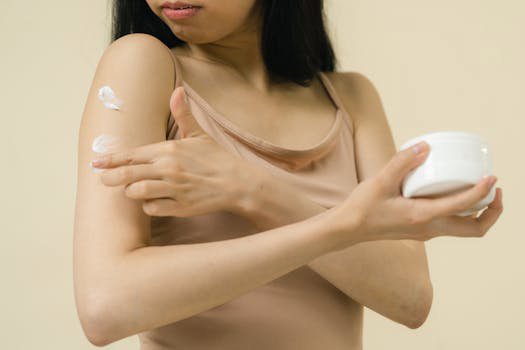
{{IMAGE:woman applying body cream to shoulder}}Body acne or folliculitis? Know what you’re treating
Lead with the right label. Your plan shifts depending on whether you have acne, folliculitis, or keratosis pilaris. Acne on the body shows whiteheads, blackheads, and red inflammatory pimples on the chest, shoulders, or back. You may spot lingering marks afterwards. Folliculitis is often itchier and appears as uniform, red or pus-filled bumps centred on hair follicles. It can flare after shaving, waxing, backpack straps, or sweaty spin classes. Keratosis pilaris feels rough and dry, often on upper arms and thighs, with tiny closed bumps rather than obvious whiteheads.
If bumps crop up under tight sports bras or along seams, think mechanical folliculitis. If hot weather, steam rooms, or sweaty runs trigger clusters on chest and back, yeast-driven folliculitis can be the culprit. Body acne often sticks around regardless of clothing choices and pairs with oilier zones. KP hates cold, dry air and perks up when you start humidifying a room or switch to urea-based lotions.
Still unsure? Zoom in on the centre of a bump. A hair at the centre suggests folliculitis. Blackheads point to acne. A sandpaper feel without pus heads leans KP. When in doubt, keep your first move gentle: remove friction, cleanse after workouts, and switch to a barrier-first cream. Then add actives based on how your skin responds.
Moisturising helps, but the formula matters
Hydration calms the skin’s alarm system. When your barrier loses water, it releases more inflammatory signals. That encourages micro-tears from scratching or rubbing. Bacteria and yeast love that environment. A good body cream reduces water loss and strengthens the barrier. That can lower the frequency and intensity of breakouts over time.
Look for these backbone ingredients for daily use: glycerin, hyaluronic acid, and urea at 5–10% for water binding; ceramides, cholesterol, and fatty acids to patch the barrier; and niacinamide at 2–5% to reduce oiliness and redness. These sit well with most routines and suit all seasons in the UK. In winter, choose a thicker cream with ceramides and 5–10% urea. In summer, switch to a gel-cream or light lotion that still packs glycerin and niacinamide.
What about occlusives like petrolatum and shea butter? They are not the villains some Instagram posts claim. They can help angry skin spend less time inflamed. But context matters. If you’re running in a heatwave, a very occlusive body butter under a sports bra can trap sweat and raise the risk of friction-induced folliculitis. We’d save heavier occlusives for dry shins, elbows, and winter nights. Use lighter textures on the back and chest when you plan to sweat.
Not sure where to start? Browse Body Creams and Body Lotions on GlamGeek. Add a few contenders to your wishlist and our tracker will ping you when prices drop at Boots or Superdrug.
Actives in body creams that can clear bumps
You can treat and moisturise at the same time. Many body creams now blend barrier support with gentle chemical exfoliants. Smart choices include:
Salicylic acid (BHA) at 0.5–2%. Oil-soluble and pore-friendly, it helps body acne and some forms of folliculitis. It also softens KP plugs. Use a BHA body cream or pair a BHA wash with a plain moisturiser. If your skin stings, alternate days rather than quitting outright.
Lactic acid at 5–10%. This AHA lifts dead skin and attracts water at once. It’s great for KP and dry, rough arms. Glycolic acid can be effective too, but lactic tends to be gentler on body skin, especially in cooler months when skin dries out faster in heated homes.
Urea at 10% for texture, 5% for daily hydration. Urea helps break down rough keratin. It pairs well with lactic acid on bumpy thighs and arms. For very stubborn KP, higher urea percentages exist, but start lower to avoid stinging after shaving.
Niacinamide at 2–5%. It reduces redness, supports the barrier, and helps regulate oil. It also sits well with acne treatments like salicylic acid. A niacinamide-laced lotion makes a good daily all-over pick for acne-prone chests.
Azelaic acid appears in some body formulas. It can calm redness and even tone. It’s helpful where acne and sensitivity overlap. If your cream doesn’t include it, you can use a leave-on face-grade azelaic on smaller body areas.
Examples you’ll see on the high street: lactic-based body lotions for KP, urea creams for rough patches, and salicylic acid body moisturisers for back and shoulders. Want names to research? Ameliorate’s lactic acid body line and CeraVe SA Smoothing Cream come up often in our reviews feed for texture issues. For budget-friendly picks, check Garnier and Revolution body care listings; formulas change fast, so use our compare tool to spot the best fit and price.
Folliculitis needs targeted habits as well as cream
Body cream helps folliculitis, but you may need extra steps. If bumps flare after spin class or under a backpack, reduce friction and sweat first. Shower soon after workouts. Choose breathable sports bras. Wash kit after each wear. Then layer a lightweight moisturiser that won’t create extra seal and heat in those zones.
If you suspect bacterial folliculitis, a benzoyl peroxide wash used as a short contact therapy in the shower can help. Apply to chest and back, leave for two to five minutes, and rinse. In the UK, 5% options are common. Follow with a gentle body cream to cut the dryness and maintain consistency. No cream alone will correct bacterial overgrowth if you skip the wash step.
Yeast-related folliculitis (often called fungal acne, although it isn’t acne) can look like many tiny, uniform bumps that itch more in heat. Using a dandruff shampoo containing ketoconazole as a body wash two to three times a week can help in many cases. Work it into affected areas and leave on for several minutes before rinsing. Then use a simple, fragrance-free lotion. Heavy plant oils and rich butters can worsen yeast-related bumps for some women, so keep textures lighter on the chest and back until you settle the flare.
Still guessing? Talk to a pharmacist or GP if bumps persist, spread, or feel hot and painful. Recurrent infections need medical attention. Cream helps the barrier, but it can’t fix a deep follicle infection by itself.
Ingredients and textures to skip (or time carefully)
Fragrance. Not all fragrance irritates everyone, but fragranced body butters on broken or itchy skin can sting. During a flare, keep it simple. Bring fragrance back later when the skin calms down. If you love scent, limit it to arms and legs, not the sweaty centre chest and between-strap zones.
Very heavy occlusives before workouts. Shea butter, cocoa butter, and petrolatum lock in water beautifully. They can also trap sweat and heat under tight clothing during exercise. Time them for winter nights or dry lower legs. Switch to a gel-cream on the torso if you plan to sweat.
Comedogenic “lists” online cause more anxiety than clarity. Ingredients behave differently in finished formulas. Coconut oil can break some people out on the chest, but that doesn’t make every product with a trace of coco-caprylate a problem. If you’re prone to chest congestion, patch test rich butters on one shoulder blade for a week before going full torso.
Harsh alcohol and dyes. SD alcohol, denatured alcohol, and strong colourants offer little benefit on compromised skin. If the bottle promises tingle and sting, skip it during a flare. You want calm, not drama.
If you need a shopping shortcut, filter for “fragrance-free” and “for sensitive skin” on GlamGeek’s Body Creams page. Add to your wishlist and we’ll flag deals at retailers like Boots and Lookfantastic so you can buy when the price dips.
Shower strategy and post-gym order that make a difference
Routine order matters when you wash hair and body together. Conditioner residue can cling to the upper back and chest and trigger bumps. Our fix is simple: shampoo first, then conditioner, then rinse hair forward if possible. Wash body last with a non-stripping cleanser so you remove any leftover conditioner film.
For body cleansers, seek pH-balanced gels with glycerin to avoid over-drying. Over-washing pushes the skin to rebound with more oil and irritation. If you want a treatment step, use a short-contact salicylic acid body wash two to three times a week, then finish with a light moisturiser. You can browse Shower Gels & Body Washes on GlamGeek and compare textures and claims side by side.
Post-gym, get out of sweaty kit quickly. Pat skin dry. Apply a lightweight, fragrance-free lotion within three minutes to trap water. For women who lift or run outdoors, a niacinamide body lotion supports the barrier without feeling sticky under performance fabrics. If you’re curious about residues from haircare, scan formulas on Moisturising & Nourishing Conditioners and see what reviewers say about backne compatibility.
Using SPF on the body? Choose a non-greasy finish for chest and shoulders. Some mineral and hybrid formulas can feel heavy. A lighter SPF will reduce sweat-trap issues under summer dresses and sports bras. Compare finishes and filters on our SPF Protection Products page before you commit to a jumbo size.
{{IMAGE:woman in gym kit applying body lotion}}Seasonal tweaks for the UK: heating, rain, and heatwaves
Britain asks a lot from our skin. Damp cold and central heating from October to March shrivel the barrier. Then a brief heatwave arrives and sweat ramps up folliculitis. Adjust your cream with the season and your wardrobe.
Winter: increase ceramides and urea. Pick a thicker cream for arms and legs, and a medium-weight lotion for the torso. If your KP shrieks in January, a lactic or urea lotion after showering works well. Consider AHA two to three nights per week, not nightly. Pair those actives with a plain ceramide cream the nights you skip acids.
Summer: go lighter on the chest and back. Try gel-creams with glycerin and niacinamide. Use salicylic acid once or twice a week if your skin stays calm. Add a benzoyl peroxide wash after hot runs if folliculitis flares. Keep a small, fragrance-free body lotion in your gym bag. Reapply after showering to stay ahead of itch and friction.
Rainy commutes and trench coats can trap heat and humidity. Dry your skin well when you arrive home. Reapply a simple moisturiser if your chest feels prickly. That small reset can outpace a full-on flare later.
Product picks and how to shop smarter
Look for clear actives and short, soothing INCI lists. Our community often rates lactic or urea body lotions for KP and niacinamide lotions for acne-prone chests. CeraVe SA Smoothing Cream and Ameliorate Transforming Body Lotion come up in reviews for rough texture. For the high street, scan current listings from Garnier and The Body Shop. You’ll find fragrance-free options and targeted body lines in most Boots and Superdrug aisles.
Prefer actives with makeup-skincare crossover? Body ranges from Revolution update quickly and often push value pricing. If you want a dermatologist-led approach, browse body-safe picks from Clinique and L'Oréal, then check our price comparison to see where they sit this week. We’ve seen the same product vary across major retailers, so it pays to look before you buy.
Use GlamGeek’s wishlist feature to track products across multiple shops. You’ll get an alert when your chosen cream drops in price. That helps you try a few textures without locking into an expensive jumbo that your chest hates in July.
Build a simple, clear-body routine
Morning on flare days: gentle body wash, pat dry, then a lightweight, fragrance-free lotion with niacinamide. If you use a benzoyl peroxide wash, apply it in the shower first, rinse, and moisturise after. Finish with a non-greasy body SPF on exposed areas.
Evening: if you’re targeting KP or texture on arms and thighs, apply a lactic acid or urea lotion two to three nights a week. Use a plain ceramide cream on the other nights. For acne on the back, a salicylic acid lotion every few days can help. Keep the chest routine gentler if you wear tight bras or get heat rash easily.
Post-workout: shower soon after. Wash body last to remove haircare residue. Towel dry. Apply a gel-cream to chest and back within three minutes. If you’re dealing with recurring yeast-related folliculitis, use a ketoconazole shampoo as a body wash a few times weekly, leave on for several minutes, then moisturise lightly.
Shaving and hair removal: reduce friction and ingrowns by shaving at the end of a warm shower. Use a fresh blade. Finish with a fragrance-free lotion. If you wax, avoid heavy occlusives on that area for 24 hours. A light, soothing cream beats a rich butter while the follicles settle.
When to stop guessing and get help
See your GP or a dermatologist if bumps hurt, spread quickly, or fail to respond to several weeks of consistent care. Large, tender cysts are not basic body acne and often need prescriptions. Folliculitis that oozes or feels hot could be a deeper infection. Recurrent flares under breasts or along the groin deserve a medical look as well.
Pregnant or breastfeeding? Keep your routine conservative and check actives with your midwife or pharmacist. Many women tolerate low-dose salicylic acid on small body areas, but get personalised advice. Stick to fragrance-free barrier creams and gentle cleansing while you wait for clearance on extras.
What this means for your body cream
Body cream can help body acne and folliculitis when you use it as part of a clear plan. Moisturise daily to keep the barrier happy. Choose lighter textures on sweat-prone areas and time richer creams for dry limbs and winter nights. Add targeted actives—salicylic acid, lactic acid, and urea—based on the type of bumps you see. Support antibacterial or antifungal steps when folliculitis shows up, and let the moisturiser do what it does best: reduce irritation and help skin heal.
Shopping can feel noisy, but you don’t need a dozen bottles. Two products usually cover most needs: a calm, fragrance-free lotion for daily use, and a treatment cream or wash for your specific pattern of bumps. Compare formulas on GlamGeek, use the wishlist, and wait for a price dip at Boots, Superdrug, or Lookfantastic. Your skin—and your bank balance—will thank you.
Tell us what works on your back and chest
Have you found a body cream that hydrates without fueling bumps? Or a smart routine tweak that stopped folliculitis after the gym? Share your finds on the product pages for Body Creams and Shower Gels & Body Washes. Add your favourites to a GlamGeek wishlist and we’ll keep an eye on the price swings for you.