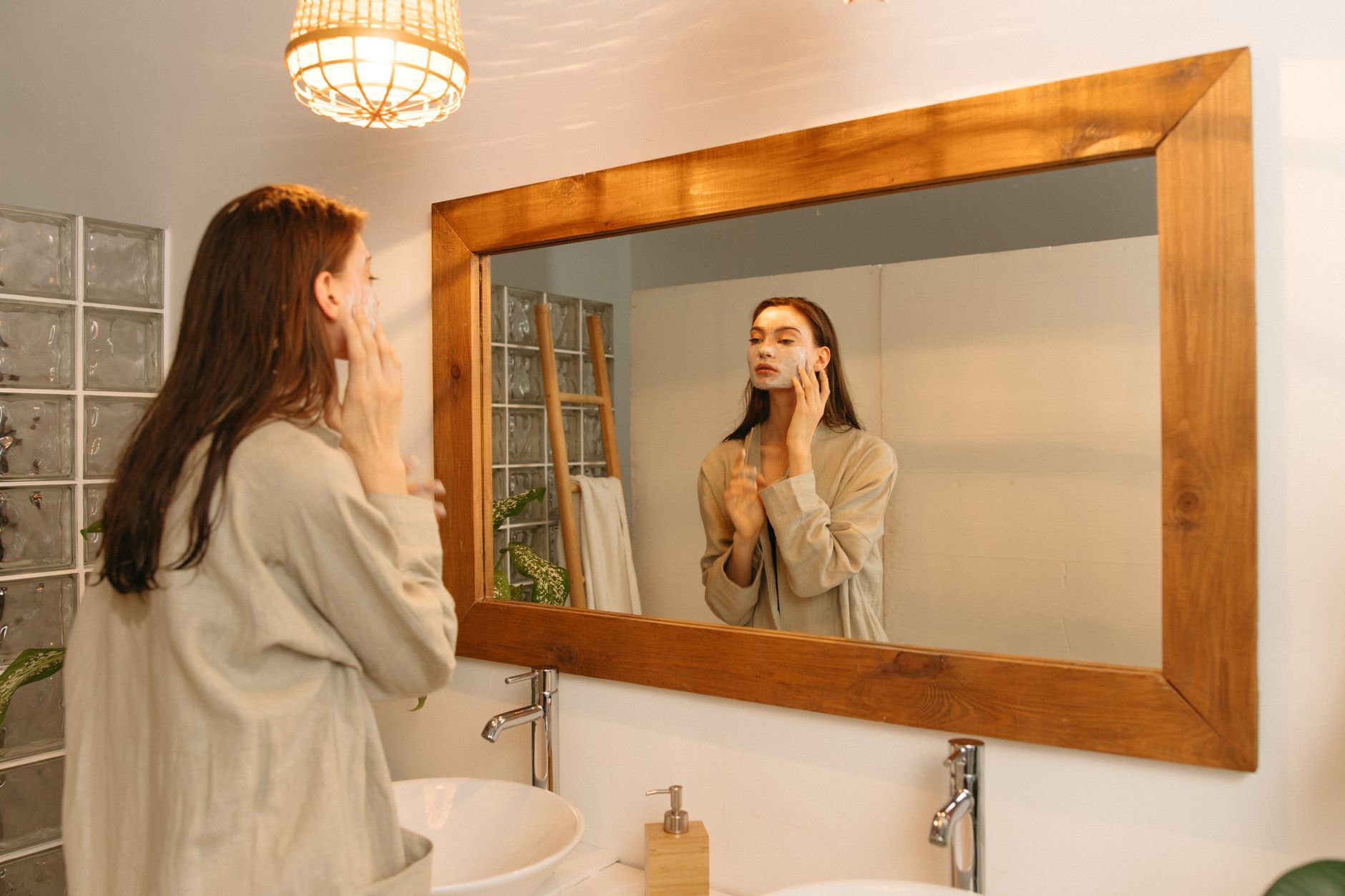
Dry skin isn’t just “a bit thirsty”. It’s a barrier issue—and in the UK, it tends to flare when indoor heating switches on and the air feels constantly… flat.
Across our merchant feed, the tell is consistent: moisturisers, cleansing milks and lip treatments spike in clicks and conversions from autumn through early spring. Women aren’t just shopping for glow; they’re shopping to stop that tight, papery feeling by lunchtime.
So we’re taking a data-led angle here. The headlines this month skew broad and trend-heavy. Useful for context, sure, but not specific enough to change what works. Our price tracker does show something actionable: several barrier-friendly staples sit at unusually sharp prices right now, including NO7 Good Intent Glow Guard SPF30 at £7.95 and Ole Henriksen Pout Preserve Peptide Lip Treatment at £13.60.
Context: what “dry” skin actually means (and what fixes it)
Dry skin means your skin lacks oil (lipids), not just water. That matters because lipids hold your barrier together. When that barrier weakens, water evaporates faster. You feel tightness. Makeup clings. You might even get stinging from “gentle” products.
Hydration and moisturisation work differently. Hydrators pull water into the skin (think glycerin and hyaluronic acid). Moisturisers slow water loss (think ceramides, fatty alcohols, squalane and occlusives like petrolatum). For genuinely dry skin, you usually need both.
UK-specific reality: central heating plus cold air outdoors can push transepidermal water loss up and down all day. That swing often triggers that late-afternoon tightness. Your routine needs fewer “actives”, more consistency, and a cleanser that doesn’t leave skin squeaky.

Step 1: Cleanse like you’re protecting your barrier (because you are)
The fastest way to make a dry-skin routine fail is over-cleansing. If your face feels “super clean” after washing, it usually means you stripped too much.
For mornings, many women with dry skin can skip a foaming cleanse and use a rinse with lukewarm water, or a very gentle cleanser. Evenings matter more because you need to remove SPF and makeup. If you love a double cleanse, keep step one as a balm or oil, then make step two a creamy wash—not a high-foam gel.
One product we can back with current numbers: Nuxe 3-In-1 Hydrating Micellar Water is £13.50 at lookfantastic in our tracker this week. Micellar water can work well as a low-friction first pass on makeup and SPF, but dry skin does best when you rinse it off. Leaving surfactants behind can irritate a compromised barrier.
If you prefer a classic cleanser format, browse Foam & Wash Cleansers carefully and prioritise “cream”, “milk”, or “hydrating” formulas. Fragrance and essential oils can feel luxe, but they often sit badly on very dry or reactive skin.
Step 2: Add water back in—then seal it in (the dry-skin two-step)
Dry skin routines work best when they treat hydration as a layer, not a single product. Think: watery step, then cream step. Not either/or.
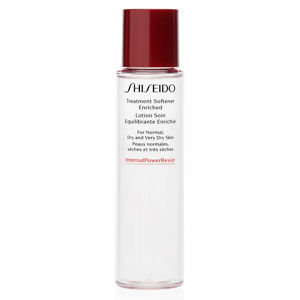
Start with a hydrating toner or essence on slightly damp skin. Look for glycerin, panthenol, beta-glucan and low-weight hyaluronic acid. If hyaluronic acid has ever felt tight on you, it’s often because it wasn’t sealed with a moisturiser, or because the surrounding air felt too dry. Layering fixes that.
Then go in with moisturiser. We’re seeing strong interest in newer “moisture milk” textures because they sit well under makeup and don’t feel greasy. In our feed, NO7 Good Intent Skin Sip Moisture Milk is £14.95 at no7 Beauty with a 5.0/5 rating. A lighter texture can still suit dry skin if it contains barrier lipids and you add a richer layer at night.
If you want a gel-cream for daytime, our tracker also shows NO7 Good Intent Dew Bank Water Cream at £14.95 (also rated 5.0/5). Gel-cream textures help when you hate heaviness but still need comfort—especially if you top with SPF.
Step 3: SPF is non-negotiable—even when your skin feels like sandpaper
Dry skin and SPF have a complicated relationship. Many high-protection formulas cling to flakes, pill over skincare, or sting when your barrier feels fragile.
Two things help: (1) apply SPF over a moisturiser that fully settles, and (2) pick a formula with emollients built in. If you get pilling, it’s usually a layering or texture mismatch rather than “your skin doing something wrong”. Wait a full minute after moisturiser, then use a generous amount of SPF and press it in, rather than rubbing.
For price-led shoppers, this is one of the clearest buys in our current feed: NO7 Good Intent Glow Guard Spf30 is £7.95 at no7 Beauty, with a 5.0/5 rating. SPF30 can suit everyday city life, but if you spend long hours outdoors, you may prefer SPF50—just check current pricing at Boots, Superdrug, or your usual retailer.
If you want to browse by category before choosing, our SPF Protection Products page makes it easier to compare textures and filters without getting lost in marketing claims.
Step 4: Night routine for dry skin—where “repair” actually happens
Night is when dry skin benefits most from richer textures. You don’t need a complicated routine. You need the right weight of product, consistently.
A simple structure works: cleanse → hydrating layer → moisturiser → optional occlusive. The optional occlusive matters when you wake up feeling tight. A thin layer of an occlusive balm (or petrolatum-based ointment) over your moisturiser can reduce water loss overnight. Keep it away from lash lines if you’re prone to milia.
If you like the idea of a prestige night cream, our tracker shows a true low: 111SKIN Celestial Black Diamond Cream is £148.00 at lookfantastic (lowest price in 12 months). We’re mildly sceptical of most “diamond dust” narratives, but if you already buy into this tier, buying at a tracked low beats paying full whack.
At the extreme luxury end, Clé de Peau Beauté La Crème is £295.00 at lookfantastic (also a 12-month low in our data). Is it necessary for dry skin? No. But women who love this category often want the sensorial feel plus heavy occlusion. If that’s you, buy at a low and treat it as a last step, not a substitute for gentle cleansing and daily SPF.
Step 5: Dry skin “extras” that pay off: lips, eyes, and weekly masking
Dry skin rarely stops at the cheeks. Lips crack, under-eyes look crepey, and makeup starts to separate around the mouth first.
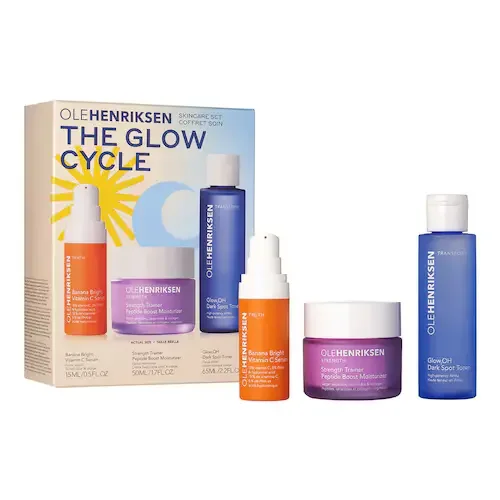
Lip care pays back quickly because the skin there lacks oil glands. One of the best-value picks in our current tracker: Ole Henriksen Pout Preserve Peptide Lip Treatment is £13.60 at Cult Beauty with a 5.0/5 rating. Peptide lip treatments vary, but the main win usually comes from the occlusive base plus humectants. Put it on before bed and again before lipstick.
For under-eyes, consider hydrogel patches for a short-term plump effect, especially before makeup. Our feed shows Patchology Flashpatch Restoring Night Eye Gels back in stock at Cult Beauty for £5.00. Keep expectations realistic: patches hydrate and cool, but they don’t “fix” chronic dryness unless you also fix cleansing and moisturiser choice.
Weekly masks can help, but dry skin should skip harsh clay masks and strong acids when it feels tight. Choose cream masks or sleeping masks. If you want to browse options by format, our Face Masks section filters by skin concern so you can avoid the overly stripping picks.
Step 6: Makeup sits differently on dry skin—prep matters more than primer
When women search “my foundation looks flaky”, the fix often sits in skincare timing, not a new base product.
Give skincare time to settle. If you apply foundation straight over fresh moisturiser, it can slip, pill, or break apart. Aim for a two-minute gap after SPF. If you’re in a rush, blot lightly with tissue rather than powdering heavily, which can catch on dry patches.
If you do want a primer, dry skin tends to suit luminous, balm-like primers more than silicone-heavy mattifiers. Our tracker shows a relevant restock: Guerlain Parure Gold Skin Double Veil rejuvenating Effect Skin-Caring Perfection Primer is back in stock at Cult Beauty, currently £52.80. That’s a spend, but it’s a useful reference point for what “comfort primer” textures try to do: cushion, add slip, and reduce cling.
Tools also matter. Sponges tend to press product into dry patches less than dense buffing brushes. If you want a reliable tool at a controlled price, we’re seeing VIEVE The Modern Makeup Sponge at £14.00 at Sephora with a 5.0/5 rating. Use it damp, not wet, and press foundation in thin layers. If you’re shopping around, our Makeup Brushes & Applicators hub makes it easier to compare tool types.
Step 7: The “don’t make it worse” rules (aka the dry-skin edit)
Dry skin improves fastest when you stop doing the things that quietly sabotage it. That sounds obvious, but the sabotage often hides in “clean” habits and viral hacks.
Here’s the edit we’d make for most dry-skin routines:
- Drop the squeaky cleanse. If your cleanser leaves you tight, swap it.
- Pause strong exfoliation when you’re flaky. Flakes from dryness aren’t the same as “dead skin build-up”. Treat the barrier first.
- Watch fragrance and essential oils. They aren’t evil, but they often sting when the barrier’s compromised.
- Stop chasing “glass skin” with five hydrating steps. Two good layers beat five messy ones.
- Use lukewarm water. Hot water feels good, then feels bad.
- Patch test actives. Especially retinoids and acids. Dry skin often tolerates them, but only after the basics work.
If you want to rebuild around proven staples, focus your spend on the categories that do the heavy lifting: Day Face Moisturisers, a gentle cleanser, and daily SPF. Serums can help, but they can’t compensate for a cleanser that strips you twice a day.
Step 8: A simple dry-skin routine you can follow (and adjust)
Dry skin routines sound complicated until you write them down. Here’s a structure that works for most women, with space to personalise.
Morning
- Rinse or gentle cleanse
- Hydrating toner/essence (optional but helpful)
- Moisturiser (light to medium)
- SPF (generous)
Evening
- Remove makeup/SPF (micellar, balm, or oil)
- Gentle second cleanse (if needed)
- Hydrating layer
- Moisturiser (richer than morning)
- Occlusive layer 2–4 nights a week if you wake up tight
Where do the tracked products fit? The Nuxe micellar (£13.50) can sit in makeup removal. The NO7 Good Intent moisturisers (£14.95) can cover your day and night base layers. The NO7 SPF30 (£7.95) handles daily protection on a budget. The Ole Henriksen lip treatment (£13.60) supports the “dry skin isn’t just face skin” reality.
If you enjoy luxury and you can afford it, the tracked lows on 111SKIN (£148.00) and Clé de Peau (£295.00) give you a safer entry point. Just don’t treat price as proof. Treat it as texture preference and consistency.
What this means for UK shoppers right now
The practical takeaway from our data this week: you don’t need to wait for a major sale to fix a dry-skin routine. Several core categories already sit at unusually attractive prices, especially if you shop directly through brand sites or Cult Beauty rather than defaulting to one retailer.
We’d prioritise spend in this order: cleanser that doesn’t strip → moisturiser you will use daily → SPF you won’t avoid → lip care. Then, and only then, add extras like primers, patches, and trend-led serums. If your skin feels tight by midday, a new active won’t save you. A better base routine will.
Dry skin responds well to boring consistency. That’s good news. It also means you can ignore most hype and shop with a plan.
Which step in your routine causes the most dryness—cleansing, SPF, or makeup sitting badly? Tell us what you’re using now, and we’ll point you towards the swaps that make the biggest difference for UK weather and UK retailers.