Sensitive skin doesn’t need a “stronger” soap. It needs a smarter one.
The best soap for sensitive skin cleans effectively at low irritation risk: mild cleansing base, minimal fragrance, fewer potential allergens, and enough emollient support to avoid that tight, squeaky feeling after rinsing. When a soap gets this balance right, you can wash daily without turning your shower into a redness roulette.
Below, we break down what “gentle” actually means, which ingredients matter most, bar vs liquid trade-offs, and how to patch test properly. We also pull in real-world pricing from our tracker and recommend only soaps from the list you provided, so you can shop with fewer surprises.
What “gentle soap” really means (and why sensitive skin reacts)
Sensitive skin usually reacts for one of two reasons: barrier stress or ingredient intolerance. Barrier stress happens when cleansing removes too much surface oil and natural moisturising factors. Intolerance happens when the formula contains common triggers, such as fragrance materials, certain essential oil components, or preservative systems that don’t suit you.
Soap can add pressure fast because washing is frequent. Hands, underarms, and body folds get repeated exposure, plus friction from cloths and towels. In the UK, indoor heating from October to March often dries skin further, so even a “normal” cleanser can start to sting.
Gentle soap typically follows three rules:
- Lower irritant load: fewer potential sensitising ingredients (especially fragrance-related) and a simpler formula overall.
- Supportive feel after rinsing: added emollients or humectants help reduce that stripped sensation.
- Predictable use: it performs well with short contact time and rinses clean without residue that can itch later.
One more reality check: “natural” does not automatically mean gentle. Many natural extracts smell lovely because they contain allergens. For reactive skin, low-frills often wins.
Ingredients to look for (and what they do for sensitivity)
When shoppers ask us what to “look for,” we steer them to ingredients that either reduce post-wash tightness or keep the formula straightforward. You won’t find a single magic ingredient. You will find patterns.
Shea butter shows up in several classic sensitive-skin-friendly soaps because it can soften the wash feel. If you want that cushioning effect without going ultra-expensive, the L’Occitane shea-based bars sit in a sensible mid range for prestige soap. The L'Occitane Shea Verbena Extra-Gentle Soap starts from £8.25 and uses traditional saponification and cauldron-cooking methods, while shea butter, omega-6 and karitene aim to nourish as you cleanse.
Glycerin often signals a less drying feel because it helps bind water in the outer skin. In the liquid soap space, the Compagnie de Provence Liquid Marseille Soap (from £11.00) describes a naturally glycerined formula with 97.7% ingredients of natural origin, including organic olive oil. For some sensitive skin types, that “naturally glycerined” detail matters more than a long list of botanical extras.
Olive oil and other lipid-rich bases can also reduce that squeaky-clean finish. The DHC Mild Soap (from £6.47) explicitly includes virgin olive oil and honey, and it claims a fine, creamy foam that removes dirt and dead skin cells while protecting moisture.
Unscented options matter. Fragrance sits high on the “why is my skin angry?” list. If you want to remove that variable, the Dr. Bronner Magic Soap Baby Mild Unscented (from £24.40) gives you an all-in-one liquid soap format without fragrance, while still using a skin-friendly oil blend based on organic olive oil and coconut oil plus hemp and jojoba oils (as described across the Dr. Bronner liquids).
Ingredients to avoid (or treat with caution) if you’re reactive
Sensitive skin advice goes off the rails when it becomes a single blacklist. Plenty of people tolerate fragrance. Plenty don’t. The practical approach: remove the highest-probability triggers first, then add complexity only if your skin stays calm.
Fragrance and perfuming materials cause issues for a sizeable chunk of reactive skin types. That includes “parfum” and also naturally fragrant ingredients. For example, scented bars such as Jo Malone Lime Basil & Mandarin Bath Soap (from £20.00) or Fresh Oval Soap (from £11.25) can suit normal skin well, but sensitive skin often prefers to trial these only after you’ve stabilised your routine. Jo Malone also includes defined notes (mandarin, basil, amberwood) and uses shea butter, which can feel conditioning, yet scent remains the big variable.
Essential oils deserve the same caution as fragrance because they contain natural aromatic compounds. Dr. Bronner’s scented liquids (like Dr. Bronner Lavender Pure-Castile Liquid Soap from £24.40, and Dr. Bronner Magic Soap Sandalwood & Jasmine from £24.40) may feel fine for some users, but if you react easily, start with unscented before experimenting.
Acids and enzyme-heavy exfoliating claims can backfire when your barrier feels fragile. The Mario Badescu AHA Botanical Body Soap (from £6.75) targets brightening and smoothing with fruit extracts and enzymes. That can suit resilient, congestion-prone body skin, but reactive skin should treat it as an “advanced” choice and patch test carefully.
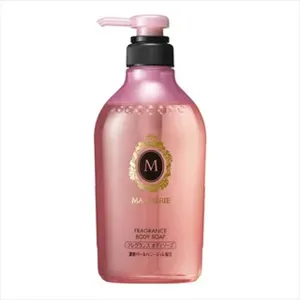
Deodorising or “odour transforming” technologies can add complexity. The Shiseido Ma Cherie Fragrance Body Soap (from £13.27) includes a fragrance sensor function that shifts unpleasant odours into a pleasant scent, plus a moisturising ingredient complex. For sensitive skin, fragrance-forward formulas usually sit lower on the priority list.
Bar vs liquid for sensitive skin: the trade-offs that matter
Bar versus liquid isn’t about which feels “cleaner.” It’s about control.
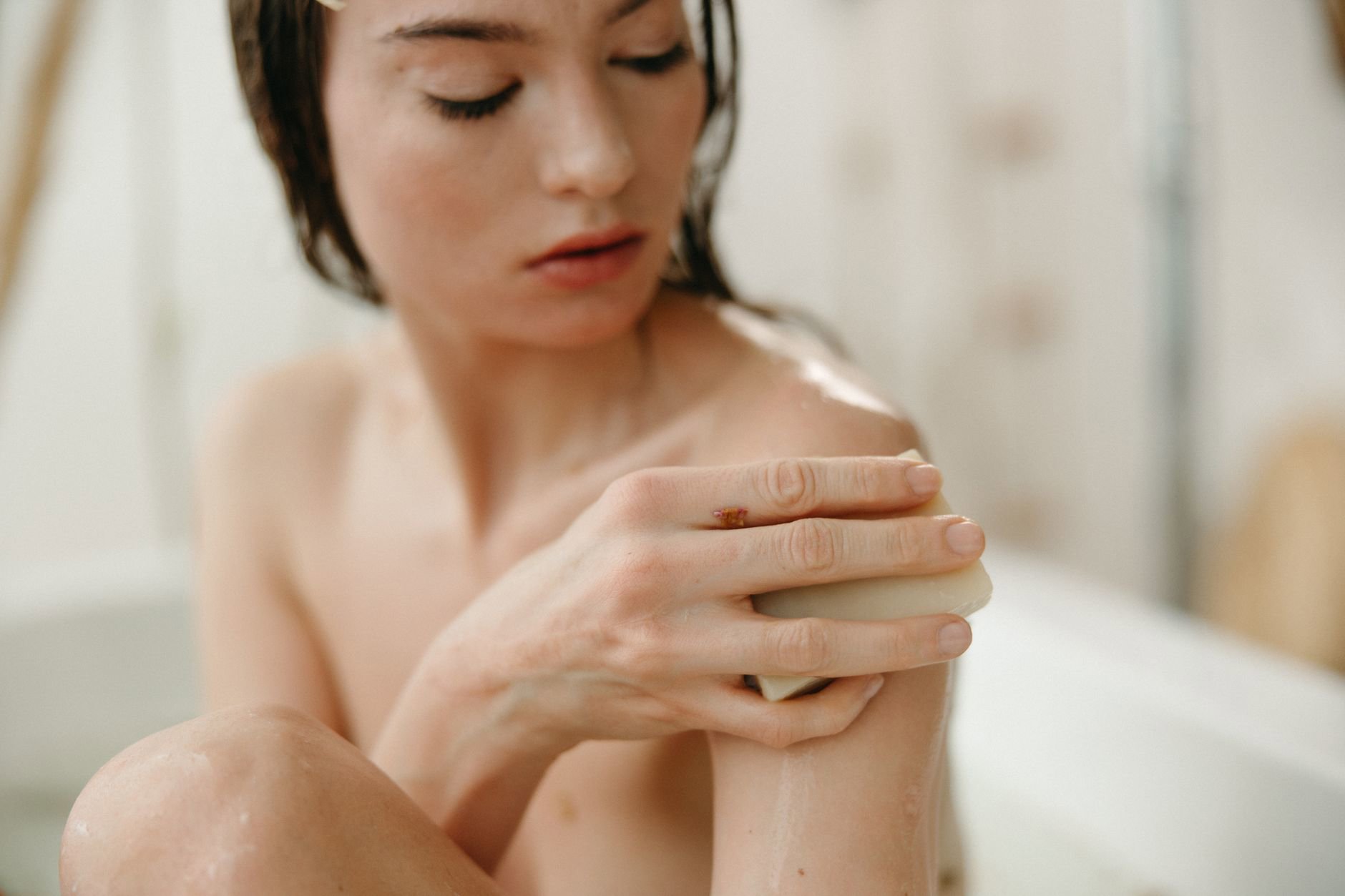
Bars can work well for sensitivity because you control how much you apply and where. Many people naturally use less product with a bar, and less exposure often means fewer reactions. Bars also tend to have short ingredient lists, which can make culprit-hunting easier.
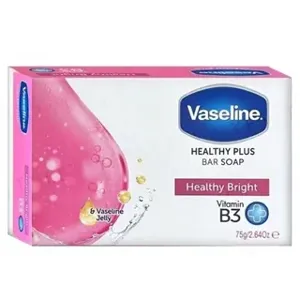
Good bar options from the list include the DHC Mild Soap (from £6.47) for a creamy, moisture-protective cleanse, and Vaseline Healthy Plus Bar Soap Vitamin B3 (from £4.55) for budget-friendly body cleansing with soy protein, oat extract, and Vaseline Jelly. If you want a prestige bar with a classic sensitive-skin-leaning profile, L'Occitane Shea Lavender Soap (from £11.00) and L'Occitane Shea Verbena Soap (from £11.00) both focus on gentle cleansing, softening, and skin scenting, with shea extract in each.
Liquids shine when you need even distribution, quick lather, and less friction. That can help if your skin flares from scrubbing. Liquids also slot neatly at the sink, which matters when hands react to frequent washing.
For liquids, the safest starting point tends to be unscented. That’s why Dr. Bronner Magic Soap Baby Mild Unscented (from £24.40) sits high on our “start here” list for reactive shoppers who want a one-product approach. If you tolerate fragrance but dislike squeaky tightness, the Compagnie de Provence Liquid Marseille Soap (from £11.00) offers a naturally glycerined, olive-oil-including base, though it also comes in a defined scent (‘Black Jasmine’).
Soap picks we’d shortlist for sensitive skin (with UK price anchors)
Price doesn’t guarantee gentleness, but our tracker shows a clear pattern: shoppers often overpay for scent and packaging when their skin would prefer a simpler formula. Here’s a practical shortlist, organised by “why it makes sense” for sensitivity.
1) The simplest place to start: unscented liquid
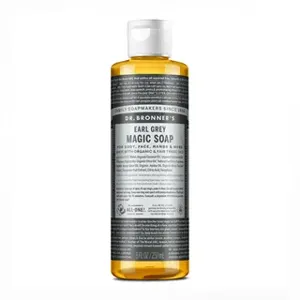
Dr. Bronner Magic Soap Baby Mild Unscented (from £24.40) stays straightforward on scent, while still aiming to protect moisture as it cleans. It’s an all-in-one soap for face and body, so it can reduce the number of products your skin has to tolerate.
2) Creamy bar cleansers that prioritise moisture feel
- DHC Mild Soap (from £6.47): includes virgin olive oil and honey, plus a creamy foam approach that focuses on leaving moisture behind.
- Vaseline Healthy Plus Bar Soap Vitamin B3 (from £4.55): uses soy protein, oat extract, and Vaseline Jelly to lock in moisture while cleansing.
3) Shea-enriched bars for people who want a scented finish (cautiously)
If you miss that “nice soap” ritual, the L’Occitane shea bars offer a gentle-cleansing positioning plus added shea extract. Start with short contact time and avoid active flare days.
- L'Occitane Shea Verbena Extra-Gentle Soap (from £8.25): made via traditional methods and enriched with shea butter, omega-6 and karitene.
- L'Occitane Shea Lavender Soap (from £11.00): gentle cleansing with the iconic lavender scent.
- L'Occitane Shea Verbena Soap (from £11.00): a citrusy verbena option if you tolerate fragrance well.
- Jo Malone Lime Basil & Mandarin Bath Soap (from £20.00): shea-butter conditioning plus a defined fragrance profile for buyers who prioritise scent.
4) Sensitive skin, but oily or breakout-prone body areas
Some people sit in the awkward middle: easily irritated, yet prone to body congestion. In that case, the temptation goes straight to exfoliating soaps. We’d treat them as occasional tools, not daily basics.
Mario Badescu AHA Botanical Body Soap (from £6.75) targets brightening and smoothing with fruit extracts and enzymes. Patch test first, then keep exposure short, and don’t use it on already-red skin.
5) When you want a “department counter” soap without the stingy after-feel
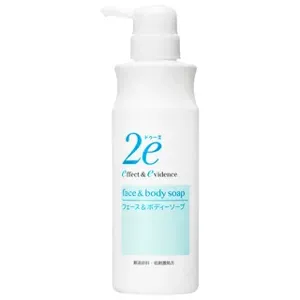
Shiseido Face & Body Soap (from £20.29) positions itself as mild, and it claims it won’t leave skin dry or taut after washing while helping prevent roughness, conspicuous pores, and acne. If you prefer Japanese beauty brands, you can browse more via our Shiseido hub.
Where to buy varies by brand. In the UK, soaps like these often rotate between Boots, Space NK, John Lewis, Cult Beauty, and Lookfantastic. Our price tracking tends to show the biggest swings on premium bars and imported liquids, so it pays to check before you restock.
How to patch test soap properly (most people rush this)
A patch test sounds fussy. It saves money and discomfort.
Soap patch testing needs two steps because soap works through both ingredients and friction. You want to test the formula and the act of washing.
Step-by-step patch test (hands-on, low drama):
- Pick a small area: inner forearm works, or the side of your neck if that’s where you react.
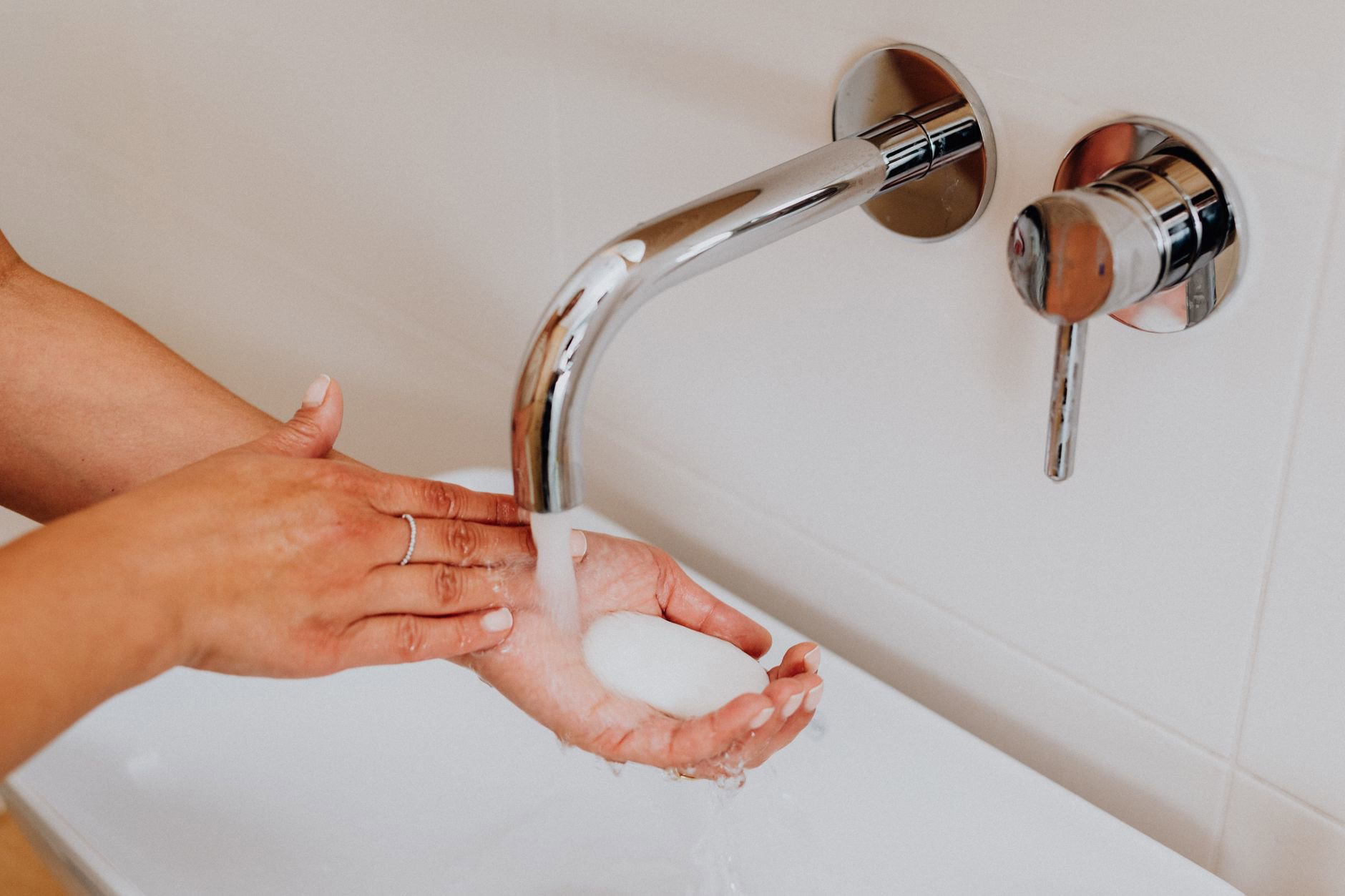
- Short-contact wash test: lather a tiny amount, wash for 10–15 seconds, rinse, pat dry. Do this once a day for 3 days.
- Watch for delayed reactions: itching, rash bumps, or heat can appear 12–48 hours later.
- Escalate carefully: if all is calm, move to a larger but still low-friction area (like the upper arm) before full-body use.
Keep the rest of your routine stable while you test. Don’t change your Body Lotions or Body Creams at the same time, or you’ll never know what triggered what. Same goes for adding new Face Exfoliants or Face Toners alongside a new wash product.
If a reaction starts, stop immediately and revert to the last soap that didn’t cause trouble. Sensitive skin responds well to boring consistency.
Build a low-irritation washing routine (using only soap)
Most irritation comes from the combination of hot water, long wash time, and heavy rubbing. Soap gets blamed because it’s the obvious step.
Try this routine for two weeks and see if your skin calms down:
- Warm, not hot water: heat increases barrier stress.
- Keep contact time short: lather, apply, rinse. No lingering foam.
- Use hands over cloths: reduce friction, especially on arms and shins.
- Focus soap where it earns its keep: underarms, groin area, feet. Use minimal product elsewhere if you feel dry.
- Pat dry: don’t buff the towel into your skin.
Choosing the soap depends on where you react most:
- Hands cracking from frequent washing: go simple and fragrance-free. Dr. Bronner Magic Soap Baby Mild Unscented (from £24.40) suits that brief.
- Body tightness after showers: look for a “moisture-protective” feel in the description. DHC Mild Soap (from £6.47) and Vaseline Healthy Plus Bar Soap Vitamin B3 (from £4.55) read like sensible first picks.
- You want a sensory scent but you react sometimes: reserve fragranced bars like L'Occitane Shea Lavender Soap (from £11.00) for stable weeks, and keep an unscented backup on hand.
One sentence that fixes a lot: use less soap than you think you need.
Smart shopping: value, where price swings happen, and what to ignore
Our merchant feeds show that soap prices behave differently depending on the category. Budget bars like Vaseline Healthy Plus Bar Soap Vitamin B3 (from £4.55) tend to stay steady. Prestige soaps often move around more, especially when retailers bundle offers across gift or seasonal promotions.
When shoppers chase “sensitive skin” labels, marketing usually pushes three things: botanical storytelling, strong scent cues, and premium packaging. Those don’t reduce irritation risk. In fact, they can raise it.
We’d spend money in two cases:
- You need fragrance-free in a liquid format and want an all-in-one. That points to Dr. Bronner Magic Soap Baby Mild Unscented (from £24.40).
- You already tolerate scent and you care about the experience. That’s where Jo Malone Lime Basil & Mandarin Bath Soap (from £20.00) makes sense as a luxury treat.
Otherwise, start mid-low. Sensitive skin rewards restraint.
For context browsing (not soap recommendations), many people build the rest of their routine around gentle skin care and keep fragrance in Eau de Parfum Perfumes or Eau de Toilette Perfumes rather than wash-off products. That division reduces daily exposure on compromised skin.
Practical takeaways you can use today
If your skin flares easily, make your next soap choice a controlled experiment. Pick one new soap, keep everything else the same, and patch test with short contact time. Give it a week before you decide it “does nothing.” With sensitive skin, “nothing happened” is the win.
If you want a clean starting point, choose one of these depending on your priorities: Dr. Bronner Magic Soap Baby Mild Unscented (from £24.40) for fragrance-free liquid simplicity; DHC Mild Soap (from £6.47) for a creamy bar with olive oil and honey; or Vaseline Healthy Plus Bar Soap Vitamin B3 (from £4.55) for a low-cost, moisture-locking bar.
Then change your technique before you blame your skin. Warm water, shorter washes, and less friction often fix the “sensitive” feeling without swapping half the bathroom.
What kind of sensitivity are you dealing with most often: dryness and tightness, redness and stinging, or itch after rinsing? If you share that pattern, we can point you to the most sensible soap pick from the shortlist above.