To exfoliate your body without irritation, match the exfoliant type to your skin (and the problem you want to fix), keep the frequency boringly low at first, and treat friction like a spice: a little goes a long way.
Most redness, stinging, and “why do my legs feel tight?” moments come from two things: too much scrubbing pressure, or stacking strong actives too often. The fix usually isn’t a new product. It’s a better plan.
Below, we break down physical vs chemical body exfoliants, how often to use them by skin type, and the practical habits that cut down ingrowns, dryness, and over-exfoliation.
Start with the goal: bumps, dullness, ingrowns, or rough patches?
Body exfoliation works best when you get specific. “Smoother skin” can mean keratosis pilaris (KP) bumps on arms, ingrowns along the bikini line, flaky shins in winter, or a dull, thick feel on elbows and knees.
Different problems respond to different approaches. KP often improves when you combine gentle physical polishing with chemical exfoliation, but only at a sensible pace. Ingrowns usually need less friction and more consistency. Dry, tight skin needs an exfoliant that does not strip, plus a schedule that respects indoor heating season.
Our price tracker also shows body exfoliants sit across a wide price band, so it pays to buy for the job, not the hype. For example, ESPA Refining Skin Polish starts from £5.00, while tools like Foreo Luna 4 Body T-Sonic Massaging Body Brush Exclusive start from £90.35.
One more boundary: body skin is tougher than facial skin, but it still gets inflamed. If your skin feels hot, looks shiny-tight, or stings when water hits it, treat that as a stop sign.
Physical vs chemical exfoliation: how to choose without guessing
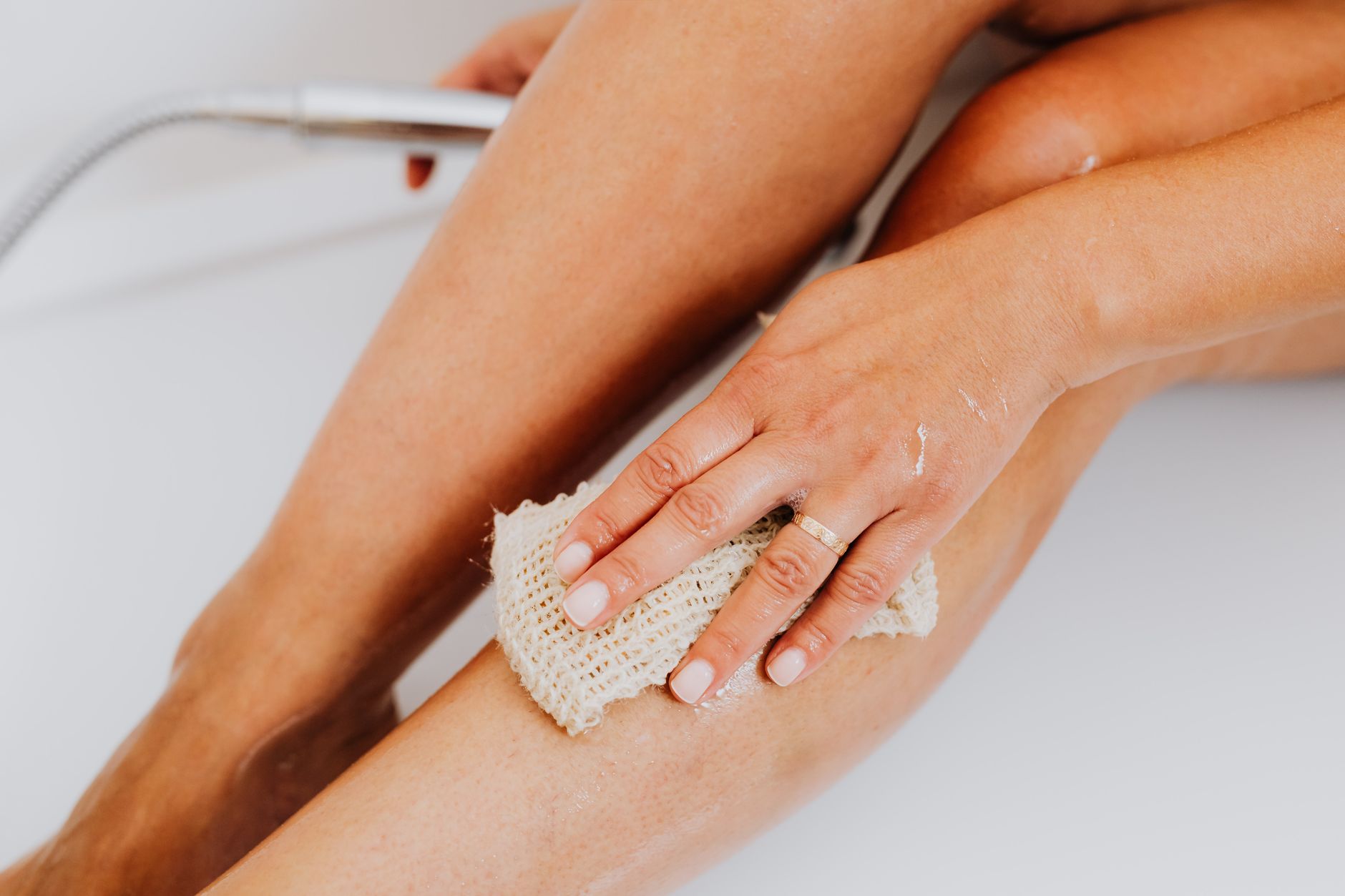
Physical exfoliation uses particles or bristles to lift dead skin. Chemical exfoliation uses acids to loosen the “glue” between cells, so they shed more evenly. Both can irritate when you overdo them.
Physical exfoliation makes sense when you want instant smoothness on rough zones, or you struggle with flaky build-up that clings to skin. It can also feel more controllable, because you can stop the second your skin starts to protest.
Chemical exfoliation tends to suit texture that returns quickly (KP, body breakouts, persistent roughness), because it works more evenly. It also removes the temptation to scrub harder when you don’t see immediate results.
Here’s how the products in our body exfoliants feed map to those approaches:
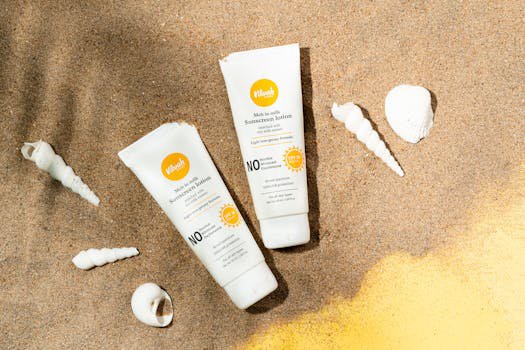
- Physical scrubs (grit-based): Fresh The Original Brown Sugar Body Polish (from £35.00) uses sugar as a non-drying exfoliator and claims 24-hour hydration. Frank Body Original Coffee Scrub (from £5.56) uses natural exfoliators in a coffee-based scrub.
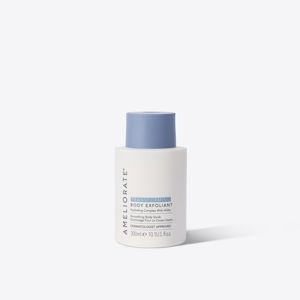
- Hybrid scrubs (physical + chemical): First Aid Beauty Kp Bump Eraser Body Scrub With 10% Aha (from £5.60) combines chemical and physical exfoliators for dry, rough bumps. Ameliorate Smoothing Body Exfoliant (from £5.00) uses biodegradable bamboo granules plus “Alpha Hydroxy Therapy”.
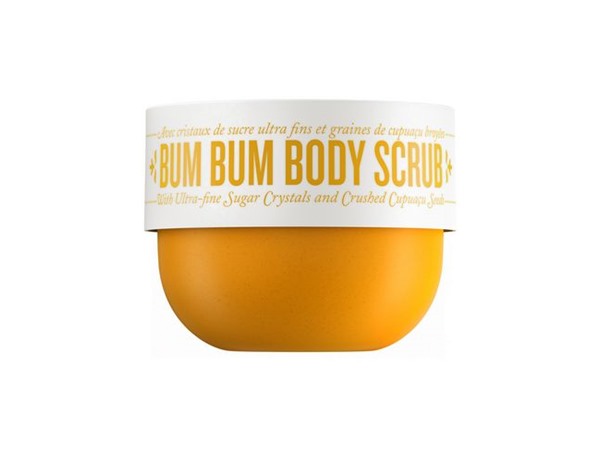
- AHA-focused options: Frank Body Glycolic Body Scrub (from £8.00) features glycolic and lactic acids. Sol de Janeiro Bom Dia Body Scrub (from £29.25) includes a 10% AHA/BHA resurfacing complex with glycolic and salicylic acids listed.
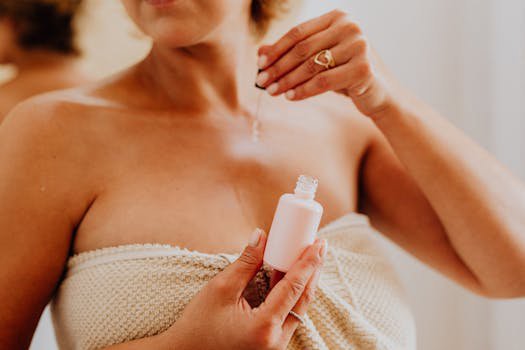
- Targeted, low-mess chemical format: THE INKEY LIST Glycolic Acid Exfoliating Body Stick (from £15.00) targets dry skin and pigmentation concerns in a stick.
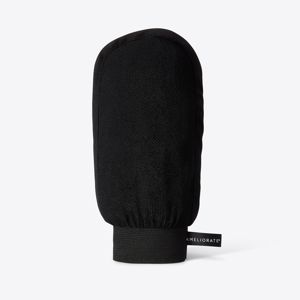
- Tool-based exfoliation: Elemis Body Detox Skin Brush (from £19.60) uses cactus bristles and advises brushing upwards from the soles of the feet. Foreo Luna 4 Body T-Sonic Massaging Body Brush Exclusive (from £90.35) uses T-Sonic pulsations and suits sensitive skin when paired with cleansing formulas.
If you get redness easily, start with either a gentler physical option (fine particles, light pressure) or a controlled chemical format (small area, low frequency). Save hybrids for later.
How often should you exfoliate? A schedule by skin type (and UK weather reality)
Frequency causes more irritation than product choice. Most people do not need daily body exfoliation, even if marketing suggests otherwise.
Body skin also changes across the year. Damp, cold winters plus indoor heating often push skin towards dryness and sensitivity. Summer heatwaves can push sweat, friction, and body breakouts. Your exfoliation schedule should flex.
Use this as a starting point
- Very sensitive or reactive skin: 1x weekly, max. Consider a gentle polish like ESPA Refining Skin Polish (from £5.00) with a light touch, or a tool designed for sensitive skin like Foreo Luna 4 Body T-Sonic Massaging Body Brush Exclusive (from £90.35) used gently with your cleansing formula.
- Dry skin (tight after shower): 1–2x weekly. Choose a scrub that aims to avoid a stripped feel, like Fresh The Original Brown Sugar Body Polish (from £35.00), which claims 24-hour hydration.
- Normal/combination body skin: 2x weekly. Rotate: one physical scrub session, one chemical or hybrid session, with rest days between.
- KP bumps (upper arms/thighs): 2–3x weekly, but start at 1–2x. Hybrids like First Aid Beauty Kp Bump Eraser Body Scrub With 10% Aha (from £5.60) or Ameliorate Smoothing Body Exfoliant (from £5.00) can suit this, but only if you keep pressure low.
- Ingrowns-prone areas: 1–2x weekly, plus consistent technique. A targeted format like THE INKEY LIST Glycolic Acid Exfoliating Body Stick (from £15.00) helps you avoid over-scrubbing.
Spacing matters. If you exfoliate on Monday, wait until Thursday or Friday for the next session. Back-to-back days often create the “mystery rash” people blame on fragrance.
Also: if you shave, schedule exfoliation away from shaving day. The combo of hair removal plus exfoliation often triggers stinging and ingrowns.
Technique beats intensity: the low-irritation method in the shower
Most irritation comes from treating exfoliation like sanding. Skin responds better to short contact time, light pressure, and thorough rinsing.
Use this step-by-step method with scrubs and polishes:
- Start on wet, warm skin. Avoid very hot water. Heat plus friction can trigger redness.
- Use less product than you think. A small amount spread thinly reduces “hot spots” where grit concentrates.
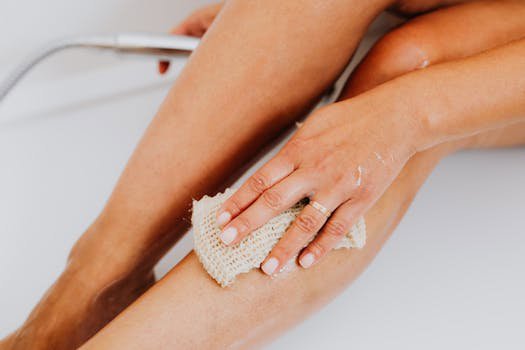
- Keep pressure at “massage”, not “scrub”. Two passes over an area beat ten aggressive circles.
- Limit time. Aim for 30–60 seconds per body area (arms, legs, torso). Stop earlier if skin turns pink.
- Rinse fully. Leftover particles keep rubbing as you towel off.
For a straightforward physical scrub, Frank Body Rosehip Body Scrub & Cleanser (from £7.95) suits people who want scrub plus cleanse in one step, because it melts into a foamy lather to remove grime while buffing.
If you want a more “spa polish” texture, Aesop Redemption Body Scrub (from £31.00) uses finely milled pumice and bamboo stem in a gel formula to remove dead surface cells. Fine particles usually reduce the urge to grind.
Tools need the same restraint. Elemis Body Detox Skin Brush (from £19.60) advises brushing upwards from the soles of your feet. Keep strokes light and avoid already-irritated skin. Bristles plus enthusiasm can cause more trouble than any acid.
Preventing over-exfoliation: the warning signs and the reset plan
Over-exfoliation looks obvious when it gets bad. Before that, it looks like “my skin feels tight but also gets spots”.
Watch for these early signs:
- Stinging when water hits skin
- Persistent redness that lasts more than an hour
- A shiny, stretched look (especially on shins)
- New itchiness or rough patches that feel worse than before
- More ingrowns, not fewer
- Breakouts in areas you usually do not break out
If you see those, run a simple reset. Stop exfoliating for 7–10 days. Keep showers lukewarm. When you restart, halve the frequency and pressure.
Hybrids and higher-strength formulas deserve extra caution. Sol de Janeiro Bom Dia Body Scrub (from £29.25) includes a 10% AHA/BHA resurfacing complex, with glycolic and salicylic acids highlighted. That can suit resilient, congestion-prone body skin, but it also makes “more” a bad idea. Treat it like a once-weekly option at first.
Similarly, First Aid Beauty Kp Bump Eraser Body Scrub With 10% Aha (from £5.60) combines chemical and physical exfoliators. That combo can deliver fast smoothness for KP, but it punishes heavy pressure. Let the formula do the work.
One more rule: do not stack. If you use an AHA scrub, skip other exfoliating steps that day. Keep the routine simple, especially during winter dryness.
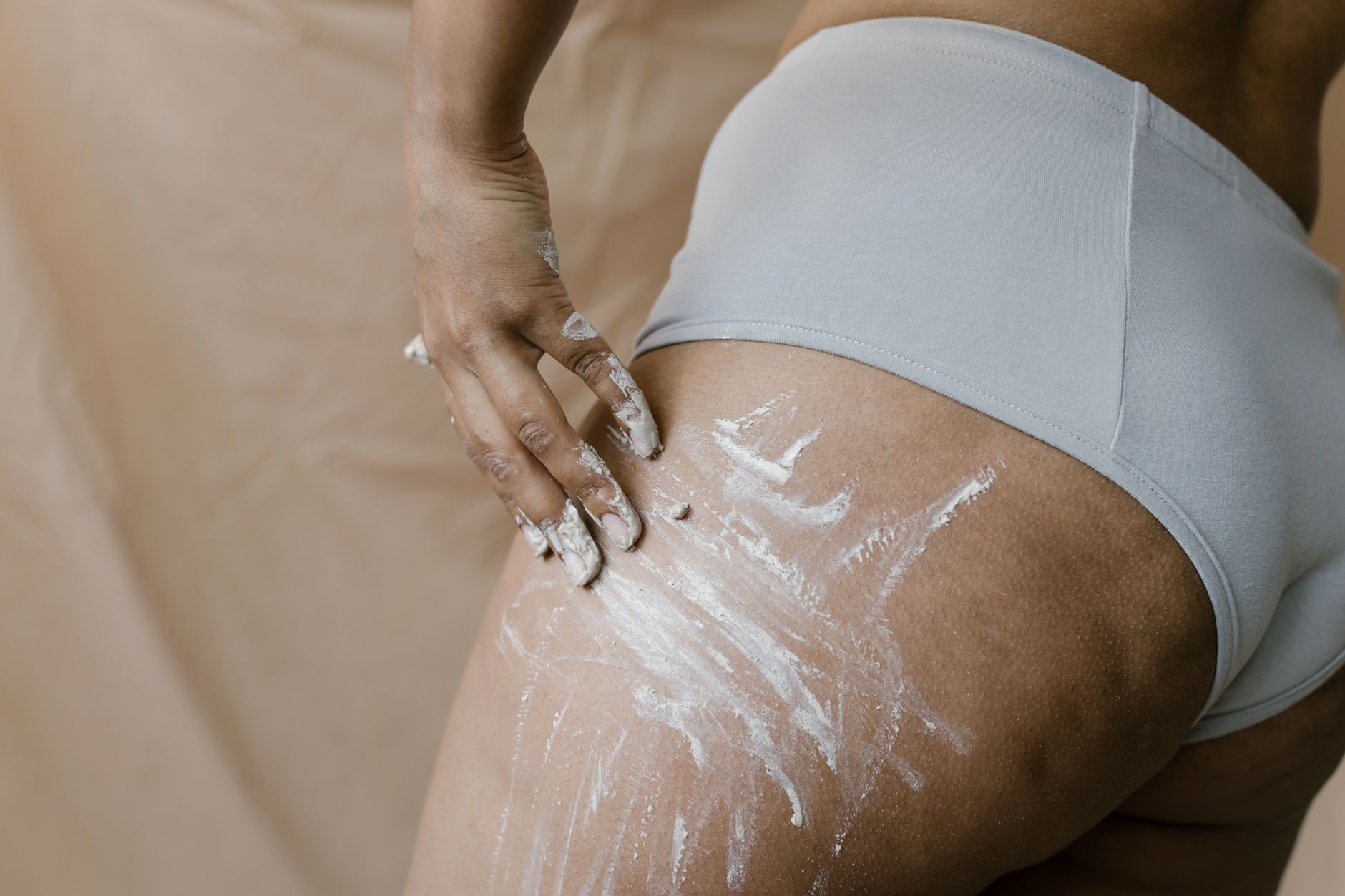
Ingrowns and “strawberry legs”: reduce friction, increase consistency
Ingrowns often show up when dead skin traps the hair, but irritation makes the problem worse. The goal involves gentle exfoliation plus good timing.
For ingrowns-prone areas, targeted chemical exfoliation can reduce the urge to attack the skin with a gritty scrub. THE INKEY LIST Glycolic Acid Exfoliating Body Stick (from £15.00) suits this style of routine, because the stick format helps you apply an even layer without overworking the area.
If you prefer an in-shower scrub with acids, Frank Body Glycolic Body Scrub (from £8.00) includes glycolic and lactic acids, plus the physical scrub element. Use it sparingly and do not use it right before or after shaving.
And if you want a classic scrub for legs, OUAI Scalp & Body Scrub (from £30.40) uses sugar crystals to cleanse and lift dead skin cells. Sugar scrubs can feel gentler than sharp-edged grains, but technique still decides the outcome.
Timing tips that reduce irritation fast:
- Exfoliate 24 hours before hair removal, not five minutes before.
- Keep to 1–2 sessions weekly on the same area.
- If bumps look angry, switch to a targeted approach and skip gritty scrubs until calm.
- Stop picking. Always.
Product picks by “irritation risk”: what we’d choose for different bodies
Body exfoliants range from soft polishes to acid-heavy hybrids. The best choice depends on how easily your skin flushes, and how much texture you need to shift.
Based on the product descriptions and what our pricing data shows across UK merchants, here’s a practical way to shop.
Lower irritation risk (good starters)
ESPA Refining Skin Polish (from £5.00) uses super-fine exfoliation with non-abrasive earth particles and aims to refine and smooth. That “super-fine” texture often helps beginners keep pressure low.
Fresh The Original Brown Sugar Body Polish (from £35.00) leans into sugar as a non-drying exfoliator and claims 24-hour hydration. It sits at the pricier end, but it makes sense for dry skin that hates the squeaky-clean feel.
Medium risk (for regular exfoliators who want more smoothing)
Ameliorate Transforming Body Exfoliant (from £18.00) targets bumpy, textured and very dry skin with dual action and lasting hydration claims. Keep frequency conservative if you already use other exfoliating products.
Nuxe Reve De Miel Deliciously Nourishing Body Scrub (from £17.60) positions itself as nourishing and exfoliating in one. This style tends to suit people who want softness without a harsh finish.
Higher risk (stronger resurfacing, easy to overdo)
First Aid Beauty Kp Bump Eraser Body Scrub With 10% Aha (from £5.60) and Sol de Janeiro Bom Dia Body Scrub (from £29.25) both sit in the “results, but respect them” camp because they combine acids with a scrub base. Start once weekly. Do not stack with other exfoliation.
Want a tool option instead of grit? Foreo Luna 4 Body T-Sonic Massaging Body Brush Exclusive (from £90.35) targets a deep-clean feel with T-Sonic pulsations and suits sensitive skin when paired with cleansing formulas. It costs more upfront, but it can reduce how often you buy scrubs if you use it gently.
Where to buy in the UK varies by brand. In our merchant feeds, exfoliants often appear across Boots, Space NK, John Lewis, Cult Beauty and Lookfantastic, so it pays to compare rather than default to one basket. (If you already shop other categories like Shower Gels & Body Washes or Body Lotions, check delivery thresholds and bundle sensibly.)
Practical tips you can use today (and the mistakes to stop repeating)
Make exfoliation easier to stick with, and irritation drops. Keep it simple.
Our favourite low-drama routine looks like this: pick one exfoliant format, use it on a set schedule, and adjust only after two weeks. Jumping between scrubs, brushes, and acids usually ends in redness.
- Patch test strong formulas. Try a small area on the outer arm or thigh before full-body use.
- Do not chase squeaky-clean. That tight feel often signals barrier stress.
- Keep elbows, knees, heels separate. You can use a stronger scrub there than on the chest or inner thighs.
- Reduce towel friction. Pat dry instead of rubbing hard after exfoliating.
- Set a ceiling. Most people cap out at 2–3 exfoliation sessions per week total.
- If you use a brush, clean it. Build-up on bristles can irritate skin and defeat the point.
If you want a single product to cover “rough but sensitive”, we’d lean towards a fine polish like ESPA Refining Skin Polish (from £5.00) for consistency, then step up only if results plateau. If you want a KP-focused option, Ameliorate Smoothing Body Exfoliant (from £5.00) offers both physical and chemical exfoliation elements, so you can keep the rest of the routine basic.
For readers who like browsing across skin care more widely, keep categories separate in your head. Body exfoliants do not need the same cadence as Face Exfoliants, and copying a face routine onto your body often causes irritation.
Simple wins.
Which area irritates most when you exfoliate: legs, upper arms, or the bikini line? If you share your skin type and what you currently use, we can suggest a low-irritation schedule using the options above.