Our price tracker shows a curious spike every January: a rush on base coats and quick-dry top coats as women try to revive drawers of abandoned varnish. The bins tell their own story. Retailers clear end-of-line shades each season, and those discounted bottles often land in our stashes for years.
So, does nail polish expire? Yes. Varnish doesn’t turn toxic overnight, but solvent loss and pigment drift change how it applies, dries, and wears. You can spot the signs and stretch the life of bottles you already own. And you can buy smarter to avoid waste.
Let’s break it down with real product behaviour, lab-friendly storage rules, and the small tweaks that keep colour fresh for longer.
UK shoppers face a unique mix of damp winters and stuffy central heating. Both conditions push polish to thicken and separate. Across our merchant feed since 2010, we also see a steady churn of seasonal shades. Limited editions tempt us, but most women only finish clear top coats, not neon brights. That mismatch drives clutter and, eventually, gloopy bottles.
Most brands print a Period After Opening symbol: 12M, 18M, or 24M. You’ll find it on many mainstream polishes and treatments. That symbol marks expected performance, not a legal use-by date. Formula matters. Classic nitrocellulose varnish, quick-dry blends heavy on volatile solvents, glitter mixes, and water-based lacquers all age differently.
Ingredients tell the story. Solvents (ethyl acetate, butyl acetate, isopropyl alcohol) evaporate with every open. Nitrocellulose forms the film on the nail. Plasticisers keep that film flexible. Pigments and pearls provide colour and sparkle. As solvents escape, viscosity rises. Pigments settle and clump. Dry time stretches. Shine dulls. None of this reads dramatic on the label, but you’ll see it on the brush.
What feels like “sudden death” often tracks to one mistake: we twist caps with colour on the neck, the cap stops sealing, and the bottle breathes. The fix starts there.
{{IMAGE:woman painting nails close-up}}How long nail polish really lasts: unopened and opened
Unopened polish enjoys a longer life than opened bottles, but not forever. Heat, light, and cap quality set the clock. Store a sealed bottle cool and upright and it can stay usable for two to four years. Leave it in a sunny bathroom, and you’ll cut that time in half.
Once opened, expect 12 to 24 months for most classic formulas. Quick-dry blends often thicken sooner because they contain more fast-evaporating solvents. Sheers and nudes sometimes outlast dense creams. They carry less pigment load, so they stir back to life more easily.
Glitter and shimmer polishes tend to separate faster. Heavy particles sink between uses. That doesn’t mean the polish has gone off. It just needs consistent re-mixing. Gel-effect polishes without UV cure behave like classic varnish, but many feel thicker from day one. They also feel more sensitive to solvent loss. Budget one year after opening unless you store them very well.
Treatments also vary. Ridge fillers and strengthening bases thicken fastest, especially those with silica or calcium powders. Top coats last longer on average. You use them often and close the cap quickly, which helps. We see women repurchase top coats two to three times more often than colour, which tracks with actual use.
Water-based varnishes dry by water evaporation, not the classic solvent mix. They can thicken or smell stale sooner if you store them warm. Aim for 6 to 12 months once opened for those.
Signs your nail polish has expired (and when it’s still salvageable)
Separation after sitting a week is normal. Pigment wants to settle. If the colour mixes back to a smooth, even liquid with gentle rolling, the polish still lives a good life.
Watch for these failure signs:
- Stringy application that forms cobwebs between brush and bottle.
- Gloopy texture that refuses to level on the nail.
- Clumps of pigment that won’t break up with mixing.
- Dry time that doubles and still leaves dents after an hour.
- Colour shift from oxidation, especially in whites, pastels, and vampy reds.
- A sour or harsh solvent odour stronger than usual, which points to solvent imbalance.
Run a swatch test before you bin it. Paint one nail with a thin coat. Time the surface dry. Check for bubbles and streaks. If it levels within five minutes and looks smooth, you can keep it. If it drags, pools, or wrinkles even in a single thin layer, it needs help or retirement.
Glitter can mislead you. Lumps often come from glitter bunching, not true spoilage. Try a clear base coat under it. If it still clumps, you likely face a binder issue. Thickening drops may fix that, but only to a point.
One hard no: if you spot green or black growth on the neck, bin it. That bottle got contaminated. Don’t try to revive it for nails or crafts.
Storage that actually slows down expiry
Cool, dark, and upright wins. Heat speeds solvent loss. Sunlight can yellow clear top coats and bleach brights. Pick a bedroom drawer over a steaming bathroom shelf. The bottle will thank you.
Wipe the neck every time. Dip a cotton pad in remover and clean the threads before you cap. This step keeps the seal tight. A tight seal slows evaporation more than any fancy organiser.
Resist the urge to shake hard. Shaking whips in air and forms bubbles. Air means more evaporation and a bumpy manicure. Roll the bottle between your palms to mix pigment instead. It feels boring and works better.
Fridge storage helps some women during summer heatwaves. It slows solvent loss. If you use this trick, let the bottle warm to room temperature before painting. Cold polish can streak. Don’t store near food or children can reach. Place bottles in a labelled box on a high shelf.
Avoid decanting into cute empty minis. Every transfer exposes the formula to air. That air starts the thickening clock. Keep polish in its original bottle with its matched cap and brush.
{{IMAGE:nail polish bottles organised on a vanity}}Can you fix thick nail polish? Yes, if you use the right thinner
You can revive thick varnish with proper nail polish thinner. Look for a blend that mirrors your polish solvents. Ethyl acetate and butyl acetate should sit near the top of the thinner’s list. Add two to four drops. Roll to mix. Test on a nail wheel or a spare tip.
Never use pure acetone as a fixer. Acetone can break the film-forming resin and wreck wear time. You might get one serviceable manicure, then the bottle degrades fast. Save acetone for removal only.
Set a limit. If you need more than 10 drops in a standard bottle, the formula has lost too much balance. You’ll trade level finish for weak wear and slow dry. At that point, thank it for service and move on.
Skip thinner on UV/LED gel polishes. Those formulas cure under light and use different chemistry. Thinner won’t integrate well and can cause wrinkling or under-cure. If gel thickens badly, you likely stored it warm or left the cap open near your lamp. Replace it for safe results.
One more tweak: refresh the cap’s inner liner. Some caps have a soft insert that seals the neck. If it warps or falls out, the bottle will breathe. You can often swap a matching cap from an empty in the same range to buy time.
Safety and hygiene: old doesn’t always mean unsafe
Most expired polishes won’t harm nails, but they perform poorly. Thick coats trap solvent and can irritate the nail bed as vapour escapes. Thin coats reduce that risk. If you notice redness or sensitivity, remove and rest nails for a few days.
Don’t share open bottles at home if someone has a nail infection. The brush can carry spores back into the bottle. Salons change rules for tools and hygiene. At home, you set the safer boundary by not swapping bottles during treatment.
Pregnant women often ask about fumes. Standard advice holds: paint in a well-ventilated room, take breaks, and close bottles promptly. Choose formulas marketed as 5-free or 10-free if you prefer fewer solvents or plasticisers. Brands across price tiers offer these now, including KIKO and Revolution.
Watch your remover too. Old remover can pull pigment back onto nails if it sat open and picked up colour. Keep lids tight and replace any remover that smells off or looks tinted.
Declutter, repurpose, dispose: what to do with bad bottles
Use a quick audit every six months. Keep the shades you finish: your go-to sheer pink, a clean nude, a classic red, and your favourite top coat. Question the rest. If a colour failed two wear tests in a row, it wastes your prep time.
Repurpose polish that failed on nails but still flows. Label keys. Seal craft projects. Marble a plain phone case with a water bath. Mark garden tools. Thin, even coats work best for these tasks. Glitter toppers still shine on crafts long after they chip on nails.
Dispose of truly spoiled polish responsibly. Don’t pour it down the sink. Treat varnish like leftover paint. Many UK council recycling centres accept small amounts of household chemicals. Check your local authority guidance and bring tightly closed bottles in a bag. Let leftover remover evaporate in a safe, ventilated spot, then bin the empty bottle if local rules allow.
Clean the brush before you bin the bottle if you love its shape. Soak the brush in remover until clear, then store it dry. A great brush can rescue a tricky formula from another brand.
Buy smarter: reduce waste without skipping colour
Plan your palette. Most women wear a tight edit of colours. Keep one sheer, one nude, one bright, one dark, and one sparkle. Rotate seasonals with a small budget pot. This plan avoids a drawer of dupes that thicken before you use them.
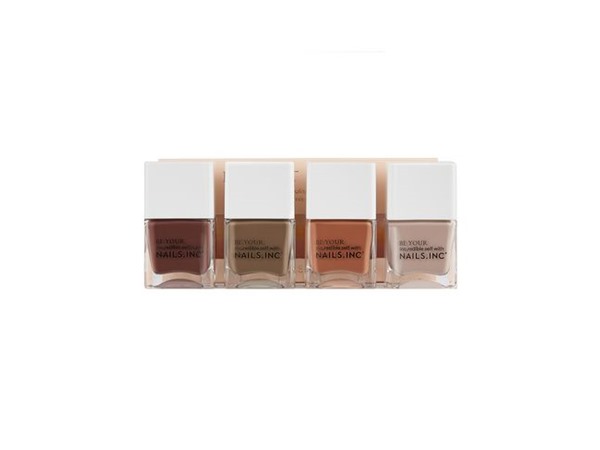
Choose minis when you chase trends. A smaller bottle aligns with real use. Many brands build strong mini edits. Check sets from Sephora Collection or seasonal offers that sit in Makeup Sets. You’ll get variety with less waste.
Use our comparison tools when you restock staples. We track prices across Boots, Superdrug, Space NK, John Lewis, Lookfantastic, and Beauty Bay. We often spot the same bottle several pounds apart. Add shades to your wishlist on GlamGeek and we’ll ping you when the price drops.
Check batch codes when you shop in store. Fresh stock sits in the back at busy counters. Ask for a boxed bottle if the tester looks dusty. Online, scan user photos and dates. Our brand pages for L'Oréal and KIKO show shade chatter that can flag recent releases.
Favour caps that seal well. Some budget bottles cut corners on threading. We see fewer evaporation complaints with sturdy caps from brands like Revolution and Sephora Collection. A good cap often outperforms a fancy bottle shape.
Formula nuances: classic, quick-dry, glitter, gel-effect, and water-based
Classic nitrocellulose polishes balance solvents, resin, and plasticisers for a glossy, durable film. They age predictably. Store them well and you get the longest shelf life here.
Quick-dry blends pack more fast solvents. They feel brilliant for last-minute manicures. They thicken quicker if you leave the cap loose even once. If you rely on quick-dry, buy smaller bottles and replace more often. Keep a compatible thinner ready.
Glitter and shimmer carry heavy particles. They sink and can clump if binders drift. Roll them before each use. Try a peel-off base for chunky mixes, which reduces scrubbing and preserves formula integrity during removal.
Gel-effect varnish aims for a plump look without UV cure. These tend to start thicker and lose solvent faster. Expect a one-year sweet spot with careful storage. If you love the look, pair with a high-shine top coat to extend results.
Water-based polish offers low odour and easy peel options. The trade-off: shorter wear and a tighter shelf life. Keep them cool. Close the cap fast between coats. Use thin layers and a compatible top coat for the best chance of success.
Top coats, base coats, and treatments: different rules, same care
Top coats see the most action and usually stay the freshest. Frequent use means less time sitting half full. Still, protect them from heat. High-shine and quick-dry top coats yellow faster under sun and steam.
Base coats with added grip agents or ridge fillers thicken sooner. Apply very thin coats. Cap the free edge of your nails to reduce chipping, not to force a thick layer. Replace these more often than colour.
Treatments like strengtheners, hardeners, and nail BB creams use different active blends. Some rely on aldehydes or keratin-inspired peptides. Follow brand PAO guidance. If the liquid clouds or forms sediment that won’t mix, retire it.
Oil-based care, such as cuticle oil, behaves differently. Oils oxidise and go rancid. You’ll smell a crayon-like odour when that happens. Store oils tightly closed and away from light. Switch to a fresh bottle once the scent turns. Try options from brands like The Body Shop if you prefer plant oils with simple blends.
Tools, technique, and timing: small habits that extend polish life
Prep nails well. Remove oil with a swipe of remover. Wash hands. Dry thoroughly. A clean surface lets thinner coats stick and dry faster. Fewer reworks means fewer open-cap minutes.
Work with thin coats and short open times. Open the bottle, wipe one side of the brush, apply three strokes, and close it. Then move to the next nail. This rhythm keeps solvent in the bottle.
Keep a clean-up brush and remover ready. Fix floods right away. You won’t need to repaint fingers and leave the cap open longer. Clean tools fast and close remover to stop it picking up pigment.
Set a painting station away from your radiator or sunny window. Heat near your hands speeds evaporation in the bottle. A stable table and good light reduce mistakes and reduce redoes.
Schedule your manicures. Many women find success with a weekly slot. That habit keeps top coats moving and alerts you when a colour starts to misbehave, before it turns to sludge.
Brand examples and where to shop them well
High street and mid-tier brands supply strong formulas and frequent colour updates. You’ll find durable creams and fun toppers from Revolution and KIKO. L'Oréal often keeps a tight core range of nudes and reds that women actually finish. That helps avoid waste.
Department and specialist beauty retailers carry seasonal edits and minis. Look for curated sets under Makeup Sets if you want variety without full bottles. Sephora Collection rotates minis often, which aligns better with trend use.
Our price comparison shows regular promotions. Boots and Superdrug run multi-buys. Space NK and Lookfantastic lean on brand-led offers. Add your staples to your GlamGeek wishlist and we’ll alert you when the price drops across these retailers. You can then replace a failing top coat without overpaying.
If you shop clearance, check bottle condition. Cap tight? Neck clean? Contents mixed after a gentle roll? If not, it likely sat open. Walk on. A discount won’t fix a compromised seal.
What this means for your stash
Set a simple rotation. Keep a small, active wardrobe of colours you truly wear. Store bottles cool, dark, upright, and with a clean neck. Roll to mix. Use a proper thinner with restraint. Retire any bottle that clumps, strings, or refuses to dry in thin coats.
Use GlamGeek to track prices before you replace a workhorse top coat or base. We watch Boots, Superdrug, Space NK, John Lewis, Lookfantastic, and Beauty Bay so you don’t have to. Add shades you love to your wishlist, and we’ll ping you when they drop. That keeps your manicure budget focused on fresh, high-performing bottles.
Over to you
Which shades in your drawer still earn their place, and which need to go? Tell us the colour you finish every time. We’ll build a shortlist of long-wearing staples and flag the best prices when they surface.