Cuticle nippers can give you that crisp, salon-clean cuticle line at home—but only if you treat them like a precision tool, not a shortcut.
The safe approach looks boring on purpose: soften first, push back gently, then nip only the dead tissue that’s already lifting. No digging. No “tidying” live skin. That’s how people end up with sore fingers, ragged cuticles, and infections.
We’ll break down what cuticle nippers are actually for, a step-by-step method that keeps risk low, and what to look for when you buy and maintain your tools.
What cuticle nippers are (and what they’re not for)
Cuticle nippers are small, spring-loaded cutters designed to remove only loose, dead cuticle and hangnails around the nail plate. They’re meant for tiny, controlled snips. They are not designed for “carving out” the cuticle area.
Here’s the key anatomy point many at-home manicures miss: the cuticle (the thin, translucent tissue stuck to the nail plate) helps seal the space between nail and skin. The eponychium (living skin at the base of the nail) protects the new nail growth. When people say “cut the cuticle”, they often cut living tissue by mistake.
Overcutting does more than look messy. It can trigger redness, swelling, and tiny breaks in skin that let bacteria in. UK winters don’t help either—indoor heating and cold air dry the skin, so the cuticle area splits more easily.
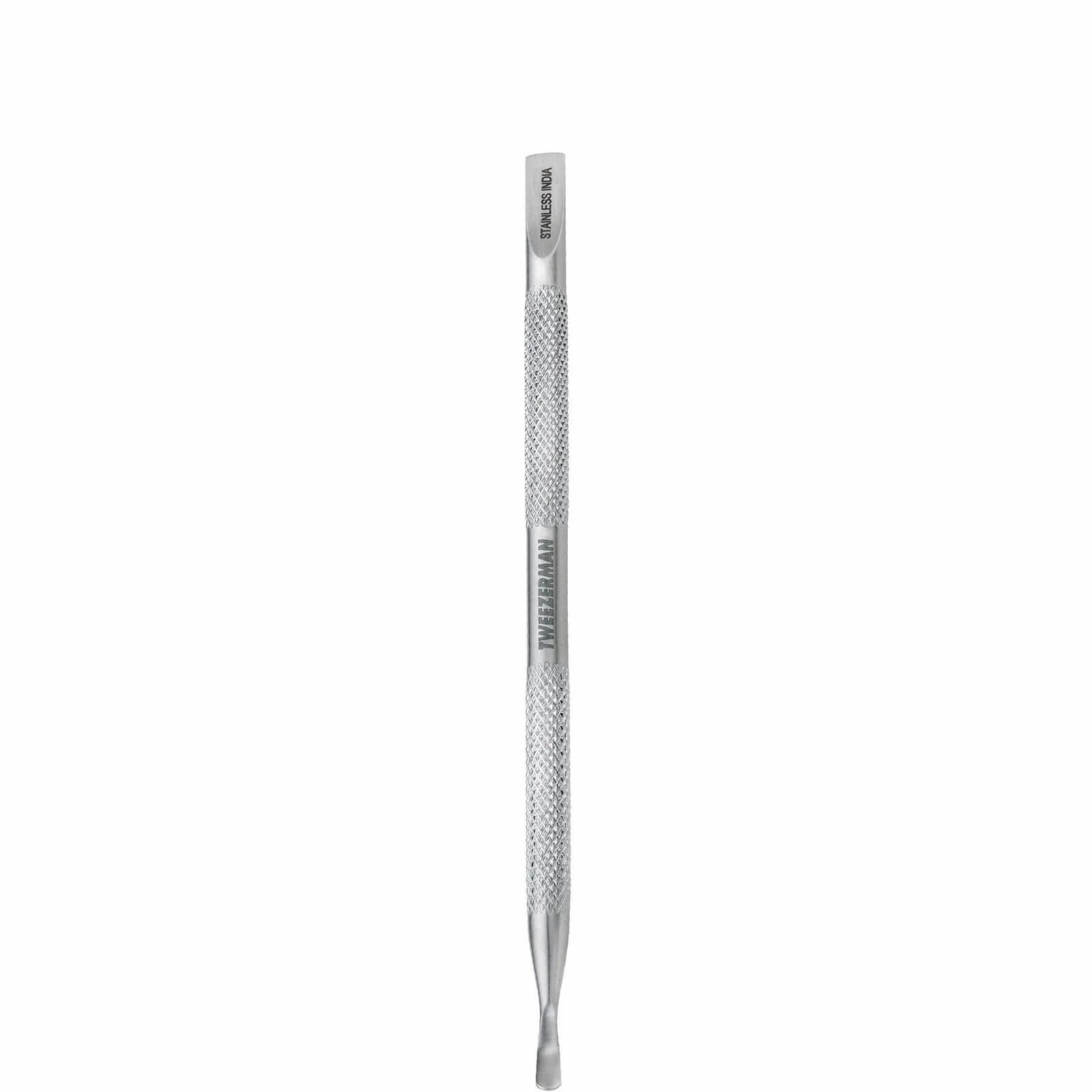
If you don’t own cuticle nippers (or you want to reduce cutting), you can still keep the area neat with a push-and-clean routine. The Tweezerman Pushy & Nail Cleaner Tool (from £12.80) gives you a stainless steel cuticle pusher on one end and a nail cleaner on the other, with thin, smooth edges designed for effective tidying.
One more reality check.
Nippers are a “less is more” tool. If you need to remove a lot of tissue every week, something else in your routine often drives the dryness or splitting.
Before you nip: prep that makes cutting safer
Most cuticle injuries start before the first cut. Dry cuticle tissue clings to the nail plate, so people apply more pressure, the tool slips, and live skin takes the hit.
Instead, build a prep sequence that creates two things: softness and visibility. Softness reduces force. Visibility tells you what’s actually dead and ready to go.
Step 1: Clean hands and nails. Start with washed hands, then clean under the free edge. The nail-cleaner end of the Tweezerman Pushy & Nail Cleaner Tool (from £12.80) helps here because it’s designed for that narrow space. Don’t scrape aggressively; you want to lift debris, not gouge.
Step 2: Soften the cuticle area. You can soak fingertips briefly in warm water. Keep it short; long soaks can swell the nail plate and make later polish wear worse. If you plan gel, prep matters even more.
Step 3: Gently push back. Use the cuticle pusher end of the Tweezerman tool. Work in small strokes from the centre outward. If you feel pain, you’re pushing living skin.
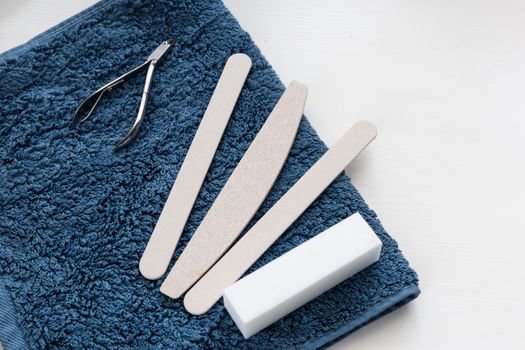
Step 4: Buff only if needed. Light buffing can help lift remaining dead tissue stuck to the nail plate so you can see it clearly. A simple option is the Mylee Nail Buffer Block 180 Grit (from £4.05), which creates a slightly rough surface for better adhesion and can also buff as part of finishing. Keep pressure light and stay on the nail plate, not the skin.
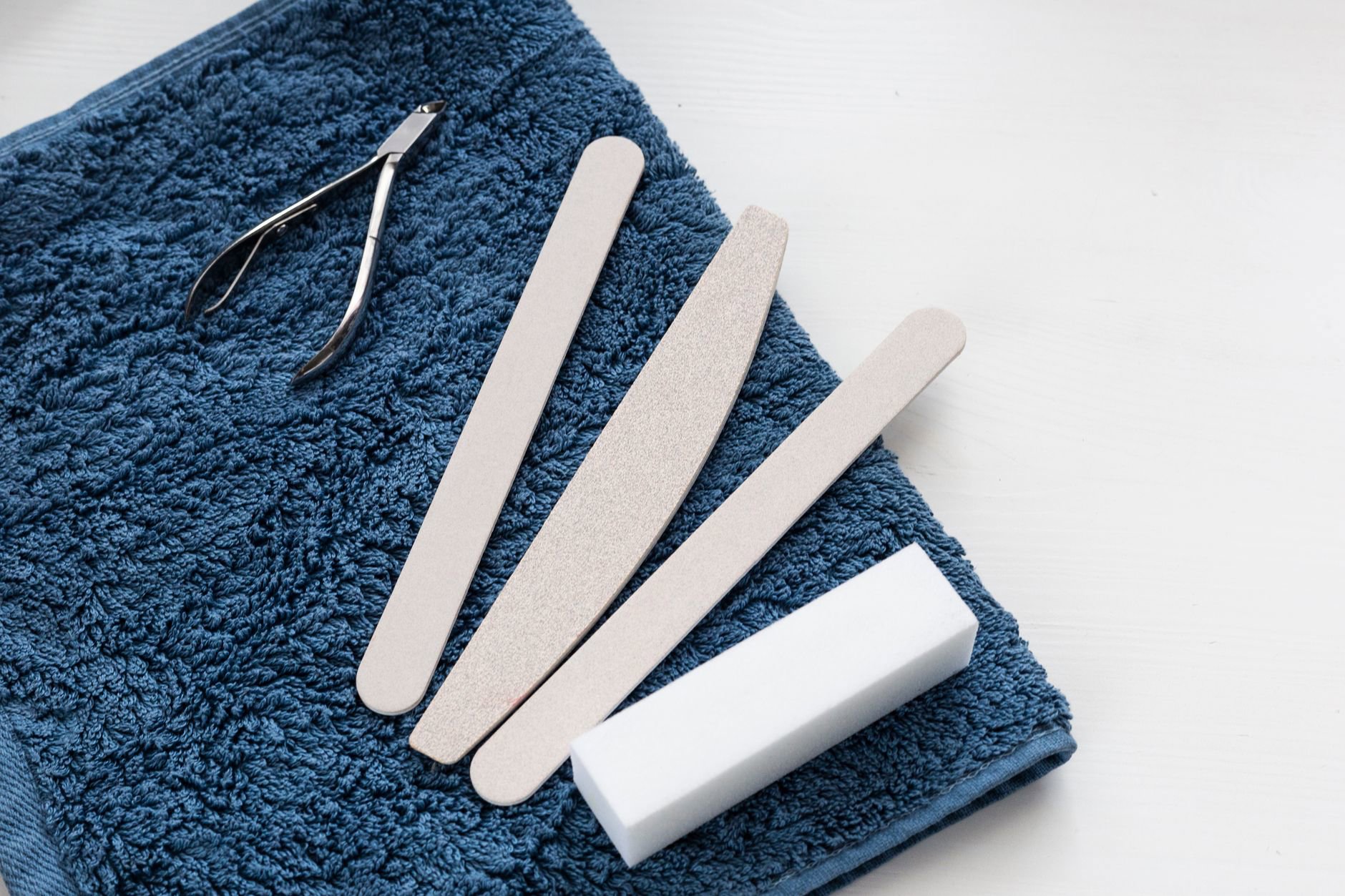
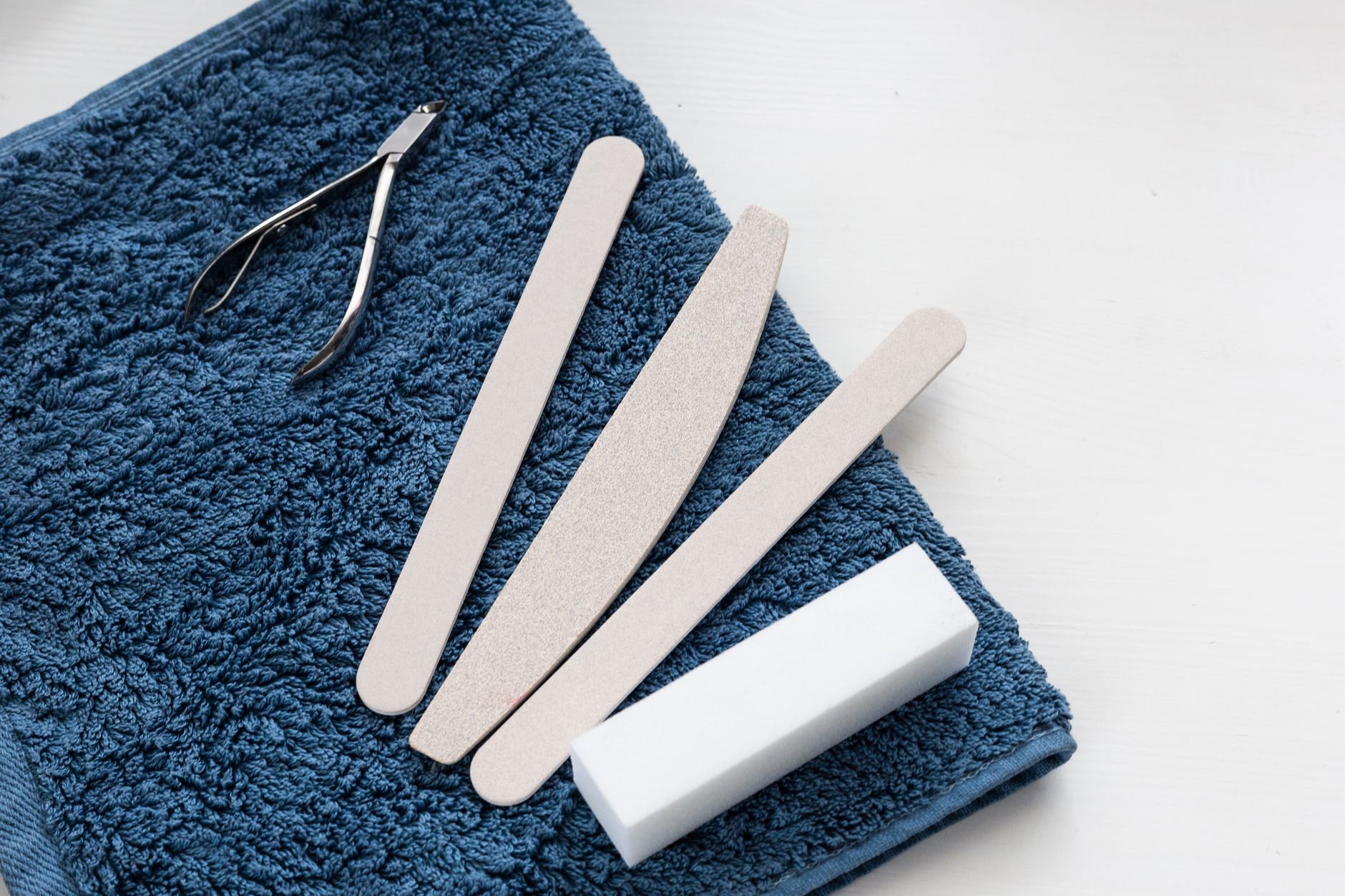
Step 5: File shape before detail work. When you change nail shape after nipping, you can accidentally catch the cuticle edge. For portable shaping, Elegant Touch Professional Nail File (x2) (from £6.36) offers two grit levels (180/240) in a compact size. If you want an all-in-one for smoothing and shine, Nails Inc Three Way Nail File (from £6.00) smoothes, buffs, and boosts shine in one design.
Prep takes longer than cutting. That’s the point.
Step-by-step: how to use cuticle nippers without overcutting
We’ll say it plainly: at-home cuticle nipping should feel almost underwhelming. Tiny snips. Minimal tissue removed. No “perfecting” the entire semicircle.
Step 1: Set up your grip and lighting. Sit at a table, not on the sofa. Use bright light. Keep elbows supported so your hands stay steady. When hands float in mid-air, tools slip.
Step 2: Identify what’s safe to cut. You’re looking for white, lifted, papery skin and hangnails that already stand away from the sidewall. If it looks pink, shiny, or attached, leave it.
Step 3: Use a pusher first, then cut. After pushing back with the Tweezerman Pushy & Nail Cleaner Tool (from £12.80), you often find you don’t need to cut much at all. That’s a win.
Step 4: Nip in micro-cuts. Place the nipper tips just under the lifted edge and close gently. Avoid long continuous cutting along the cuticle line. That “zip” motion causes overcutting because the tool follows a curve faster than your control can keep up.
Step 5: Never cut into the sidewalls. Sidewalls look tempting when they’re dry. They also tear easily and bleed quickly. If you have ragged edges, remove only the single loose piece and stop.
Step 6: If you do nick skin, stop immediately. Don’t try to “fix” it by trimming more. The more you cut, the bigger the break in the skin barrier becomes.
Step 7: Tidy and check. Use the nail-cleaner end of the Tweezerman tool to remove any tiny fragments, then wash hands again. You want the area clean, not coated in skin dust.
One-sentence rule.
If you can’t see exactly what you’re cutting, you’re cutting too much.
Infection prevention: hygiene rules that actually matter
When cuticle work goes wrong, infection usually starts with a tiny cut plus a dirty tool. At home, the risk rises when tools live loose in a drawer, get used on multiple people, or never get properly cleaned.
Start with tool choice. Stainless steel tools clean more easily than porous surfaces because they don’t absorb moisture. The Tweezerman Pushy & Nail Cleaner Tool (from £12.80) has a stainless steel design, and so does the Mylee Stainless Steel Gel Nail Polish Scraper (from £4.00), which also uses durable stainless steel and a textured handle for grip. Different jobs, same hygiene advantage: smooth metal surfaces wipe down well.
Keep your routine single-user. Don’t share nippers or cuticle tools in a household. Shared tools turn small cuts into shared bacteria. If you do share, you need strict cleaning between users.
Clean before and after every use. “After” removes debris. “Before” removes anything that settled on the tool since last time. That includes dust, skin fragments, and bathroom humidity.
Here’s a practical checklist that keeps things simple:
- Wash hands first and dry fully. Wet skin tears more easily.
- Clean under the nail edge gently (the Tweezerman nail cleaner helps) before you touch the cuticle area.
- Wipe tools down after use and store them dry, not in a damp wash bag.
- Retire tools that snag. Dull edges pull skin instead of cutting it cleanly.
If your cuticle area shows heat, swelling, throbbing, or spreading redness, treat it as a warning sign. Home manicures should not create ongoing pain.
We’ll also add a buying note that hygiene-minded shoppers often miss: travel-friendly tools need travel-friendly storage. A loose sharp tool in a bag collects lint, and lint carries bacteria.
Buying cuticle tools: what to look for (and what to skip)
Because this guide focuses on safe at-home practice, we’d prioritise tools that help you avoid cutting more than we’d prioritise tools that cut faster.
Start with a cuticle pusher and cleaner. For many people, that’s the workhorse. The Tweezerman Pushy & Nail Cleaner Tool (from £12.80) combines two functions in one stainless steel tool, with smooth edges designed for effective pushing and cleaning. If you buy one “grown-up” cuticle tool, this is the sensible place to start.
Then build your prep kit. Rough, flaky cuticles often come from rough shaping habits. You want files that shape without shredding. A compact option is Elegant Touch Professional Nail File (x2) (from £6.36) with 180 and 240 grit levels. If you prefer a multipurpose buffer-style format, Nails Inc Three Way Nail File (from £6.00) covers smoothing, buffing, and shine in one.
Consider scissors for hangnails. Some people control scissors better than nippers because the blades show exactly where they’ll cut. Two manicure-specific options sit on our tracked list: Tweezerman Stainless Steel Nail Scissors (from £18.40) with strong, sharp curved blades for precise trimming, and Elegant Touch Professional Nail Scissor (from £9.71), crafted from high-quality stainless steel with a compact size and soft pink trim. You can use scissors to snip a single hangnail cleanly, then stop.
Skip anything that encourages “scraping”. Tools designed to pry or scrape around the cuticle area raise the chance of micro-cuts. Keep your kit basic and controlled.
Where do UK shoppers typically buy these? Our merchant feeds often show manicure tools across Boots and Superdrug for high-street basics, while Space NK and John Lewis lean more curated. For brand browsing, GlamGeek’s navigation includes pages like KIKO and Sephora Collection, but this guide sticks to the specific tools listed above.
Cleaning, disinfecting, and storage: a low-effort routine
People often ask for a “sterilisation” routine. At home, the practical goal stays simple: remove visible debris, then disinfect, then store dry. Consistency beats complexity.
1) Remove debris immediately. After cuticle work, tiny skin fragments stick in joints and along edges. Use a tissue or wipe while the debris stays fresh. Dried-on debris takes more force to remove, and force damages edges.
2) Prioritise cleanable materials. Stainless steel matters here. Tools like the Tweezerman Pushy & Nail Cleaner Tool (from £12.80) and the Mylee Stainless Steel Gel Nail Polish Scraper (from £4.00) suit wipe-down cleaning because metal surfaces don’t trap product the way porous materials can.
3) Dry fully before storage. Damp storage encourages corrosion and dullness over time. It also creates a friendly environment for microbes. Let tools air-dry, then put them away.
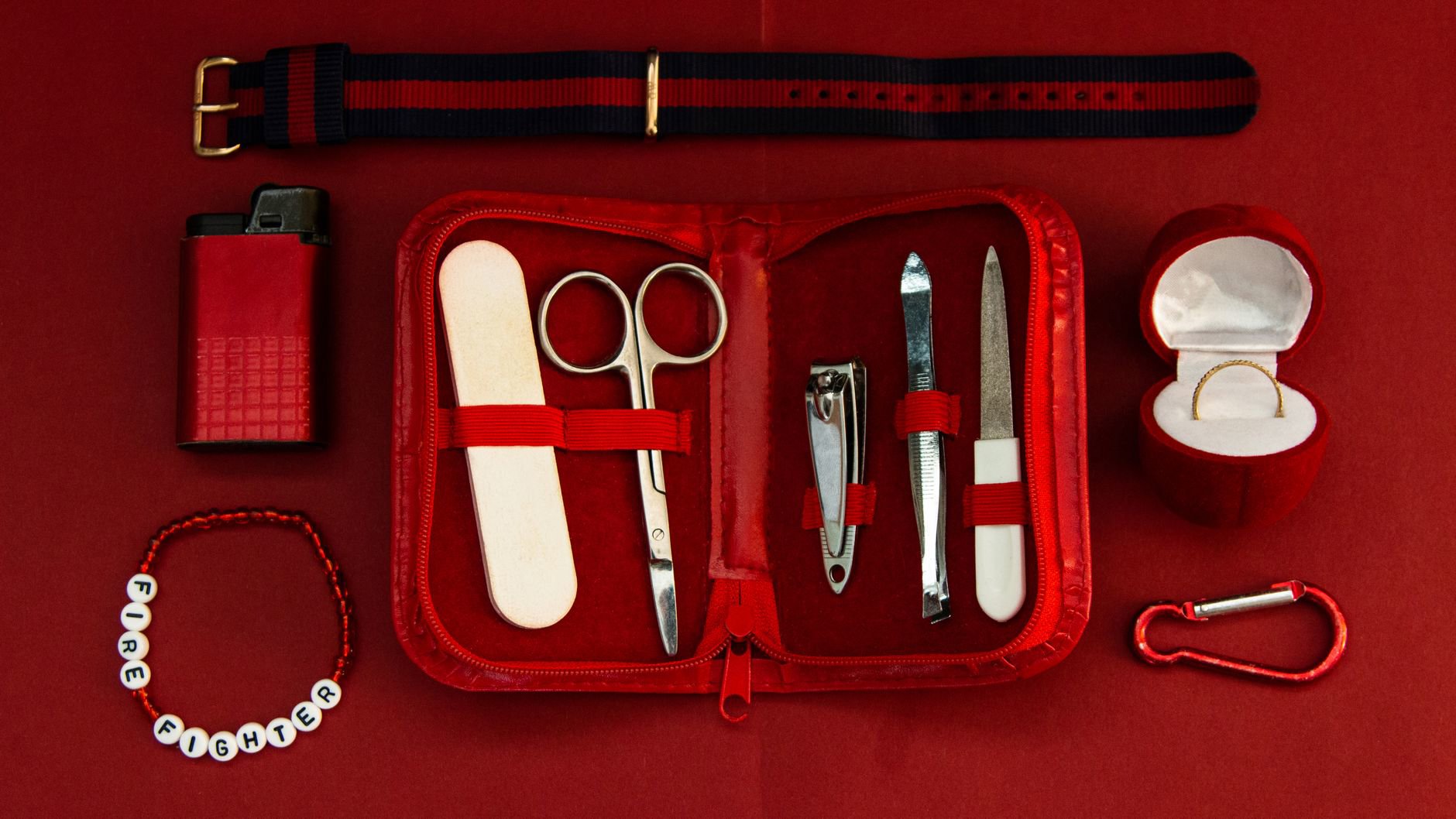
4) Store tools so tips don’t knock together. Edge damage often happens in the drawer, not during use. If scissors or nippers bang into other metal tools, they can nick and snag. That snagging leads to skin tearing.
Sharpening comes up a lot with nippers, but many at-home users don’t need to sharpen often—they need to stop using tools once they start pulling. If your tool tugs at skin, you’ve lost the clean cut that makes nipping lower risk.
One more small habit that pays off: keep a “clean tool” area and a “used tool” area while you work. Mixing them up causes recontamination mid-manicure.
Alternatives to nippers: safer ways to get neat cuticles
If you feel nervous about nippers, that’s not a sign to push through. It’s a sign to switch techniques.
Option 1: Push + clean only. The Tweezerman Pushy & Nail Cleaner Tool (from £12.80) can handle most “messy cuticle” complaints when you use it after softening. You push back, lift dead tissue, then clean it away. No cutting required.
Option 2: Light buffing for stuck-on cuticle. When dead tissue clings to the nail plate, a gentle buffer can lift it so you can remove it without cutting. The Mylee Nail Buffer Block 180 Grit (from £4.05) works as a prep tool to create a rough surface for better polish adhesion, which also encourages a cleaner nail plate. Keep it controlled: a few strokes, then stop.
Option 3: Scissors for single hangnails. For one sharp bit of skin, scissors can feel more precise than nippers. The Elegant Touch Professional Nail Scissor (from £9.71) and Tweezerman Stainless Steel Nail Scissors (from £18.40) both offer curved blades designed for precise trimming. You snip the protruding piece only, without tracing the whole cuticle line.
Option 4: File-based tidy-up for edges. If the nail edge catches and triggers picking, shape it smoothly so you stop creating hangnails in the first place. Nail HQ Professional Nail Files (from £4.49) come as a pack of six with a cushioned foam core for gentle, adaptable filing on natural and artificial nails. For a single-file option with a bit of personality, Elegant Touch Designer Emery File (from £1.15) uses medium grits and cushioning for more comfortable shaping.
These alternatives matter because “cuticle problems” often start with nail edge snags, dehydration, and picking—not with too much cuticle.
And yes, marketing often pushes more steps and more tools. We’d rather see a smaller kit used well.
Practical at-home tips for safer cuticle work (do this today)
Start by setting a rule: cuticles get attention when they’re soft, never when they’re dry. Dry skin tears, and torn skin invites trouble.
Next, simplify your kit so you don’t improvise. A safe, basic set could look like:
- Tweezerman Pushy & Nail Cleaner Tool (from £12.80) for pushing and cleaning
- Mylee Nail Buffer Block 180 Grit (from £4.05) for controlled nail plate prep
- Elegant Touch Professional Nail File (x2) (from £6.36) or Nails Inc Three Way Nail File (from £6.00) for shaping and smoothing
- Elegant Touch Professional Nail Scissor (from £9.71) or Tweezerman Stainless Steel Nail Scissors (from £18.40) for the occasional hangnail
Then practise the “one-finger test”. Do one hand first, then pause. If the skin looks pinker than usual or feels tender, stop and leave the other hand for another day. Overworking the area in one session causes most of the regret we see in troubleshooting emails.
Finally, store tools like you want them to stay sharp. Keep them dry, separated, and out of the bottom of a make-up bag. (If you’re organising the rest of your kit, GlamGeek also categorises tools across Makeup Brushes & Applicators, but for nails, controlled storage matters more than extra gadgets.)
Which part of cuticle care trips you up most at home: hangnails, dry cuticles, or keeping tools properly clean?