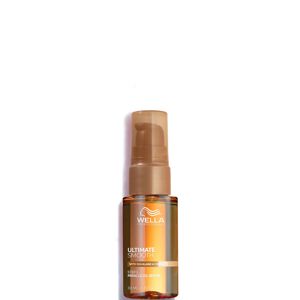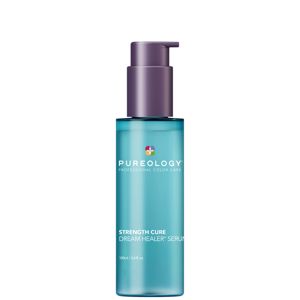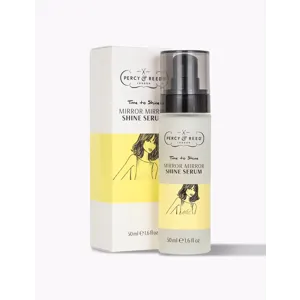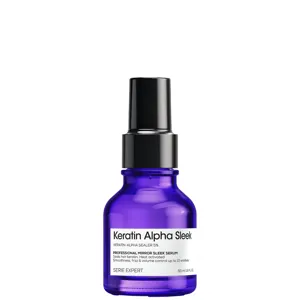
Hair serum does expire in the sense that its preservatives, fragrance, and active ingredients lose stability over time, and the formula can oxidise or separate after opening. You can usually spot a “gone bad” serum through changes in smell, colour, texture, or performance. Correct storage and clean use reduce the risk of irritation and waste.
Hair serums feel low-risk because they sit on hair, not skin. But many formulas touch the scalp, sit near the hairline, or get rubbed in with fingers. Once a bottle gets contaminated or an ingredient oxidises, the chances of itch, flaking, or that odd “stale” smell rise fast.
Our price tracker also shows another reality: serums often come in smaller, pricier bottles than basic Moisturising & Nourishing Shampoos or Moisturising & Nourishing Conditioners. If a €50+ serum goes off before you finish it, that stings.
Ireland’s damp, mild climate adds a twist. Bathrooms run warm, humid, and steamy for long stretches of the year. That combination speeds up degradation for many cosmetic formulas.
Does hair serum expire? What “expiry” really means
Hair serum expiry comes in two flavours: unopened shelf life and period-after-opening (PAO). Unopened shelf life matters when you stock up during promotions. PAO matters once you twist the cap and start using it.
Most hair serums carry either an expiry date (a specific month/year) or a PAO symbol (a little open jar, often “6M”, “12M”, “24M”). “12M” means the brand expects the product to stay stable for 12 months after first opening, as long as you store it normally and use it hygienically.
Serums behave differently from water-based hair mists. Many are silicone-heavy or oil-leaning, which can slow microbial growth, but that does not stop oxidation. Over time you can see fragrance fade, oils turn rancid, and polymers lose that smooth slip that made the serum worth buying in the first place.
Scalp serums also raise the stakes. You apply them to skin, often nightly, sometimes under occlusion from hair. A formula that your lengths tolerate might still annoy a sensitised scalp.
Typical shelf life: what to expect from different serum types
We cannot give a single universal number because each brand uses different preservatives, packaging, and antioxidants. Still, the patterns stay consistent.
Leave-in length serums (shine, frizz, split-end blurring) often last longer in day-to-day use because they sit mostly on hair fibre. When they go off, you tend to notice performance first: less gloss, more drag, or a sticky finish that never used to happen.
Overnight repair serums and scalp serums usually contain more skin-like hydrators or actives. Those can drift in smell and feel sooner, especially if the dropper touches the scalp or fingers touch the nozzle.
Examples from our tracked hair serum set:
- Virtue Damage Reverse Serum (from €41.40) sits in the “repair” camp, and Virtue positions it for round-the-clock repair when paired in a duo.
- Aveda Botanical Repair Strengthening Overnight Serum (from €24.15) targets overnight, cortex-level strengthening and split-end reduction.
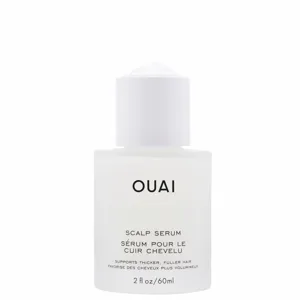
- OUAI Scalp Serum (from €54.20) uses a skincare-inspired approach with hyaluronic acid and adaptogens to hydrate and support an optimum scalp environment.
Packaging matters too. Pump bottles protect formulas better than open-mouth jars. Droppers sit somewhere in the middle, and they depend heavily on how clean you keep them.
If you want a simple buying rule, we use this: if you will not finish a serum within its PAO window, buy smaller or buy one at a time. It beats binning half a bottle later.
Signs your hair serum has gone bad (and what they mean)
When a hair serum expires, it rarely looks like food mould. It looks… off. Subtle changes count.
Smell changes top the list. A serum that smelled fresh can start to smell “stale”, waxy, overly sharp, or oddly metallic. That often points to fragrance breakdown or oxidising oils. Aesop’s serum, for example, comes with a distinctive scent profile (patchouli, petitgrain, bergamot rind). If Aesop Tame Hair Serum (from €33.00) shifts noticeably from that profile, treat it as a warning.
Colour shift can signal oxidation. Clear formulas can yellow; pale formulas can darken. A small change might not harm you, but a clear “before and after” usually means the stabilisers and antioxidants have lost the fight.
Texture and separation
- watery pooling with thicker blobs
- stringy, gel-like strands when you pull product away
- gritty bits or crystals
- a pump that suddenly spits instead of dispensing evenly
Performance dropJVN Hair Complete Nourishing Shine Drops (from €25.00) should add visible luminosity while staying weightless. If it starts feeling heavy with less shine, suspect age or contamination.
One red flag beats all the others: scalp sting. If a scalp serum or even a length serum suddenly makes your scalp itch, burn, or flake, stop. Do not “push through”.
Ingredient science: why serums spoil (oxidation, contamination, stability)
Hair serums go off for three main reasons: oxidation, contamination, and ingredient instability. You do not need a lab to understand the basics.
Oxidation happens when oxygen and light interact with sensitive components. Oils and some fragrance materials change structure and smell. The product can also thicken or yellow. Every time you open the bottle, you invite more oxygen inside.
Contamination
Stability drift
Some products in our tracked list highlight ingredient families that stay stable when treated well, but still benefit from good storage:
- OUAI Scalp Serum (from €54.20) uses hyaluronic acid for hydration support; keep the dropper clean because it sits close to scalp oils and skin.
- Virtue Topical Scalp Supplement (from €59.00) includes vitamins, peptides and prebiotics, plus the brand’s Alpha Keratin 60ku; nightly formulas often face more handling, so hygiene matters.
- Virtue Split End Serum (from €36.80) centres on Alpha Keratin 60ku protein and a blend including pea protein and hydrolysed quinoa; if the texture changes, performance can drop fast because the film-formers stop behaving.
Marketing likes to imply “sealed in perfection”. Reality looks more boring. Cosmetics act like any other mixture: time, heat, light, oxygen, and germs all chip away at it.
Storage rules that actually extend the life of a hair serum
Storage sounds basic, but it decides whether you finish a serum at its best or at its worst.
Rule one: keep serums out of the shower. Steam and temperature swings punish formulas. A cool bedroom drawer beats a bathroom shelf, especially in Irish homes where bathrooms often run humid.
Rule two: cap discipline. Close the lid immediately after dispensing. Pumps and droppers should not sit uncapped “for a second”. That second adds up across months.
Rule three: keep the applicator clean. For droppers, do not touch the pipette to the scalp. Hover and drop. For pump bottles, do not press the nozzle into wet hair. Dispense into clean palms first.
We also like one habit that feels fussy but saves money: write the open date on the bottle. A simple “Opened: 04/06” in marker stops guesswork later.
If you own multiple hair products across hair care and skin care, keep the categories separate. It reduces the chance you store a hair serum beside damp skincare tools or splash zones. People often organise by “morning” and “night”, but location matters more than aesthetic.

Safety: can expired hair serum damage hair or irritate the scalp?
Expired hair serum rarely “damages” hair in the dramatic sense. Hair fibre already sits dead once it leaves the scalp. The bigger risk looks like poor performance and scalp irritation.
On lengths, an older serum can leave hair dull, sticky, or harder to detangle. That can lead to more mechanical breakage because you tug more. So the damage risk often comes indirectly, through rough handling and friction.
On scalp, expired or contaminated product can trigger itch, redness, or flaking, especially if you already deal with sensitivity. Scalp-targeted serums like OUAI Scalp Serum (from €54.20) and Virtue Topical Scalp Supplement (from €59.00) belong in the “be stricter” category: follow PAO closely and stop at the first sign of stinging.
Fragrance can also turn from pleasant to problematic as it degrades. If a scented serum starts to smell harsh, treat that as a safety signal, not only a sensory issue.
When in doubt, we use a blunt standard: if you would not put it near your face, do not put it on your scalp. That sits well with how readers also approach Anti Ageing Face Serums and Day Face Serums, even though formulas differ.
Buying smarter in Ireland: choose a serum you can finish
Expiry becomes less stressful when you buy with “finish time” in mind. Our merchant feed regularly shows that premium serums hold price longer than basics, so waste hits harder.
If you want a repair-focused serum and you know you will use it consistently, Aveda Botanical Repair Strengthening Overnight Serum (from €24.15) often sits at a more approachable entry price for an overnight format. That helps if you dislike keeping products past their best.
If your priority looks like split ends and dry ends, Virtue Split End Serum (from €36.80) focuses on the appearance of brittle ends, backed by brand-reported user results. For many people, ends-only use also slows consumption, which means you must watch PAO more closely.
For flyaways and sleek styling, Aesop Tame Hair Serum (from €33.00) targets smoothing without stiffness or stickiness. If you only use it on occasion, avoid hoarding a second bottle “just in case”.
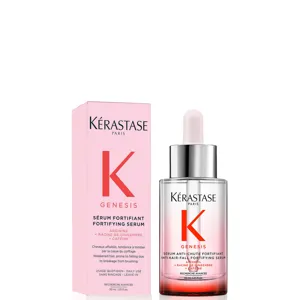
Some shoppers want fortifying support ahead of heat styling. Oribe Hair Alchemy Fortifying Treatment Serum (from €36.00) positions itself as a styling treatment serum that gives instant shine and strengthens hair ahead of styling tools. That kind of product tends to live by the mirror, so storage discipline matters.
Where to buy in Ireland? Availability varies. Boots Ireland, Brown Thomas, Arnotts, and McCauley Pharmacy often stock major haircare lines, but not every niche serum lands here quickly. When a product sits mainly with cross-border e-commerce, check shipping times and return rules, then avoid bulk buys unless you will open them soon.
Practical tips: a quick “serum safety” routine you can use today
Start with a two-minute audit. Pull out every hair serum you own, check for the PAO jar icon, and write the open date if it is missing. Then sniff each bottle and look at the product against white tissue to spot yellowing or separation.
Next, set rules you will follow every time you apply:
- Wash and dry hands before dispensing.
- Dispense product into palms, never directly onto wet hair from the nozzle.
- Use scalp droppers without touching skin.
- Store in a cool drawer, not the bathroom windowsill.
- If texture or smell changes, stop using it on scalp first.
If you suspect a serum has turned but you feel reluctant to bin it, do not “test” it on scalp. If you will test at all, patch it on a small area of hair ends only, then reassess next wash. Any irritation means it goes.
Hair Serum Expiry FAQ
How long does hair serum last after opening?
Most hair serums last for the period shown on the PAO symbol (the open-jar icon), commonly 6–24 months depending on the formula and packaging. Heat, light, and contamination can shorten that window. Write the open date on the bottle so you can track it accurately.
What are the signs that a hair serum has expired?
Common signs include a changed smell (stale, sharp, or rancid), yellowing or darkening, separation into watery and thick layers, a gritty texture, or a sudden change in performance such as stickiness or dullness. Any new scalp stinging or itching also suggests you should stop using it.
Can expired hair serum cause hair loss or scalp irritation?
Expired serum does not usually cause direct hair loss, but it can irritate the scalp if it has degraded or become contaminated. Itching, redness, or flaking can lead to more scratching and breakage. If a scalp serum begins to sting or itch, stop using it and switch to a fresh product.
Is it safe to use expired hair serum on the ends only?
Ends-only use lowers the irritation risk because it avoids scalp skin, but it does not eliminate it. Oxidised oils and degraded fragrance can still cause sensitivity around the hairline or hands, and performance often drops. If the serum smells off, has separated, or feels tacky, it is safer to replace it.
Should hair serum be stored in the bathroom?
A bathroom often shortens a hair serum’s lifespan because steam and temperature swings stress preservatives and stability systems. Store serums in a cool, dry drawer or cupboard away from radiators and direct sunlight. Keep caps tightly closed and avoid letting droppers or nozzles touch wet hair or scalp.