Every awards season, the “glass skin” brief returns and vitamin C surges back into trolleys from Dublin to Donegal. Our feed shows the same pattern each year: a spike in searches for brightening serums and a run on gift-with-purchase sets promising glow. That desire makes sense. Vitamin C is one of the few ingredients with a proven track record for dullness, uneven tone, and environmental protection.
But vitamin C can also misbehave. Some formulas sting. Others pill under makeup. Many oxidise before you finish half the bottle. The trick is picking a formula that plays nice — with Irish skin, Irish weather, and the rest of your routine.
We’ve pulled together what works now, based on formulation science, retailer availability in Ireland, and what our price tracker shows actually sells and gets repurchased. Plus, how to combine vitamin C with SPF and primers to get that red-carpet sheen without the flakes or the fade.
Why vitamin C behaves badly — and how to fix it
Vitamin C is an umbrella term. L-ascorbic acid is the pure, water-soluble form that acts fast but needs a low pH to stay stable. That lower pH can tingle on sensitive cheeks. It also oxidises with light and air. Capsule formats and airless pumps help, but a clear dropper bottle on a sunny windowsill will brown before spring is out.
Derivatives like sodium ascorbyl phosphate (SAP), magnesium ascorbyl phosphate (MAP), 3-O-ethyl ascorbic acid, and tetrahexyldecyl ascorbate (THD) offer workarounds. They tend to run gentler. Some hit a higher pH. THD sits in oil and can feel cushy. Most convert to ascorbic acid in skin, so they work slower but still help with tone and protection.
What does “plays nice” look like in real life? A stable formula that doesn’t sting, that layers without pilling, and that you’ll use most mornings. We rate fragrance-free options for sensitive types, and anything in opaque, air-restrictive packaging for everyone else. Our data backs this. Repurchase rates stay higher for brands that use pumps or tubes over clear droppers.
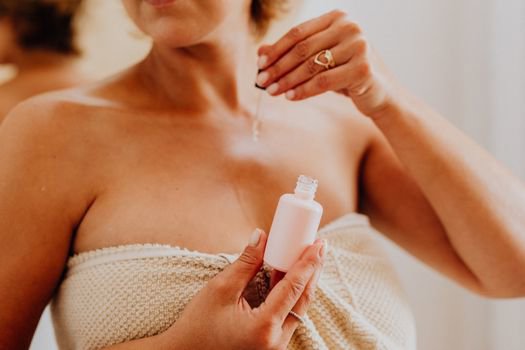
If a serum still nips, buffer with a hydrating toner or apply it over damp skin. In Ireland’s damp climate, transepidermal water loss runs lower than in arid places, so hydration buffers pay off fast. The payoff: even tone that shows through your foundation, not in spite of it.
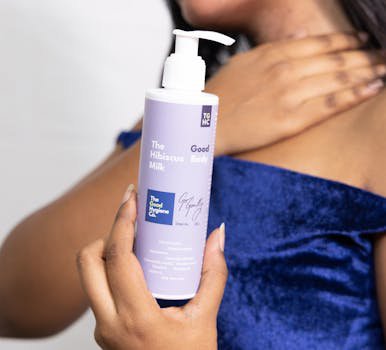
{{IMAGE:woman applying vitamin c serum}}Irish weather, Irish shelves: timing and texture matter
Ireland gives you cloud, wind, and a lot of drizzle. UV still hits skin year-round. That makes a daily antioxidant under SPF sensible, even when it’s grey. Vitamin C donates electrons to free radicals, which helps reduce oxidative stress from light and pollution. That’s the boring science behind the glow. It also helps your sunscreen hold the line.
Because humidity sits high, very matte vitamin C bases can grab and pill under makeup. We see fewer returns on serums that include humectants like glycerin. Gel textures suit most skin here. Oil-rich THD formats suit dry types who want slip under foundation. If your base pills, switch the order: thin serums first, then moisturiser, then SPF, then primer and makeup.
On shelves, availability shifts. Boots Ireland, Brown Thomas, Arnotts, and the pharmacy chains move stock on predictable cycles, but US launches reach us late. If a buzzy influencer serum hasn’t landed, we usually see functionally similar options from heritage counters first. That’s not a loss. Brightening lines from Clinique, Clarins, and Shiseido often ship here on time and use proven stabilisation.
Price swings happen between Irish retailers and UK sites that ship here. We’ve seen promotions hit one and not the other. Check our comparison before you commit. Add your pick to a wishlist on GlamGeek and we’ll ping you when the price dips.
L-ascorbic acid vs derivatives: choose your fighter
L-ascorbic acid: fast, famous, fussy. It likes water, hates air, and prefers a low pH. If you want punchy brightening and don’t mind a bit of tingle, this is your lane. Look for opaque, air-restrictive packaging and a fresh manufacture date. Use it up within a few months after opening. If it turns from clear to deep yellow or brown, it’s past its best.
3-O-ethyl ascorbic acid: the crowd-pleaser. Brands use it because it resists oxidation better than pure ascorbic acid and still gives visible tone evenness. Textures vary from watery drops to light gels. This one plays nicer with niacinamide and most moisturisers, which helps if you want simplicity at 7 a.m.
THD ascorbate: oil-soluble and plush. It suits drier or mature skin, or anyone who wants a single product to replace serum plus oil. It layers under SPF well and often avoids the sting. It moves slower on hyperpigmentation than L-ascorbic acid for many, but the compliance win matters. You’ll use it daily because it feels good.
MAP and SAP: gentle and steady. These sit best with sensitive or redness-prone skin and teen-to-twenties users who want prevention over correction. MAP often appears in cream bases. SAP leans into blemish-prone routines due to supporting data around a clearer-looking complexion. If ascorbic acid chews your barrier, pick one of these and stick with it.
Layering rules that keep peace with the rest of your routine
AM is where vitamin C earns its keep. Apply after cleansing, before moisturiser and SPF. Thin to thick. Watery first, then gel, then cream, then sunscreen. If you love actives, keep a few myths straight so your skin stays calm and your base stays smooth.
Vitamin C and niacinamide can sit together. Old lab myths linger online, but modern formulas use stabilised forms and chelators. If you want brightening plus barrier support, this pairing works well in Irish winters when radiators take their toll. Many brightening lines add both by design. We like those for ease.
With acids, tread lightly. A low-pH L-ascorbic acid serum plus a strong acid toner can sting. Split them. Use acids at night, vitamin C in the morning. Or buffer with a hydrating layer between them. If you crave speed, pick a gentler derivative for AM and save resurfacers for PM.
Retinoids and vitamin C can share a routine, but they rarely need to share a layer. Use vitamin C in the morning under SPF for defence. Use retinoids at night for renewal. That split keeps irritation lower and still drives visible results. Our reviews often mention better tolerance with this simple day/night divide.
Sensitive, redness-prone, or new to actives? Start here
Rosacea runs common in Ireland. So does a reactive tingle to wind, cold, and central heating. If that’s you, don’t skip antioxidants. Pick gentler C forms and calmer bases. Derivatives like SAP, MAP, or THD are your safest bets. Fragrance-free matters more than any single percentage on a box.
Start three mornings a week. Patch test on the jawline for a few days first. If all stays quiet, step up to daily. If you blush or sting, try a vitamin C moisturiser rather than a straight serum. Cream bases dilute potential irritants and reduce the urge to scratch at midday.
Buffering works. Apply a hydrating toner, then vitamin C, then a simple moisturiser. Leave niacinamide and acids for another slot. Keep the rest of the routine boring for two weeks. That quiet backdrop helps you see whether the vitamin C is the friend you think it is.
When you shop, scan for opaque packaging and short open-shelf-life guidance. Brands that design for sensitive skin spell this out. Heritage counters like Clinique and pharmacy brands like Garnier and L'Oréal offer budget to premium options that meet these marks. Check our Anti Ageing Face Serums hub and add likely candidates to your wishlist so you don’t lose them in promo season.
Packaging, stability, and when to bin it
Packaging tells you a lot. Opaque glass or coated plastic beats clear. Airless pumps beat droppers. Powder-in-cap formats and single-use sachets slow oxidation. They also cost more per millilitre. If you buy larger sizes, commit to daily use so you finish before it turns.
Watch colour and scent. Fresh L-ascorbic acid serums look clear to pale straw. They shift to deeper yellow as they age. Orange-brown means it’s oxidised. That oxidised product won’t harm most users, but it won’t deliver the glow you paid for. We’d bin it and open a fresh bottle.
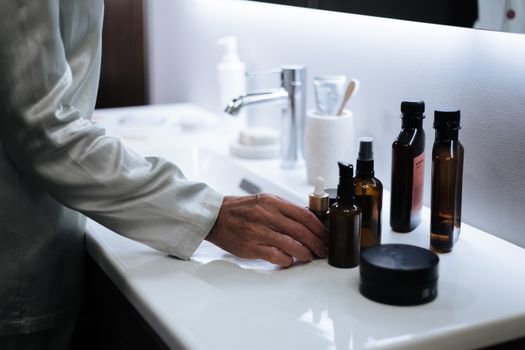
Store it right. Keep vitamin C out of the shower and away from a sunny shelf. Cap it tight. If you live in a bright kitchen-diner and do your morning skincare there, pop the bottle back in a drawer after use. These tiny habits protect your spend and keep performance steady.
Look for stabilisers on the INCI list. Ferulic acid and vitamin E support ascorbic acid’s stability and antioxidant network. Chelators help too. Brands that call these out on pack tend to show better colour fastness in real bathrooms. Our reviews and repurchase data track with that.
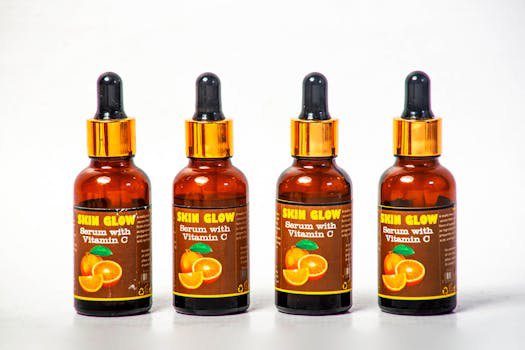
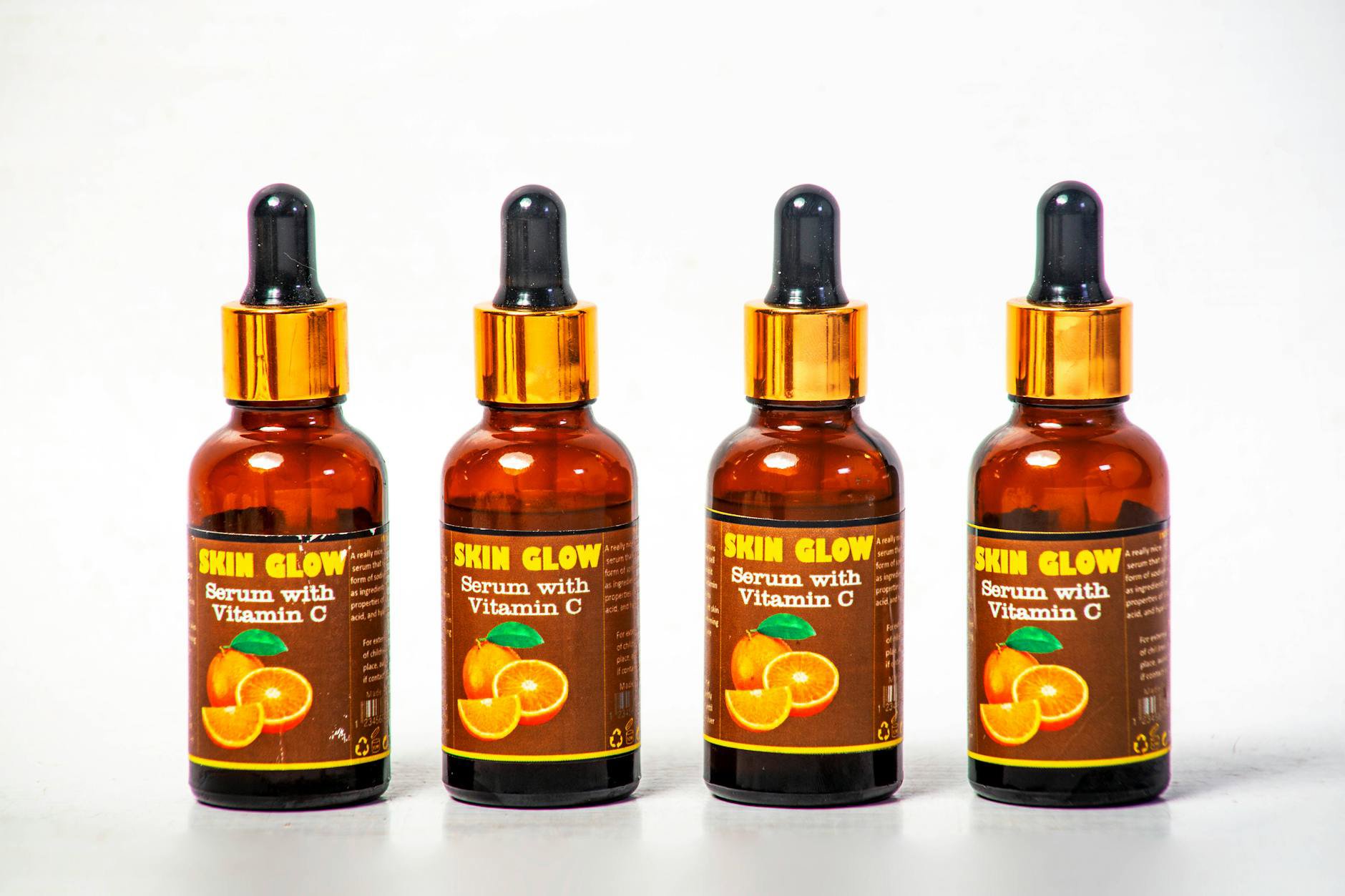
{{IMAGE:flatlay vitamin c skincare bottles}}Awards-season glow: how to pair vitamin C with SPF and makeup
That red-carpet sheen starts with a smooth, lit-from-within base. Vitamin C works under sunscreen to keep tone even. Then you want slip, not slide. Hydrate, apply vitamin C, then choose a moisturiser that suits your finish goal. Dry skin often likes a cream. Oily skin often prefers a gel.
Next is protection. Daily SPF matters in Ireland, even under cloud. Browse our SPF Protection Products to find textures that vanish and don’t pill. Vitamin C plus SPF is the real glow pairing. It keeps pigment from setting in and helps makeup last longer because the skin under it stays calmer.
For makeup, a lightly blurring primer adds polish without masking that healthy reflect. Try options from Charlotte Tilbury or Tarte. See our Face Primers to compare textures. Follow with a breathable base from MAC or Lancôme; our Liquid Foundations hub lets you filter by finish and coverage.
Keep powder light. Focus it around the T-zone and leave cheeks a touch dewy. If your vitamin C formula pills under your primer, switch textures. A gel serum often sits better than a silicone-heavy drop, or vice versa. Our reviewers flag pilling fast; scan the comments on the product page before you buy.
Smart picks across budgets and skin types (Ireland-friendly)
For drier or mature skin, an oil-based vitamin C like THD gives comfort. You’ll see these in richer serums from counter brands and in some pharmacy oils. Lines from Estée Lauder and Sisley sit in the premium bracket, while The Body Shop often covers mid-range with gel creams that add bounce. These tend to layer well under moisturiser and give that lit look without chalking under SPF.
Combination and normal skin usually do best with a water-light serum based on 3-O-ethyl ascorbic acid. You’ll find these widely at Boots Ireland and Lookfantastic Ireland across pharmacy and prestige counters. Clarins often pairs vitamin C with plant extracts for a cushioned finish. Shiseido uses clever texture science to sit smoothly under makeup.
Oily or blemish-prone types should look at SAP-based formulas or vitamin C blends with niacinamide. Pharmacy brands like Garnier and L'Oréal do this well and at friendlier price points. Textures feel light, and finishes stay satin rather than shiny. Check our Day Face Serums to line up textures side by side.
Tight budgets don’t need to skip vitamin C. Colour brands like Revolution and KIKO sell serum-likes and boosters that slot into a simple routine. They may not use the priciest stabilisers, so buy smaller bottles and use them up. Add your shortlist to a GlamGeek wishlist and we’ll alert you when Boots Ireland or Meaghers Pharmacy run a promo.
Morning routine map: the “plays nice” version
Keep the steps short. Consistency beats complexity. Here’s a map that works in Ireland’s damp chill and under a brisk school run.
- Cleanse: a gentle, non-stripping wash. Browse Foam & Wash Cleansers for options that leave skin calm. If your skin runs dry, cleanse only with water in the morning and save your wash for night.
- Vitamin C: apply 3–5 drops or a pea-sized amount. Spread, then press. Wait a minute. If it stings, buffer with a hydrating toner first or switch to a derivative.
- Moisturiser: pick gel or cream to suit your skin. In winter, dry types might add a drop of oil. Keep formulas simple while you assess your vitamin C.
- SPF: daily, year-round. Apply two fingers’ worth and let it set. Then use primer and makeup if you want. Our SPF Protection Products filters help you sort by finish and skin type.
That’s the build we see succeed across our reviews. When women pare it back, vitamin C gets used daily and does its best work. You’ll see brighter tone in daylight, not only in downlights.
Red flags, quick fixes, and when to bail
If your serum turns orange-brown, smells sharp, or causes a fresh flush every morning, stop. Open a new bottle or try a derivative. You won’t claw back glow from a spent formula. You also won’t win points for pain tolerance. Skin thrives on steady care, not martyrdom.
Pilling? Simplify layers. Reduce silicone overlap. Switch either your vitamin C or your primer. Products from Charlotte Tilbury often use a silky film-former that pairs best with water-light serums underneath. Swap in a gel vitamin C and carry on. Our Face Primers category lets you skim textures to avoid repeat clashes.
No change after eight weeks? Check your SPF. If pigment keeps forming, sunscreen may slide or you’re not applying enough. Try a different finish or a stick for top-ups on bright days. Also confirm your expectations. Derivatives move steadier than L-ascorbic acid. They still protect, even if spots fade slower.
If redness flares with every vitamin C you try, step sideways. Use other antioxidants for a month, keep SPF tight, then reintroduce a very low-strength or cream-based vitamin C. Sensitive Irish skin often tolerates reformulated brightening creams from counters like Clinique or mid-range pharmacy lines such as The Body Shop.
Shop smarter in Ireland: where to find the good stuff
Boots Ireland carries pharmacy stalwarts and a growing list of prestige lines. Brown Thomas and Arnotts hold the luxury counters and often get sets that make sense value-wise. McCauley and Meaghers rotate promos fast. Lookfantastic Ireland fills gaps and delivers quick. We see stock lag on hyped US launches, but functionally similar options almost always sit a shelf away.
Use GlamGeek as your filter. Start at Anti Ageing Face Serums or Day Face Serums and sort by brand. Compare Garnier against Clarins, or set an alert for a serum from Estée Lauder or Shiseido. Add your shortlist to your wishlist. We’ll notify you when one of the majors blinks with a discount.
Mind shelf life and bottle size. If you’re new to L-ascorbic acid, buy smaller. You reduce waste and learn fast. If you prefer derivatives and plan to use them daily, a larger pump makes sense. Our community reviews flag real-world use: pilling, scent, and texture. Read those before you click.
What this means for your glow goals
Vitamin C works in Ireland when you keep it simple and realistic. Pick the form that suits your skin, not the one with the loudest marketing. Aim for a texture that layers under moisturiser and SPF without pilling. Use it most mornings. Protect your spend with smart storage and airless packaging when you can.
Pair vitamin C with sunscreen and a primer that flatters your finish goal. That trio drives the glow you see on red carpets. It also survives a windswept commute and a damp day. If you need a nudge, add your picks to a GlamGeek wishlist and let our alerts tell you when the price is right.
The biggest skip? Forcing a fiery L-ascorbic acid onto a sensitive barrier in February and blaming the ingredient. Choose the right form, give it a fair run, and let consistency do the heavy lifting.
Over to you
What’s your vitamin C that actually plays nice — the one that doesn’t sting, doesn’t pill, and still shows through makeup? Tell us which texture works in Irish weather, and add your favourites to a GlamGeek wishlist so other women can spot a good buy when it drops.