Our price tracker shows a simple truth about retinol in Ireland this year: women buy it most in autumn and abandon it most by week three. The drop-off correlates with flaking, stinging and no SPF back-up. That’s not a willpower problem. It’s a plan problem.
Retinoids still deliver the strongest evidence for smoothing fine lines and improving texture. They can also shred your moisture barrier if you wing it. You don’t need bravery. You need a ramp that respects Irish skin and Irish weather, plus products that play nicely together.
This guide does that. A week-by-week routine, Irish-stocked picks, and simple rules that cut the drama while the results build.
Why retinol still matters in Ireland
Retinoids are vitamin A derivatives. They increase cell turnover, support collagen, and even help with acne. The clinical base spans decades. Most anti-ageing ingredients make soft claims. Retinoids bring hard outcomes, given time and consistency.
Ireland’s damp, mild climate changes the playbook. You deal with persistent humidity, wind, and more indoor heating than UV most of the year. Skin swings between parched and flushed. A harsh retinol start will tip you into peeling or redness fast. A structured start prevents that without losing progress.
We also see Irish retail cycles matter. Across Boots Ireland, Meaghers, McCauley and Lookfantastic Ireland, retinol deals cluster around bank holidays and pre-Christmas sets. Shoppers stock up, then stop after irritation. A calmer ramp paired with a reliable moisturiser and daily SPF makes you the exception who finishes the bottle.
Context: What changed since 2024
Two shifts landed on Irish shelves over the last 24 months. First, retinaldehyde (retinal) moved from niche to mainstream. It converts to retinoic acid one step faster than retinol. Users get comparable results with fewer side effects for many. We now see retinal serums in mid-market brands that ship to Ireland rather than only in clinic lines.
Second, high-potency marketing cooled. Formulas started listing percentages more clearly and pairing actives with buffers like squalane, ceramides and glycerin. Our listings show more “encapsulated retinol” claims than straight-up high percentages. That’s good news for beginners.
Adapalene 0.1% sits in a different lane. In some EU markets it sells behind the counter. In Ireland, pharmacies can advise on its suitability for acne-prone adult skin. Tretinoin remains prescription-only. For most women seeking smoother texture and early lines, start with retinol or retinal plus moisture and SPF. Save prescriptions for medical pathways with your GP or dermatologist.
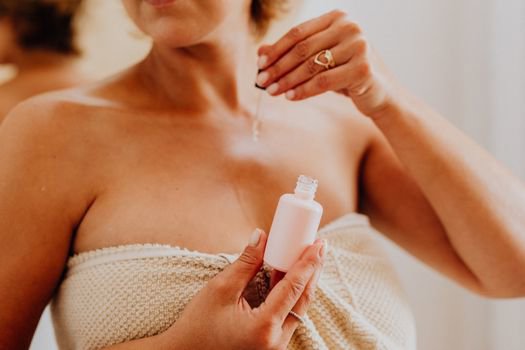
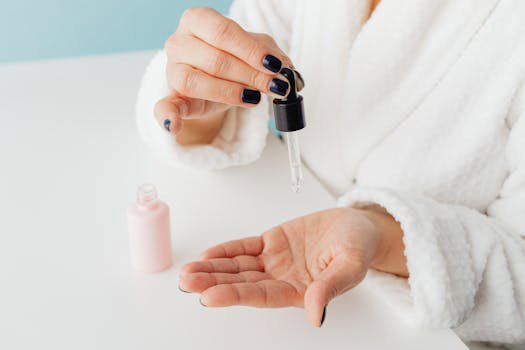
{{IMAGE:Irish woman applying night serum indoors}}Retinoid types on Irish shelves, explained
Not all “retinol” labels mean the same thing. Here’s how to read them so you shop with less guesswork:
- Retinol: The common starter. It converts in skin to retinoic acid. Expect results over months. Start low and slow. Many high-street serums suit beginners.
- Retinaldehyde (retinal): One step closer to active form. Often gentler per result delivered. Many women find faster texture gains with less flake risk. Costs a bit more on average.
- Retinyl esters (retinyl palmitate, etc.): Mildest. Good for very sensitive skin or the eye area. Results take longer.
- Hydroxypinacolone retinoate (HPR or “granactive retinoid”): A retinoic acid ester that binds receptors directly. Many users report less irritation. Label language can confuse, so rely on brand guidance.
- Adapalene 0.1%: A third-generation retinoid for acne. Ask a pharmacist in Ireland about availability and use. It can irritate less than tretinoin but still needs care.
Check INCI lists for buffers like squalane, glycerin, panthenol and ceramides. We see better adherence with cushioned formulas. You can also buffer manually with your moisturiser.
Patch test and prep: Set your skin up to win
No retinoid works if you quit in week two. The prep step keeps you in the game.
- Patch test: Apply a tiny amount behind the ear or on the jawline three nights in a row. Stop if you see aggressive stinging or hives.
- Hydration base: Use a gentle cleanser and a barrier-supporting moisturiser for two weeks before you start. Browse Day Face Moisturisers on GlamGeek and shortlist one with ceramides or squalane.
- Dry skin rule: Apply your retinoid to bone-dry skin. Damp skin boosts penetration and can spike irritation.
- The sandwich method: Moisturiser, retinoid, moisturiser. This buffer lowers sting. Use it for your first month if you tend to flush or peel.
- SPF locked in: Retinoids increase sun sensitivity. Irish weather won’t save you. Park an SPF you like in the morning lineup now. Our SPF Protection Products page makes it easy to compare textures and filters.
One more rule: skip waxing, harsh scrubs, and peels on areas you treat. A fortnight without them won’t harm results. It will prevent the most common barrier blowouts we see in week one.
The 12-week Irish retinol ramp plan
Consistency wins. This schedule builds tolerance without lighting a fire on your cheeks. Adjust one step at a time if you react. Don’t stack fixes.
Weeks 1–2: One night a week
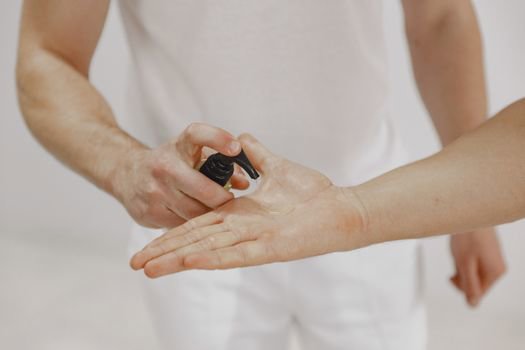
- Evening: Gentle cleanse. Wait 20 minutes. Apply a pea-sized amount for the whole face. Avoid the corners of the nose and mouth at first. Moisturiser after.
- Buffer if you flush: Moisturiser, then retinoid, then another thin moisturiser layer. Go lighter on the nose-chin fold which peels easily.
- Morning: Hydrating serum if you use one, moisturiser, and SPF.
Weeks 3–4: Two nights a week
- Keep the pea-sized rule. You don’t need more for your forehead.
- If you see flakes, add a bland moisturiser layer mid-evening or switch to the sandwich method.
- Still no exfoliating acids. Your retinoid handles turnover. You can add a gentle lactic or PHA toner no more than once a week later on if your skin stays calm.
Weeks 5–6: Three nights a week
- Consider stepping from retinyl ester to retinol, or from retinol to retinal if you feel stable. Swap one of the weekly nights first, not all three.
- Eyes and neck: Tap a rice grain amount of a milder retinoid around the orbital bone and sweep what’s left down the neck. Avoid eyelids for now.
- Hold SPF steady. UVA doesn’t care about cloud cover.
Weeks 7–8: Four nights a week, or stay at three
- Pick the plan you can keep. Four nights gives faster results if you tolerate it. Three nights still works over time.
- If flakes show up, add an occlusive topcoat at night. A thin layer of petrolatum or a ceramide-rich cream seals water in.
- Still avoid strong acids, scrubs, or professional peels until your skin feels settled.
Weeks 9–12: Hold or adjust strength
- If you feel comfortable, increase the strength slightly rather than adding more nights. Swap in a higher-strength product once a week to test.
- If redness hits, step back for three nights and load moisturiser. Resume with your prior strength and frequency.
- Expect visible texture gains, clearer pores, and softening of fine lines around the 10–12 week mark. Keep your expectations set to months, not days.
Add the retinoid you pick to your GlamGeek wishlist. We’ll flag price drops and multi-buy offers across Irish retailers so you can top up without guessing.
Moisturiser and SPF pairings that reduce flake risk
A good buffer keeps women on track. You need hydration, barrier lipids, and a non-sting SPF you’ll wear in wind, rain, and weak winter sun.
- Hydrating cleansers: Pick low-foam gel or cream textures. Scan our Foam & Wash Cleansers to shortlist options that mention glycerin, panthenol or oat extracts. Avoid strong fragrance if you flush.
- Barrier creams: Look for ceramides, squalane, cholesterol and fatty alcohols. Our Night Face Moisturisers page gathers richer options that calm late-evening tightness.
- SPF you’ll actually wear: Irish wind makes some sunscreens sting. Try filters with added humectants. Browse by finish on SPF Protection Products and shortlist “no white cast” or “hydrating” formulas for daily use.
Brands with reliable barrier support also sit across mid and premium shelves. Clinique leans fragrance-free and steady. Clarins and Estée Lauder push cushioned textures that layer well over actives. If you want a wallet-friendly safety net, Garnier and L'Oréal keep ceramides and hyaluronic acid in the mix at accessible prices.
What to avoid while you ramp
Retinoids need a quiet stage. Strip the routine back as you increase frequency. You can reintroduce extras later.
- Skip AHAs and BHAs in the same routine. If you insist on acids, place a single, mild lactic or PHA night away from retinoid nights.
- Hold benzoyl peroxide. It can clash and dry you out. Keep it for targeted spot use in the morning if your pharmacist approves.
- No physical scrubs. They tear at already-sensitive skin.
- Pause waxing and dermaplaning on treated areas. Resume once skin feels robust.
- Go easy on fragrance-heavy formulas until your barrier feels calm.
Pregnant, breastfeeding or trying to conceive? Skip topical retinoids and retinoid derivatives. Choose peptides or gentle PHA-based options instead. Our Anti Ageing Face Serums page lists plenty of non-retinoid picks to keep your routine moving.
Starter product picks across budgets
We pulled these from ranges that ship to or stock in Ireland. Check our price comparison before you buy. We often see Boots Ireland and Lookfantastic Ireland trade places on offers. Add the ones you’re eyeing to your wishlist for price alerts.
- Entry-level retinol: Mid-late twenties or very sensitive skin? Look for encapsulated retinol or retinyl esters. Garnier and L'Oréal carry beginner serums that pair vitamin A with niacinamide or hyaluronic acid. Gentle, with clear usage guidance.
- Retinal for faster texture wins: Brands now sell retinal serums without a clinic visit. You’ll see them in mid-tier lines stocked by Lookfantastic Ireland and select pharmacies. Expect fewer flakes for similar gains when layered over a good moisturiser.
- Budget-friendly retinoid blends: Revolution offers retinol and HPR blends that suit a careful ramp. Pair with their simple squalane moisturisers to cut sting.
- Eye-safe retinoid options: Seek retinyl esters or low-dose encapsulated retinol in eye creams from steadier houses like Clinique or Estée Lauder. Apply to the orbital bone, not the lash line.
- Sensitised skin buffers: Unscented barrier creams from Clinique perform well over actives. If you prefer plant-leaning textures, browse The Body Shop for richer night creams to seal everything in without a waxy finish.
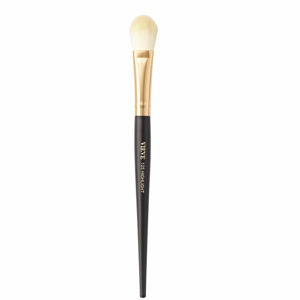
- Brush up on technique: If you spotty-apply and get streaks, you used too much. A pea-sized blob, dotted on forehead, cheeks and chin, then gently spread, gives even coverage. Clean hands beat tools, but our Makeup Brushes & Applicators section has soft synthetic options if you prefer.
Premium lines polish the experience too. Shiseido builds retinol into targeted treatments, including eye care. Clarins includes botanical buffers that suit dryer Irish winters. Shop sets near Christmas for better value. We see rich bundles drop sharply in November and early December.
The Irish morning-after: Calm, protect, repeat
Your morning routine decides whether you peel. Keep it short, hydrating, and UV-safe. No heroics, just consistency.
- Cleanse only if you need to. A splash of water may suffice if your night routine stayed light. If you oil up overnight, pick a mild gel from our Foam & Wash Cleansers list.
- Layer a humectant: Think glycerin, hyaluronic acid, betaine or panthenol. Then a light moisturiser.
- Finish with SPF. Choose a finish you’ll reapply over makeup if you spend long hours by a window. Irish light still brings UVA.
Worried about pilling? Give each layer two minutes to settle. And keep silicone-heavy primers for non-retinoid mornings. If you need staying power, scan our Face Primers page for water-based options that sit cleanly under SPF.
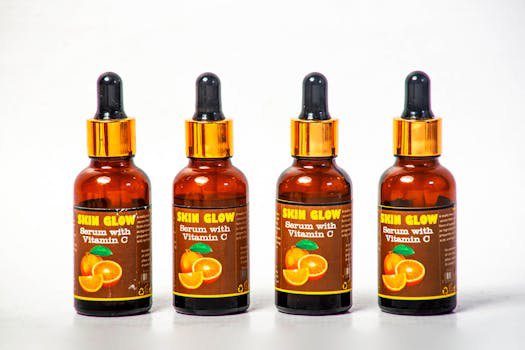
{{IMAGE:close-up of skincare bottles on a windowsill in Dublin}}Troubleshooting: Purging, peeling and what to do next
Not all spots equal purging. Here’s how to read what your skin tells you and respond without panic.
- Tiny, quick-turnover bumps along areas you often clog? That may be purging. Keep frequency steady for two more weeks. Load moisturiser.
- Angry, cystic spots somewhere new? That’s likely irritation or a clash. Scale back to once weekly. Cut fragrance-heavy extras and any acids.
- Sheet-peeling? You applied too much or too often. Stop for three nights. Moisturise morning and night. Resume with the sandwich method.
- Stinging that lasts more than 20 minutes? Rinse off. Moisturise. Try again on a different night with the sandwich method, or step down to a milder product.
- Lips and corners of the nose cracked? Avoid those zones for now. Seal them with a balm first, then apply retinoid to the rest of the face.
If your skin just doesn’t settle, pause and ask a pharmacist. For eczema, rosacea or active dermatitis, get advice before you restart. Retinoids help many skin goals but don’t suit every skin state at every time.
Ireland-specific buying notes and timing
Irish launches can lag UK drops by weeks. Our feed often sees early stock on Lookfantastic Ireland, followed by Boots Ireland and then broader pharmacy roll-out. Brown Thomas and Arnotts take the premium sets, and they stack loyalty events well.
Watch for 3-for-2s on skincare and free gift thresholds in autumn. That’s when it pays to add your target serum to a GlamGeek wishlist. We ping you when it dips at any of the big retailers. Tunnel-vision loyalty leaves money on the table here.
If a UK site ships cheaper to Ireland on a specific product, weigh shipping and returns. Some savings vanish with courier fees. Our price pages help by showing total basket values when merchants provide them.
Make retinol work with makeup, not against it
Flake control keeps your base smooth. Two habits help.
- Hydrate under foundation: Use a thin, quick-absorbing moisturiser and let it settle. Then pick a flexible base from our Liquid Foundations list that mentions hydration or serum texture.
- Gentle cover-up: Cream concealers blend better over slight dryness. Browse Liquid & Cream Concealers and choose a satin finish.
Windy mornings call for soft-focus rather than heavy powder. If you need powder, press lightly only where you shine. Heavy mattifying on flaking skin looks patchy by lunch.
When to level up strength, and when to stay put
Strength jumps feel tempting once you stop peeling. Resist a big leap. Swap in a higher strength one night a week for two weeks first. If skin stays calm, make it two nights. Slow increases produce the same results with less drama.
If you feel stuck on results, widen your support act instead. Add a peptide serum on non-retinoid nights. Or try a gentle PHA toner once a week. Our Face Toners page filters by PHA. Keep AHAs on a short leash until your barrier proves itself.
Can you use retinol on the eye area and neck?
Yes, with care. The eye area benefits from retinyl esters or cushioned, low-dose retinol. Apply to the orbital bone and skip the lids at first. For the neck, use half your face amount and buffer with moisturiser. The neck shows irritation fast and improves more slowly. Patience, not potency, wins here.
Premium eye formulas from Shiseido or Estée Lauder feel kinder in winter because they wrap retinoids in rich textures. If you prefer mid-market, check if your chosen face serum brand sells a matching eye product. Brands that cushion well on the face usually do the same around eyes.
What this means
The data this year points to a simple insight: you don’t need a strong retinoid to see strong results. You need a plan that respects your barrier and your climate. One pea-sized dose, on a dry face, a few nights a week, for months. A moisturiser that seals the deal. And SPF, even when the sky stays grey.
Keep shopping smart as well. Irish retailers stagger offers. Our comparison pages track those swings, and wishlist alerts catch the quiet price drops. Build your retinoid routine once, then top it up when the price dips. No guesswork. Fewer half-used bottles.
Your next steps
- Pick your starting format: retinol if you’re new, retinal if you want quicker texture wins and handle actives well, retinyl ester if you’re very sensitive.
- Choose a moisturiser and SPF you’ll wear daily. Start with the sandwich method if you flush.
- Follow the 12-week ramp. Adjust one thing at a time if you react.
- Use GlamGeek’s comparison and wishlist tools. Check L'Oréal, Garnier, and Revolution for value retinoids, and Clinique, Clarins or Estée Lauder if you prefer premium textures.
We’ll keep tracking the prices and new entries as they land in Ireland through 2026. You focus on the routine. We’ll handle the receipts.
What would help you stick with retinol this time: a clearer schedule, gentler textures, or better SPF options? Tell us what you want to compare next, and we’ll put the data to work.