Our price tracker has flagged a steady rise in retinol launches on Irish shelves since the mid‑2020s, but the real story sits in your DMs to us. Women want smoother skin and fewer lines, but not the dreaded redness or flaking. You want results without the drama. Fair.
Here’s the good news. You can start retinol in Ireland without peeling or panic. You only need the right strength, a simple schedule, and some barrier back‑up. The Irish climate helps here. Damp air and mild temperatures give you a gentler runway if you build in moisturiser support and SPF.
We’ve pulled a practical, no‑nonsense plan from years of price and launch data, pharmacist chats, and what actually sells through in Boots Ireland and the big department stores. You’ll find brand examples, a week‑by‑week start guide, and smart ways to shop retinol locally without overpaying.
Retinol has earned its place. Dermatology textbooks back it. So do Irish tills. Across our merchant feed, retinol and retinal serums have moved from “niche anti‑ageing” to routine staples since 2020. We see consistent demand spikes each autumn, and a second bump in January when women reset routines. That pattern matters for both stock and price.
Retail choice looks decent in 2026. Boots Ireland, Brown Thomas, and Arnotts carry a mix of pharmacy, mid, and prestige retinoids. McCauley and Meaghers keep strong pharmacy‑first options, with pharmacist advice baked in. Lookfantastic Ireland often lists wider shade of strengths and textures, and runs frequent promos. Our tracker shows alternating discounts across retailers rather than one clear winner, so comparison pays.
Regulation also calms the field. EU rules cap vitamin A derivatives in cosmetics, so anything on Irish shelves must sit inside those limits. That reduces the risk of rogue strengths. It also explains why some US viral retinoids feel slower to land here, or arrive in softer strengths. We see a delay of a few months between UK/US buzz and full Irish distribution for certain lines. Plan for it.
All that context helps set a sane start. You want the right molecule, the right strength, and a schedule that respects Irish weather and your barrier. If your skin skews sensitive, you start even slower. If you tolerate acids well, you still ease in. The goal is steady progress, not a sprint.
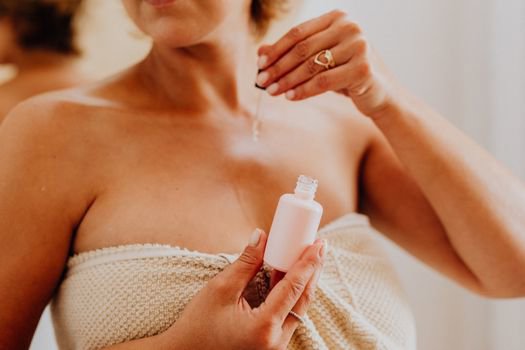
{{IMAGE:Irish woman applying retinol serum at night}}Retinol, retinal, retinoic acid: what’s the difference?
Retinoids sit on a spectrum. The closer you get to retinoic acid, the faster the results and the higher the irritation risk. Cosmetic products sit a few steps away from prescription strength. That gap matters when you pick a starter.
Retinyl esters feel the gentlest and slowest. Brands use them in creams marketed for first‑timers or very sensitive skin. They can smooth and brighten, but they take patience. If you feel nervous or very dry, they offer a soft test drive.
Retinol is the classic choice for beginners. It converts in skin to retinoic acid in two steps. That slows the punch and spreads the work. Most beginner‑friendly serums or emulsions use retinol at modest percentages. This hits the sweet spot for women who want texture and glow gains without a shock.
Retinal (retinaldehyde) sits one step closer to retinoic acid than retinol. It often feels faster, yet many formulas buffer well. You may see smoother texture and pore refinement sooner. If you run oily or target stubborn texture, a lower‑strength retinal can serve you well. Prescription retinoic acid sits at the end of the line and needs medical guidance.
Pick your starter strength and formula
Formula beats the number on the box. Texture, solvents, and buffers change how a retinoid lands on your skin. For Ireland’s damp, windy days and indoor heating, we rate cushioned textures that hold moisture and slow penetration a touch.
Look for creamy serums, light lotions, or emulsions for a beginner start. They spread a pea‑sized amount without dragging. Gels suit oilier skin, but they can feel tight on cheeks in winter. If you run dry or reactive, skip alcohol‑heavy fluids at the start.
Choose a modest retinol strength or a low retinal. You don’t need the strongest bottle to see wins. Brands like L'Oréal and Garnier sell beginner‑friendly retinol serums in Ireland with clear usage guides. Prestige counters at Brown Thomas list buffered retinoids from Clinique and Estée Lauder that suit cautious starts.
Not sure which lane you’re in? If you tolerate acids and fragrance well, start with a standard retinol serum and a moisturiser buffer. If you flush or sting often, pick a cream formula with a lower strength and plan for fewer nights. You can browse and compare options under Anti Ageing Face Serums on GlamGeek. Add a few to your wishlist and we’ll ping you if the price drops.
A week‑by‑week Irish start plan
Keep it boring and consistent. That’s how you win with retinoids. A set schedule helps you build tolerance, spot triggers, and avoid random redness before a big night out.
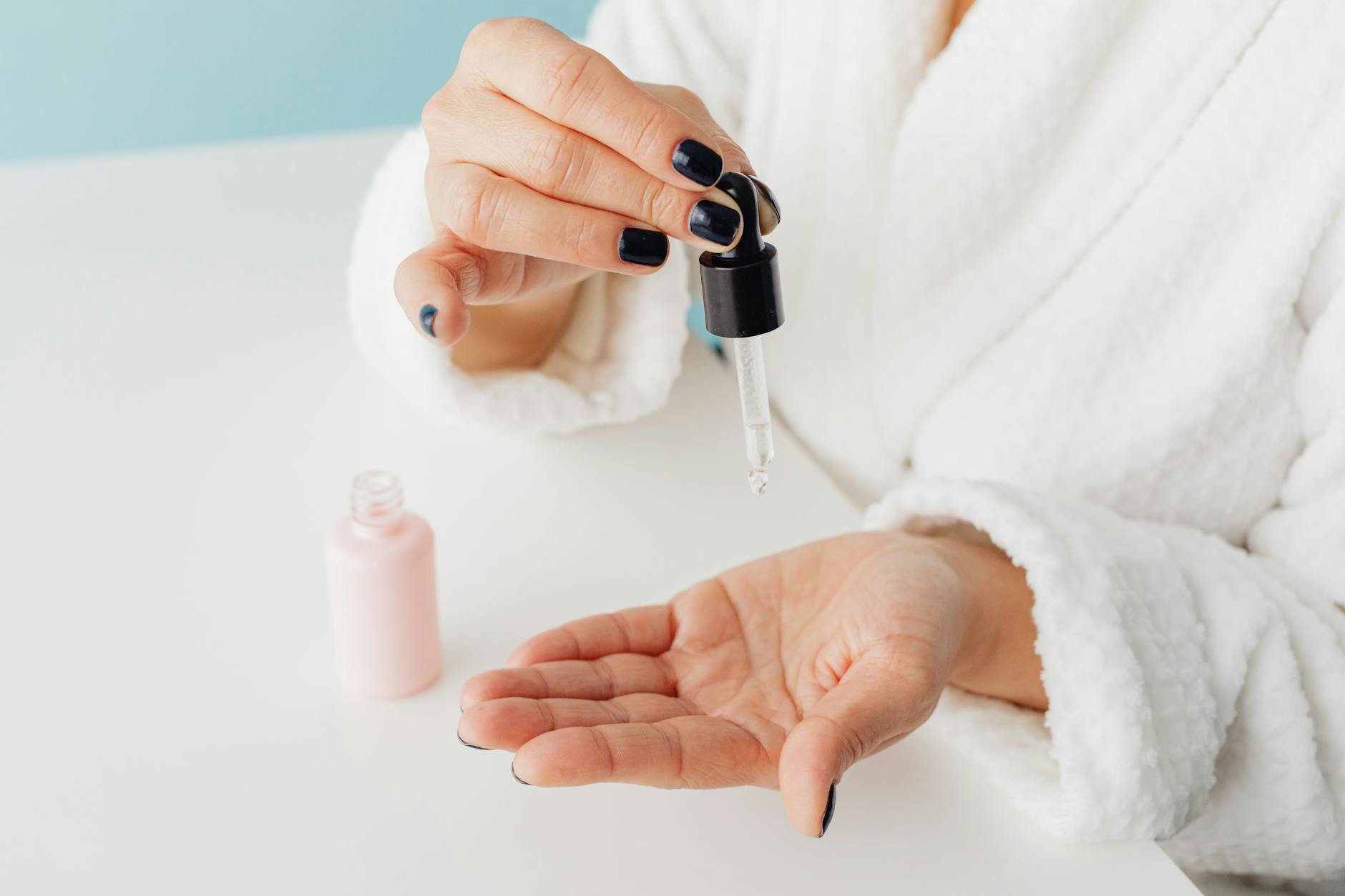
Weeks 1–2: Pick two non‑consecutive nights. Cleanse, pat skin dry, wait 10 minutes, then apply a pea‑sized amount over face. Avoid creases of the nostrils and corners of the mouth. Follow with a simple moisturiser. If you feel nervous, “sandwich” it: moisturiser, retinoid, moisturiser.
Weeks 3–4: Step up to three nights, still spaced out. Keep product amount the same. Watch for dryness around the nose and chin. Add a richer cream on those zones if they start to flake. Don’t chase flake with scrubs.
Weeks 5–8: Move to alternate nights if the skin stays calm. If you see sustained dryness or hot patches, drop back to two nights. You can consider a tiny bump in strength after two calm months, but not before. The goal is comfortable consistency, not bravado.
Barrier support: moisturisers, mists and buffers
Your barrier sets your tolerance. Feed it, and retinol behaves. Starve it, and even a gentle serum can bite. Ireland’s damp air helps, but winter radiators and coastal wind still stress skin. Build your routine around that reality.
Pair your retinoid with a ceramide‑rich moisturiser. Look for ceramides, cholesterol, and fatty acids in the INCI. Squalane, glycerin, and panthenol also help. You don’t need fragrance at night. Keep it simple so you can spot what works. Scan options under Night Face Moisturisers if you want thicker textures, or Day Face Moisturisers if you prefer lighter creams.
Buffering makes a visible difference in Irish winter. Apply a thin layer of moisturiser first, wait a minute, then apply retinol, then seal with another thin layer. This slows penetration and reduces sting. You can drop the buffer once your skin adapts.
Retinol and the eye area need care. You can take residual product from the cheeks up to the orbital bone, but avoid lash line. If you want targeted eye smoothing, look at cushioned, low‑dose options from counters like Shiseido. Patch test first and use on alternate nights only.
{{IMAGE:flat lay of retinol serum, moisturiser, and SPF on a linen surface}}SPF and daytime support in a grey climate
Yes, Ireland runs grey for much of the year. UVA still gets through. Retinoids make skin a touch more sun‑sensitive, so daily SPF matters. You don’t need a lecture. You need a formula you’ll wear.
Pick broad‑spectrum SPF 30 or 50 that sits well under makeup. Gels suit oilier skin. Creams suit dry or sensitive types. Tinted SPF can replace base on low‑key days. Texture tolerance drives compliance, so test samples where you can.
Apply a generous amount each morning. Reapply if you spend long blocks outdoors or sit by bright windows. Pair SPF with antioxidants in the morning if you enjoy them, but keep it simple on retinol start weeks. Less noise, more signal.
We track steady promotions on sun care, especially near Bank Holiday weekends. Check SPF Protection Products on GlamGeek and add your pick to a wishlist. We’ll alert you if Boots, Lookfantastic, or a pharmacy drops the price.
Mixing rules: what plays well, what to park
You can run a smart retinol routine without ingredient drama. A few pairing rules keep things calm while you build tolerance. Once your skin finds its feet, you can layer more, but earn that right.
Pair with niacinamide and peptides. They soothe, support the barrier, and help with tone. Hyaluronic acid hydrates without sting. Panthenol and allantoin calm. These play well on retinol nights.
Park strong acids and benzoyl peroxide on the same night as your retinoid in the early weeks. Alternate nights instead. If you love a weekly exfoliant, keep it gentle and infrequent. Browse Face Exfoliants and choose low‑irritation picks while you acclimate.
Vitamin C sits best in the morning while you settle into retinol at night. That split keeps sting down. If you insist on layering them in one routine later, patch test and introduce slowly. Less is more when you want consistent results.
Smart shopping in Ireland: pricing, stock and timing
We see retinoid prices move across Irish retailers week by week. Promotions rotate. Sometimes Boots Ireland leads. Sometimes Lookfantastic Ireland undercuts with a voucher. Department stores bundle skincare gifts that tilt the value. You rarely need to pay full ticket if you can wait a week.
Use GlamGeek to compare across retailers fast. Tap into our price history to check if a “sale” beats recent lows. Add your shortlist to a wishlist and we’ll ping you when one of your picks dips. It saves time and second‑guessing.
If you prefer pharmacy advice, McCauley and Meaghers stock strong beginner options and often offer bundle deals on moisturisers and cleansers. You can build a full retinol‑support routine without jumping sites. Prestige counters in Brown Thomas and Arnotts carry buffered serums from brands like Clinique and Estée Lauder. Those lines cost more, but they may feel gentler due to cushioned vehicles.
Watch launch lag. Some UK viral drops hit Ireland a little later. If you want a specific new retinal, you might wait a few weeks for Irish distribution. In the meantime, scan established retinol ranges from L'Oréal or Garnier. Results come from consistency, not the newest glass bottle. Value sets also help you test textures. Check our Skin Care Sets page for kits that include minis of retinol alongside matching creams.
When skin stings: troubleshooting without quitting
Redness and dryness can happen, even with care. You can course‑correct without binning the bottle. The fix usually sits in timing, quantity, and your support crew.
First, stop retinol until skin calms. Load up on a bland moisturiser morning and night. Add a light occlusive at night if cheeks feel tight. Avoid fragrances and essential oils while you recover.
Second, reset your cadence. Drop to one or two nights a week. Use the sandwich method without fail. Switch to a creamier vehicle if you used a gel. Keep the pea‑sized dose honest. More does not mean faster gains.
Third, check the rest of your routine. Strip out acids and strong actives for two weeks. Keep SPF daily. If you still sting or flake after a cautious reset, ask a pharmacist to review your products and patches of irritation. Retinol should serve your skin, not rule it.
Retinol for Irish skin types and concerns
Different concerns call for small tweaks. You don’t need a bespoke routine, just a few guardrails that reflect your skin type and your goals. The Irish climate shapes those decisions too.
Dry or sensitive skin: Start with a retinol cream at low strength. Buffer every time for the first month. Use a richer moisturiser at night and a hydrating day cream. Scan our picks under Day Face Moisturisers that layer well under SPF. Keep mists and balms handy on windy days.
Combination or oily skin: A light serum or gel can work, but watch for chin and mouth corners. Those areas crack fast with wind and indoor heat. Use a thin moisturiser buffer on those zones only. Stay with two nights a week for the first fortnight before you judge progress.
Pigmentation and uneven tone: Consistency matters more than molecule debates. A modest retinol with strict daily SPF will beat a stronger serum with patchy use. Add azelaic acid on alternate nights once you settle in. Keep vitamin C for mornings if you enjoy it.
What this means
You don’t need to fear retinol. You need a plan. Pick a cushioned formula at a modest strength. Start two nights a week on dry skin. Buffer with a reliable moisturiser. Wear SPF every morning, even in Irish drizzle. Hold that line for a month before you change anything.
Shop with your head, not your FOMO. Compare prices across Irish retailers on GlamGeek. Add your shortlist to a wishlist so we can nudge you when the price drops. If you prefer help at the counter, pharmacies offer solid, well‑priced starters and practical advice. Prestige counters add comfort in texture, not magic in molecules. Results come from steady use and a calm barrier.
Which retinoid lane are you eyeing for 2026 — a cushioned beginner retinol, or a low‑dose retinal with a moisturiser buffer? Tell us what you’re considering, then add your picks from our Anti Ageing Face Serums page to your GlamGeek wishlist. We’ll watch the prices while you build a routine that works.