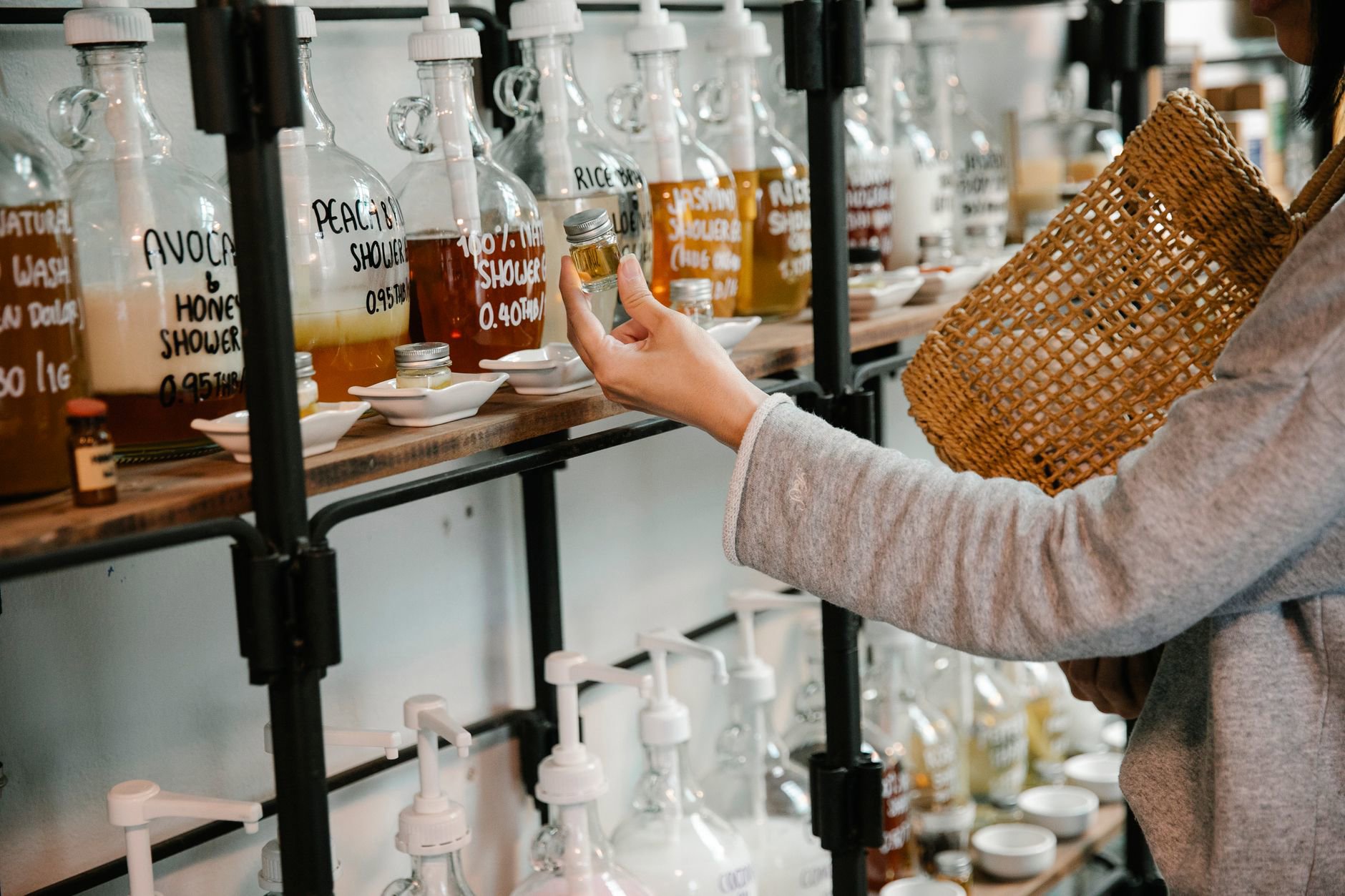
Refillable packaging used to mean one thing: a pretty bottle you kept because it looked nice on a vanity.
In 2026, it means something sharper. Retailers and brands want you to buy a “system,” not a single product. That shift shows up everywhere in US beauty coverage right now, from industry trade titles tracking a “new phase” in refillables to questions about whether plastic-free formats can actually work at Sephora.
We like the intent. We also watch what happens to prices once a product becomes a “format.” The refill pitch can save money over time, or it can quietly lock you into higher-priced cartridges and limited shade or SKU availability. This guide focuses on how to spot the difference while shopping in the US.
We’re taking a news-led angle here because refillability is the clearest 2026 trend with real US retail implications: Sephora assortments, Ulta endcaps, and Target’s value tier all handle refills differently, and that affects what you pay and how easy it feels to stick with a product.
Why refillables are having a real moment (and why it matters)
The current push has two forces behind it: retailer strategy and consumer pressure. Trade outlets have covered refillable packaging “gearing up” for a new phase, and multiple reports keep pointing to sustainability as a growth driver through 2030. That sounds abstract until you translate it into store decisions: which products get shelf space, which items get marketing support, and which formats get phased out.
In the US, “refillable” also functions as a tier signal. You’ll see more refill messaging in prestige (Sephora, Nordstrom, Bluemercury) because those shoppers tolerate the upfront cost of a durable component. Mass retail (Target, CVS, Walgreens) leans toward lighter-weight “less plastic” packaging changes because refill infrastructure costs money.
Then there’s the part brands rarely highlight: refills change your price comparison math. You stop comparing one product against another and start comparing a starter kit plus ongoing refills. When a refill costs almost as much as the original, the sustainability claim might still hold, but the value claim doesn’t.
Our price tracker won’t prove whether a refill format reduces waste, but it does show the consumer-side reality: refill systems can create sticky pricing. You might see fewer deep discounts on the “core” item because the brand wants the system to feel premium and consistent.
Refill math: the only way to tell if you’re saving
Start with the unglamorous step: cost per ounce or cost per milliliter. Refillable formats often use different sizes for the refill versus the original component, so you need a same-unit comparison. If the refill comes in a smaller size “for freshness,” it can cost more per ounce even when the sticker price looks lower.
Next, separate the value of the durable component (the bottle, compact, or case) from the formula. The component often drives the starter price. If you don’t love the formula, you’ll resent paying for the “nice” packaging twice—once in dollars and again in the cabinet space it takes up.
We also recommend a simple “two-refill rule.” Only buy a refillable format if you can realistically finish the original plus two refills within the time you normally keep that category. That matters most for Anti Ageing Face Creams, liquid foundation, and mascara-adjacent categories where performance can shift over time.
One more check: availability. If the refill only sells at one retailer, you lose bargaining power. Sephora exclusivity can feel convenient, but it can also reduce promo overlap. Ulta points, Target promos, and Amazon price swings can’t help you if the refill lives in one lane.
Skincare refills: where women actually see payoff
Skincare refills tend to make the most sense when (1) you use the same product continuously and (2) the brand offers consistent stock. Think cleansers, moisturizers, and certain serums. Trend coverage in 2026 keeps circling back to “back to basics” and skinimalism. Refillables fit that mood: fewer products, used longer, repurchased on autopilot.
But the refill pitch can also distract from formula fundamentals. If your barrier feels stressed, no container format fixes that. Look for humectants (glycerin, hyaluronic acid), barrier lipids (ceramides), and irritation buffers (panthenol, allantoin). If a refillable product relies on heavy fragrance or a hot active blend, the “eco” story won’t help your face.
Price-wise, the smartest move is to pair trend shopping with opportunistic deal timing. Across our merchant feed this week, some high-end treatment items sit at 12-month lows, which can be the rare moment a “system” purchase makes financial sense. Valmont Regenerating Mask Treatment costs $170.00 at Dermstore right now, its lowest in 12 months. RéVive Skincare Fermitif Chin Contour Mask costs $30.00 at Dermstore, also a 12-month low. Those aren’t refills, but they show how timing can matter more than packaging when you want prestige results without prestige pain.
For daily, don’t overcomplicate it. If you want a sunscreen you’ll actually use, focus on texture and reapplication ease first. The Ordinary UV Filters SPF 45 Sun Protection Serum costs $13.80 at lookfantastic and carries a 5.0/5 rating in our feed. That’s the kind of price-to-usefulness ratio that beats a lot of “premium refillable SPF” narratives.
Makeup refills: the trap is shade turnover (and the win is compacts)
Makeup refills look perfect on paper: keep the case, swap the pan. In practice, brands rotate shades, discontinue finishes, or change undertones. That’s where women get stuck with a beautiful compact and no matching refill.
The categories that hold up best: pressed powder, some blush formats, and certain lip products where the packaging can truly last. The least reliable: complexion shade products, especially when brands “refresh” ranges. If you buy a refillable foundation, you’re betting that the brand will keep your shade stable through reformulations and shade edits.
If you want to make refillable makeup work, build it around tools and technique, not constant product swaps. A reliable brush can stretch any complexion product because it improves coverage efficiency. In our feed, the NYX Pro Multi-Purpose Buffing Brush costs $16.10 at lookfantastic with a 5.0/5 rating. For women who bounce between Liquid Foundations and skin tints seasonally, a dense buffing brush helps you control sheerness without buying a second base product.
Also consider what retailers do best. Sephora excels at showcasing new refillable concepts and curated shade edits; Ulta tends to win on points and event promos; Target often wins on convenience and returns. If you want a refill system, buy it where you will actually repurchase it, not where you happened to discover it.
Plastic-free and solid formats: smart, but not always simple
One of the most interesting refill-adjacent questions in US retail right now: can plastic-free beauty “stick” at Sephora? Solid formats—cleansing sticks, shampoo bars, deodorant-like skincare—promise less packaging and easier shipping. They also introduce new usability problems: friction, dragging, uneven application, and storage mess.
For facial products, watch for “solid” formulas that rely on waxes and butters alone. They can feel comforting, but they can also trap heat and sweat in humid climates, especially if you already deal with congestion. If you live in the dry West or experience winter dryness in the Northeast, a balm-like solid might feel better. Climate matters, and the same stick can perform very differently in Miami versus Denver.
For hair, solid and refill concepts can overlap in a useful way: you can reduce packaging without committing to a proprietary refill cartridge. If you want a budget-friendly stepping stone, look for proven mass-market conditioners and masks that you can buy in larger sizes (less packaging per use) while you experiment with bar formats. If you shop for staples like Moisturising & Nourishing Shampoos or Moisturising & Nourishing Conditioners, the “less waste” win sometimes comes from buying smarter sizes, not trendier formats.
Our feed highlights a straightforward value pick for dry hair routines: Garnier Ultimate Blends Nourishing Hair Food costs $18.38 at lookfantastic with a 5.0/5 rating. That kind of dependable, lower-cost mask can reduce the urge to chase every new packaging concept.

How to shop refills at Sephora vs Ulta vs Target without overpaying
US shopping strategy changes by retailer because the promo calendars and stocking choices differ. Sephora pushes prestige refillables and sets the tone for what looks “standard.” Ulta often provides the best overall value when you stack points with periodic discounts, especially if your routine spans haircare, skincare, and color. Target can win for basics, but it rarely offers the full refill ecosystem for prestige brands.
Here’s how we’d approach it:
- At Sephora: treat refillables like a long-term commitment. Only buy if you can see yourself repurchasing at Sephora repeatedly. If you plan around Sephora’s seasonal events, you can sometimes offset the higher entry price, but don’t assume every refill qualifies for the best discount tiers.
- At Ulta: prioritize categories you buy often, because points compound. Refillable fragrance and high-repeat skincare can make sense here if the refill pricing stays honest. Keep an eye on exclusions during major events.
- At Target/CVS/Walgreens: favor “big size, fewer bottles” strategies over proprietary refill systems. You can still reduce packaging by buying larger bottles of a product you know works, and you’ll usually get easier returns.
- On Amazon: only buy if the listing clearly shows brand authorization and packaging details. Refillable systems suffer when components arrive damaged or incomplete.
We also like to compare cross-retailer prices even when you plan to buy in-store. A refillable product that never discounts might still be worth it if the refill meaningfully drops the per-ounce cost. But if the brand prices the refill close to the original, you pay extra for the story.
If you want to browse by category rather than chase single launches, start with curated price comparisons in skin care, makeup, or hair care, then filter down to the brands you already repurchase.
Refillables meet “skinimalism”: build a routine that stays stable
Trend trackers keep signaling skinimalism: fewer steps, more consistency, less product hopping. Refillables slot into that naturally, but only if your routine has a clear core. When women buy a refillable “hero,” then keep chasing add-ons, the packaging savings shrink fast.
We suggest a three-part core that stays stable across seasons, with small swaps for climate:
- Cleanse: gentle, non-stripping, fragrance-light if you run reactive.
- Treat: one active at a time (vitamin C, retinoid, or azelaic acid-adjacent calmers), used consistently.
- Protect: daily SPF you will reapply.
- Support: a moisturizer that matches your climate and barrier state.
If you want a low-cost SPF anchor while you decide whether a refill system belongs in your routine, The Ordinary UV Filters SPF 45 Sun Protection Serum at $13.80 from lookfantastic makes that decision easier. You can commit to daily use first, then decide if you want to “upgrade” to a refillable sunscreen later.
For night care, resist the temptation to use refillability as permission to overbuy actives. If you want to trial a retinol product without spending prestige money upfront, Revolution Retinol Overnight Cream costs $17.00 at Revolution Beauty and carries a 5.0/5 rating in our feed. It’s a sensible on-ramp before you commit to a high-priced, refillable anti-aging system.
What we’d buy now (and what we’d skip) based on the data
We won’t pretend every refillable launch offers better value. Some do. Many don’t. So we’re using our current price intelligence as a reality check: where does the market offer genuine savings or unusually good timing?
Worth grabbing now if it fits your routine:
- Valmont Regenerating Mask Treatment — $170.00 at Dermstore (12-month low). If you already buy prestige masks, this is the kind of timing that can replace “refill savings” with real, immediate savings.
- RéVive Skincare Fermitif Chin Contour Mask — $30.00 at Dermstore (12-month low). Good for women who like targeted mask treatments but don’t want a long-term device or system.
- The Ordinary UV Filters SPF 45 Sun Protection Serum — $13.80 at lookfantastic (rated 5.0/5). Daily-use categories reward affordability because repurchase frequency stays high.
- NYX Pro Multi-Purpose Buffing Brush — $16.10 at lookfantastic (rated 5.0/5). A strong tool buy supports any refillable or non-refillable base product you own.
- Garnier Ultimate Blends Nourishing Hair Food — $18.38 at lookfantastic (rated 5.0/5). A reliable conditioning mask can reduce “new format” impulse buying.
We’d be cautious about: buying a refillable system solely because it looks sustainable. If the refill only exists in one channel, costs nearly the same as the original, or requires a special tool to decant, you’ll likely quit after one cycle. The sustainability benefit only exists if you stay with it.
If you want to explore brands that frequently participate in US promo cycles, browse price histories for staples from Clinique, Estée Lauder, Shiseido, or Garnier. Consistent promo behavior matters more than lofty packaging claims.
What this means for your beauty budget in 2026
Refillable packaging will keep expanding in the US, but the best value won’t come from buying the newest system first. It will come from doing refill math, choosing categories you truly repurchase, and timing purchases around real price lows rather than marketing cycles.
Women who win with refillables treat them like “boring staples”: a cleanser, a moisturizer, a powder compact, a signature scent. The moment you start collecting refillable components across five brands, you lose the simplicity that refillability promises and you often lose the savings too.
Our practical takeaways: pick one category to trial, commit for at least two refills, and keep a non-refillable value anchor in the routine (like an affordable SPF or a dependable hair mask) so you don’t feel forced into premium pricing everywhere.
Tell us what you’re seeing in your cart
Are refillables changing what you buy at Sephora or Ulta—or do you still prefer straightforward packaging with better discounts?
If you’re considering a refillable system, which category would you actually stick with for a full year: moisturizer, foundation, powder, or fragrance?