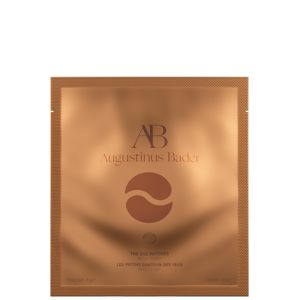

Under-eye masks (also called eye patches) are targeted treatments that sit on the lower eye area to hydrate, cool, and temporarily reduce the look of puffiness and dark circles. They work best when you match the mask type and ingredients to your concern, apply them correctly, and time wear to support drainage and hydration.
Puffy under-eyes and shadowy circles rarely come from one cause. Fluid retention, sleep debt, allergies, screen strain, dehydration, and skin thinning can all show up in the same 1-inch area.
Eye masks help because they combine three things at once: occlusion (to hold water in), active ingredients (like caffeine or vitamin C), and pressure/cooling (to calm swelling). That trio can make you look more awake even when your calendar says otherwise.
But results depend on execution.
Our price tracker shows eye masks span a wide range, from everyday packs like BeautyPro Warming Eye Mask Under Eye Masks at $3.39 to luxury treatments like RéVive Masque Des Yeux Revitalizing Eye Mask at $156.40. The goal is not “most expensive.” The goal is “right format + right actives + right timing.”
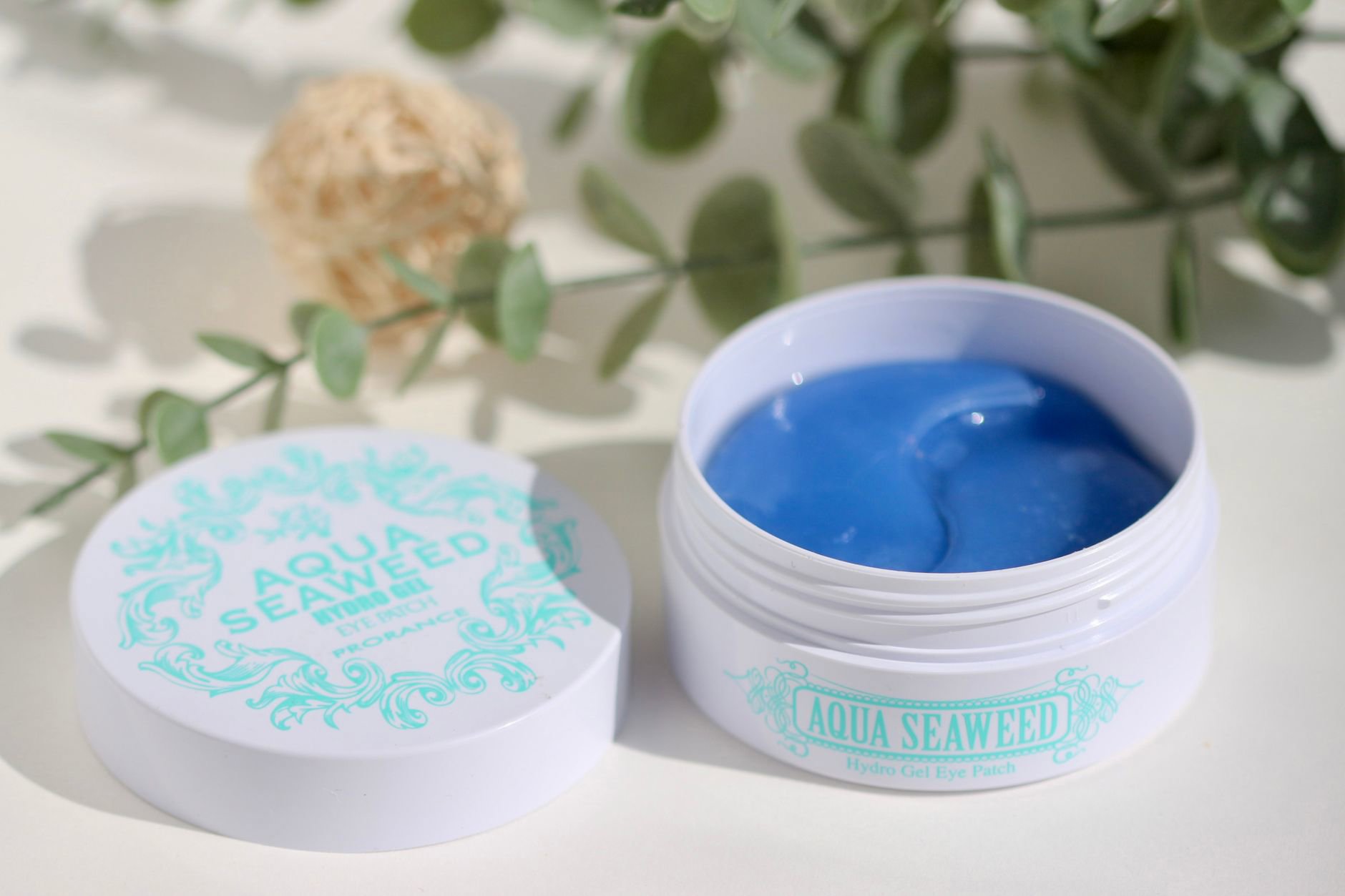
Before getting into technique, one quick framing: eye masks do not “erase” genetic darkness or permanently fix fat pad changes. They can, however, meaningfully improve how the area looks for hours (and sometimes days) by hydrating and de-puffing.
Know what you’re treating: puffiness vs dark circles
Puffiness usually equals fluid. Your lymphatic system drains slowly around the eyes, and salt, alcohol, allergies, and sleep position can all worsen it.
Dark circles split into a few buckets. Some people see vascular darkness (blue/purple tone from visible vessels). Others see pigment (brown tone). Many see shadowing from hollowness or swelling that creates a dark trough.
Eye masks help puffiness most reliably because cooling and caffeine can visibly shrink the “morning bag” look. For dark circles, eye masks help when darkness relates to dehydration, dullness, or surface tone. They do less when darkness comes from anatomy.
Here’s how we’d match concerns to products from our tracked list:
- Puffiness (fluid retention): look for caffeine and a cooling hydrogel format. 111SKIN Sub-Zero De-Puffing Eye Mask starts at $13.92 and features caffeine in a hydrogel mask designed to combat fatigue-related dullness.
- “Tired eyes” + de-puffing on a budget: Hero Mighty Patch For Tired Eyes starts at $14.99 and uses cooling hydrogel patches made to visibly de-puff for 30+ minutes.
- Dullness + tone support: Peter Thomas Roth Potent-C Power Brightening Hydra-Gel Eye Patches starts at $65.00 and uses THD ascorbate vitamin C (an ultra-stable form) for a brighter look.
- Fine lines made worse by dryness: Peter Thomas Roth Water Drench® Hyaluronic Cloud Hydragel Eye Patches starts at $55.00 and focuses on moisture replenishment to soften and smooth the look of the area.
If you only remember one thing: pick for the cause, not the label on the front.
Eye mask types (gel, hydrogel, sheet, cream) and what they do
Marketing makes eye masks sound interchangeable. They aren’t.
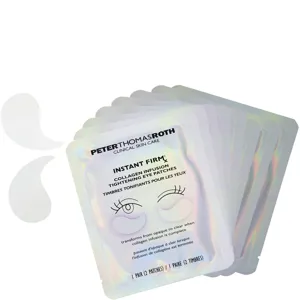
Hydrogel patches tend to hug the skin, stay damp longer, and deliver that “cooling contact” effect people want for puffiness. Many of the most popular options in our merchant feed fall into this bucket.
Examples with clear positioning from the product list include Peter Thomas Roth Cucumber Hydra-Gel Eye Masks (from $20.75) with aloe vera and caffeine to help reduce the look of dark circles, and Peter Thomas Roth Gold Hydra Gel Eye Mask 30 Pairs (from $66.25) for a lift-and-firm vibe using 24K gold and colloidal gold.
Gel or “jelly” patches often prioritize a plumping look. They can feel thicker and more cushiony, which helps when shadowing makes the under-eye look hollow.
Rodial Dragons Blood Jelly Eye Patch starts at $14.95 and aims to create the illusion of brighter under-eye skin while encouraging a plumper, firmer-looking base. That wording matters: you’re buying a visual effect, not a medical fix.
Cream or leave-on eye masks act more like an intensive treatment layer than a quick patch. They suit people who hate the “sliding patch” problem or want an overnight option.
Elemis Procollagen Eye Revive Mask starts at $66.75 and uses a 3-in-1 gel formula that can work as an overnight mask, a hydrating eye primer, or a moisturizer. That flexibility can beat single-use patches if you want a repeatable routine.
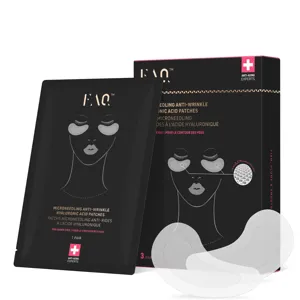
Specialty formats include microneedle and hydrocolloid styles. These target smoothing and adherence rather than just cooling.
skyn ICELAND Dissolving Microneedle Eye Patches start at $18.00 and use self-dissolving microneedles with hyaluronic acid and peptides. MZ Skin Lightmax Minipro Hydrocolloid Patches start at $46.00 and include niacinamide and caffeine, designed to pair with a specific LED device.
Step-by-step: how to apply under-eye masks for best results
Most disappointment comes from rushed placement, over-wearing, or applying on skin that has too much slip.
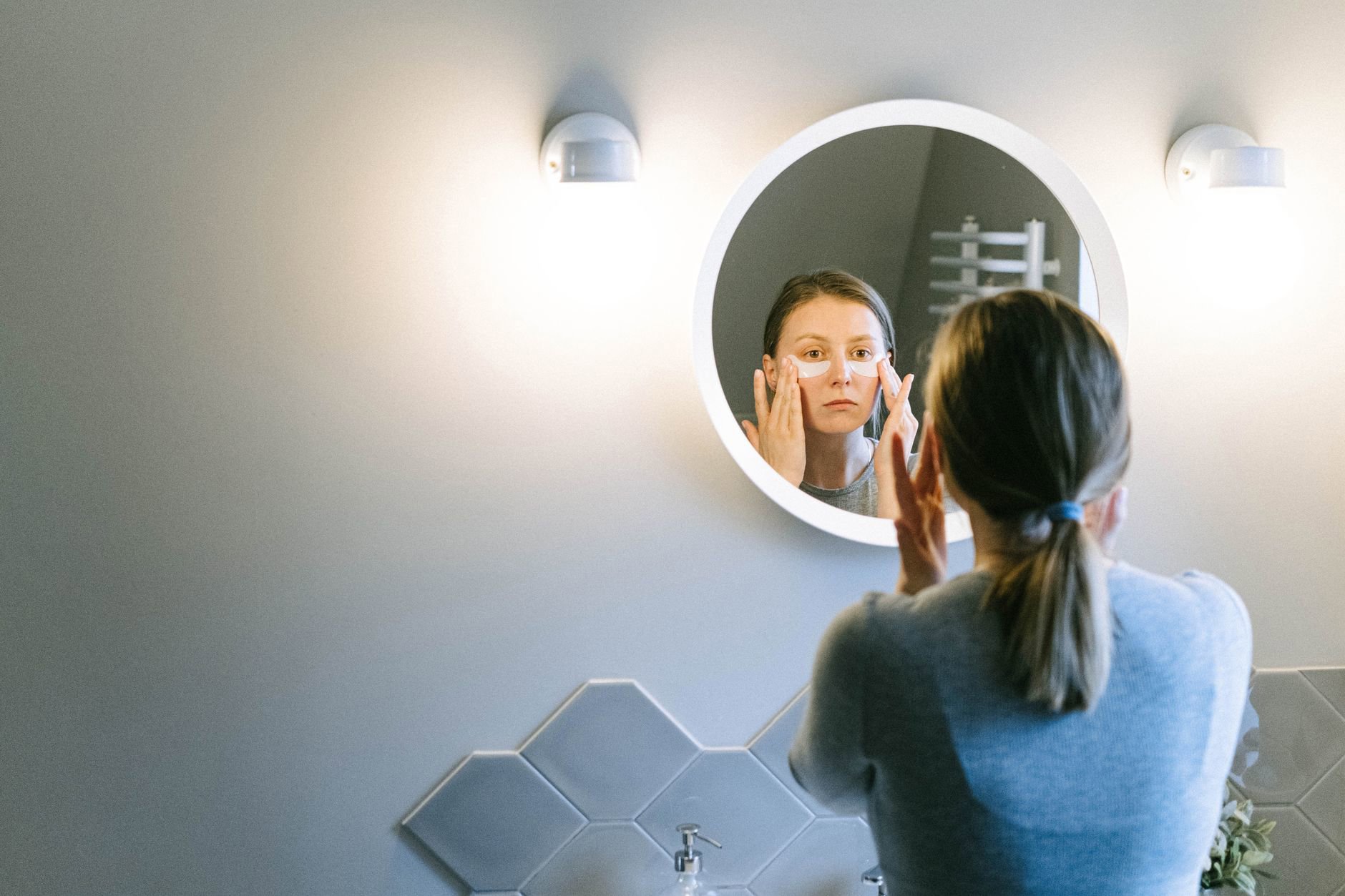
Use this repeatable method:
- Start with clean, dry under-eyes. If the skin feels slick with skincare, patches can drift and lift at the edges.
- De-puff first with positioning. Sit upright. Looking down at a phone can trap fluid under the eye area.
- Place the patch with intent. Aim the thicker end toward the outer corner if you want lift; aim it closer to the inner corner if darkness concentrates there. Keep a small gap from the lash line.
- Press, don’t rub. Use two fingers to smooth outward. Rubbing can tug the delicate area.
- Time it. Follow the product directions when given. When directions vary, most hydrogel patches perform well in the 10–30 minute range. Hero Mighty Patch For Tired Eyes explicitly supports 30+ minutes.
- Finish the edges. After removal, tap leftover serum into the under-eye and along the orbital bone.
Chill them if puffiness drives your main complaint. A cool patch can reduce the look of swelling fast, and hydrogel holds that chill longer than thin sheet material.
Skip the freezer. Too-cold patches can trigger redness, especially in dry climates or reactive skin.
For a “ready in 20 minutes” routine, we’d reach for Peter Thomas Roth Cucumber Hydra-Gel Eye Masks (from $20.75) or 111SKIN Sub-Zero De-Puffing Eye Mask (from $13.92) because both call out caffeine in their formulas.
Timing and frequency: morning de-puff vs night repair
When you use eye masks matters as much as which one you buy.
Morning (best for puffiness): swelling tends to peak after sleep because fluid pools while you lie flat. Cooling patches plus caffeine fit here. Keep your head upright, and avoid bending over while they sit.
For morning puff, our data shows shoppers often choose multipacks and mid-priced jars. If you want an “event day” look, Peter Thomas Roth Gold Hydra Gel Eye Mask 30 Pairs (from $66.25) targets a lift-and-firm finish, while Peter Thomas Roth Water Drench® Hyaluronic Cloud Hydragel Eye Patches (from $55.00) focuses on plumping hydration that can soften fine lines created by dryness.
Midday reset (best for screen fatigue): this is where warming and relaxation formats make sense. BeautyPro Warming Eye Mask Under Eye Masks starts at $3.39 and uses chamomile while gently heating the area for tired, strained eyes. That makes it a different tool than a de-puff patch.
Night (best for hydration and smoother texture): you want longer contact time and less risk of slipping. A cream-style mask helps here.
Elemis Procollagen Eye Revive Mask (from $66.75) stands out because it can function as an overnight mask. If you prefer patch formats at night, keep wear time moderate and avoid falling asleep in them. Dried-out patches can pull moisture back out as they dehydrate.
How often? For most people, 2–4 times per week fits well. Daily use works if your skin tolerates it and your budget allows it. For retinol patches, slow down.
Ingredients that actually match puffiness and dark circles
Eye masks sit on a small area, so ingredient selection matters more than hype. Focus on actives with visible short-term payoff.
Caffeine: a classic for puffiness because it can help the area look less swollen. You’ll find it called out in Peter Thomas Roth Cucumber Hydra-Gel Eye Masks (from $20.75) and 111SKIN Sub-Zero De-Puffing Eye Mask (from $13.92). MZ Skin Lightmax Minipro Hydrocolloid Patches (from $46.00) also include caffeine.
Hyaluronic acid: best for dehydration lines and a smoother look under makeup. By Terry Hyaluronic Flash Eye Patch (from $19.55) leans hard into hydration with a vegan formula and 97% naturally-derived ingredients. Peter Thomas Roth Water Drench® Hyaluronic Cloud Hydragel Eye Patches (from $55.00) also targets moisture replenishment for fine lines and dark circles.
Vitamin C (THD ascorbate): a better fit for dullness and uneven tone than for true “blue” circles. Peter Thomas Roth Potent-C Power Brightening Hydra-Gel Eye Patches (from $65.00) uses THD ascorbate, described as an ultra-stable form of vitamin C.
Niacinamide: supports a brighter look and barrier comfort for some users. It appears in MZ Skin Lightmax Minipro Hydrocolloid Patches (from $46.00) alongside caffeine, designed to optimize use with an LED device.
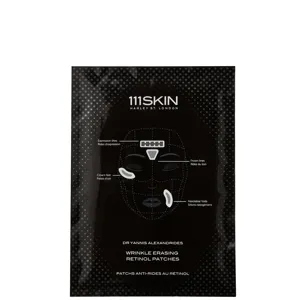
Retinol: helps signs of aging over time, but it can irritate if you overdo it. BeautyPro Retinol Under Eye Patch Under Eye Masks starts at $6.25 for three applications and targets fine lines and wrinkles with retinol and pro-youth ingredients. That price makes it easy to trial, but go slow.
Peptides + microneedle delivery: if you care most about smoothing texture, skyn ICELAND Dissolving Microneedle Eye Patches (from $18.00) pair peptides with 39% regenerative hyaluronic acid and self-dissolving microneedles for deeper-feel smoothing.
Product picks by goal (with tracked starting prices)
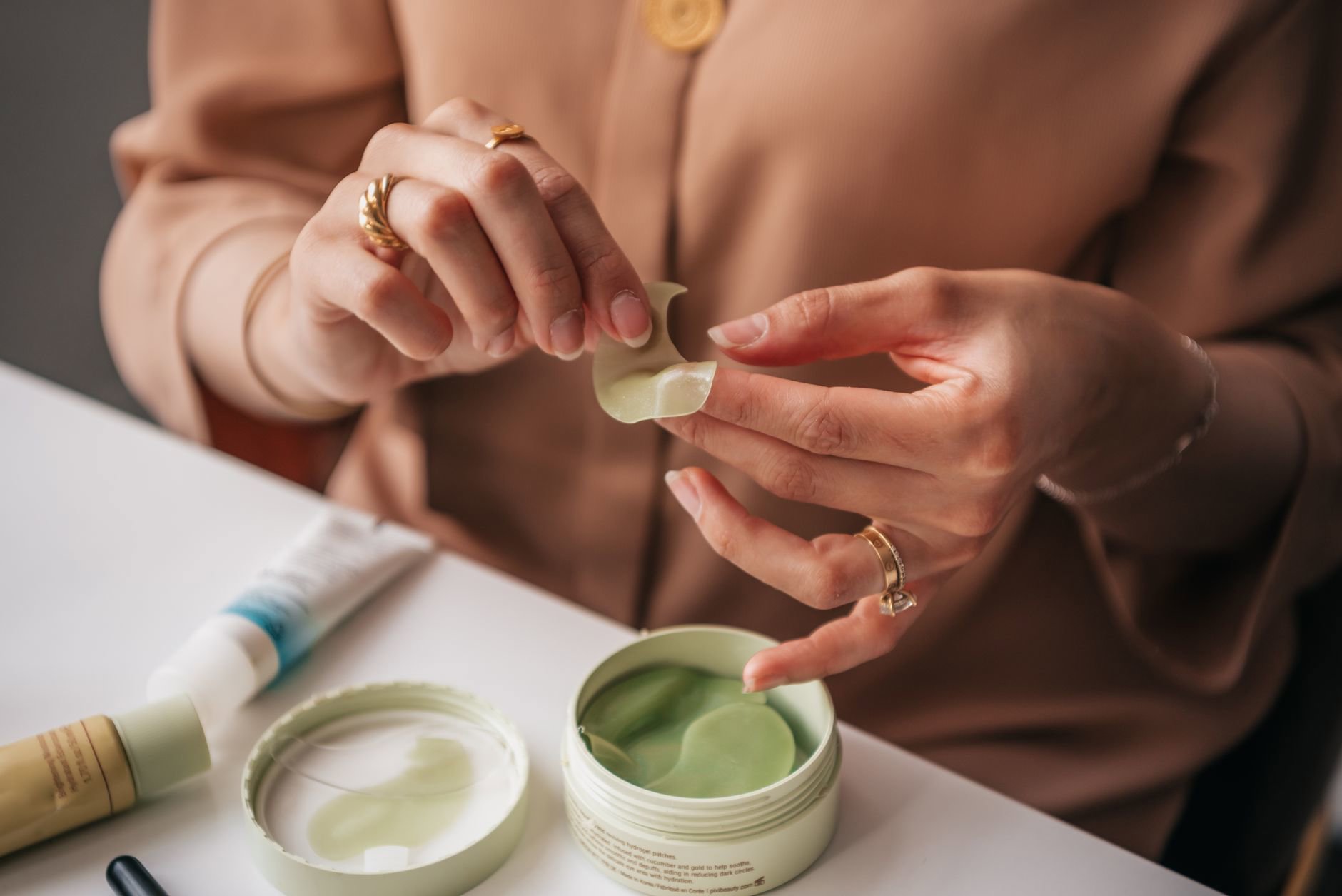
Below are eye-mask picks from the product list, mapped to the problems readers actually try to solve. We include the lowest price we see in our feed as a starting point, but retailer promos can swing the real total.
1) Fast de-puff for mornings
Hero Mighty Patch For Tired Eyes (from $14.99) suits a straightforward routine: cooling hydrogel, contoured fit, and a clear wear-time cue (30+ minutes). It also avoids “tiny patch” placement issues.
2) Puffiness + dullness from stress and fatigue
111SKIN Sub-Zero De-Puffing Eye Mask (from $13.92) calls out caffeine and a goal of re-energizing dull, lackluster skin. If your “dark circles” read more like tired tone than true pigment, this is the lane.
3) Hydration plump for fine lines
Peter Thomas Roth Water Drench® Hyaluronic Cloud Hydragel Eye Patches (from $55.00) targets moisture replenishment to soften and smooth while improving the look of fine lines and dark circles. Hydration-first products often pair best with concealer.
4) Brightening focus for dull under-eyes
Peter Thomas Roth Potent-C Power Brightening Hydra-Gel Eye Patches (from $65.00) use THD ascorbate vitamin C for a wide-awake illusion. Choose this when “dark circles” look more like surface dimness than deep blue tone.
5) Calming + relaxing when eyes feel strained
BeautyPro Warming Eye Mask Under Eye Masks (from $3.39) brings gentle heat and chamomile. Different tool, different moment. We’d put it after work, not before makeup.
6) Texture-smoothing with a more technical format
skyn ICELAND Dissolving Microneedle Eye Patches (from $18.00) target deep smoothing with microneedles that dissolve. These require careful placement and a light hand, but they serve a purpose that basic hydrogel cannot.
7) Premium splurge tier
ESPA Vital Nutrients Eye Contour Patches (from $71.00) position as isotonic hydra gel patches for brighter, plumped under-eyes. If your skin likes gel textures and you want a luxe ritual, this fits.
Luxury can also go very luxury. RéVive Masque Des Yeux Revitalizing Eye Mask starts at $156.40 and targets puffiness, fatigue, fine lines, and wrinkles.
Common mistakes that make eye masks underperform
Even a great patch can flop when application goes sideways.
Mistake: applying over slippery skincare. If you layer an eye cream, a serum, and then a patch, the patch can slide. Use a clean base, then patch, then tap in leftovers after removal.
Mistake: wearing patches until they dry out. Hydrogel that dries can feel tight and can leave the under-eye looking more creased. Set a timer.
Mistake: placing too close to the lash line. Products can migrate with body heat. Keep a small buffer so actives do not creep into the eye.
Mistake: using retinol patches too often. BeautyPro Retinol Under Eye Patch Under Eye Masks (from $6.25) can support fine-line goals, but irritation can worsen darkness. Start once a week.
Mistake: expecting them to fix structural circles. Hollowing and bone structure create shadow. Hydration patches can soften the look, but they won’t change anatomy.
Mistake: ignoring lifestyle triggers. Allergies, salt intake, and sleep position can undo a patch in one night. Eye masks work best as a boost, not a substitute for basics.
Practical tips to get better results starting today
Store de-puff patches in the fridge, not the bathroom cabinet. Temperature drop plus caffeine works well for morning swelling, especially in humid climates where fluid retention shows faster.
Use a “two-track” system. Pick one caffeine-forward option for mornings (like Peter Thomas Roth Cucumber Hydra-Gel Eye Masks at $20.75 or Hero Mighty Patch For Tired Eyes at $14.99), then keep one hydration or smoothing option for nights when the area looks crepey (like Peter Thomas Roth Water Drench® Hyaluronic Cloud Hydragel Eye Patches at $55.00).
For makeup days, remove patches, tap residue in, then wait two minutes before concealer. That short pause reduces pilling and helps the base grip.
If you shop by retailer tier, expect most premium patch jars at Sephora, Nordstrom, and Bluemercury, while value packs often show up at mass retailers. That split reflects price tier as much as brand strategy. GlamGeek’s price tracking helps spot when a higher-end jar drops near its typical promo floor, especially around major beauty sale windows.
Under-Eye Masks FAQ
Do under-eye masks actually help with puffiness?
Under-eye masks can visibly reduce puffiness for several hours, especially when they combine cooling and ingredients like caffeine. They work best for fluid-related swelling from sleep, salt, or allergies. Apply on clean skin, sit upright while they sit, and remove before the patch fully dries.
How long should you leave under-eye patches on?
Most hydrogel-style under-eye patches perform well in the 10–30 minute range, unless the brand states otherwise. For example, some products like Hero’s Mighty Patch for Tired Eyes support 30+ minutes. Avoid leaving patches on until they dry out, since that can make the area look tighter or creased.
Should you use under-eye masks before or after moisturizer?
Use under-eye patches on clean, dry skin first, then tap in leftover serum after you remove them. Applying patches over heavy moisturizer can cause slipping and reduce contact with the skin. If you use a cream-style eye mask, follow the product’s instructions since it functions more like a leave-on layer.
Can under-eye masks fix dark circles permanently?
Under-eye masks cannot permanently fix genetic dark circles or structural shadowing, but they can temporarily improve the look by hydrating, smoothing, and brightening surface dullness. Vitamin C and hydrating ingredients can help the area look more even, while caffeine can make tired-looking eyes appear less puffy.
How often should you use under-eye masks?
Many people get good results using under-eye masks 2–4 times per week, with extra use before events or after late nights. Daily use can work if your skin tolerates it and you avoid over-drying wear times. If you use retinol-based patches, start once weekly to reduce irritation risk.