
For dry skin, bath oil usually wins.
Most bubble baths rely on cleansing agents to make foam, and those can leave dry or sensitive skin feeling tighter after a soak. Bath oils, on the other hand, add lipids to the water and can leave a more comfortable, cushioned feel.
That said, a well-formulated bath foam can still work for dry skin if it includes skin conditioners and you use it strategically. The best choice comes down to how reactive your skin feels, how long you soak, and whether you want scent-first relaxation or skin-first comfort.
The basics: what bubble bath and bath oil actually do
Bubble bath (including “bath foam”) focuses on foam. To create bubbles, brands typically use surfactants—ingredients that lower water’s surface tension and help produce lather. Surfactants also lift oils and debris, which helps with cleansing. That cleansing effect can feel great on normal skin and less great on dry skin.
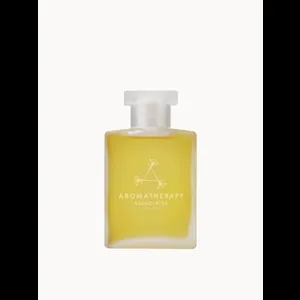
Bath oil focuses on slip and softness. Oils disperse across the water’s surface and can lightly coat skin as you soak. Many formulas also lean hard into aromatherapy, which matters because scent often drives why people take baths in the first place. With dry skin, the physical effect of oils matters more than the marketing language.
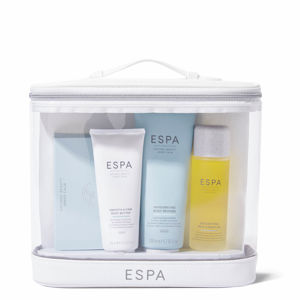
One more distinction: some products in our tracked set look like “bath oils,” but they also work as body oils. For example, ESPA lists multiple “Bath and Body Oil” options at $55, which signals a multi-use format and a higher price tier than most mass bubble baths you’d see at Target or CVS.
Heat changes the equation. Hot water increases water loss from the skin, even if you add an oil. So the product matters, but so does your bath temperature and soak time.
Dry skin science in the tub: why bubbles can sting and oils can soothe
Dry skin often means a weaker moisture barrier. When that barrier feels compromised, skin loses water faster and reacts more easily to fragrance and cleansing agents.
Bubble bath’s potential downside comes from the same thing that makes it fun: surfactants. Surfactants can disrupt the skin’s surface lipids, especially if you soak for a long time. That disruption can show up as tightness, itch, or that “squeaky” feeling that sounds clean but rarely feels comfortable on dry legs and arms.
Bath oils support comfort in a different way. Oils don’t “hydrate” in the strict sense, but they can reduce that stripped feeling by adding emollients and improving slip. In practice, that can make post-bath skin feel less papery, which matters if you live in a dry climate or you run indoor heat in winter.
Still, bath oil does not automatically equal sensitive-skin friendly. Essential oils and strong aromatherapy blends can irritate reactive skin. The ingredient type (aromatic oils vs richer carrier oils) and your dose both matter.
If your skin flares with fragrance, treat aromatherapy claims like you would treat Eau de Parfum Perfumes: pleasant, but not always compatible with sensitivity. A bath can feel soothing while still triggering redness later.
Ingredient checklist: what to look for (and what to avoid)
Because we track pricing and product listings across retailers, we also see a pattern: “sleep,” “destress,” and “detox” blends often use essential oils as the headline. That can be great for mood. It can also be the first thing sensitive skin objects to.
For dry skin, prioritize: oils and conditioners that support softness, plus formulas that avoid harsh cleansing. In the products below, we can only call out ingredients when the brand description provides them.
- Skin-conditioning oils in bubble formulas: Neom Organics London Real Luxury Bath Foam (from $28.00) highlights marshmallow, aloe leaf, coconut, and sweet almond as conditioners, plus 74% natural ingredients.
- Nut oils for softness: ESPA Detoxifying Bath Oil (from $55.00) notes sweet almond oil to nourish and soften skin while you soak.
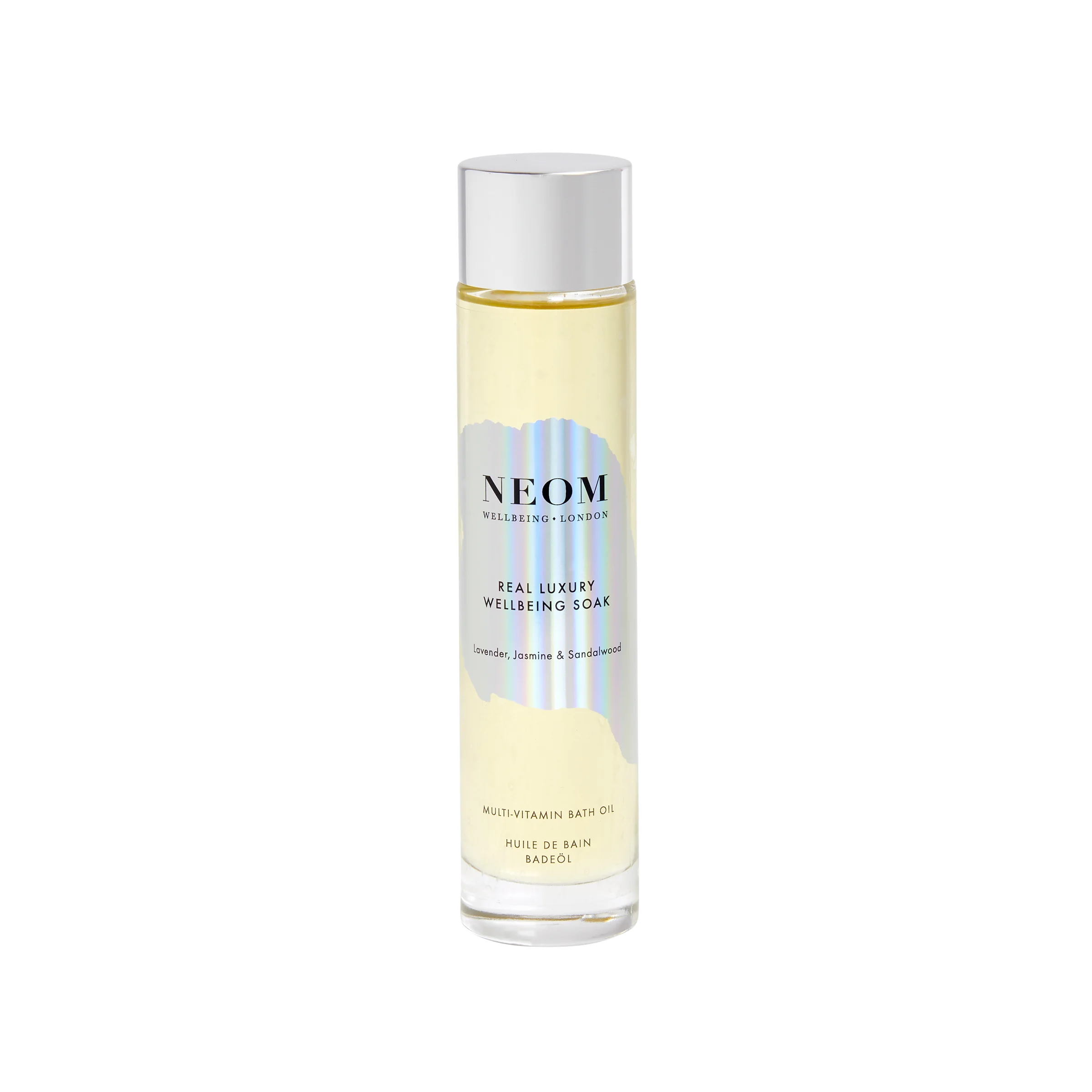
- Vitamin support in a bath oil format: Neom Perfect Night'S Sleep Bath & Shower Oil (from $28.00) positions itself as a “wellbeing soak” with 5 vitamins and 8 oils, plus a potent natural fragrance blend.
Approach with caution if you’re reactive: strong essential oil blends. They can smell fantastic, but they can also feel intense on sensitized skin. Examples include eucalyptus-forward blends like ESPA Connection Bath & Body Oil (from $55.00) with eucalyptus, clove bud, and lavender, or ESPA Energising Aromatherapy Single Oil (from $27.00) with peppermint, eucalyptus, and rosemary.
One more pitfall: “detox” language. It usually signals a scent profile (cypress, juniper berry) rather than a skin benefit. Our pick depends on how your skin behaves, not the vibe of the label.
Best picks for dry skin: bath oils that favor comfort
If dry skin drives your decision, start with bath oils. In our pricing feed, bath oils from ESPA cluster at $55, while NEOM’s bath oil sits closer to $28. That gap often decides the cart.
Best value bath oil for dry skin (price-to-ritual): Neom Perfect Night'S Sleep Bath & Shower Oil (from $28.00). The brand frames it as more than a bath oil, and the description calls out 5 vitamins and 8 rich oils. For dry skin, that “rich oils” detail matters more than the sleep angle.
Best classic aromatherapy bath oil (if your skin tolerates essential oils): ESPA Detoxifying Bath Oil (from $55.00). It includes sweet almond oil for softness and uses cypress and juniper berry for a deeply relaxing aroma. Expensive. Consistent.
Best uplifting mood blend in a bath-and-body oil: ESPA Positivity Bath And Body Oil (from $55.00). The signature blend features jasmine, gardenia, and rose geranium, with bergamot and sweet orange as bright accents. Dry skin often comes with “skin fatigue,” and a scent you actually like helps you stick with gentler routines.
Best for post-workout comfort (scent profile matters): ESPA Connection Bath & Body Oil (from $55.00) uses eucalyptus, clove bud, and lavender in an invigorating blend. We’d keep the dose light if you run sensitive.
Where to shop? These sit in the premium tier you’ll more often spot at Sephora, Nordstrom, or Bluemercury than at Target. When our price tracking shows wider promo swings, they often line up with big retail events, but the products themselves stay in the same luxury bracket.

When bubble bath can still work for dry skin (and how to do it)
Dry skin does not ban you from bubbles. It just changes how picky you need to be.
The bubble option in our top list that gives dry skin the best shot is Neom Organics London Real Luxury Bath Foam (from $28.00). The description highlights 74% natural ingredients and a conditioning mix: marshmallow, aloe leaf, coconut, and sweet almond. Those details suggest the formula tries to balance foam with comfort.
Technique matters as much as formula. Use fewer pumps than you think you need. Add it under running water to build foam faster, then stop. More product often means more surfactant sitting on skin for longer.
Also consider your bath goals. If you want scent and atmosphere, bubble bath gives you that immediate “spa” signal. If you want your legs to stop looking ashy, bath oil pulls ahead.
If you want to browse other brands for price comparison context, you can jump from ESPA to mainstream lines like Revolution in our directory. Just keep your expectations realistic: stocking at Ulta, Target, CVS, or Walgreens usually reflects the price tier as much as the formula style.
Aromatherapy oils vs bath oils: don’t mix them up
Some products people buy for “bath time” aren’t bath oils at all. They’re diffuser oils or essential oil blends designed to scent a room. They can still play a role in your routine, but they won’t replace a skin-softening soak.
ESPA Soothing Aromatherapy Single Oil (from $27.00) and ESPA Energising Aromatherapy Single Oil (from $27.00) both specify use with the brand’s Diffuser Pod. The soothing version lists rose geranium, orange, lavender, and palmarosa. The energising version lists peppermint, eucalyptus, and rosemary.
NEOM’s essential oil blends also center on diffuser use in their descriptions. Examples include Neom Scent To Sleep Essential Oil Blend (from $24.00) and Neom Scent To De-Stress Essential Oil Blend (from $24.00). These target mood and environment, not skin feel.
That distinction helps dry skin because it prevents a common mistake: adding concentrated essential oil blends directly to bathwater and hoping for softness. Essential oils can irritate, and they don’t disperse like a true bath oil formula.
If you want a scented bath and dry-skin comfort, choose a product that explicitly calls itself a bath oil or bath foam. Use diffuser blends for the room while the tub fills.
Budget and value: what our pricing data suggests
Across our merchant feed, the pricing bands for these bath products look clear:
- Premium bath-and-body oils: ESPA’s signature blend oils cluster at from $55.00, including Detoxifying, Positivity, Connection, and Fortifying Bath Oil (from $55.00).
- Mid-range bath experiences: NEOM’s bath formats sit at from $28.00 for both Perfect Night’s Sleep Bath & Shower Oil and Real Luxury Bath Foam.
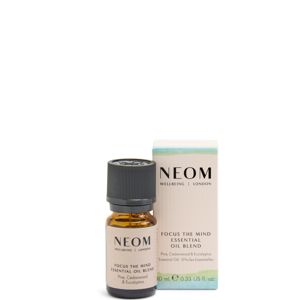
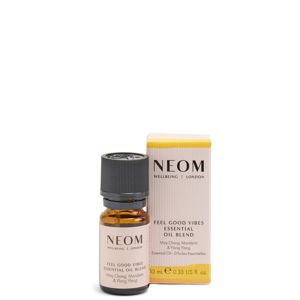
- Lower-cost scent add-ons (not skin treatments): NEOM’s essential oil blends range from from $13.35 for Wellbeing Focus The Mind Essential Oil Blend up to the mid-$20s for blends like Scent To Make You Happy (from $24.00) and Orange Blossom And Neroli (from $24.15).
- Mid-price scent profile options: Neom Tuberose & Cedarwood & Ylang Ylang Essential Oil Blend (from $17.50) and Neom Scent To Boost Your Energy Grapefruit, Mandarin & Eucalyptus Essential Oil Blend (from $21.00).
So what’s the “best” for budget? If you want the skin benefit, spend on a bath oil or a conditioning bath foam. If you only want scent, an essential oil blend can cost less, but it won’t solve dryness.
We also see shoppers treat bath oils like gifts. That makes sense because you’ll see them alongside Skin Care Sets in many retailers’ merchandising. Just don’t pay gift pricing when you want an everyday fix for flaky skin.
How to choose: a simple decision tree for dry or sensitive skin
Pick based on your skin’s behavior first, then your scent preference, then your budget. Not the other way around.
If you get tight or itchy after baths
Choose a bath oil format. Start with Neom Perfect Night'S Sleep Bath & Shower Oil (from $28.00) if you want a mid-range option, or step up to ESPA Detoxifying Bath Oil (from $55.00) if you prefer a premium aromatherapy profile with sweet almond oil.
If you want bubbles but your skin runs dry
Choose a conditioning foam and control dose and water temperature. Neom Organics London Real Luxury Bath Foam (from $28.00) gives you the bubble payoff while calling out soothing conditioners like marshmallow and aloe leaf.
If fragrance triggers you
Stay cautious with strong essential oil blends, even in bath oils. ESPA’s blends like Connection (from $55.00) include eucalyptus and clove bud, which can feel intense on reactive skin. If you still want scent, keep the dose smaller and shorten soak time.
If you mainly want mood support, not skin results
Use diffuser oils for the room and keep the bath product simple. Options include Neom Scent To De-Stress Essential Oil Blend (from $24.00), Neom Scent To Sleep Essential Oil Blend (from $24.00), or Focus The Mind (from $13.35). These target atmosphere, which can still make your routine feel worth doing.
One sentence rule: if the product description says “diffuser,” treat it like a home scent product, not bath skincare.
Practical tips: get a softer result tonight
Start with water temperature. Warm beats hot for dry skin. Hot baths feel comforting in cold weather, but they can leave skin drier afterward, especially in low-humidity climates.
Then use this quick method:
- For bath oil: fill the tub halfway, add a small amount of Neom Perfect Night'S Sleep Bath & Shower Oil (from $28.00) or an ESPA bath-and-body oil, then finish filling. This helps disperse the oil instead of letting it sit in one slick.
- For bath foam: add Neom Real Luxury Bath Foam (from $28.00) under running water, stop early, and let bubbles build. More foam product often means more dryness later.
- Keep soak time realistic: aim for 10–15 minutes if you run dry or sensitive. Long soaks can undo the benefit of a better product.
- Rinse strategy: if you used bubble bath, do a quick clean-water rinse at the end. If you used bath oil, skip a strong rinse so you keep more slip on skin.
Finally, treat your bath like part of your broader skin care routine. A bath oil can reduce that tight feeling, but your overall dryness still depends on frequency, water heat, and how your skin reacts to fragrance.
Want a sanity check? Compare two nights: one with bath foam, one with bath oil, same water temperature and same soak time. Dry-skin differences show up fast when you control the variables.
Bottom line: which is best for dry skin?
If dry skin drives the question, we’d choose bath oil most days.
For a mid-priced option with a strong “comfort soak” positioning, Neom Perfect Night'S Sleep Bath & Shower Oil (from $28.00) fits the brief. If you want a premium aromatherapy bath-and-body oil, ESPA’s $55 lineup gives you distinct scent directions like Positivity or Detoxifying.
If you refuse to give up bubbles, choose a foam that calls out conditioning ingredients, then use less than you think you need. Neom Organics London Real Luxury Bath Foam (from $28.00) stands out in this list for that reason.
Which camp are you in: bubbles for the vibe, or oils for the comfort?