Clinique didn’t just bring back a cult shade. It built a franchise.
Multiple US beauty outlets flagged the same move this week: Clinique has expanded Black Honey beyond lips, with launches positioned as “from your lips to your fingertips,” including nail polish. That’s not a random summer drop. Brands rarely broaden a hero shade into new categories unless they see reliable demand, repeat purchase behavior, and strong shade recognition on social feeds and in-store.
From a price-and-availability angle, shade franchising also changes how women shop: a “set” feeling emerges even when the products sell separately. That can push baskets up fast—especially at Sephora, Ulta, and department stores where add-ons feel frictionless at checkout.
This article breaks down what the Black Honey expansion means in practical terms: how to pick the right finish across lips and nails, how to avoid mismatched undertones, and which routine steps matter if you want that sheer, bitten-stain effect without spending like it’s a full collection drop every season.
Why Black Honey keeps getting franchised (and why nails make sense)
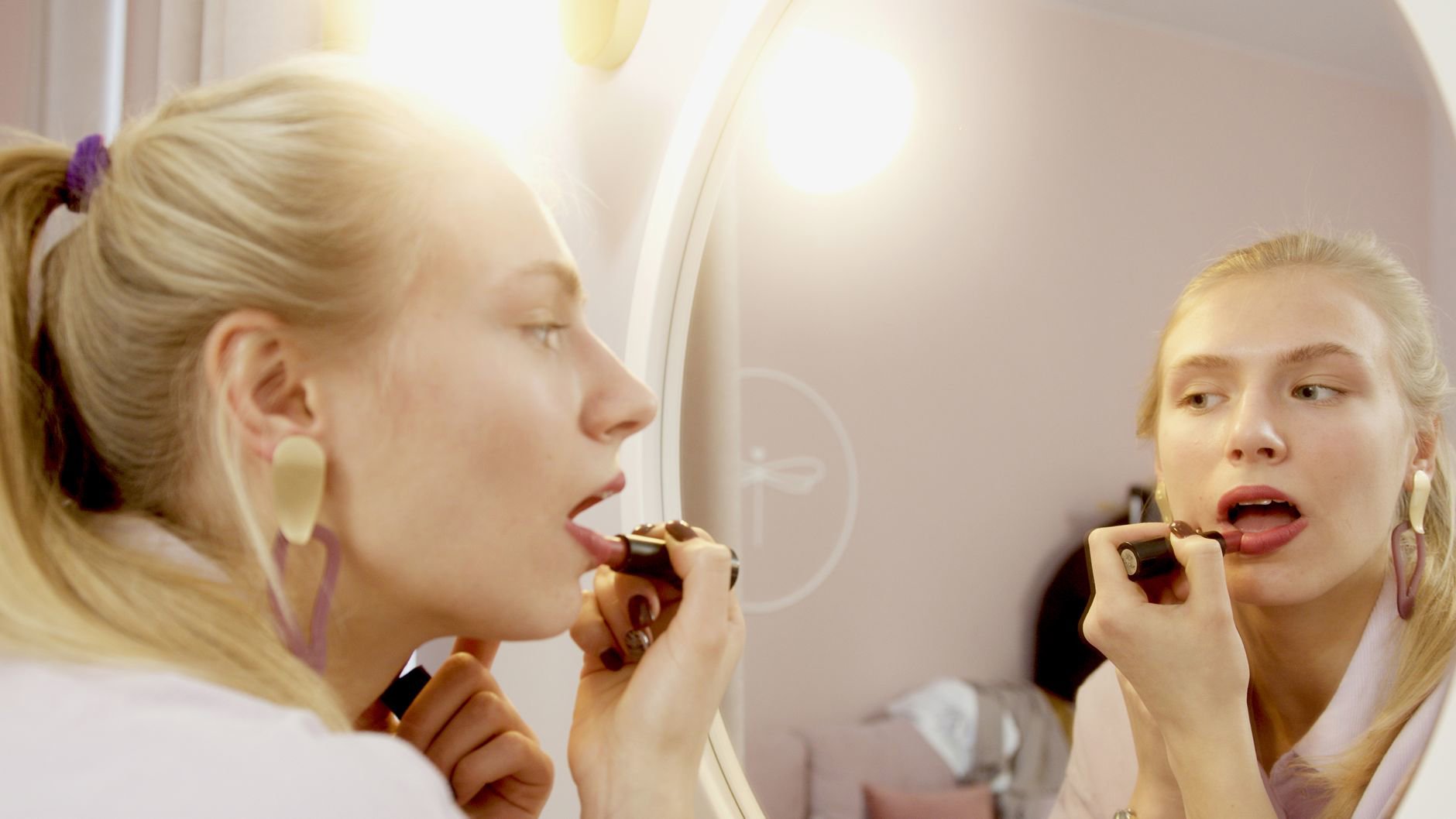
Black Honey works because it behaves like a “custom” shade without actually being custom. On lips, it reads as a sheer, deep berry-brown that shifts with natural lip color. That flexibility gives it unusually broad appeal across skin depths and undertones.
When a shade performs like that, brands can extend it into adjacent categories with less risk. Nails sit at the top of that list. Nail color already lives in the “one shade, many moods” space: sheer washes, jelly finishes, and translucent stains all sell well when the shade story feels wearable.
We also see a second reason in the market: women keep asking for easy coordination. A single shade that can tie together lips, cheeks, and nails supports the bigger “skinimalism” trend that trade outlets have tracked for 2026—fewer steps, fewer decisions, and fewer products that only work in one look.
Clinique also benefits from a simple distribution story. Black Honey already has shelf space and a search footprint. Adding nail polish can piggyback on that demand rather than fighting for attention as a brand-new color line.

How to choose your Black Honey finish: sheer, glossy, or stain
“Black Honey” describes a color family more than one exact finish. That matters because nails behave differently than lips. A shade that looks softly translucent on lips can read darker and more opaque on nails if the formula builds quickly.
Start with the effect you want, not the product name.
- Sheer wash: Best if you want a low-maintenance manicure that grows out softly. Look for a jelly or translucent look, and plan on 1–2 thin coats.
- Glossy berry-brown: This reads more “polished” and can look more evening-leaning. Use 2–3 coats, plus a high-gloss top coat.
- Stained bitten tone: On lips, this is the classic Black Honey vibe. On nails, you mimic it with very thin coats and a blurring base coat.
- Deep, near-oxblood: If you want drama, you’ll probably build to opacity. Expect a darker result than the lip version.
Undertone matters too. Black Honey’s appeal comes from balance: it can lean warm (brown) or cool (berry) depending on what sits underneath. If your lips have strong natural pigment, the lip product often looks brighter; on nails, your nail bed can skew it more brown or more plum.
Tip that saves regret: if the nail polish looks too brown on your hands, pair it with a slightly cooler lip liner or a berry gloss so the overall look stays intentional. If it looks too plum, warm up cheeks with a bronzy blush instead of a cool pink.
Make the “lips to fingertips” look actually match (without buying everything)
The easiest way to get the coordinated Black Honey look is not to match colors perfectly. It’s to match depth and sheerness.
Perfect matching often fails because each surface reflects light differently. Lips have moisture and movement. Nails have a flat reflective plane. A shade that looks subtle on lips can look more intense on nails even with the same pigment family.
Here’s the practical approach we recommend for a cohesive set vibe:
- Pick one “hero” zone. If you want the nails to stand out, keep lips sheer. If you want the lips to carry the look, keep nails as a translucent wash.
- Use a bridging tone on cheeks. A neutral-berry blush (not too pink, not too terracotta) helps the look read coordinated rather than accidental.
- Keep your eye look soft. A wash of taupe or bronze works better than high-contrast black liner if you want that effortless Clinique vibe.
- Choose your finish intentionally. Pair glossy lips with a glossy top coat, or pair balm lips with a satin nail finish. Mixed finishes can work, but they look more “styled,” less minimalist.
If you want to shop adjacent categories without locking into one brand, this is where browsing by category helps. On GlamGeek, it often makes sense to compare within Lipsticks and Lip Glosses first, then decide whether the nail add-on still feels necessary.
Clinique’s move also signals something else: women still want “icon” shades, but they want them in modern textures. Expect more legacy brands to extend one hero color into multiple formats this year.
Glazed skin plus Black Honey: the 2026 combo that keeps winning
Black Honey’s sheerness pairs naturally with the “glazed skin” look that keeps cycling through US beauty coverage. The trick is to build glow in layers so you don’t end up shiny in the wrong places—especially in humid climates or in a long wear day.
We’d build it like this:
- Hydration first: Use a lightweight hydrating layer, then seal with a moisturizer that matches your climate. Women in dry western states can handle richer creams; women in humid areas often prefer gel-cream textures.
- Targeted glow: Put luminous products on high points only (tops of cheekbones, bridge of nose). Skip glow on textured zones if you hate emphasizing pores.
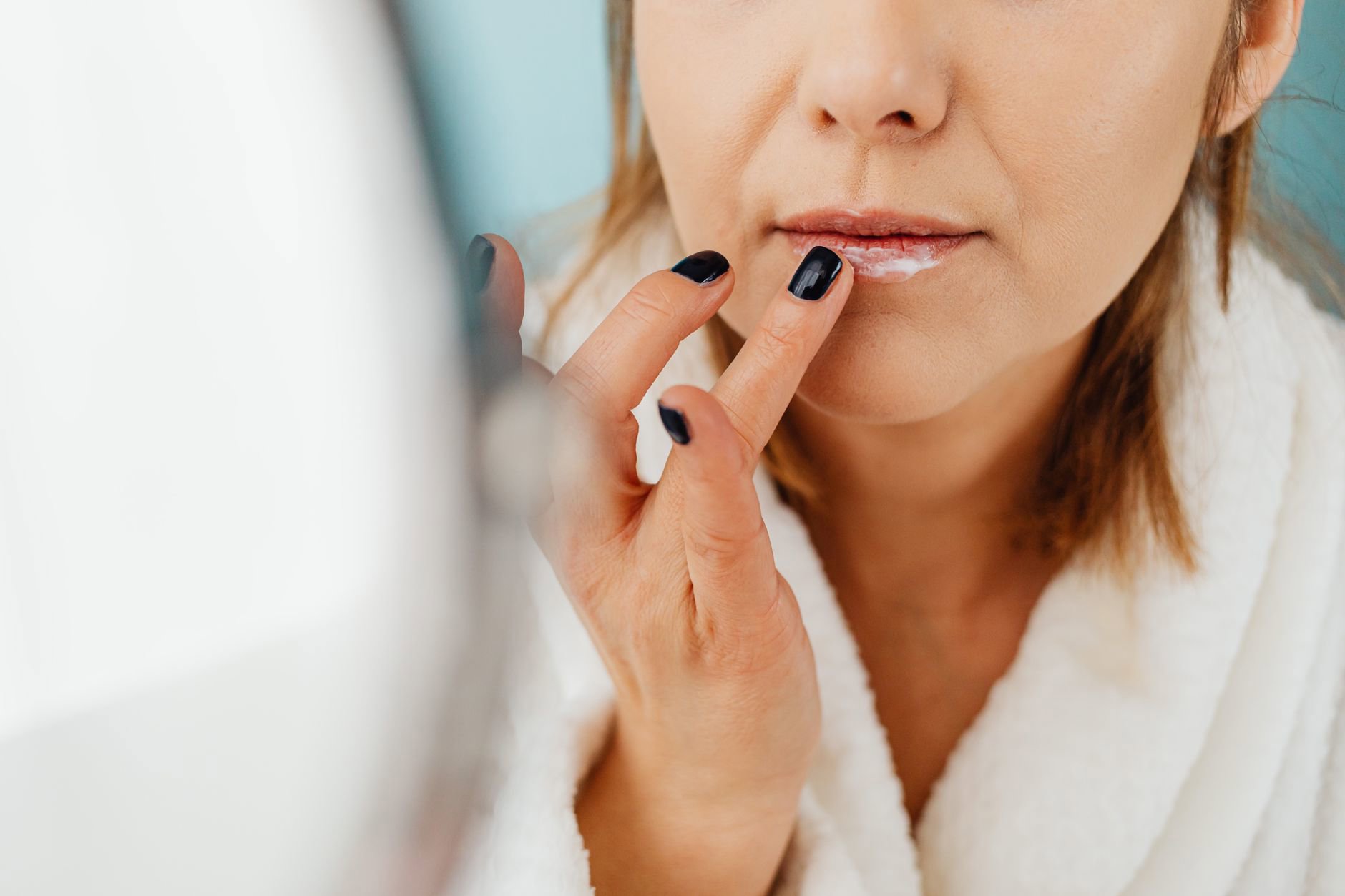
- Sheer lip color last: Black Honey-style shades look best when the rest of the face reads fresh and not heavily powdered.
If you want a data-backed example of how mainstream brands chase this glow-meets-sheer trend, our price tracker shows L'Oréal Revitalift Filler Plumping Water-Cream Micro-Epidermic Hyaluronic Acid dropped to $13.79 (from $29.89) at lookfantastic this week. That’s not a Clinique dupe, but it shows how aggressively big brands price hyaluronic “plumping” moisturizers when glow trends spike.
And if you tend to collect glow products, set a rule: one hydrating serum, one moisturizer, one glow base. More than that, and the “glazed” look can slide into pilling or makeup separation—especially under sunscreen.
Don’t let a shade franchise turn into a 6-step cart
Shade expansions trigger a familiar shopping pattern: “If I’m buying the lip, I might as well add the nail… and maybe the cheek… and a matching liner.” That’s how a $25-ish idea turns into a $100+ cart fast at Sephora or Nordstrom.
Instead, treat Black Honey as a single-anchor purchase and build around it with what you already own.
Here’s a simple decision tree that keeps spending tight:
- If you already own a sheer berry lip: buy the nail polish only if you genuinely want a coordinating manicure. Otherwise, skip.
- If you don’t own any sheer berry: buy the lip product first. Wear it for two weeks. Then decide if you still crave the nails.
- If you want the “set” look for events: consider a temporary solution like a berry-toned lip stain plus a salon manicure in a similar jelly shade, instead of buying multiple products.
- If you love collecting: set a “one per category” cap. One lip, one nail, one cheek. No doubles until you finish something.
Women also get more value when they spend on tools, not just color. A good brush makes whatever blush you already own look more expensive. In our merchant feed, the NYX Pro Multi-Purpose Buffing Brush shows up as a low-price, high-rated option at lookfantastic—listed at $12.08 (rating 5.0/5) and also at $16.10 (rating 5.0/5). When we see the same tool with two tracked prices in the same week, we treat it as a cue to compare listings before checkout rather than assuming the first price is the best.
If you want to browse more options, our Makeup Brushes & Applicators category is where we’d start, because tools tend to outlast trend cycles.
Ingredient reality check: glow, exfoliation, and irritation risk
Black Honey itself sits in the color lane, but the current trend stack around it often includes exfoliants, retinoids, and “brightening” serums. That’s where women can accidentally overdo it—especially in summer when sunscreen becomes non-negotiable.
Our price tracker shows several active-heavy skincare drops this week that align with what women keep getting marketed:
- Garnier 3.5% Vitamin C, Niacinamide, Salicylic Acid, Brightening And Anti Dark Spot Serum fell to $6.88 (from $16.09) at lookfantastic.
- L'Oréal Paris Bright Reveal Dark Spot Exfoliant Peel For Face 25% Aha + Bha + Pha And Niacinamide dropped to $18.39 (from $36.79) at lookfantastic.
- L'Oréal Revitalift Laser Pure Retinol Night Serum also dropped to $18.39 (from $36.79) at lookfantastic.
Those are strong actives at unusually aggressive prices. That’s good for budgets, but it raises the stakes on usage. Women don’t need multiple exfoliating products plus retinol in the same week.
We’d keep it simple:
- If you use retinol: don’t stack it with a high-percentage acid peel on the same night.
- If you want brighter skin: pick one lane—vitamin C/niacinamide for daily support, or acids 1–2 nights a week.
- If you chase glazed skin: prioritize barrier-friendly hydration. Over-exfoliated skin can look shiny but feel tight and react under makeup.
- Always pair actives with sunscreen: keep an SPF you’ll actually reapply in rotation. Our SPF Protection Products page helps you compare formats and prices.
For women who like drugstore-leaning routines, it’s worth browsing brand pages like Garnier and L'Oréal to compare which “brightening” products rely on similar ingredient stories, then choosing based on tolerance and schedule rather than hype.
If you have sensitive or eczema-prone skin, the nails-and-lips trend needs tweaks
Trend coverage rarely mentions the unglamorous part: lips and nails often sit at the center of irritation issues. Lips react to fragrance and flavoring. Hands react to solvents, frequent washing, and cuticle damage.
If you know you run sensitive, adjust the “lips to fingertips” plan instead of forcing it.
On the skincare side, our tracker shows Eucerin Atocontrol Balm at $280.00 at Dermstore, which marks a 12-month low in our feed. That price reflects a specific listing and size context, so women should still sanity-check what they’re buying. The broader point stands: barrier-care products can swing wildly in price by retailer and format, and “sensitive skin staples” don’t always stay cheap.
On the nail side, reduce the risk with technique:
- Use a base coat to reduce staining, especially with deep berry-brown pigments.
- Keep coats thin so polish cures properly and chips less (chipping invites picking).
- Oil the cuticles daily and use hand cream after washing. Dry cuticles make any manicure look rough fast.
- Take breaks if your nails peel. A trend manicure should never cost you weeks of recovery.
If you want to round out body care while you’re focusing on hands, our Body Creams category can help you compare richer textures that support nails and cuticles indirectly by reducing overall dryness.
What this means for US beauty shopping right now
Clinique expanding Black Honey into nail polish signals that “icon shade” marketing still works—especially when the color behaves like a wearable neutral. Women can expect more of this: one shade, multiple products, and a push to collect the whole story.
The smart response isn’t to avoid it. It’s to shop it like a strategist. Buy one anchor product, then build the look with technique and finish choices, not a full cart. When you do want to add skincare to support the glossy, healthy-skin vibe, let price data steer you toward value. Our merchant feed shows real volatility this week in active-heavy products, including Garnier’s serum at $6.88 and L’Oréal’s retinol serum at $18.39. Those are moments to compare, not impulse-buy multiples.
And remember the retailer tier effect. Sephora and Nordstrom tend to make franchise launches feel like collectibles. Target, CVS, and Walgreens tend to compete on routine basics. Mixing tiers often gets women the best outcome: spend on the one color you love, then keep the support routine cost-effective.
Sign-off: are you buying the nails, or keeping it lip-only?
Are you tempted by the full “lips to fingertips” Black Honey look—or does it feel like a clever way to turn one cult shade into five purchases?
If you tell us your skin tone depth (light/medium/deep) and undertone (cool/warm/neutral/olive), we’ll point you toward the easiest way to make the shade work across lips and nails without overbuying.