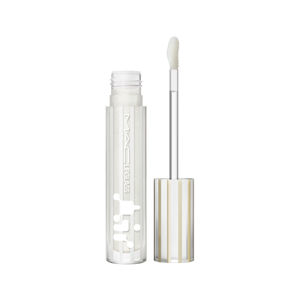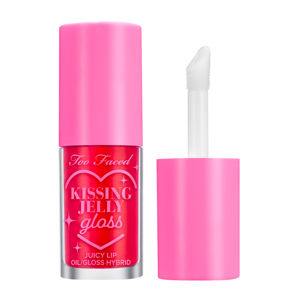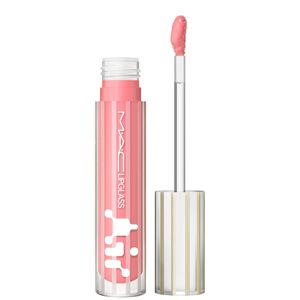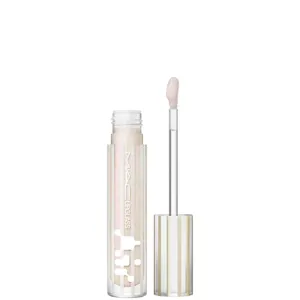
We track price changes and product interest across major U.S. retailers, and lip gloss sits near the top for repeat buys. That pattern says something. Gloss gets opened, swiped on, tossed in bags, and re-opened again. It lives a fast life. Which raises a simple question with real consequences for your lips: does lip gloss expire?
Short answer: yes. And most glosses won’t last as long as a bullet lipstick. The formula, the wand, the cap, and even your climate all play a role. You can push a gloss past its prime, but the texture, scent, and safety won’t hold. Knowing the shelf life and the red flags will save you money and avoid irritation.
We also see a second pattern in our data. Confusion. Shoppers ask about separation, strange smells, and tingling that wasn’t there before. The good news: you don’t need guesswork. You can read your gloss like a label.
Context: What brands disclose, what they don’t, and how long gloss actually lasts
U.S. law doesn’t require an expiration date on most color cosmetics. Many brands print a Period After Opening (PAO) symbol instead. It looks like a small open jar with a number inside. 6M means six months after first opening. 12M means a year. That symbol tells you how long the formula stays safe and stable after air and applicators touch it.
Gloss behaves differently from lipstick because the base differs. Many lipsticks carry more waxes and powders, which resist microbial growth. Many glosses contain oils, esters, polymers, and sometimes water. Water and flavor systems raise the risk of contamination. Preservatives work hard, but they don’t last forever.
Packaging matters too. A squeeze tube limits backflow. A doe-foot wand dips into the formula every time and brings air and mouth flora with it. Over months, that cycle changes the texture and the scent. You might notice stringiness, clumping, or a crayon-like odor from oxidized oils.
Climate makes a difference. A hot car in Phoenix can cook a gloss in a single summer. A damp bathroom in Miami can stress the preservative system. Cold New England winters thicken viscous formulas, then thin them again at room temp. Repeated swings speed up breakdown.
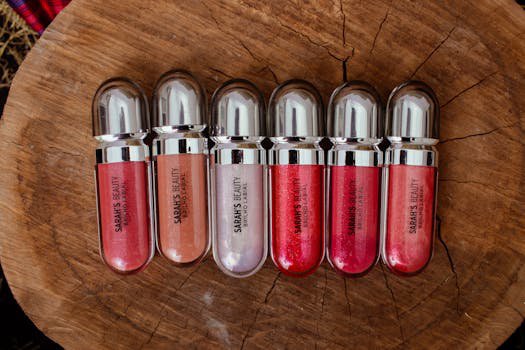
{{IMAGE:close-up of open lip gloss tubes and PAO symbols}}Why lip gloss expires: the chemistry, the applicator, and real-life use
Lip gloss lives on the edge of comfort and shine. Brands suspend pigments and shimmer in a blend of oils, emollients, and film-formers. Some add humectants. Others add water to adjust slip or feel. That balance looks great on lips. It also creates a lab for change once you open the cap.
Oils oxidize when exposed to air and light. Unsaturated plant oils react faster. That reaction produces off odors and shifts in texture. The slick glide you loved can turn gummy. Clear gloss can cloud. Pigmented gloss can look dull or patchy.
Every dip of a doe-foot wand collects saliva, skin cells, and whatever touched your mouth that day. Preservatives hold the line for a while. But each use adds a little more to the mix. Over time, that leads to separation, graininess, and in worst cases, visible spots.
Fragrances and flavor oils also change. Citrus notes can fade fast. Vanilla can sour. A gloss that once smelled faint and sweet can turn sharp or waxy. That is a sign of oxidation or preservative drift, not a quirk to ignore.
Shelf life by type and packaging: what lasts longer, what doesn’t
Not every gloss clocks the same lifespan. The format and the formula set your baseline before you even open it. Then your habits either support or shorten that shelf life.
Wand glosses: Expect 6 to 12 months after first open. The applicator re-enters the tube and carries air and microbes with it. High-shine, cushiony textures feel lush because of the emollient load, but they also oxidize faster. If your tube lists a 6M PAO, take it seriously.
Squeeze tubes: Expect closer to 12 to 18 months after first open, as long as the formula sits in an air-limited tube and you don’t touch the tip to your lips. If you do touch the tip, treat it like a wand. Wipe the nozzle regularly.
Oil glosses and lip oils: Oil-based formulas can last, but the type of oil matters. Highly unsaturated oils (like some seed oils) go rancid faster. Brands often add vitamin E to slow that process. Once opened, plan on 6 to 12 months unless the brand sets a different PAO.
Plumping glosses: Spicy actives like capsicum or menthol can weaken with air and light. The tingle often fades well before the gloss spoils. Still, treat the preservative window the same. Opened is opened.
“Clean” or minimalist preservative systems: These can feel great, but they may have shorter PAO periods. Watch the jar symbol and date your first use. If the PAO says 6M, don’t stretch to two years.
Clear signs your gloss has turned: the red flags you can trust
You don’t need a lab to spot a spent gloss. Your nose, eyes, and the way the applicator pulls product tell a clear story. When in doubt, err on the side of caution. Lips have thin skin and show irritation fast.
- Rancid or crayon-like odor. Fresh gloss smells neutral or lightly scented. Stale oils smell like old crayons or cooking oil. That smell means oxidation.
- Texture strings or clumps. When you pull the wand out and see long strings, the polymers may have changed. Clumping on the doe-foot also points to breakdown.
- Separation that won’t mix. A little settling can happen in clear oils. Vigorous rolling should bring it back. If it stays split, the emulsion likely failed.
- Color shift. Milky cloudiness in a clear gloss, or a deeper brown cast in a pink gloss, both signal change. Pearls can dull and look muddy.
- New stinging or irritation. Plumping tingles feel predictable. Random burn or itch does not. That can indicate contamination or a sensitized fragrance.
- Visible particles or spots. Any dots that weren’t shimmer belong in the bin. Don’t scrape them out and keep going.
One more cue: if the cap threads feel gritty or gunky and the rim collects residue, the environment inside the tube won’t improve. Clean rims help, but heavy buildup suggests a tired formula.
Hygiene and storage that matter: small habits with big impact
Gloss ages faster in heat, humidity, and bright light. It also ages faster with rough handling. You can’t turn a 6M PAO into 24M, but you can avoid early spoilage with a few simple steps.
- Keep caps tight. Air exposure speeds oxidation. Close the cap until it clicks or you feel full resistance.
- Skip pumping the wand. Pumping pushes air in and dries the neck. If product sits near the rim, swipe the neck clean, not the wand.
- Store cool and dark. A handbag is fine. A hot car is not. Bathroom shelves near showers invite steam and fluctuating temps.
- Wipe applicators. If a doe-foot touches food, sunscreen, or a cold sore, wipe it with a clean tissue before re-dipping. Do not soak it in alcohol. That can damage fibers and compromise the formula.
- Use disposable applicators with clients or friends. Sharing gloss raises risk. If you must share, use single-use wands and squeeze a small amount onto a palette.
Travel adds stress too. Cabin pressure can force product into the cap. Keep gloss upright in a pouch. Wipe the rim after flights to avoid a sticky seal that traps air pockets.
Keep or bin? Make the call with zero guilt
We see shoppers hold on to a beloved discontinued shade long past its best days. Sentiment makes sense. Your lips won’t thank you. Here’s a simple decision tree that keeps it practical.
- Within the PAO window and looks, smells, and feels normal? Keep using it.
- Past the PAO but still normal and stored well? Use only if you accept the risk and monitor closely. We’d replace it soon.
- Any red flag from the list above? Bin it. Don’t try to salvage it with oil or heat. You can’t fix a broken preservative system.
- Recent cold sore or oral infection? Replace any gloss you used during the outbreak, especially wand formats.
- Shared at a party or event? If you dipped the same applicator back into the tube, consider that tube a write-off.
Still unsure? Check the PAO symbol, then search the product page on GlamGeek. Our community notes often flag real-world timing for specific formulas. Add the gloss to your wishlist so we can ping you when the next restock or price drop lands. That makes letting go easier.
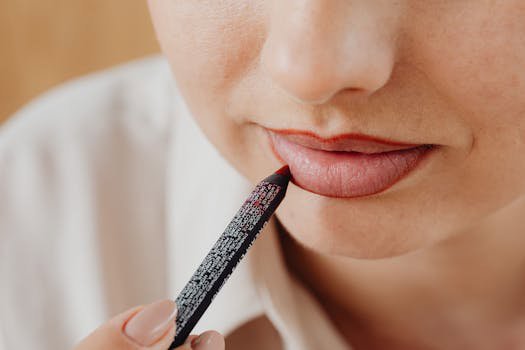
{{IMAGE:woman applying lip gloss in natural light}}Stretch the life of your gloss: practical moves that work
Small changes add months of happy wear, without crossing the safety line. You don’t need special tools. You need consistency.
- Label the open date. Use a fine-tip marker on the tube or a small sticker. Note the month and year. The PAO then means something tangible.
- Rotate two glosses, not eight. Big collections stall in drawers and age out. Keep a clear everyday pick and a tinted one in play. Store the rest cool and closed.
- Favor squeeze tubes for gym bags and cars. They limit backflow. Still, avoid leaving any gloss in a hot car.
- Clean the neck. Once a week, twist a tissue around the rim to remove residue. A clean seal reduces air leaks.
- Decant for events. If you touch up others, decant a small amount to a palette and toss leftovers. Don’t backfill the tube.
We also suggest a seasonal edit. Summer calls for SPF lip products and lighter layers. Winter calls for richer textures. Storing off-season items away from heat and light preserves their shelf life.
Ingredients that age fast (and slow): read the label like a pro
Every ingredient brings strengths and trade-offs. If you shop with aging in mind, you can pick a gloss that better fits your habits and climate. No chemistry degree required.
- Highly unsaturated plant oils (like some seed oils) feel plush but oxidize quickly. Expect faster scent changes in heat.
- Castor oil and hydrogenated polyisobutene deliver cushion and resist oxidation. These can smell stable longer.
- Vitamin E (tocopherol) and certain antioxidants slow rancidity. They don’t replace preservatives, but they help guard oils.
- Fragrance and flavor oils can sensitize as they oxidize. If you have a history of irritation, pick unscented or lightly scented options.
- Paraben-free formulas often use phenoxyethanol or organic acids. These systems work well but may carry shorter PAO. Follow the printed guidance.
- Water in the first few ingredients suggests an emulsion. Emulsions feel silky and can support skincare actives. They also rely on strong preservation.
Ingredient literacy also helps with “off” signs. If you see mica and bismuth oxychloride high on the list, shimmer drives the look. Dullness over time suggests binder change, not pigment fade. If you see capsaicin or menthol, expect plumping tingle that can taper before the base goes bad.
Product examples and smart shopping across price tiers
Different brands use different approaches to shine, slip, and preservation. We see wide adoption of non-sticky polymers and skin-care crossovers. That influences shelf life and signs of aging.
Classic wand gloss with high shine: MAC Lipglass remains a reference point for lacquered shine. Expect a 6M to 12M PAO once opened. Keep that wand clean and capped tight, and it performs well within that window.
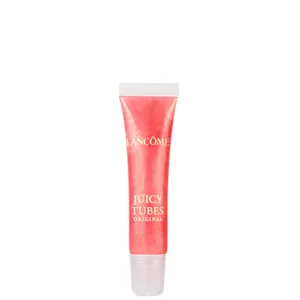
Squeeze-tube throwback that still sells: Lancf4me Juicy Tubes protect the product from repeated backflow. The format helps stability as long as you avoid touching the tip to your lips. Wipe the nozzle if it does.
Gloss-oil hybrids with skincare lean: Clarins Lip Comfort Oil feels plush and brings plant oils. It rewards cool, dark storage and a steady cap. Rotate it seasonally to keep the scent true.
Hydrating glossy balms: Tarte Maracuja Juicy Lip sits between balm and gloss. The stick format means less backflow than a wand, but the emollient load still oxidizes. Treat it like a gloss for timing.
High-shine, trending shades at mid price: Clinique Pop Plush and Charlotte Tilbury Collagen Lip Bath serve comfort and shine with brush or wand. Respect the PAO, especially if you reapply many times a day.
Affordable picks that cycle shades often: Revolution and KIKO stack gloss launches each season. The price makes replacement easier. Use our Lip Glosses category to compare finishes and see what’s in stock now.
Drugstore stalwarts: L'Ore9al glosses pop up at Target, CVS, and Amazon. Formulas vary by line. We track prices across those retailers so you can catch a deal without store-hopping.
House brand basics: Sephora Collection often mirrors higher-end textures at lower prices. If you like to swap colors with the seasons, this tier keeps replacement affordable.
Whichever way you go, check the PAO and plan your rotation. On GlamGeek, add shades to your wishlist and turn on price alerts. We scan Sephora, Ulta, Nordstrom, Target, and Amazon so you don’t have to. You’ll spot a fresh tube at a fair price the moment you need it.
Myths to skip: hacks that don’t work and what to do instead
We still see advice that hasn’t aged well. Most hacks try to “fix” texture or smell. They don’t address why a gloss went off. Worse, they can contaminate or destabilize a borderline tube.
- “Microwave it for a few seconds.” Don’t. Heat speeds oxidation and can warp packaging. It won’t re-emulsify a broken base in a safe way.
- “Add a drop of oil.” Extra oil can thin texture, disrupt the preservative balance, and mask a rancid scent. It doesn’t make old gloss safe.
- “Add rubbing alcohol to kill germs.” Alcohol can ruin the emulsion, weaken applicator fibers, and change the solvent balance. It also doesn’t reach microbes evenly inside thick gloss.
- “Stick it in the freezer.” Freezing can cause permanent separation and can crack packaging. Cold storage can slow aging, but freezing isn’t controlled cold.
- “If it looks fine, it is fine forever.” It’s not. Preservatives lose power over time. Respect the PAO, even if everything seems normal.
If you want a thinner texture or more slip, buy a gloss made for that feel. Our Lip Glosses hub lets you filter by finish and brand, from shimmer to glassy wet. Add your picks to a wishlist and we’ll flag stock changes and promos.
Travel and seasonal rotation: when and how to switch out
Warm weather pushes glosses hard. Beach bags trap heat. Sunscreen rubs onto applicators. Sand sneaks into caps. Winter brings heaters and dry air that thicken viscous bases. Plan your swaps.
- Summer set: Keep one squeeze-tube gloss for the beach, and store it in shade. Pair it with an SPF lip balm from our SPF Protection Products category for real UV protection.
- Event kit: Decant a small amount for touch-ups. Toss leftovers. Don’t double dip.
- Winter set: Richer oil or gloss-oil hybrids feel cushier in dry air. Keep the tube warm in a coat pocket before opening to avoid cold-thickened strings.
- Travel pouch: Place glosses upright in a sealed bag to prevent cap leakage from pressure changes. Wipe rims on arrival.
Seasonal rotation also fights clutter. If you only keep two or three open at a time, you’ll hit the PAO window easily. Everything else can rest unopened in a cool drawer, ready for a fresh start.
What this means for your makeup bag
Gloss expires, and it does so faster than many other lip formats. That doesn’t make gloss fussy. It just means you win when you buy with a plan. Choose formats that fit your habits. Track open dates. Replace without guilt when the signs appear.
When you shop, use data to your advantage. Our product pages show shade availability, community notes, and current retailer listings. Add your picks to a wishlist and let price alerts do the work. We watch Sephora, Ulta, Target, Amazon, and Nordstrom every day. You get the nudge when it’s time for a safe, fresh tube.
Quick reference: your no-guesswork checklist
- Check the PAO symbol before you buy. Plan to use it up within that window.
- Write the open date on the tube. Rotate two active glosses at most.
- Store cool and dark. Keep caps tight. Don’t pump the wand.
- Trust your senses. Off smell, stringy texture, new stinging, or spots? Bin it.
- After illness or a cold sore, replace any gloss used during the episode.
- Don’t share wands. If sharing happens, use disposable applicators and don’t re-dip.
- Skip microwave, added oils, alcohol, and freezer “fixes.” Buy fresh instead.
- Shop smarter. Compare finishes and retailers on our Lip Glosses page and set price alerts.
One last tip for finish lovers: if a high-shine lacquer is your signature look, consider keeping a backup sealed in a drawer. Rotate it in when your current tube hits the end of its PAO window. We can track stock for shades that sell out often, especially from brands like Charlotte Tilbury, MAC, and Clinique.
We rate a fresh, safe gloss over a “vintage” tube every time. Lips first. Shine second. The good news is you can have both.
How do you manage your gloss rotation? Do you stick to one or two shades, or swap by season? Tell us what you look for in a fresh tube, and which formats you finish before the PAO runs out.