TikTok can sell a “hack” faster than a dermatologist can say “patch test.”
Across our beauty price tracker, we see the same pattern after viral moments: sudden sell-outs of a single ingredient, then a wave of returns, then price volatility as retailers restock. That kind of churn doesn’t happen when a routine makes sense long-term.
So we’re taking a stance: most viral skincare hacks fail because they ignore skin biology and dosage. The smarter move isn’t to swear off trends. It’s to learn a quick filter that tells you what to skip, what to modify, and what to replace with something safer.
Why the “hack economy” keeps producing irritated skin
Several recent headlines have circled the same issue from different angles: questionable DIY tricks (like baking soda), “wild” BeautyTok tips, and eczema “hacks” that sound soothing but often backfire. The common thread isn’t that women can’t handle actives. It’s that the internet keeps stripping context away from ingredients.
Skin works on gradients. Concentration, pH, delivery system, and frequency matter as much as the star ingredient. A trend clip rarely covers those details, because details don’t go viral.
Our pricing data backs up the behavior cycle. When a hack spikes attention, shoppers swarm one hero product type—often acids, exfoliants, or “detox” cleansers. Then the market corrects as irritation stories spread. You end up paying more, then using less, then buying a repair cream to fix the damage. Not a win.
If you want the best outcomes for your skin and your budget, you need a set of rules that works regardless of platform trends. The rest of this guide gives you that checklist, plus safer, buyable swaps that fit US retailer reality (Sephora and Ulta for prestige, Target/CVS/Walgreens for quick basics, and online players like Dermstore).
The 60-second checklist we use to judge any viral skincare tip
When a hack pops up, we run it through a short screen. It saves time, money, and flare-ups.
Rule 1: If the hack changes pH fast, skip it. Baking soda, lemon juice, harsh alkaline soaps, or anything described as “balancing” without numbers tends to disrupt the acid mantle. Skin likes mildly acidic conditions. Swinging that sharply can trigger stinging, dryness, and rebound oil.
Rule 2: If it promises “tight pores” in minutes, treat it as temporary. You can reduce the look of pores by smoothing dehydration lines or reducing oil, but you can’t shrink pore structure instantly. Astringent tricks can make skin feel taut while quietly stressing the barrier.
Rule 3: If it mixes actives in the palm, skip it. Combining acids, retinoids, or vitamin C “cocktails” ignores stability and irritation math. Formulators spend months getting that right in the lab. Palm-mixing turns your face into the experiment.
Rule 4: If it relies on food, think contamination. Kitchen ingredients lack preservatives and consistent concentration. Even “gentle” items can carry irritants or microbes once smeared on warm, damp skin.
Rule 5: If it tells you to feel burning, it’s a no. Tingling can happen with some products, but burning or swelling signals damage, not progress.
Rule 6: If it doesn’t include sunscreen, it isn’t a full routine. Many hacks chase glow via exfoliation. Without daily SPF, you trade short-term smoothness for higher sensitivity and uneven tone.
Keep this checklist in mind while you read product recs. It’s the difference between “I saw it online” and “this actually fits how skin works.”
The “baking soda” problem: why harsh DIY powders backfire
Healthline’s warning about baking soda skincare made the rounds for a reason. Baking soda runs alkaline. Skin, meanwhile, sits slightly acidic. That pH gap matters.
When you apply something highly alkaline, you can strip lipids and disrupt enzymes that maintain barrier function. The result often looks like “purging” to a TikTok comment section: dryness, tightness, flaking, and sudden sensitivity. It’s not detox. It’s irritation.
There’s also a measurement issue. DIY powders don’t come with a controlled dose. One person uses a pinch, another makes a paste. Viral instructions rarely state contact time, and contact time changes outcomes.
Safer swap: If you want smoother texture, choose a product designed for face use and follow a schedule. Start with once a week, then reassess. And if you want brightness, prioritize daily sunscreen and consistent hydration first. That combination does more for “glow” than most abrasive tricks.
In GlamGeek browsing data, texture-focused shoppers often buy exfoliants before they buy SPF. That order tends to create avoidable sensitivity. Put protection first, then add polish.
Eczema and “barrier repair” trends: what helps vs what irritates
Dermatologist ratings of eczema hacks keep trending because eczema sits at the intersection of discomfort and misinformation. Eczema-prone skin reacts to friction, fragrance, hot water, and harsh surfactants. Many hacks amplify all four.
What actually helps tends to look boring: gentle cleansing, fast moisturizing on damp skin, and consistent occlusion where needed. The internet prefers dramatic “before/after,” but barrier repair rarely delivers drama. It delivers steadiness.
Our price intelligence feed shows one clear theme this week: “repair” categories can swing from drugstore-cheap to luxury-astronomical. That doesn’t mean higher price equals better barrier outcomes. It often means you’re paying for prestige textures, packaging, and brand positioning.
If you want to keep it rational, anchor your routine in a basic moisturizer and a simple sunscreen, then add treatment only if your skin tolerates it. For daily protection, our tracker currently flags The Ordinary Uv Filters Spf 45 Sun Protection Serum at $13.80 at lookfantastic with a 5.0/5 rating. That kind of low-commitment SPF makes it easier to stay consistent.
And if you need a night step that focuses on comfort, skip “tingly” actives during a flare. Shop within proven basics under skin care categories and prioritize fragrance-free options when possible.
Safer “glow” routines: build shine with hydration, not abrasion
“Glow” sits at the center of a lot of wellness and trend-tracker coverage right now. The problem: TikTok often treats glow as a surface trick. Real glow usually comes from a hydrated stratum corneum plus even light reflection.
Here’s the structure we recommend for women who want glow without rolling the dice on viral hacks:
- AM: gentle cleanse (or rinse), hydrating serum if you use one, moisturizer if needed, then SPF.
- PM: cleanse, moisturizer, then optional targeted treatment on alternate nights.
- Weekly: one mask or mild exfoliant, not both on the same night.
- Anytime: stop new products if you feel burning, not just “tingle.”
Shopping-wise, look for products grouped as SPF Protection Products and keep your sunscreen step simple. This is where viral routines often fail. They add five actives and forget the one product that prevents tone issues.
For women who also want smoother makeup over texture, the best “glow hack” sometimes lives in tools, not chemicals. A dense buffing brush can blend base without overworking skin. Our tracker currently lists the NYX Pro Multi-Purpose Buffing Brush at $16.10 at lookfantastic, rated 5.0/5. Tools don’t fix skin, but they can reduce the temptation to scrub your face for a smoother finish.
And if you do want a mask night, pick a product that targets hydration or calming rather than “instant peel.” If you shop by category, browse Face Masks and focus on barrier-supporting formulas.
Retinol trends without the chaos: a controlled way to start
Retinoids appear in viral routines constantly, often paired with acids and “skin cycling” graphics that leave out the fine print. Retinol can help with texture, fine lines, and acne for many women, but only when you control frequency and keep the rest of the routine gentle.
We’d keep the plan simple:
- Week 1–2: retinol one night per week.
- Week 3–4: increase to two nights per week if skin stays calm.
- Non-retinol nights: moisturizer only.
- Do not pair with strong exfoliation on the same night.
If you want a budget-friendly entry point, our merchant feed currently shows Revolution Retinol Overnight Cream at $17.00 at Revolution Beauty with a 5.0/5 rating. That’s a realistic way to try retinol without paying prestige pricing before you know your tolerance. You can compare it against other options within Revolution pages and then step up only if you truly need to.
Two caveats that TikTok often skips: retinol increases sun sensitivity, and dry climates amplify irritation. If you live in the dry West or you run indoor heat in the Northeast, start slower. If you live in humid areas, you may tolerate slightly more frequency, but sweating can still sting on compromised skin.
Retinol success looks boring. That’s the point.
Hair and body “hacks” that waste money: what to buy instead
Not every viral tip targets the face. Hair hacks and body “detox” routines rack up views because results look immediate on camera. They also drive a lot of unnecessary spending.
For hair, the most common mistake we see involves over-cleansing. Clarifying every wash, using overly harsh shampoos, or “stripping” the scalp can push lengths into dryness. If your goal involves softness and manageability, you often need consistent conditioning, not more cleansing.
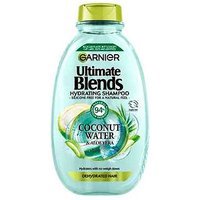
Our tracker currently flags a strong low-cost pick for moisture-focused routines: Garnier Ultimate Blends Nourishing Hair Food at $18.38 at lookfantastic, rated 5.0/5. That product sits in the practical middle: affordable enough to use generously, and positioned for nourishment rather than “squeaky clean.” If you like browsing by need, explore Moisturising & Nourishing Shampoos and matching conditioners instead of chasing the newest viral wash trick.
For body care, we’d treat “DIY scrubs” with the same skepticism as kitchen facials. Sugar and salt scrubs can create micro-tears, and added fragrance oils can sting. If you want smoother limbs, pick a gentler approach: a straightforward body moisturizer daily, and a mild exfoliant only as tolerated.
Also: don’t underestimate accessories. Sectioning clips look like fluff until you realize they prevent aggressive brushing and breakage. Our feed lists brushworks No Crease Sectioning Hair Clips at $10.93 at lookfantastic, rated 5.0/5. Cheap tools can reduce the urge to “hack” your way to results.
Luxury skincare on sale doesn’t make a hack safer
One reason viral trends persist involves aspirational product cameos. A luxury jar looks convincing, even if the routine logic makes no sense.
Our price tracker shows multiple prestige items at 12-month lows right now, and it’s a good reminder: discounts change value, not biology.
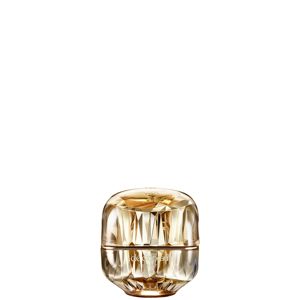
For example, Valmont Regenerating Mask Treatment is $170.00 at Dermstore at its lowest in 12 months. Clé de Peau Beauté La Crème is $645.90 at lookfantastic at a 12-month low. Those price points signal luxury positioning, and the sale timing matters if you already buy them. They do not turn aggressive routines into smart ones.
We see the same confusion in fragrance and “wellness glow” content. A beautiful scent doesn’t need a complicated story to justify itself. Our feed shows Tom Ford Santal Blush Eau De Parfum at $80.50 at lookfantastic, a 12-month low, and Jo Malone Hinoki & Cedarwood Cologne Intense at $27.60 at lookfantastic, also at a 12-month low. If you want to shop scent, shop scent. Just don’t let fragrance content smuggle in risky skincare steps.
If you want to browse intelligently, separate your baskets: skincare basics in one cart, splurges in another, and avoid “free shipping thresholds” that push you into buying a trendy active you don’t need.
What this means for your routine (and your wallet)
The practical takeaway: viral skincare works best when you treat it as inspiration, not instruction. Use TikTok for product discovery, then run the idea through the checklist: pH swings, palm-mixing, “feel the burn,” and food-based DIY all land in the high-risk bucket.
Budget-wise, build your core with repeat buys you won’t ration. A consistent sunscreen and a steady moisturizer beat sporadic “miracle” products. If you want a price-led place to start, our current feed highlights an approachable SPF option: The Ordinary Uv Filters Spf 45 Sun Protection Serum at $13.80 at lookfantastic. That kind of price makes daily use realistic, which matters more than chasing a perfect hack.
Then, add treatments slowly. Retinol? Once weekly, then build. Exfoliation? Weekly at most to start. Masks? Comfort-focused when your barrier feels touchy. Tools? Choose ones that reduce friction and over-application, like a dense base brush or simple sectioning clips.
Tell us what you’re seeing: which hack needs a reality check?
Which TikTok skincare hack keeps landing on your feed right now: a “pore-tightening” trick, a DIY exfoliant, or an eczema shortcut?
If you share the claim (and the product type it pushes), we’ll tell you how it scores on the checklist—and what to buy instead, using current US pricing where our tracker has it.