Hair oil only turns hair greasy when the dose, placement, or timing misses your hair type.
Use less than you think, keep it off the scalp unless you’re doing a targeted scalp treatment, and treat oil like a “finish” for mid-lengths and ends—not a replacement for washing.
We’ve tracked hair oil pricing across major retailers since 2010, and one pattern stays consistent: people often buy a richer oil to fix dryness, then apply it like a conditioner. That’s when limp roots and buildup show up. This guide breaks down the techniques that keep the shine and frizz control—without the slick look.
The basics: why hair oil goes greasy (and how to stop it)
Grease happens when oil sits where hair naturally gets oily fastest: the root zone and the first few inches from the scalp. Sebum already coats that area. Adding more oil there can collapse volume and make strands separate into “strings.”
Most hair oils also spread. Warm hands, brushing, and heat styling can move product upward over time, even if you applied it correctly at first. That’s why starting small matters more than buying the lightest formula on the shelf.
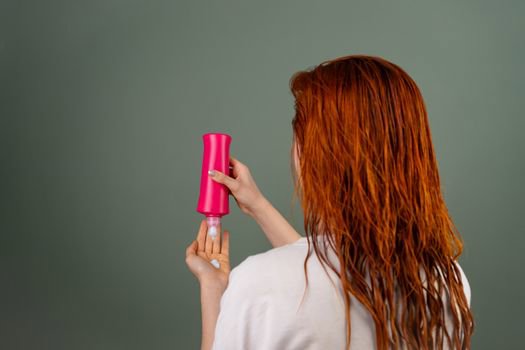
Another culprit: using oil to “seal in” moisture on hair that still has product residue. Oil can sit on top of polymers from styling products or heavy conditioners, which makes hair feel coated. If you use Moisturising & Nourishing Shampoos and rich conditioners daily, your hair may need less oil than you think.
Finally, know what hair oil can and can’t do. It can add shine, reduce friction, and help with frizz and detangling. Some oils also claim heat protection when formulated for it. But oil can’t replace cleansing, and it won’t “hydrate” hair the way water-based products do. Think of it as a finishing and protective layer.
How much hair oil to use (by thickness, density, and porosity)
If you want one rule: start with a half-dose, then add a tiny amount only where needed.
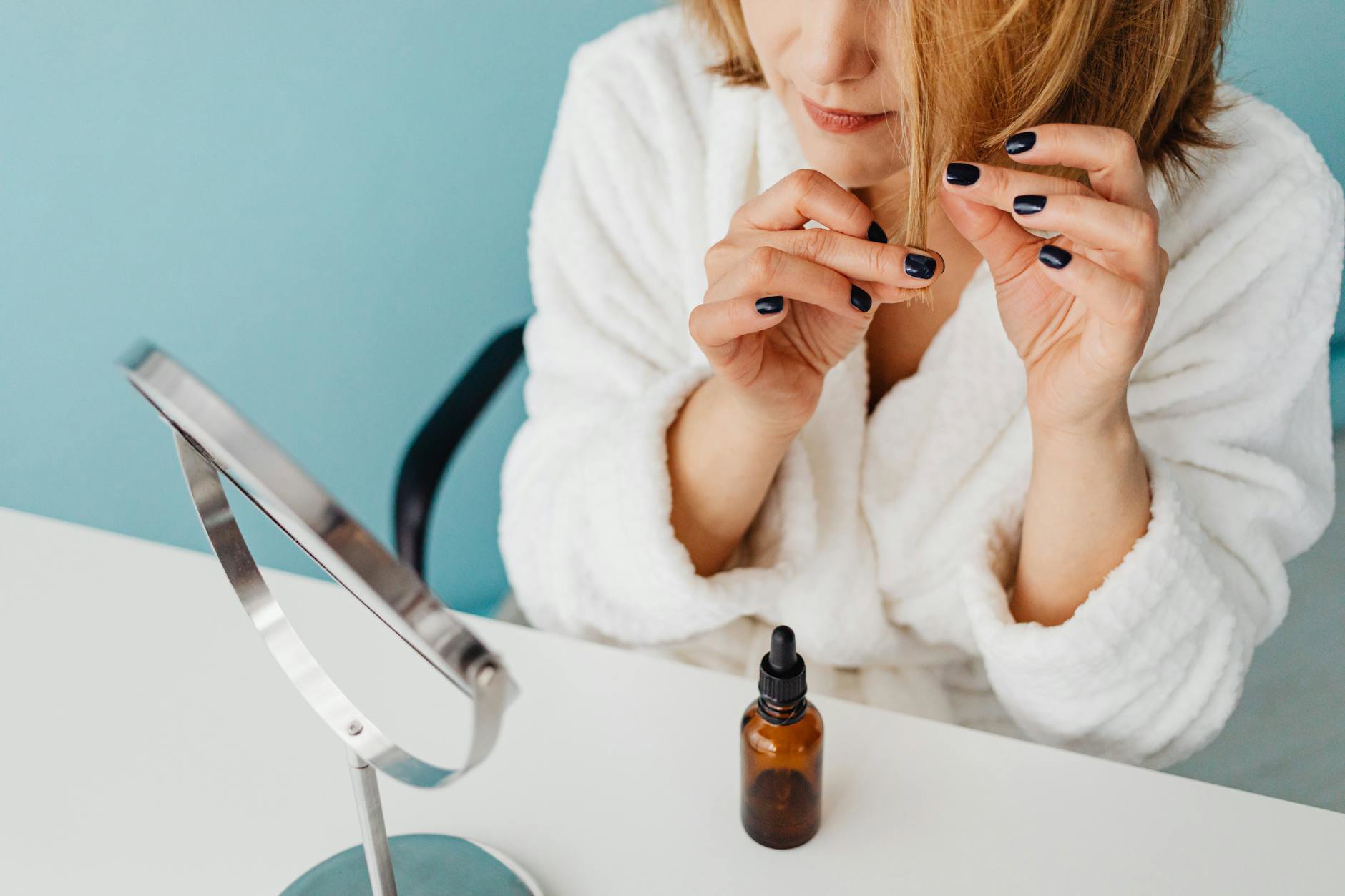
Here’s a practical dosing guide that avoids greasy roots. These amounts assume a standard pump/dropper size; if your product dispenses more, scale down. Apply to dry hair for finishing, or damp hair for slip and frizz control.
- Fine hair / low density: 1 drop or a half-pump, emulsified in palms, then only the last 3–4 inches.
- Medium hair: 2–3 drops or 1 pump, mid-lengths to ends, then use what’s left on hands for the surface flyaways.
- Thick hair / high density: 3–6 drops or 1–2 pumps, split between both sides, focus on ends first.
- Very porous or damaged hair: keep the dose small per application, but apply more often to ends (micro-layering beats one heavy coat).
Micro-layering works because hair absorbs and distributes product unevenly. A big first application often overloads the outer cuticle, then you chase greasiness with dry shampoo. Better: apply a small amount, wait two minutes, then decide if you need a touch more.
Product choice matters, too. For a lightweight, styling-friendly feel, Olaplex No. 7 Bonding Oil Bonding Oil No 7 (from $18.00) positions itself as weightless and super nourishing, and it includes UV and heat protection up to 232°C. If you tend to over-apply, a concentrated formula like this can still go greasy—so treat it like “one drop first,” not “one pump first.”
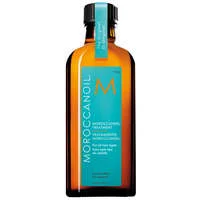
For hair that wants shine but gets oily fast, Moroccanoil Oil Treatment Light (from $16.68) was made for fine and light colored hair and aims to absorb quickly while smoothing frizz. It’s a safer bet when you want slip without the heavy finish.
Where to apply hair oil so it won’t flatten roots
Placement beats price. Every time.
Use this map: ends first, mid-lengths second, roots last (if ever). Ends have the most wear, the most dryness, and the most visual frizz. Roots have natural oil and need lift.
Try the “hands-first” method:
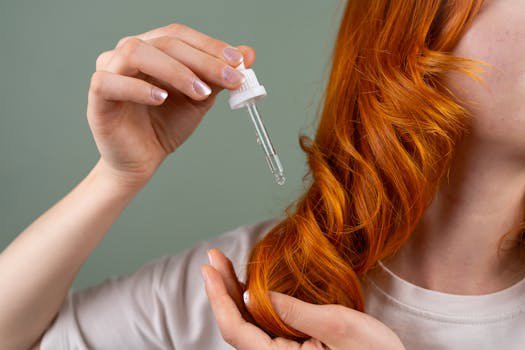
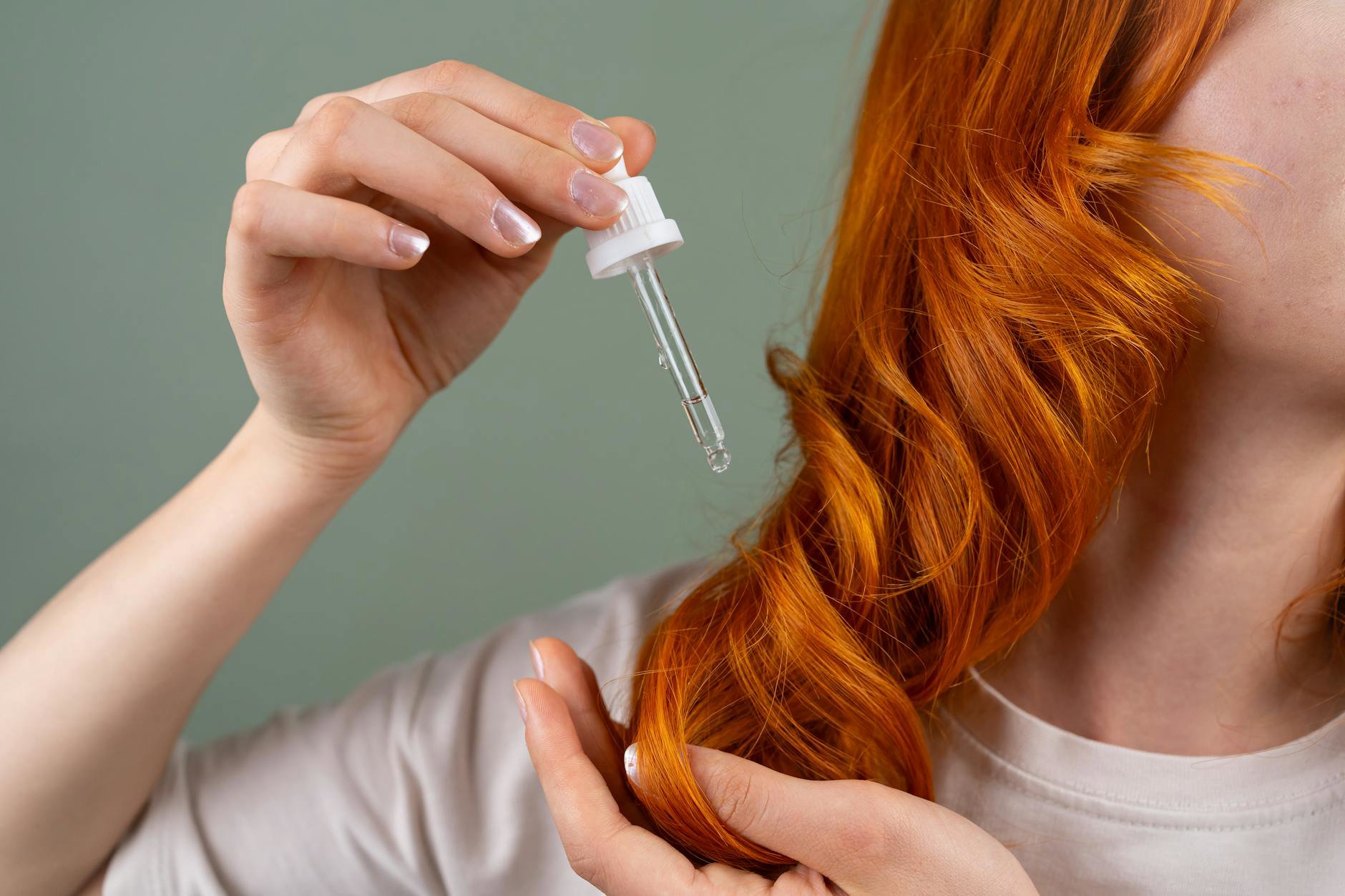
- Dispense oil into your palm.
- Rub hands together for 3–5 seconds to spread it thin.
- Start at the ends, scrunching or smoothing depending on texture.
- Glide what’s left over the mid-lengths.
- Use fingertips to tap a trace amount onto flyaways at the crown—don’t drag oil across the scalp.
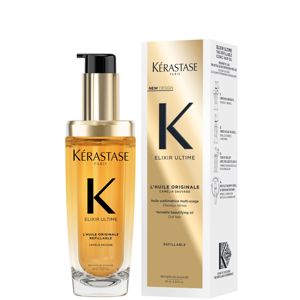
If you want a shine finish without sacrificing volume, look for oils described as lightweight and anti-frizz. Kérastase Elixir Ultime Hair Oil L'Huile Originale Refillable, For All Hair Types With Argan Oil & Heat Protection (from $26.68) calls out anti-frizz performance and heat protection. Use it like a polish: one small dose, mostly on ends, then stop.
For frizz that blooms through the lengths, Moroccanoil Oil Treatment Orginal (from $16.68) focuses on frizz control, detangling, and conditioning. It can also volumize per its description, but only if you keep it away from the root zone.
One more trick for straight and wavy hair: apply oil to the underside of the hair first. Grease looks worse on the top layer because light reflects off it. Treat the top layer last with what’s left on your hands.
Timing matters: pre-wash oiling vs leave-in vs finishing
Most “greasy hair oil” complaints come from using the right product at the wrong time.
Pre-wash works when you want softness and less breakage, but you don’t want oil left behind. Apply oil to dry lengths and ends 15–60 minutes before washing, then shampoo thoroughly. If your hair tends to hold onto product, keep the pre-wash application away from the scalp.
Leave-in on damp hair helps with slip, frizz, and detangling. The key: hair should be towel-dried, not dripping wet. Water can prevent even distribution, which leads to random greasy patches when hair dries. Apply a tiny amount, comb through with fingers, then style.
Finishing on dry hair gives the most shine and the most risk. Dry hair shows excess oil immediately. Use the smallest dose here. This is where “mist” formats can feel easier to control because they disperse lighter.
A good example: Fable & Mane Holiroots Hibiscus Hydrating Hair Oil Mist (from $15.75) sits in that lighter, mist-style lane and targets dry hair with antioxidants and red hibiscus. Mist, step back, then smooth only the ends.
For a more classic leave-in oil approach, Virtue Healing Oil (from $19.50) describes a lightweight, serum-like texture for moisture, health, and shine, with Kalahari melon seed oil and Tahitian gardenia flower extract. Serum-like oils often spread fast, so treat them as “one pump for the whole head” only if your hair is thick and dry.
Match the oil to the goal: shine, frizz control, heat protection, or scalp care
Hair oil succeeds when you pick a formula that matches the job. Otherwise you apply more and more, and grease follows.
For shine (without heaviness)
Shine comes from smoothing the cuticle and reducing surface friction. You want an oil that disperses easily and doesn’t demand a large dose. Virtue Healing Oil (from $19.50) targets shine and nourishment in a lightweight, serum-like format. Use it as a finishing veil on ends, then stop.
For frizz control
Frizz usually needs two things: slip plus a bit of weight to keep strands from lifting. That doesn’t mean roots. It means mid-lengths and ends. Both Moroccanoil Oil Treatment Orginal (from $16.68) and Moroccanoil Oil Treatment Light (from $16.68) focus on smoothing frizz and improving manageability. Choose Light when your hair gets oily easily.
For heat protection
Not every oil claims heat protection. If you heat style, pick one that states it clearly. Olaplex No. 7 Bonding Oil Bonding Oil No 7 (from $18.00) specifies heat protection up to 232°C and also offers UV protection. Apply on damp hair before blow-drying, focusing on ends, then add a trace amount to dry hair if needed.
Kérastase Elixir Ultime Hair Oil L'Huile Originale Refillable (from $26.68) also calls out heat protection plus anti-frizz benefits. If your hair frizzes with heat, this “two birds” positioning makes sense—again, in small doses.
For scalp care (without oily roots all week)
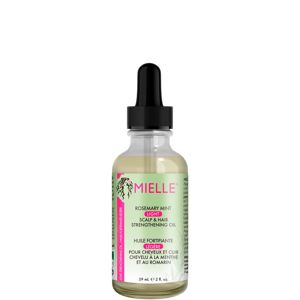
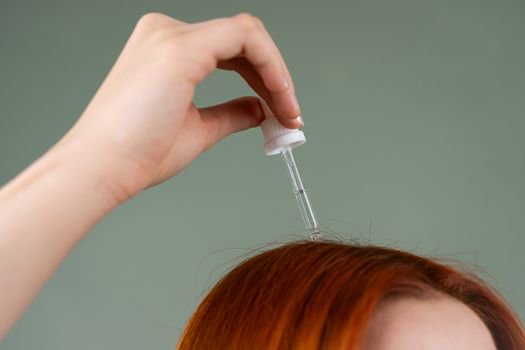
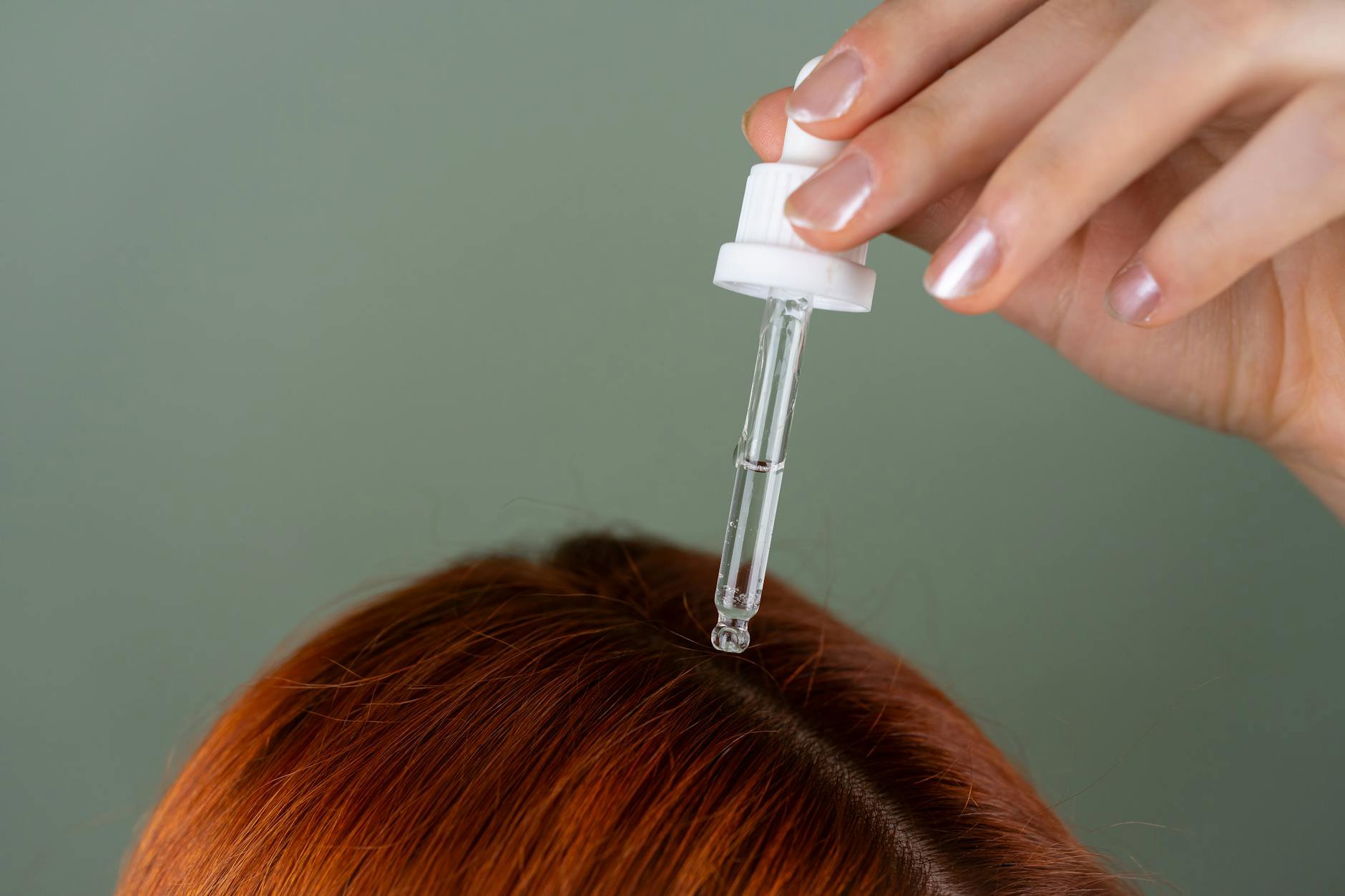
Scalp oiling can work, but it needs boundaries. Use it as a pre-wash treatment, not a daily leave-in, unless your scalp runs very dry. Mielle Organics Rosemary Mint Light Scalp & Hair Strengthening Oil (from $5.05) targets scalp and hair strengthening with a nutrient-rich, intensive formula that supports multiple concerns. Apply in small sections, massage briefly, then shampoo.
If you want a growth-focused, oil-based scalp routine, Delhicious Rich Roots Hair & Scalp Oil - Amla & Rosemary (from $13.50) centers amla and rosemary with a blend of six plant-based Ayurvedic oils used traditionally to strengthen and condition. Keep it strictly pre-wash if you hate greasy roots.
Hair type playbook: straight, wavy, curly, coily, and color-treated
Hair type changes how oil spreads, how fast it shows, and where it helps most.
Straight hair shows oil fastest. Use tiny amounts and apply underneath first. Consider lighter options like Moroccanoil Oil Treatment Light (from $16.68). For finishing, don’t oil the top layer near the part.
Wavy hair tends to frizz at the surface and dry out at the ends. Use oil on damp hair to encourage clumping, then add a trace amount on dry hair to break the “halo” frizz. Kérastase Elixir Ultime (from $26.68) fits well when you also heat style.
Curly hair often benefits from oil for moisture retention and slip, but too much can make curls stringy. Use oil as a seal on ends, not as the main styler. Umberto Giannini Curl Oil Bond Repair (from $9.25) describes an ultra-lightweight elixir that protects, nourishes, and moisturizes, with coconut and castor oils plus shea butter to lock in moisture. Apply a small amount, then scrunch.
Coily and tightly textured hair can take more oil on the lengths because the natural sebum travels less easily down the strand. Still, greasy roots can happen if you apply directly to the scalp and leave it. Use targeted scalp oiling only pre-wash, and focus leave-in oil on ends and areas that break.
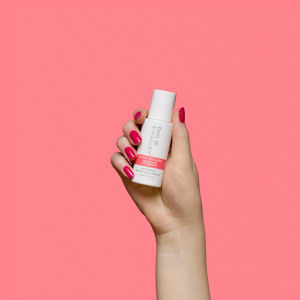
Color-treated or heat-damaged hair usually needs both surface smoothing and protection. Olaplex No. 7 (from $18.00) stands out for its stated UV and heat protection. Philip Kingsley Bond Builder Lipid Shield Oil (from $17.50) focuses on coating strands to help replenish lost essential oils and protect the cuticle against dryness and damage. If your hair feels rough by day two, this “cuticle shield” framing can match the problem.
One caution: if your hair already feels soft but looks flat, you don’t need more oil. You need less product near the roots and better cleansing cadence with your usual Moisturising & Nourishing Conditioners.
Common mistakes that cause buildup (and the fixes)
Most buildup problems come from repeat habits, not a single heavy-handed day.
Mistake: Applying oil directly onto the scalp as a daily leave-in.
Fix: Reserve scalp oils like Mielle Organics Rosemary Mint Light Scalp & Hair Strengthening Oil (from $5.05) for pre-wash, sectioned application. Shampoo after.
Mistake: Using oil as a detangler on soaking wet hair.
Fix: Towel-dry first. Apply a small amount to hands, then work through ends. Wet hair plus oil often creates uneven patches that read greasy once dry.
Mistake: Reapplying oil every time hair feels frizzy.
Fix: Switch to micro-doses. Use a trace amount on flyaways only. If you need multiple full applications in one day, you likely have residue or need more water-based moisture from your routine, not more oil.
Mistake: Using the same oil method for every climate.
Fix: Humid regions often need lighter finishing and better placement. Dry climates tolerate more oil on ends. Keep the dose flexible.
Mistake: Expecting oil to fix split ends permanently.
Fix: Oil can reduce friction and improve the look temporarily. But it won’t fuse ends. Use it to prevent more damage, and trim when needed.
When you suspect buildup, simplify. Use oil only on ends for a week. If hair regains bounce, the oil wasn’t “bad”—the placement and frequency missed.
Practical routines you can copy today (pre-wash, post-wash, heat styling)
These routines keep oil benefits while minimizing greasy roots. Adjust the dose down if you have fine hair or an oily scalp.
Routine 1: Pre-wash softness (best for dry ends)
- Apply Virtue Healing Oil (from $19.50) or Moroccanoil Oil Treatment Orginal (from $16.68) to mid-lengths and ends on dry hair.
- Wait 20–45 minutes.
- Shampoo thoroughly, focusing on the scalp. Condition as usual.
- Skip finishing oil unless ends still look dry.
This works well if you also use treatments like Hair Masks and sometimes overdo it. Pre-wash oiling can reduce the need for heavier leave-ins afterward.
Routine 2: Post-wash frizz control (best for most hair types)
- Towel-dry until hair feels damp, not wet.
- Use 1–3 drops of Kérastase Elixir Ultime (from $26.68) on ends first.
- Comb through with fingers. Don’t rake from roots.
- Air dry or blow-dry.
For flyaways after drying, use a half-drop warmed between fingertips and tap it onto the surface.
Routine 3: Heat styling protection (best for blowouts and flat ironing)
- On damp hair, apply Olaplex No. 7 Bonding Oil (from $18.00) from mid-lengths to ends.
- Blow-dry. Keep the nozzle moving.
- After styling, use a trace amount on ends only for shine.
- If roots look oily, stop. Don’t “balance it out” with more oil.
We also see shoppers cross-shop hair oil with unrelated categories like SPF Protection Products or even Eau de Parfum Perfumes. Keep the goal clear: hair oil should support your hair finish and protection, not replace cleansing or styling fundamentals.
Quick buying note from our price tracking: hair oil prices often cluster in two bands—drugstore under $10 and prestige $15–$30. If you’re experimenting, starting with Mielle Organics Rosemary Mint (from $5.05) or Umberto Giannini Curl Oil Bond Repair (from $9.25) can reduce trial cost. If you already know you need heat protection, paying for a formula that states it can make more sense.
Want help choosing between a lightweight finish and a richer cuticle-coating feel—based on your hair type and styling routine?