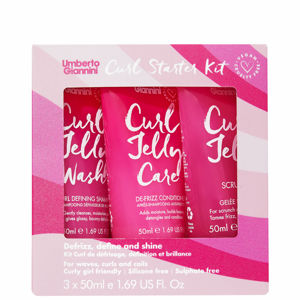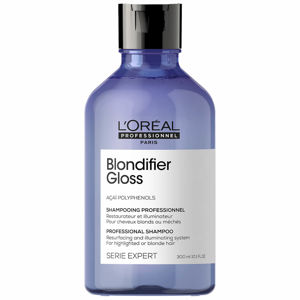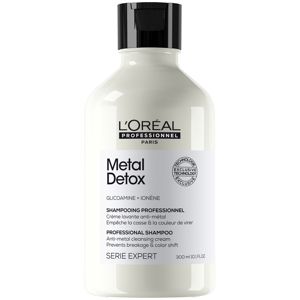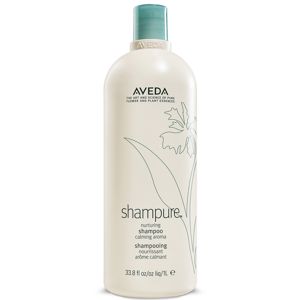
Hydrating, moisture-boosting, nourishing—call it what you like, moisturising shampoo has broken out of the salon and now sits in every aisle from Target to Sephora. Our merchant feed shows more new “hydrating” and “nourishing” shampoo launches than classic “volumizing” this year. That shift says a lot about what women want from a wash: clean hair that doesn’t feel squeaky, straw-like, or frizzy.
The tricky part: some formulas leave fine roots limp, and others rely on heavy butters that coat more than they care. The right bottle works hard without weighing hair down. The wrong one adds buildup and steals bounce. Knowing the difference saves time, money, and good hair days.
Here’s what moisturising shampoo actually does, who benefits, and how to use it so you get softness and shine without losing lift.
Context: Why the market moved toward moisture
Heat tools, color, and UV drive the demand. Heat styling dries the cuticle. Lightening and permanent color lift the hair’s protective layers, which raises porosity and speeds water loss. Cold, dry winters do it. So does high-altitude sun and air-conditioning. Add hard water—roughly 85% of U.S. homes have it—and you get deposits that roughen the surface and dull hair between washes.
Modern shampoos have evolved. Traditional sulfate-heavy cleansers leaned harsh for some hair types. Today’s hydrating shampoos often build around milder surfactants, conditioning polymers, and slip agents. The goal: remove oil and pollution while minimizing cuticle lift and friction. When friction drops, breakage drops. Brushing gets easier. Frizz backs off.
Timing matters too. The retail calendar rewards moisture buys. Sephora’s Spring Savings hits every April, with a fall event later in the year. Ulta’s 21 Days of Beauty often pops up in March and again in September. Black Friday and Memorial Day deliver haircare promos across Sephora, Ulta, Amazon, and Nordstrom. If a salon-tier hydrating shampoo sits on your wishlist, these dates tend to bring it within reach.
One more baseline: hair health rides on pH. Hair favors slightly acidic formulas, around pH 4.5–5.5. Many moisturising shampoos sit in that range to help the cuticle lie flatter. Flatter cuticle = more shine and less tangling. Not every label lists pH, but when a brand references “acidic” or “cuticle-smoothing,” that’s the idea.
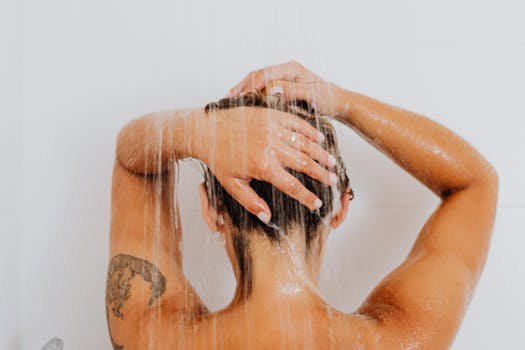
{{IMAGE:woman washing hair in shower close-up}}What a moisturising shampoo actually does in the wash step
Start with surfactants. These are the cleansers that lift oil and dirt. Hydrating shampoos usually lean on blends: a mild anionic surfactant for the main clean, plus amphoteric or non-ionic partners to lower irritation. Think of a tag team—one lifts, the other keeps the peace with your scalp and cuticle.
Next come slip agents and conditioning polymers. Polyquaterniums (often listed as Polyquaternium-10, -7, or similar) cling lightly to the hair surface with a positive charge. They reduce friction during rinsing and detangling. Less snagging means fewer snapped ends. Silicone can play here too. Dimethicone and amodimethicone coat to add glide and gloss. Some women prefer lighter, water-dispersible options like bis-aminopropyl dimethicone, which target damaged spots more than healthy lengths.
Emollients and humectants support the feel. Glycerin, propanediol, sorbitol, and betaine pull and hold water at the surface. Lightweight oils (argan, sunflower, squalane) or their derivatives soften without the grease of raw butters. Panthenol (pro-vitamin B5) swells hair slightly, which can make fibers feel plumper and smoother.
Finally, pH and chelators refine the finish. Slightly acidic pH helps the cuticle close after cleansing. Chelators like tetrasodium EDTA catch metal ions from hard water so they rinse off instead of settling on your hair. Some formulas also add proteins or amino acids (wheat protein, arginine, serine) to patch rough spots temporarily and improve combing.
Put it together and you get the brief: a moisturising shampoo should clean, reduce friction, and leave hair more supple after rinsing. It won’t replace a conditioner or mask, but it should make your next step easier and keep frizz at bay for longer.
Who benefits most—and who might not
Dry, coarse, or textured hair thrives on hydration. Coily and curly patterns have bends that slow scalp oil from traveling down the strand, so mid-lengths run drier. High-porosity hair—whether natural or caused by bleach and color—also loves a gentler wash with extra slip. Gray hair often feels wiry as melanin fades and cuticles shift; softer cleansers help it lie smoother.
Color-treated hair benefits from milder surfactants and acidic pH. That combo helps reduce dye leaching and closes the cuticle faster after the wash. If you heat style often, the added slip and humectants make detangling safer and reduce the friction that can snap heat-weakened ends.
Scalps with flaking or buildup need nuance. Many dry scalps do well with hydrating shampoos. But if flakes stem from yeast overgrowth or heavy product residue, you may need a targeted scalp product once or twice a week. The rest of the week, you can still use a moisturising shampoo to keep lengths soft. Focus your lather at the scalp and let suds run through the ends.
Who should go slow: ultra-fine hair that flattens fast, and anyone who uses heavy styling waxes or strong-hold sprays daily. These situations may call for rotating a clarifying or lightweight volumizing shampoo. You can still keep a moisturising formula in the lineup, just not every single wash.
Fine hair without flat hair: methods that work
Technique matters as much as formula. If you have fine roots, start with a smaller dose than you think—about a nickel-size pool in your palm—and emulsify with lots of water before you touch your head. Hydrating shampoos often contain richer conditioners; over-applying concentrates them on the scalp. Emulsifying spreads them thin so they clean without lingering.
Scrub the scalp with fingertips, not nails. Keep most of the friction at the roots where oil lives. Don’t massage lengths. Let the rinse drag a little lather through the mid-lengths and ends. That gives them enough clean without depositing too much slip near the scalp.
Rinse longer than you think you need. Many “weigh-down” complaints trace back to rinse shortcuts. Keep rinsing until hair squeaks once between the fingers, then stop. You want clean, not stripped. If hair still feels coated at the crown after drying, try a double cleanse with less product each time rather than one heavy round.
Rotate smart. Make a two-shampoo wardrobe: one moisturising, one for volume or clarifying. Use the hydrating option after heat styling or color days. Use the lighter wash before air-dry days or when you want big roots. If your hair collapses by day two, shift more of the moisture load to your conditioner and mask, and keep the shampoo on the featherweight side.
Ingredients to look for—and what to watch
Humectants: Glycerin, propanediol, sorbitol, sodium PCA, and betaine help hair hold water. If you live in a humid climate, humectants can puff hair. Balance them with light silicones or polymers to prevent halo frizz. In a desert climate, look for formulas that pair humectants with oils to keep the water you have from escaping.
Conditioning polymers: Polyquaternium-10, -7, -11, and cationic guar reduce friction and improve slip. They rinse clean when balanced well. If hair feels coated after two washes, switch to a lighter polymer blend rather than ditching hydration altogether.
Silicones: Dimethicone and amodimethicone remain reliable for shine and frizz control. If you prefer quicker rinse-off, look for water-dispersible silicones or lighter weights. Water-soluble silicone claims can be murky; focus on how hair feels over labels. If you heat style, a bit of silicone in the wash step can buffer friction before you even get to blow-dry.
Lipids and oils: Argan, sunflower, olive, coconut-derived surfactants, shea derivatives, and squalane add softness. Pure butters can smother fine hair in a shampoo step. If your hair is very fine, favor lighter seed oils and avoid heavy butters in the cleanser stage; save them for weekly masks.
Sulfates vs sulfate-free: Sulfates cleanse well. For some women they feel drying, especially on color-treated or textured hair. Sulfate-free doesn’t equal weak; many non-sulfate blends clean just fine. If you use dry shampoo, mineral sunscreen on your hairline, or lots of stylers, bring in a clarifying wash periodically to keep your moisturising shampoo from fighting through layers.
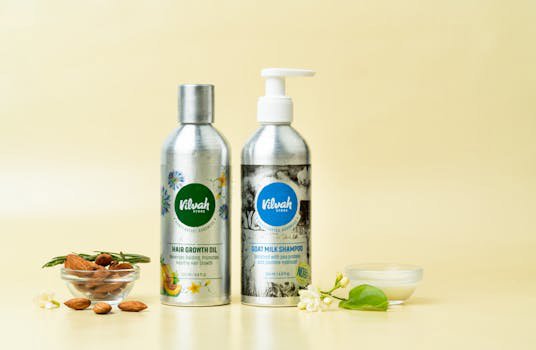
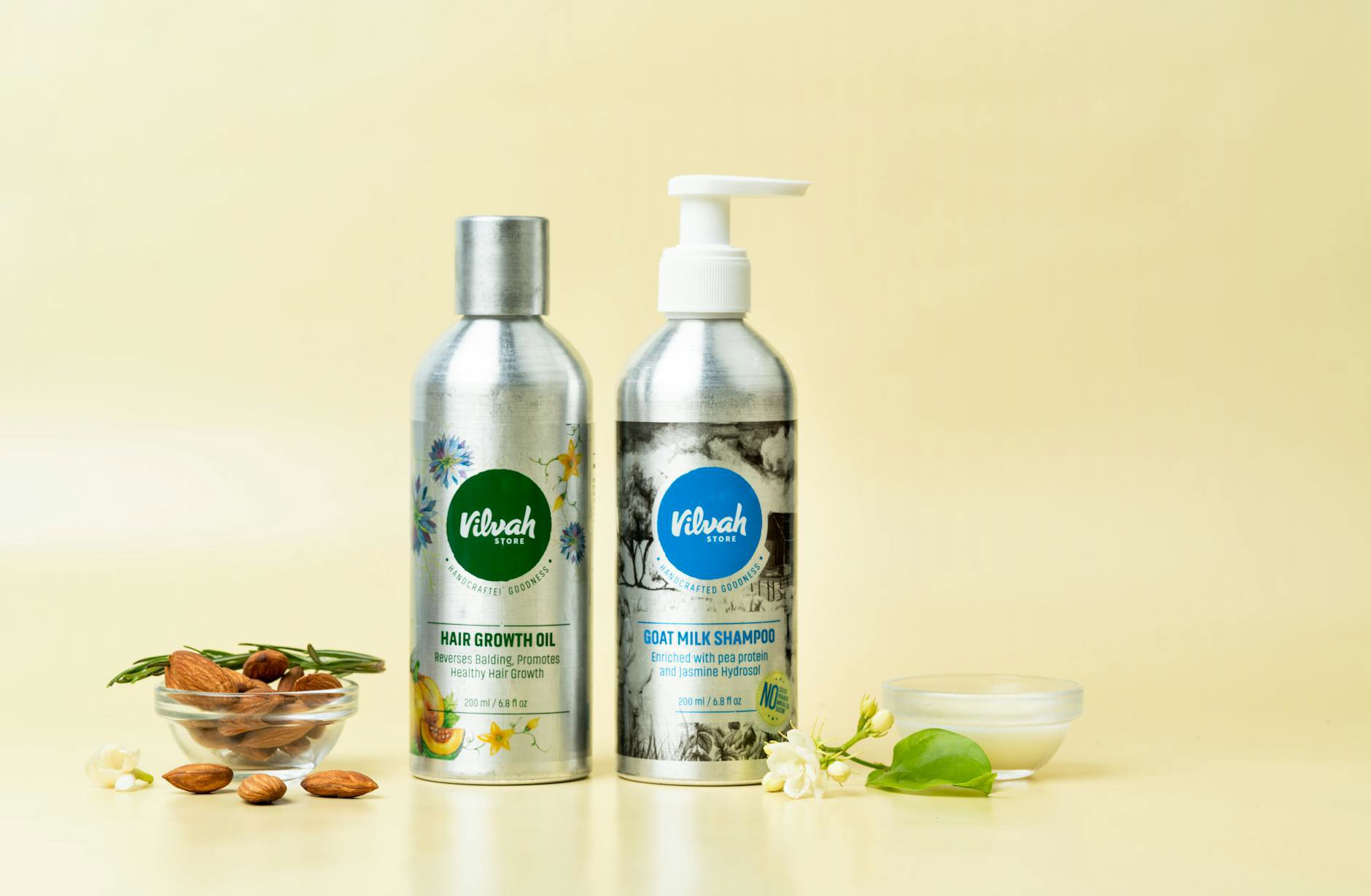
{{IMAGE:flat lay of moisturising shampoo and conditioner bottles}}Choose by budget and where you shop
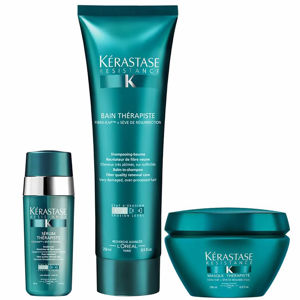
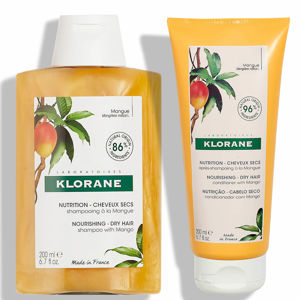
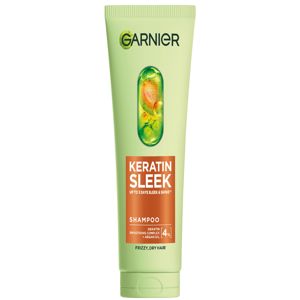
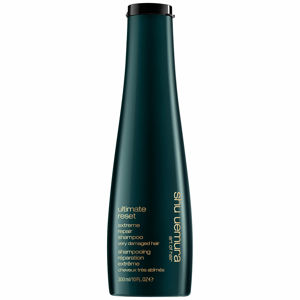
Retailers signal price tier as much as brand DNA. Target and drugstores stock wallet-friendly hydration from brands like Garnier and L'Oréal. These often pair glycerin and cationic polymers with light oils for a balanced clean. At Sephora, Nordstrom, and Bluemercury you’ll see salon-tier care such as Kérastase, known for plush textures and targeted ranges for dryness and damage. You’ll also find moisture-leaning lines from heritage houses like Shiseido, with a focus on smoothness and shine. If you prefer a body-and-hair approach, browse The Body Shop for gentle, scent-forward hydrators.
Our price tracker surfaces wide spreads week to week. Salon-tier shampoos bounce between Sephora, Nordstrom, and Amazon. Drugstore picks swing across CVS, Walgreens, and Amazon. Before you check out, run a quick comparison on GlamGeek’s Moisturising & Nourishing Shampoos page. Add your pick to your wishlist and you’ll get pinged when the price drops during Sephora Spring Savings, Ulta 21 Days of Beauty, or Black Friday.
If you’re moving up a tier, start with the smallest size. Many salon brands offer travel or mini bottles. That lets you test texture and scent, and check whether your roots keep lift on day two. If you stick with drugstore, scan the ingredient deck for glycerin, panthenol, and at least one conditioning polymer; that trio usually signals a softer rinse.
When in doubt, purchase where returns are simple. Ulta and Sephora sit in most U.S. metros, which makes swaps easy. Amazon can be convenient, but stick to official brand storefronts or authorized sellers for salon-tier lines.
Build a routine that actually locks in moisture
Think in layers, not just a single bottle. Your shampoo sets the stage by cleaning without stripping. Your conditioner seals the deal by smoothing the cuticle and adding targeted emollients. Your styling products lock in the finish you want.
Use your moisturising shampoo, then follow with a conditioner that matches your density. For fine hair, choose a light conditioner and apply from ears down. For thick or coily hair, work in sections and detangle with a wide-tooth comb while the conditioner sits. Shop the companion category for a match: Moisturising & Nourishing Conditioners.
Bring in a mask weekly or biweekly, especially if you color, swim, or heat style. Masks carry more occlusives and heavier lipids. Keep them off the scalp unless your scalp runs very dry. If hair leans fine, use less product and shorten the dwell time. Browse targeted picks on Hair Masks and add contenders to your wishlist to catch sale dips.
Balance with a clarifying moment. Even the best hydrating shampoo can’t push through layers of silicone serum, dry shampoo, and hairspray forever. Slot a clarifying wash every 1–2 weeks, or after heavy styling days. Then return to your moisturising formula to keep the slip and softness going.
Finish with heat protection and smart drying. Microfiber towels reduce frizz compared to standard terry. If you blow-dry, use a heat protectant cream or spray. A little leave-in can boost softness, but avoid piling on extra oils if your shampoo already leans rich. If your roots droop fast, confine leave-ins to the last three inches of hair.
Color-treated, curly, and coily hair: extra notes
Color-treated hair does best with an acidic, gentle cleanse and a strong moisture routine. Sulfate-free can help some women maintain tone longer, but the bigger win is how the formula handles the cuticle. Look for shampoos that mention “repair,” “smoothing,” and “anti-fade” alongside conditioning polymers. Space your washes when possible, and use cool to lukewarm water to help minimize dye bleed.
Curly and coily hair needs glide. A moisturising shampoo with cationic guar or polyquats helps the comb glide through without tearing curl clumps. If you follow a low-foam or co-wash approach, keep a true cleanser in the rotation. Even occasional clarifying supports scalp health and keeps styling products from compacting at the roots.
Protein balance matters. Many women swing between moisture craving and protein craving. If hair feels mushy, over-elastic, or doesn’t hold a curl, add a light protein step once a week in your conditioner or mask. If hair feels brittle and snaps easily, pull back on protein and prioritize humectants and emollients until elasticity improves.
Sun, salt, and swim season call for tweaks. Rinse hair with tap water before you swim so it soaks up less chlorinated or salty water. Use your moisturising shampoo after pool days, then seal with a conditioner. A chelating clarifier helps after stretches of daily laps. Keep an eye on your roots; if they sag, push more richness into masks and keep the wash step clean and light.
Spotting the right formula when labels overpromise
Marketing language can blur lines. “Hydrating” sometimes means fewer sulfates. Sometimes it means heavy butters. Sometimes it means both. Read a few key signals instead of the headline claim.
For fine or easily weighed-down hair, prefer glycerin high in the list, a named polyquat, and a lighter silicone. Avoid raw shea and cocoa butter in the first five ingredients. Scan for words like “weightless moisture,” “fine hair,” or “volumizing moisture”—then check reviews for phrases like “rinses clean” or “no residue.”
For coarse, very dry, or textured hair, look for a richer slip system: cationic guar, multiple polyquats, and a couple of oils or emollients in the first half of the deck. A formula that pairs humectants with lipids will help keep moisture in the fiber in both humid and dry climates.
For sensitive scalps, simpler can be better. Choose fragrance-light or fragrance-free lines where possible. Stick with milder surfactants paired with soothing agents like panthenol or aloe juice. If flakes persist, bring in a scalp-specific product once or twice weekly and keep your daily shampoo gentle.
How to test-drive a new moisturising shampoo
Give it three washes. Day one checks immediate feel. Day two and three check how your roots behave with your normal styling. By wash three you’ll know if buildup creeps in or if the clean holds.
Change one variable at a time. Keep your conditioner and leave-in the same for your first week with a new shampoo. That isolates the effect of the cleanser. If hair feels coated, reduce the amount next wash before you blame the formula.
Track your results. If frizz drops and detangling gets easier, you found a fit. If volume suffers, rotate with a lighter shampoo and push hydration to your conditioner and mask. If your color looks brighter longer, stick with it and stock up during Sephora’s and Ulta’s next events. We track prices across Sephora, Ulta, Target, Amazon, and Nordstrom so you don’t have to—use the compare button on our Moisturising & Nourishing Shampoos page before you hit buy.
What this means for your next wash day
Moisturising shampoo should feel like a support act, not the headliner. It cleans without drama, leaves hair easier to detangle, and sets up your conditioner to do its best work. If your routine currently depends on heavy masks to undo wash-day damage, a better shampoo can remove that need.
Choose by hair density, porosity, and climate. Fine hair likes lighter humectants and polymers with a thorough rinse. Thick, coarse, or highly porous hair wants richer slip and more emollients. In humid areas, favor formulas that balance humectants with cuticle-smoothing agents. In dry areas, look for lipids that help trap water in the fiber.
Build a small rotation. Keep a moisturising cleanser for most days, a clarifier for the reset, and a volumizing or lightweight option for root lift days. Then add a conditioner and mask that match your strand type. Use GlamGeek to track the brands you like—Garnier, L'Oréal, Kérastase, Shiseido, and The Body Shop all offer moisture-leaning lines—so you’ll get alerts when a sale knocks the price down.
Which moisturising shampoos actually kept your hair soft without flattening your roots? Tell us about your density, your climate, and your favorites, and add them to your GlamGeek wishlist so we can watch the prices for you.