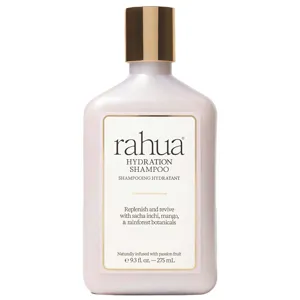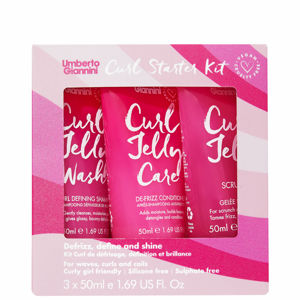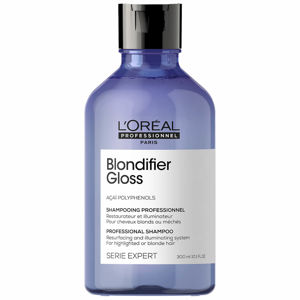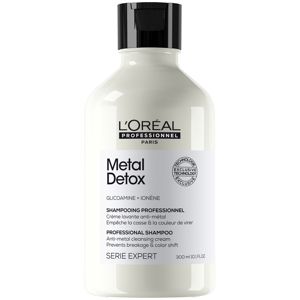
Our price tracker flagged a sharp rise in “moisture” and “nourish” shampoos moving into carts this year, especially at drugstores and Amazon. Sales spike every time winter hits the Rockies or a heat wave rolls through the South. Hydration sells. So do promises of softer, smoother hair.
Yet we keep seeing the same complaint in reviews across our merchant feed: limp roots, dull lengths, and a scalp that never quite feels clean after a few weeks on a moisturizing shampoo. The pattern shows up in prestige and drugstore both. Different price tags, same result.
So, can moisturizing shampoo cause buildup? Yes—under the right (or wrong) conditions. The good news: you can stop residue before it flattens your blowout or muddies your curls. You just need to know which ingredients deposit, which rinse clean, and how to reset without wrecking color.
Moisturizing shampoos aim to reduce friction as you wash. Formulators add conditioning agents to support slip, reduce static, and soften rough cuticles. That extra conditioning often helps in dry climates and during seasonal shifts. But those same film-formers can stack up when you pair them with rich conditioners, leave-ins, and styling creams—especially if your water runs hard or your hair runs fine.
Across big-box and specialty retailers, you’ll see “hydrating,” “smoothing,” and “repair” shampoos grouped together. They share similar chemistry: milder surfactants for gentler cleanse, plus polymers, silicones, or lipids that deposit on hair. Drugstores skew to bigger bottles with richer feel. Sephora, Ulta, and salon counters push tighter edit formulas, often sulfate-free and color-safe. Pricing varies widely; our tracker often shows meaningful gaps between Amazon and brick-and-mortar during promotion windows.
Timing matters. We see clarifying shampoos go on sale most often around Memorial Day, back-to-school, and Black Friday. Moisturizing lines claim prime endcaps in winter and pre-summer. If you plan a reset step for buildup, plan your cart around those cycles. You’ll stretch routine and budget.
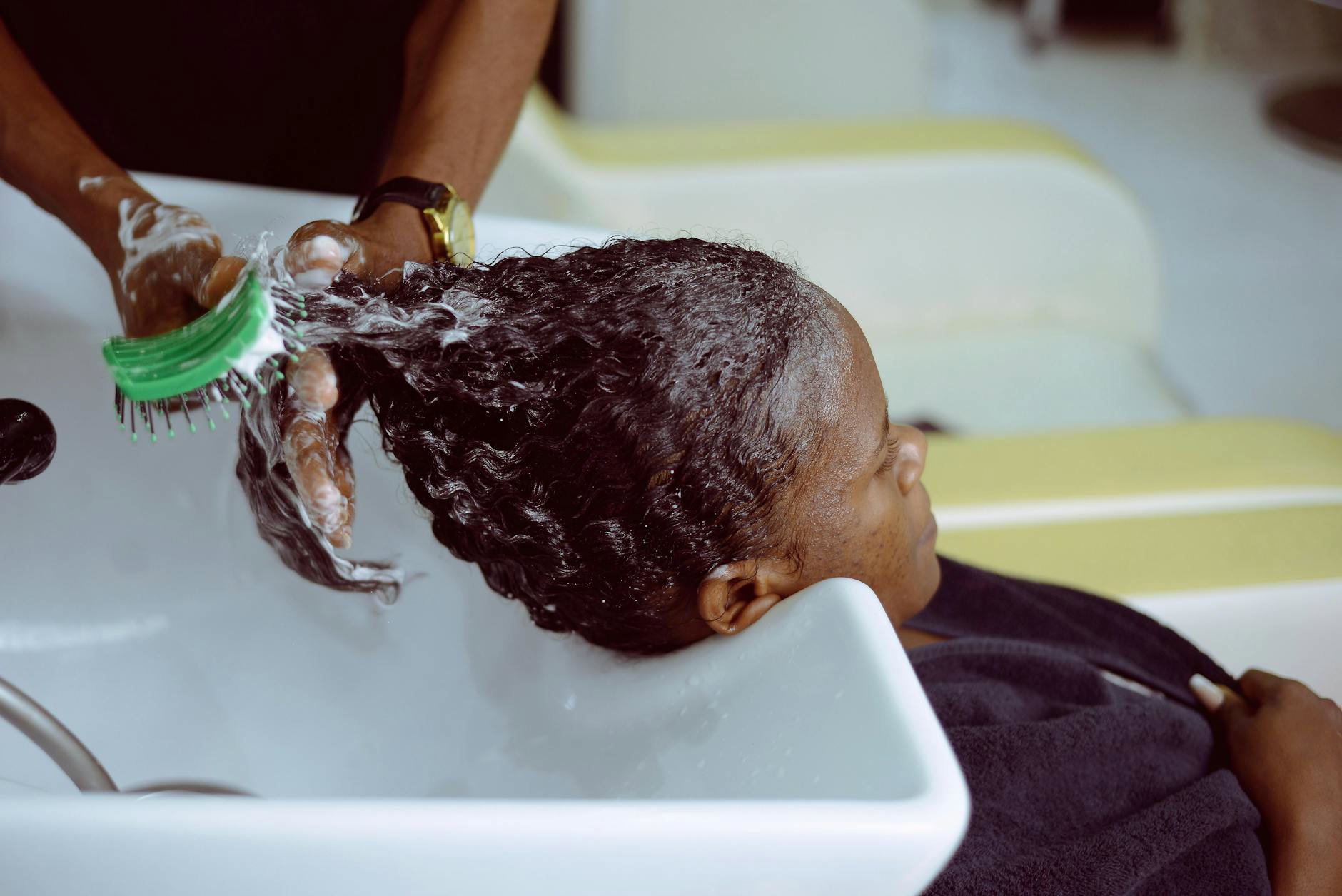
{{IMAGE:woman washing hair in shower closeup}}How Moisturizing Shampoos Work—and Why They Can Leave Residue
Moisturizing shampoos clean while leaving a thin, conditioning layer. Chemists often build that layer through coacervation. In simple terms, an anionic surfactant (the cleanser) teams up with a cationic polymer (the conditioner) in the rinse stage. That pair forms a deposit on hair where you need slip. You feel that as “buttery” or “silky” when wet.
Common players include polyquaterniums (often labeled polyquaternium-7 or -10), amodimethicone (a targeted silicone), and small amounts of oils or butters. Brands also use betaine and glucoside cleansers to keep the lather gentle. That approach helps dry or damaged hair reduce breakage during wash day. It can also lay down too much film if you stack it with heavy conditioner, leave-in cream, and oil serums.
Fine hair shows this first. Extra film sits closest to the scalp, weighs down roots, and steals lift. Low-porosity hair also holds on to residue because tight cuticles resist water and rinse-out. In hard water regions, calcium and magnesium ions bind to product polymers. That bond makes buildup tougher to break with a mild cleanser alone. You then wash more often, scrub harder, and still feel coated.
Good formulas account for this. Many moisturizing shampoos add chelators like EDTA or include optimized silicones like amodimethicone that seek out damaged spots rather than blanket every strand. But your technique and water type still set the outcome. If you use minimal water, rush the rinse, or skip the occasional reset, you create perfect conditions for residue.
Ingredient Watchlist: Silicones, Quats, Butters, and Botanical Oils
Not every rich ingredient causes buildup. Some rinse easier than others. Focus your label reading where film tends to stack.
- Silicones: Dimethicone and trimethylsilylamodimethicone create strong slip and shine. They resist water, so they can cling. Amodimethicone targets damaged areas and deposits more selectively, which helps. PEG-modified silicones (look for “-copolyol” or “PEG-” prefixes) wash out more easily with gentle cleansers.
- Quats and cationic polymers: Polyquaternium-10 adds softness and combing, but it can bond with minerals in hard water. Cetrimonium chloride shows up more in conditioners but may also appear in 2-in-1 shampoos. These cationic agents reduce static but can create film if you layer them across multiple steps.
- Butters and waxes: Shea butter and microcrystalline wax bring plush feel in-shower. They suit coarse or high-porosity hair that drinks emollients. They often flatten fine hair. Waxes can also trap particulate pollution and dust, which adds to dullness between washes.
- Botanical oils: Argan, coconut, and olive oil soften and add shine. They can migrate toward roots during rinse-out and contribute to limpness when used in shampoo plus conditioner plus finishing oil. Lightweight esters (isopropyl palmitate, coco-caprylate) usually feel cleaner.
Assess the full routine, not just the shampoo. Heavy leave-ins and curl creams often carry the same conditioning families. If you see dimethicone high in your shampoo and top three in your conditioner, consider swapping one product for a lighter option. Our edit of Moisturising & Nourishing Shampoos shows plenty of formulas that use targeted silicones or water-soluble conditioning systems.
You can also filter by brand families that handle richness with balance. Salon-leaning ranges from Kérastase often pair amodimethicone with chelators for better rinse. Drugstore stalwarts like L'Oréal and Garnier offer moisture lines at lower price per ounce and shift polymers to keep spreadability high without heavy waxes. Check our price comparison before you commit; we track variations across Sephora, Ulta, Target, and Amazon every day.
Signs You’re Dealing With Buildup vs Dryness or Dandruff
Residue and dryness can look similar at first glance. One calls for a reset. The other calls for more moisture. Use touch and timing to sort it out.
- Flat roots hours after a wash: This points to product film at the scalp. Buildup collects near the roots where you apply shampoo most often and where rinse water carries conditioner runoff.
- Hair that resists water in the shower: If water beads and slides rather than soaking in, you likely see silicone or wax film.
- Dullness and squeak without true clean: Squeak can mean high friction on top of film, not a perfect cleanse. If shine drops even after a fresh wash, residue may scatter light.
- Poor curl definition: Film glues clumps together in the wrong way. Curls look stretched, not springy. You see frizz and thickness at the wrong places.
- Scalp itch without tightness: Sebum plus product plus pollution can create an itchy, tight-limp combo. True dryness usually brings tightness and flaking that looks powdery. Buildup flakes look gummy or waxy.
Two quick checks help. First, rinse a small section with a teaspoon of clear dish soap, then air-dry. If that section pops with shine and volume, you likely carry buildup elsewhere. Second, try a chelating clarifier once. If your hair springs back, minerals and polymers played a role. Don’t repeat dish soap or harsh resets weekly; treat them as diagnostics, then fix the routine.
When in doubt, reset then replace only one rich step. You might keep your moisturizing shampoo but switch to a lightweight conditioner. Or you keep the conditioner and grab a balanced, silicone-lite cleanser. Our listings for Moisturising & Nourishing Conditioners group options by texture and weight to speed that decision.
The Role of Water Hardness, Climate, and Hair Type
Your zip code sets the stage. Hard water in many U.S. regions layers calcium and magnesium on hair. Those minerals bind with anionic surfactants and some polymers, which reduces cleansing power and locks film in place. You then add a humid summer or sweat-heavy gym routine and the cycle speeds up. More sweat, more sebum oxidation, more stick.
Climate shifts also nudge ingredient choices. In dry western air, glycerin in a moisturizing shampoo may pull too little water and leave hair static-prone. Richer oils then step in, which increases buildup risk. In the humid south, humectants pull more water and swell the cuticle, which steals shine. Lightweight silicones can help there, as they seal a little without suffocating. In the cold northeast, hats and heaters push friction and dryness, so you lean on richer wash steps. Rotate a clarifier to keep volume alive through winter.
Hair type matters. Fine, low-porosity hair builds film fast. Choose light, water-soluble conditioning systems and look for chelators in the INCI list. Medium strands handle moderate film, but long lengths still need slip at the ends. Coarse, high-porosity hair often loves richer shampoos, yet still benefits from the occasional chelating reset. Curly patterns exaggerate all of this because more texture means more potential snag points and more product per wash day.
If your shower runs hard and you love moisture, bring a chelating cleanser into the mix once every 1–3 weeks. You can then keep your moisturizing favorite in the rotation without the slow slide into lifeless roots.
Prevention Plan: Use, Rotate, Rinse
Technique changes fix most buildup stories before they start. You don’t need to abandon moisture; you need to control it.
- Measure your dose: Start with a nickel-size amount for short hair, quarter-size for medium, half-dollar for long. Add water to your hands and emulsify before you touch the scalp. You spread cleanser better and need less product.
- Double-cleanse smartly: First pass lifts oil and product. Rinse well. Second pass cleans the scalp and roots. Focus fingers on the scalp, not lengths. Let the lather run through ends.
- Rinse longer than you think: Spend at least 60 seconds under running water. Lift hair at the crown and nape so water hits the scalp directly. Residue loves those shadow zones.
- Condition mids-to-ends only: Keep heavy formulas away from the first two inches at the root. Detangle with a wide-tooth comb while you condition, then rinse thoroughly.
- Rotate a reset: Slot a clarifying or chelating shampoo into your routine every 2–4 washes for fine hair, every 4–8 for medium, and every 2–6 weeks for coarse. Adjust with climate and styling load.
Choose formulas with balance when you shop moisture. Seek amodimethicone over straight dimethicone if you want targeted deposit. Scan for EDTA when you live with hard water. Consider a gentle sulfate-free base for routine cleanses and reserve a sulfate or olefin sulfonate clarifier for resets. You can browse balanced options in our Moisturising & Nourishing Shampoos category, then add your pick to a wishlist. We’ll ping you when that bottle drops in price.
Reset Without Wrecking Color: Clarifying, Chelating, Exfoliating
A solid reset clears film without stripping color or roughing up the cuticle. You just need the right tool for the job.
- Clarifying shampoos: Look for surfactants like sodium laureth sulfate or olefin sulfonate for thorough cleansing. Use them as a one-and-done step when hair feels coated. Follow with a moisture mask to restore slip.
- Chelating shampoos: If you live with hard water or swim in pools, chelators make a bigger difference. Disodium EDTA, tetrasodium EDTA, and phytic acid bind minerals so you can rinse them away. Chealting resets often fix dullness and stiffness that regular clarifiers miss.
- Acidic finishing rinses: Citric acid or malic acid rinses help tighten the cuticle and improve shine after a clarifying wash. They won’t remove heavy silicone film alone, but they polish the result.
- Scalp exfoliants: Use a fine-grit physical or enzyme exfoliant on the scalp once every few weeks. You lift flakes and product at the follicle opening. Avoid harsh scrubs if you run sensitive.
Color-treated hair needs an extra guardrail. Limit clarifying to when you actually need it, not every wash day. Use color-safe claims as a first filter. Then look for bond-supporting steps afterward—a restorative mask or lotion to replace lost slip without stacking heavy waxes. Our roundups of Hair Masks include lightweight gel-cream options that won’t load roots.
We see meaningful promo swings on clarifiers at Ulta during 21 Days of Beauty and again during Black Friday. Salon-centric chelators pop up on Amazon Deals of the Day with less predictability. If you plan a seasonal reset, set a wishlist on GlamGeek. We track prices across Sephora, Ulta, Target, and Amazon so you don’t have to.
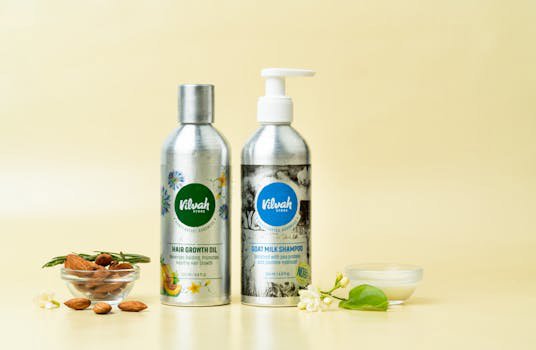
{{IMAGE:clarifying shampoo bottles flatlay on tile}}Pairing Products: Conditioner, Leave-Ins, and Styling That Won’t Pile On
Layering often causes the real trouble. You wash with a moisturizing shampoo, follow with a rich conditioner, add a leave-in cream, then top with oil. That stack creates a perfect storm for film. Trim it.
- Pick one heavy step: If you keep a plush conditioner, switch your leave-in to a spray. If you love an oil serum, keep the in-shower conditioner lighter.
- Choose water-light textures: Milk or mist leave-ins reduce residue at the root. They distribute evenly and evaporate. Creams suit coarse, high-porosity hair but can smother fine hair near the scalp.
- Watch overlapping silicones: If your conditioner lists dimethicone high, skip a finishing serum with the same base. Choose a silicone-free finishing product or a water-dispersible silicone blend.
- Apply away from the scalp: Start leave-ins 3–4 inches from the root. Use less than you think. You can always add more to ends.
Brand families often publish weight scales for their products. Prestige lines like Kérastase sort shampoos and treatments by hair thickness and dryness. Drugstore lines from L'Oréal and Garnier label “fine hair” or “thick hair” on bottle fronts now. Use those cues and match textures across steps. You’ll keep moisture where you need it—on the lengths—without smothering the crown.
When you want softness but fear buildup, try a richer mask less often rather than a rich conditioner every wash. That pattern keeps touchable ends and a clean-feeling scalp. You can scan gel-cream and light-butter textures in our Hair Masks section and compare size, claims, and reviews side by side.
Curly, Coily, and Wavy Hair: Moisture Without the Muddle
Curly and coily hair needs slip and moisture to reduce breakage. That truth often pushes routines toward co-washing and richer shampoos. Buildup can creep in faster as a result. You can keep moisture first and still protect bounce.
- Alternate cleanse types: Co-wash one week, then use a gentle shampoo the next. Slot a chelating wash monthly if you live with hard water or use gel daily.
- Watch polymer load: Cationic polymers define curls but also attract minerals. Choose formulas that pair amodimethicone with chelators, or opt for water-dispersible silicones.
- Style smart: Layer gel over a light leave-in, not a heavy cream, when humidity runs high. Oils last step, ends only.
- Refresh with water: Re-wet curls with water or a water-glycerin mist rather than adding cream on day two. That practice resets shape without piling film.
Our review data shows curl-care shoppers switch shampoo types more often than straight-hair shoppers. Rotation works. Keep a moisturizing shampoo for detangling days and a light clarifier for product-heavy weeks. If you color, pick color-safe claims first, then check for EDTA in the INCI list to guard against mineral haze.
Shopping Smart: Drugstore vs Prestige, and When to Buy
We watch price and inventory across Sephora, Ulta, Target, Amazon, and salon doors every day. Moisturizing shampoos hold stable pricing through most of the year and then discount in winter multipacks. Clarifiers and chelators swing more often around long weekends and big beauty events.
Drugstore lines give you generous sizes and frequent coupons. They suit families and frequent washers. Prestige and salon lines push targeted silicones, chelators, and bond-support actives with tighter INCI maps. They suit color-treated hair or specific textures that need a precise deposit profile.
You don’t need to pick a side. Build a small rotation: a balanced moisturizing shampoo, a lightweight conditioner, and a chelating reset. Check GlamGeek’s comparison on each product page, add the set to your wishlist, and let the alerts do the work. We’ve seen the same bottle cost less at one retailer in March and flip by June. Timing your cart beats chasing samples.
If you shop by brand familiarity, browse ranges from L'Oréal and Garnier at mass, and explore moisture-balanced picks within Kérastase for salon-led options. You can also compare moisture claims inside the Sephora Collection if you want a store-brand option with a color-safe lean.
Ingredient Labels to Love (and When to Walk Away)
Labels tell a story. You can spot red flags and green lights with a quick scan.
- Green lights: Amodimethicone plus cationic surfactants like cetrimonium chloride in small amounts, paired with EDTA. That combo targets damage and lets water rinse film more cleanly.
- Balanced cleansers: Coco-glucoside and cocamidopropyl betaine clean gently. They work well in a daily shampoo when you plan monthly chelating resets.
- Potential red flags for fine hair: High dimethicone near the top of the INCI plus waxes and heavy butters in the same formula. That trio often builds weight fast.
- Mineral trap risk: Polyquaternium-10 and -7 improve combing but may bind minerals. Balance them with chelators or cycle in a chelating wash.
Don’t fear silicones across the board. They defend against humidity and friction. Focus on the type and the pairings. Water-dispersible silicones behave better for frequent washers. Targeted silicones like amodimethicone suit damaged spots and rinse cleaner when paired with the right surfactants.
When you see a label that reads like a heavy conditioner with a little cleanser—multiple butters, oils, waxes, and dimethicone high on the list—treat it as an occasional treat, not a daily staple. Keep a lighter shampoo in the mix for most washes, and let the plush one handle the dire detangle days.
Routine Templates by Hair Type
Use these as starting points. Adjust with climate and water hardness.
Fine, straight or wavy
- Wash: Balanced moisturizing shampoo with EDTA.
- Condition: Lightweight, silicone-lite conditioner, mids-to-ends only.
- Reset: Chelating clarifier every 2–4 washes, then a light mask.
- Style: Mist leave-in plus a tiny drop of serum on ends only.
Medium, wavy or curly
- Wash: Moisturizing shampoo alternating with gentle cleanser.
- Condition: Medium-weight conditioner; comb through and rinse well.
- Reset: Clarify every 3–6 washes; chelate monthly in hard water.
- Style: Cream or gel, not both, unless humidity spikes.
Coarse, curly or coily
- Wash: Rich moisturizing shampoo; double-cleanse as needed.
- Condition: Rich conditioner or mask once weekly; lighter conditioner on other days.
- Reset: Chelate every 2–6 weeks; follow with bond-care or a plush mask.
- Style: Cream plus oil on ends; refresh with water on day two.
You can find moisturizers, resets, and masks across our haircare categories. Start with Moisturising & Nourishing Shampoos and pair with a lighter pick from Moisturising & Nourishing Conditioners. Then pick a reset from Hair Masks to bring slip back after clarifying.
What this means
Moisturizing shampoo can cause buildup, but you control the outcome. Ingredients that help your hair feel soft also lay down film. That film only becomes a problem when you stack it across steps, rush your rinse, or skip resets. A small rotation and a few technique shifts keep moisture working for you, not against you.
Build a routine that treats the scalp like skin and the lengths like fabric. Clean the scalp well. Condition the mids and ends with intention. Swap one heavy step for a lighter one when hair loses lift. Reset on a schedule that matches your water and climate. And shop with timing in mind; our data shows real price swings on both moisture and clarifying picks through the year.
What’s your current wash rotation, and where do you see film creep in—roots, crown, or ends? Tell us what you’re using and where you shop. We’ll help you build a clean-feel, soft-finish set and flag the best price when it drops.