Vitamin C serums keep getting crowned “best for glow”, and the headlines love a hero product.
Our take: in Australia, vitamin C isn’t mainly about “glow”. It’s about smart UV support, uneven pigment, and getting real results without buying a sticky, oxidised bottle you won’t finish.
That means choosing the right type of vitamin C, the right strength, and the right packaging for heat and bright bathrooms. Then pairing it with the one product that actually does the heavy lifting here: daily SPF Protection Products.
Context: why vitamin C gets hyped (and why Australia changes the rules)
Beauty round-ups often treat vitamin C like a universal must-have. The reality looks more conditional. Vitamin C can help with visible dullness, the look of post-acne marks, and overall tone. It can also support your sunscreen by reducing oxidative stress from UV exposure.
Australia’s UV levels make that “support role” more relevant than most markets. We deal with high UV for much of the year, plus big day-to-day swings: cold mornings, hot commutes, then indoor aircon. Those conditions stress skin and can amplify redness and uneven pigment.
There’s also the practical issue of stability. Vitamin C, especially L-ascorbic acid, degrades faster with heat, light, and air. In Australian summer, a serum left on a vanity can go off quickly. Oxidised vitamin C doesn’t just lose potency; it can feel tackier, look darker, and sometimes irritate reactive skin.

So the question we’d actually search is not “what’s the best vitamin C?”. It’s “do we need one, and if yes, which format makes sense for Australian conditions and budgets?”
Start here: do you even need vitamin C, or is your routine missing the basics?
Vitamin C works best as a “plus one” once the foundations stay consistent. If sunscreen use sits in the “sometimes” category, vitamin C won’t outsmart UV. If you cleanse harshly or over-exfoliate, vitamin C can sting and you’ll blame the ingredient.
We’d prioritise in this order:
- Daily sunscreen you’ll actually reapply (especially if you drive, walk at lunch, or sit near windows).
- A plain moisturiser that supports the barrier (look for glycerin, ceramides, squalane).
- A gentle cleanser that doesn’t leave skin tight.
- Then targeted actives like vitamin C, retinoids, azelaic acid, or exfoliating acids.
If your main goal involves brown spots, melasma, or stubborn post-inflammatory marks, vitamin C can help, but it rarely solves those concerns alone. You’ll also want strict SPF habits and often a second brightening ingredient. If your main goal is acne control, vitamin C can still fit, but it’s not the first lever to pull.
When vitamin C makes the most sense:
- You wear sunscreen daily and want extra support against visible photo-ageing.
- You get lingering post-blemish marks and want a tone-evening ingredient that layers well under makeup.
- You want a morning serum that plays nicely with Day Face Serums routines and doesn’t force a complicated night schedule.
- You can commit to finishing a bottle within its “best after opening” window.
When we’d skip it (for now): very inflamed, sensitised skin; aggressive use of acids; or if you’re already using multiple strong actives and can’t pinpoint what irritates you.
L-ascorbic acid vs derivatives: what to choose for heat, sensitivity, and results
“Vitamin C” on a label can mean several different molecules. They don’t behave the same way on skin, and marketing often blurs that.
L-ascorbic acid (LAA) has the strongest evidence for brightening and antioxidant benefits. It usually needs a low pH to work well, which can sting. It also oxidises more easily, so packaging matters. If you want maximum punch and you tolerate it, LAA sits at the top.
Derivatives (like sodium ascorbyl phosphate, magnesium ascorbyl phosphate, 3-O-ethyl ascorbic acid, and ascorbyl glucoside) tend to feel gentler and can suit sensitive skin. Some convert to active ascorbic acid in skin to varying degrees. Many work well for “maintenance” and mild brightening, but you may need patience and consistent use.
Australia-specific angle: if you know you won’t store your serum carefully, or you live in hot, humid conditions (hello, Queensland summers), a well-formulated derivative in an opaque, air-restrictive package can beat an unstable LAA that turns within weeks.
Practical selection guide:
- For pigment and stubborn uneven tone: consider LAA (often 10–20%) if your skin tolerates acids.
- For sensitivity or rosacea-leaning skin: start with a derivative or a lower-strength LAA.
- For oily/acne-prone skin: sodium ascorbyl phosphate often appears in formulas designed for breakouts.
- For dry skin: look for added humectants (glycerin, hyaluronic acid) and a non-drying base.
If a product relies on vague language like “vitamin C complex” without naming the form, we’d treat it cautiously. Ingredient transparency usually correlates with better formulation discipline.
How to use vitamin C in the morning (step-by-step) without pilling or irritation
Most women want vitamin C to sit under sunscreen and makeup without drama. That comes down to order, dry-down time, and not over-layering.
Here’s a routine that suits typical Australian mornings:
- Cleanse (or just rinse) with lukewarm water. If you use a foaming cleanser, keep it gentle. Over-cleansing can make vitamin C feel “hot”.
- Optional hydrating toner if you like one (especially in dry, airconditioned environments). Keep it simple—no exfoliating acids in the same step.
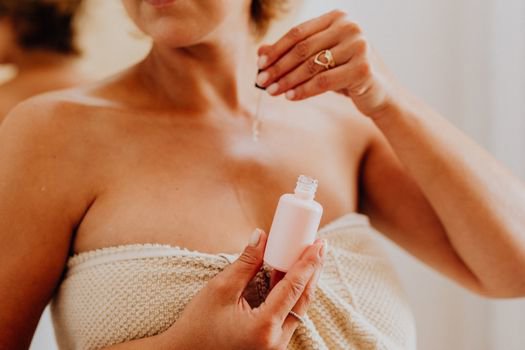
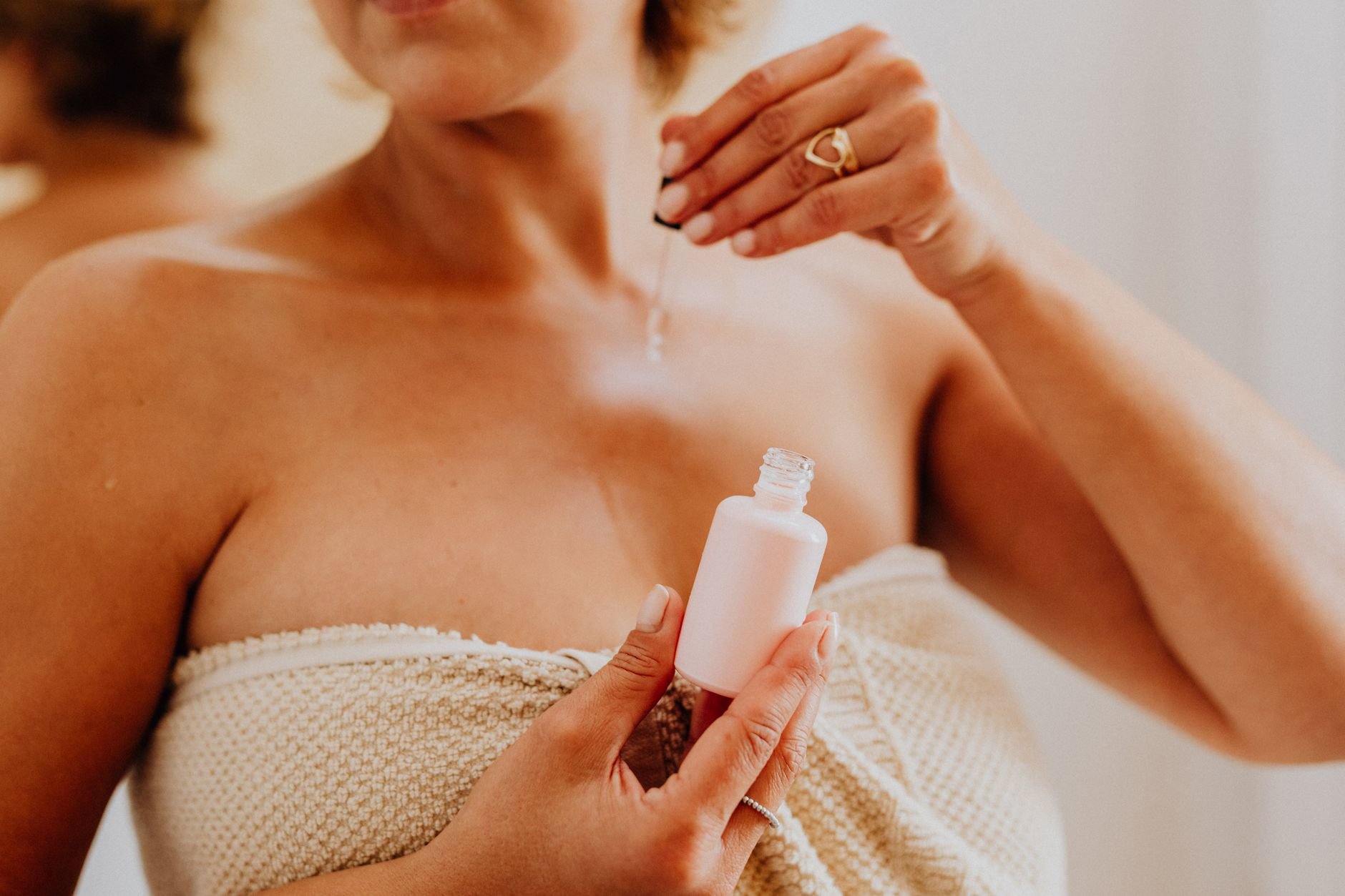
- Vitamin C serum: 2–4 drops for face and neck. Press, don’t rub aggressively.
- Moisturiser if you need it. Many oily skins can skip this in humid weather.
- Sunscreen: apply a generous layer and let it set before makeup.
Pilling fixes we see often:
- Too many silicone-heavy layers. Choose either a silicone-y primer or a silicone-y sunscreen, not both.
- Not waiting for your serum to dry. Give it 60–90 seconds.
- Using too much product. Vitamin C isn’t a “the more, the better” step.
Irritation fixes:
- Start every second morning for two weeks, then increase.
- Avoid layering vitamin C with strong exfoliating acids in the same routine.
- If you use prescription-strength actives at night, keep mornings calmer.
Makeup note: if you love a luminous base, vitamin C can help your skin look more even, but it won’t replace good prep. Pair it with a compatible Face Primers formula if you get shine or texture emphasised by sunscreen.
Packaging and storage: the unsexy detail that decides whether you wasted your money
Vitamin C serum performance often comes down to stability. This matters more in Australia than brands like to admit.
What we look for:
- Opaque bottles or UV-protective packaging.
- Air-restrictive pumps over droppers for L-ascorbic acid formulas, where possible.
- Smaller sizes if you use it slowly. Finishing before it degrades beats owning a bigger bottle.
- Clear ingredient naming (the exact vitamin C form) plus supportive antioxidants like vitamin E and ferulic acid for LAA formulas.
Storage rules that actually help:
- Keep it in a drawer, not on a windowsill or next to a steamy shower.
- In summer, consider the fridge if the label allows it. The goal is consistent cool temps, not freezing.
- Close the lid immediately. Oxygen exposure adds up over months.
Oxidation signs: deepening colour (especially amber/brown), a “metallic” smell, and increased stickiness. Some formulas start pale yellow and stay fine; the key is noticeable change over a short period.
If your serum oxidises quickly, don’t keep “pushing through” out of guilt. At that point, you can switch to a derivative formula next time, or buy a smaller size. Your skin doesn’t get bonus points for using unstable product.
Vitamin C pairings that work in real routines (and combos to avoid)
Vitamin C plays well with a lot of ingredients, but Australia’s heat and UV mean women often stack multiple “brightening” steps. That’s where irritation starts.
Works well together:
- Vitamin C + sunscreen: the classic. Think of vitamin C as backup, not the main shield.
- Vitamin C + niacinamide: modern formulations handle this pairing well. If you flush easily, patch test first and introduce slowly.
- Vitamin C + hydrating serums: especially if you use Anti Ageing Face Serums that focus on peptides or barrier support.
- Vitamin C + azelaic acid (split routines): vitamin C in the morning, azelaic at night often suits pigment and redness.
Use caution:
- Vitamin C + strong AHAs/BHAs in the same routine: this can sting, especially with LAA. If you exfoliate, keep it to nights and not every night.
- Vitamin C + strong retinoids at the same time: not “forbidden”, but it raises irritation risk. Many women do better with vitamin C mornings and retinoid nights.
If you want to build a tight routine, keep your morning anchored by vitamin C and SPF, and keep night anchored by moisturiser and one targeted active. Your barrier stays calmer, and your results stay more predictable.
Where to buy in Australia (and how to shop without paying the “Australia tax”)
Vitamin C pricing swings wildly here. Some global “hero” serums land at premium pricing once they hit Australian retailers, and the same brand can price differently across Mecca, Sephora Australia, Adore Beauty, Priceline, Chemist Warehouse, and MYER.
Across our merchant feed, vitamin C products also show frequent short promos and gift-with-purchase spikes, rather than permanent price cuts. That matters because vitamin C has a shelf life. Buying two backups because you spotted a deal can backfire if you won’t finish them in time.
We’d shop by risk level:
- First-time vitamin C users: buy a smaller size or a gentler derivative from a retailer with easy returns. If your skin reacts, you want an exit plan.
- Experienced LAA users: buy from a retailer with fast shipping and good stock turnover. Freshness matters more than saving a few dollars.
- Sensitive skin: lean towards pharmacy-adjacent options where formulas often sit in simpler bases and brands publish more stability guidance.
- Budget shoppers: consider high-street brands with decent packaging, and check current pricing rather than assuming the shelf ticket is “normal”. Our tracker routinely shows meaningful fluctuations.
If you already buy your staples at Priceline or Chemist Warehouse, it can make sense to keep vitamin C in that same ecosystem so you can buy it more frequently in smaller amounts. If you buy from Mecca or Sephora Australia, watch for sets—just don’t stockpile beyond what you can use.
Brand note: women often ask whether a luxe vitamin C outperforms a sensible mid-price formula. Sometimes it does, but the difference often comes down to packaging, elegance, and tolerability. If you need a fragrance-free option, you’ll often find more choices in clinically positioned ranges than in heavily scented prestige skincare.
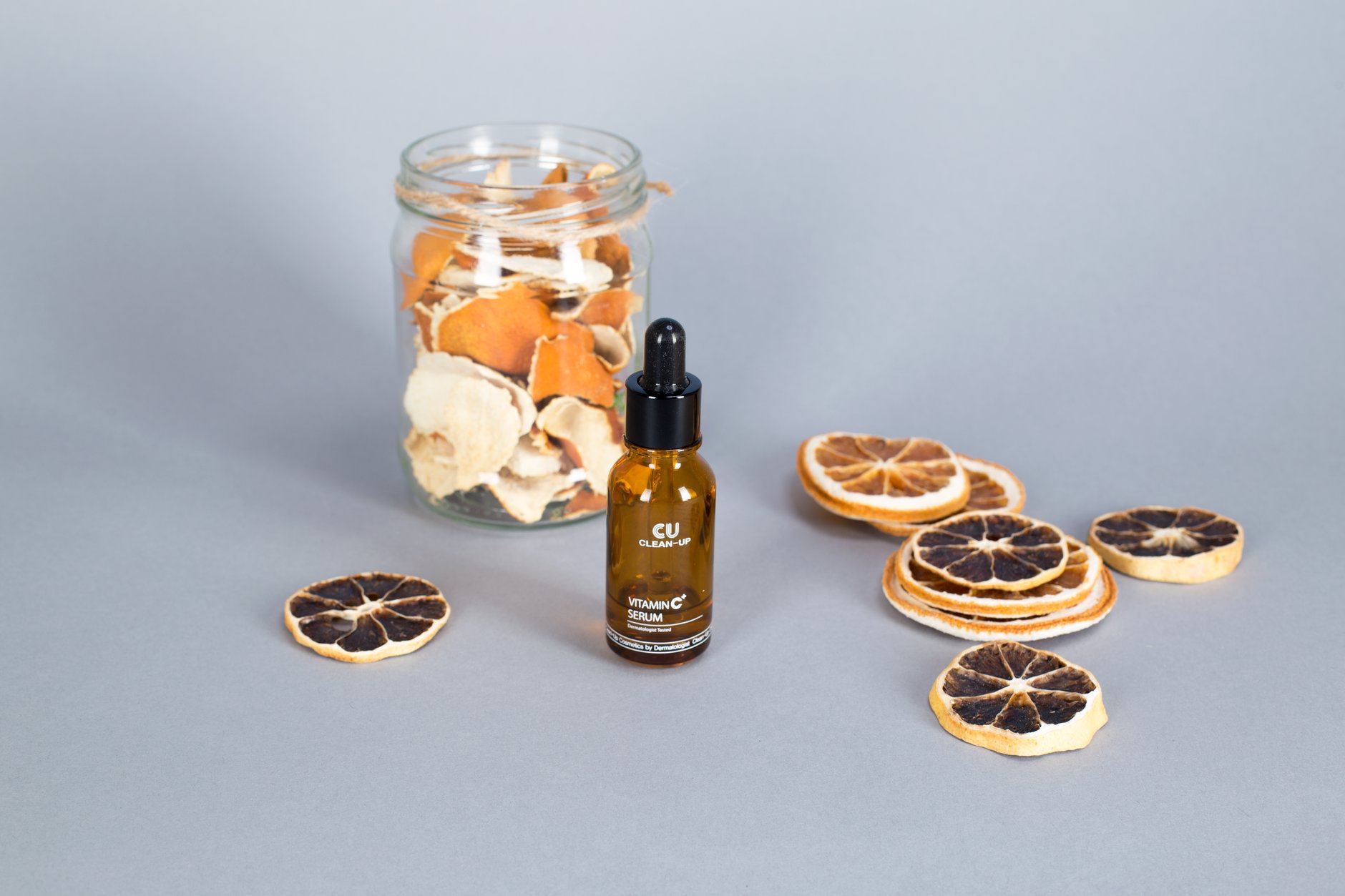
Product “types” we rate (and what to look for on the label)
We can’t responsibly throw out random price tags without live feed data in this brief, but we can point you towards the formula styles that deliver the best odds in Australian conditions.
1) Classic low-pH L-ascorbic acid serums
Look for: L-ascorbic acid named clearly; supportive antioxidants (often vitamin E/ferulic); opaque packaging; and a texture that dries down without a greasy film. These suit women chasing visible tone improvement and who tolerate actives.
2) Water-based derivatives for sensitive or reactive skin
Look for: sodium ascorbyl phosphate, magnesium ascorbyl phosphate, ethylated ascorbic acid, or ascorbyl glucoside high in the ingredient list; minimal fragrance; and added humectants. These suit women who want brightening without the sting.
3) Vitamin C moisturisers
Look for: a derivative form (often more stable in creams), plus barrier helpers like ceramides. These work for women who won’t use multiple steps and want “good enough” consistency.
4) Vitamin C powders
These can stay stable longer because you mix fresh, but they add user error. If you mix too strong, you’ll irritate your skin fast. If you under-mix, you won’t see much change. We’d recommend powders only to women who already understand their skin and keep the rest of their routine calm.
5) Vitamin C eye products
We’d keep expectations modest. Under-eyes often respond better to hydration, gentle retinoids (if tolerated), and pigment-focused ingredients like caffeine or niacinamide. If puffiness and darkness top your list, browse proven textures in ranges like Clinique or Estée Lauder, but don’t rely on vitamin C alone to “fix” genetics or sleep-related shadowing.
What this means for Australian women: a simple decision tree
Vitamin C earns its keep when you treat it like an everyday support act, not a miracle lead. In Australia, we’d rather see you spend your effort on consistency and stability than chase the most hyped formula overseas.
Use this quick decision tree:
- You wear SPF daily and want brighter, more even tone: start with a gentle derivative for 6–8 weeks. If you plateau and your skin stays calm, step up to L-ascorbic acid.
- You get irritation easily: choose fragrance-free, lower strength, and use it 3–4 mornings per week. Keep exfoliants minimal.
- You live in hot/humid weather or store products in a warm bathroom: prioritise stable packaging and smaller sizes. Don’t stockpile.
- You mainly want “glow” under makeup: vitamin C can help over time, but a good sunscreen, moisturiser, and base product will change the look faster.
If you also want anti-ageing benefits, keep your plan balanced: vitamin C in the morning, and a well-tolerated retinoid or barrier-focused Anti Ageing Face Creams approach at night. More actives don’t automatically mean better skin.
Sign-off: tell us your skin type and your biggest frustration
Are you shopping for vitamin C to tackle pigment, post-acne marks, or just that “flat” look that sunscreen can sometimes leave behind?
If you tell us your skin type (dry/oily/sensitive), your climate (humid north vs dry south), and what you’re already using in the morning, we’ll point you towards the vitamin C format that makes the most sense—and the routine tweak that will matter more than the label.
![Lumene Nordic-C [Valo] Glow Cream Spf30](https://media.glamgeek.com/media/2026/02/06/c0cef909-16ab-49f9-865e-278e63871493_sm.jpg)