Conditioner sells hard in Australia. Our price tracker sees more discount rotations on conditioners than shampoos at key retailers, and bottles move faster in summer. The question we hear most on GlamGeek right now: should you condition every day?
The short answer: it depends. Hair type, porosity, oiliness, and damage all change the rules. Some women thrive on daily moisture. Others get limp roots, itchy scalps, and build-up within a week. The trick is matching frequency and formula to your hair, not following a trend.
We’ve organised the facts, the hair science, and the practical tweaks that actually work in Australia’s heat and UV. No fluff. Just what to do, when to do it, and what to buy if you want better hair days more often.
Context: when daily conditioner helps, and when it backfires
Conditioner reduces friction, smooths the cuticle, and replaces what surfactants and sun strip away. Daily use can keep frizz down and split ends quieter. It can also soften coarse strands so they coil and bend without snapping. If you wear your hair out in the wind or sun, you lose moisture faster. Daily conditioning can counter that loss.
But oilier scalps pump out sebum fast. Daily conditioner near the scalp can push hair flat by lunch. Build-up from heavy silicones can block lightweight styling hold. And if you wet fragile, high-porosity hair every day, the constant swelling and shrinking can worsen breakage. Frequency matters as much as formula.
Across our merchant feed since 2010, we’ve watched conditioner shelves split into three big groups: rinse-out, leave-in, and masks. There’s also the co-wash category, which uses mild cleansers plus conditioning agents to replace shampoo on some days. Your schedule and your pick from those groups decide whether daily conditioning makes sense.
Australian context matters. High UV year-round, salty beach days, and sweaty commutes change the moisture maths. Water hardness varies by city. Heatwaves push more women to tie hair up, which causes friction at the nape. Daily care can help repair that micro-damage. It can also overload fine roots if you pick the wrong texture.
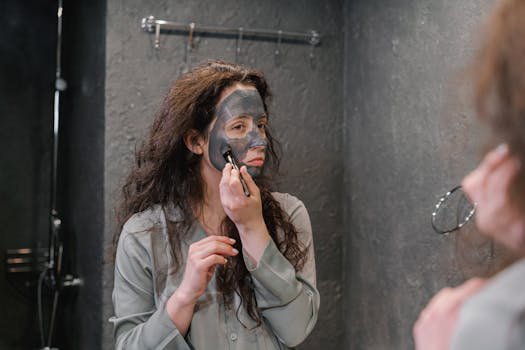
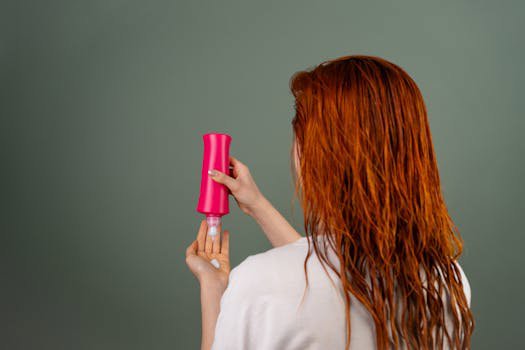
{{IMAGE:woman washing hair in shower}}Fine or oily hair: condition the ends, not the scalp
Fine strands and oily scalps rarely love daily conditioner from roots to tips. The hair shaft diameter is small, so even a light cream can weigh it down. Sebum also travels faster down straighter, finer hair. That natural oil is a built-in conditioner near the top third of the strand.
What works better: condition where you need slip. Focus product from the ear line down. Keep the scalp clean and light. Skip daily washing if your scalp allows it. When you do wash, use a light rinse-out formula that rinses clean. Look for words like “lightweight”, “volumising”, or “fine hair” on the bottle, plus humectants such as glycerin and panthenol rather than heavy butters.
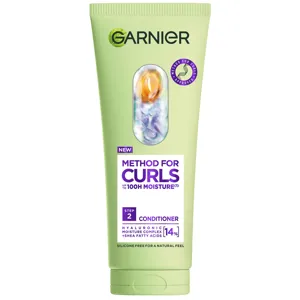
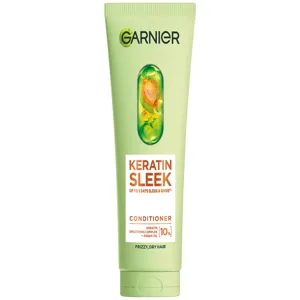
Between wash days, switch to a leave-in spray on the ends only. This gives detangling and heat protection without greasing the roots. Add a once-weekly mask to rebalance dry lengths if your mid-lengths feel parched. We rate lighter conditioners from brands like Garnier and L'Oréal for this hair type. Compare options across our Moisturising & Nourishing Conditioners category and add a couple to your wishlist. We’ll ping you when they drop at Adore Beauty, Priceline, Chemist Warehouse or MYER.
Daily? Only if sweat or the beach forces a rinse. In that case, try water-only rinses on alternate days and a small dose of conditioner on the ends. Keep anything creamy far from the scalp. If you often get flat roots by afternoon, reduce frequency rather than hunting for a stronger shampoo.
Medium density, normal scalp: your routine can flex
Medium hair tolerates more conditioner without flopping. If your scalp feels balanced and you wash three to four times a week, use a standard rinse-out every wash. Adjust the dose by season. Hot, dry wind in summer and heated offices in winter both call for a little more slip.
Alternate your routine to avoid build-up. Use a rinse-out on wash days that follow styling with hairspray, gels, or creams. Choose a leave-in on low-product days when you just need frizz control. If strands feel coated after a fortnight, use a clarifying shampoo once and return to your normal cycle. You do not need to clarify weekly unless you swim a lot.
Scan formulas for cationic conditioners like behentrimonium chloride or methosulfate. They bind to the hair surface and rinse clean. Add panthenol, amino acids, and lightweight silicones for slip without gunk. Kérastase offers polished options if you prefer luxe textures. Budget picks pop up under L'Oréal and Garnier at supermarkets. Use GlamGeek’s compare button on each product page before you buy. We track prices across the big Australian retailers so you don’t have to.
Should you condition every day? You don’t need to, but you can, if you pick the right texture and place it where you need it. If your scalp never feels greasy and your ends tangle by morning, a daily spritz-on leave-in is the easiest fix.
Thick, coarse or coily hair: daily moisture often pays off
Coarse strands have a larger diameter. Coily textures fold tightly and rub against nearby strands. Both lose moisture faster. Daily conditioner can help curls retain shape, reduce single-strand knots, and prevent that dry halo by mid-week.
Daily does not need to mean a full wash. Many women with curls rinse with water, then apply a light conditioner or leave-in, and style with cream or gel. Co-washing two to four times a week and shampooing once works well if your scalp agrees. In humid northern Australia, humectants pull water from the air and keep definition. In dry heat, focus more on emollients and occlusives.
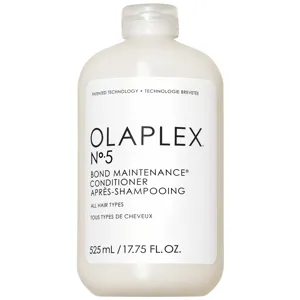
Pick richer textures with butters and oils if your hair feels like straw by day two. Try a mask as a conditioner when you need extra slip. Curls also love bond-building conditioners after colour, but don’t overuse protein if your hair goes stiff or crunchy. Our Hair Masks category is a good place to shortlist options. Add a few to your GlamGeek wishlist and we’ll email you when Sephora Australia, Adore Beauty or MYER run promos.
One caveat: keep conditioner off the scalp unless you co-wash with a formula designed for it. Scalp itch, flakes or bumps mean scale back. Use a gentle shampoo on your next wash and monitor how your scalp feels over 48 hours.
Colour-treated, bleached or heat-damaged hair: smart daily care, not constant wetting
Colour and bleach raise porosity. Heat styling depletes lipids on the surface. Both issues need steady moisture and protection. Daily conditioner can help, but constant wetting can backfire. Hair swells when wet and shrinks when dry. Over time, that cycle stresses cracked cuticles.
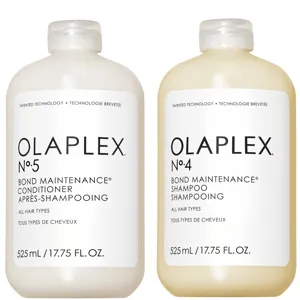
Try this pattern. On wash days, use a creamy rinse-out conditioner with ceramides, amino acids, and a touch of silicone for slip. On off days, mist a leave-in for UV and heat protection and skip a full rinse. Add a bond-care conditioner once or twice a week instead of every day. Slot a rich mask into the routine once a week if your ends still frizz.
Blondes often need a violet or blue conditioner to tone brass. Use it weekly or fortnightly. Follow with a hydrating conditioner if the toning step feels drying. If your hair stretches a lot when wet and snaps when brushed, you need both protein and moisture but not daily. Rotate products rather than layering them all at once.
Brands like Kérastase and L'Oréal cover this category well in Australia. Watch for seasonal bundles in our feed. Add the set you want to your wishlist and GlamGeek will alert you when Mecca or Sephora Australia run a deal.
Porosity wins or loses the daily debate
Porosity describes how open or sealed your cuticle layers are. High-porosity hair has gaps that leak moisture fast. Low-porosity hair has tight cuticles that repel water and resist product. Each one changes the answer to daily conditioning.
High porosity often benefits from frequent conditioning. Emollients and film-formers reduce frizz and help hold water in the strand. Daily leave-in can work, with a richer rinse-out two to three times a week. Seal your ends with a light oil if they puff by midday. Watch for overuse of protein. Protein strengthens, but too much makes strands rigid.
Low porosity needs patience and heat more than daily frequency. Conditioner sits on the surface and refuses to sink in. A daily rinse can make hair feel coated. Try conditioning every second or third wash. Use a warm towel or a shower cap for five minutes to open the cuticle. Pick lighter conditioners with smaller molecules and fewer heavy butters. If your hair beads water and rejects product, you sit in this camp.
Not sure where you land? After washing, skip products and see how fast your hair dries. If it dries very fast but still frizzes, you may have high porosity. If it stays wet for ages yet still feels coated, you may have low porosity. Tweak frequency and texture based on what you see in the mirror, not a chart on social media.
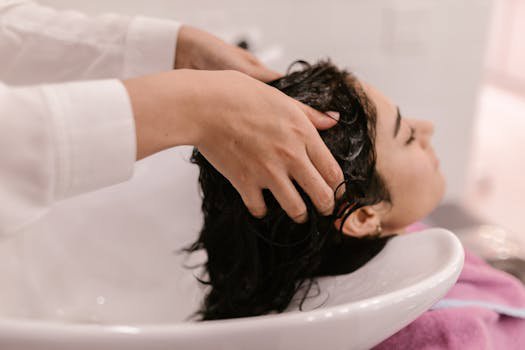
{{IMAGE:close-up of curly hair texture woman}}Co-washing and the Curly Girl angle: who should do it daily?
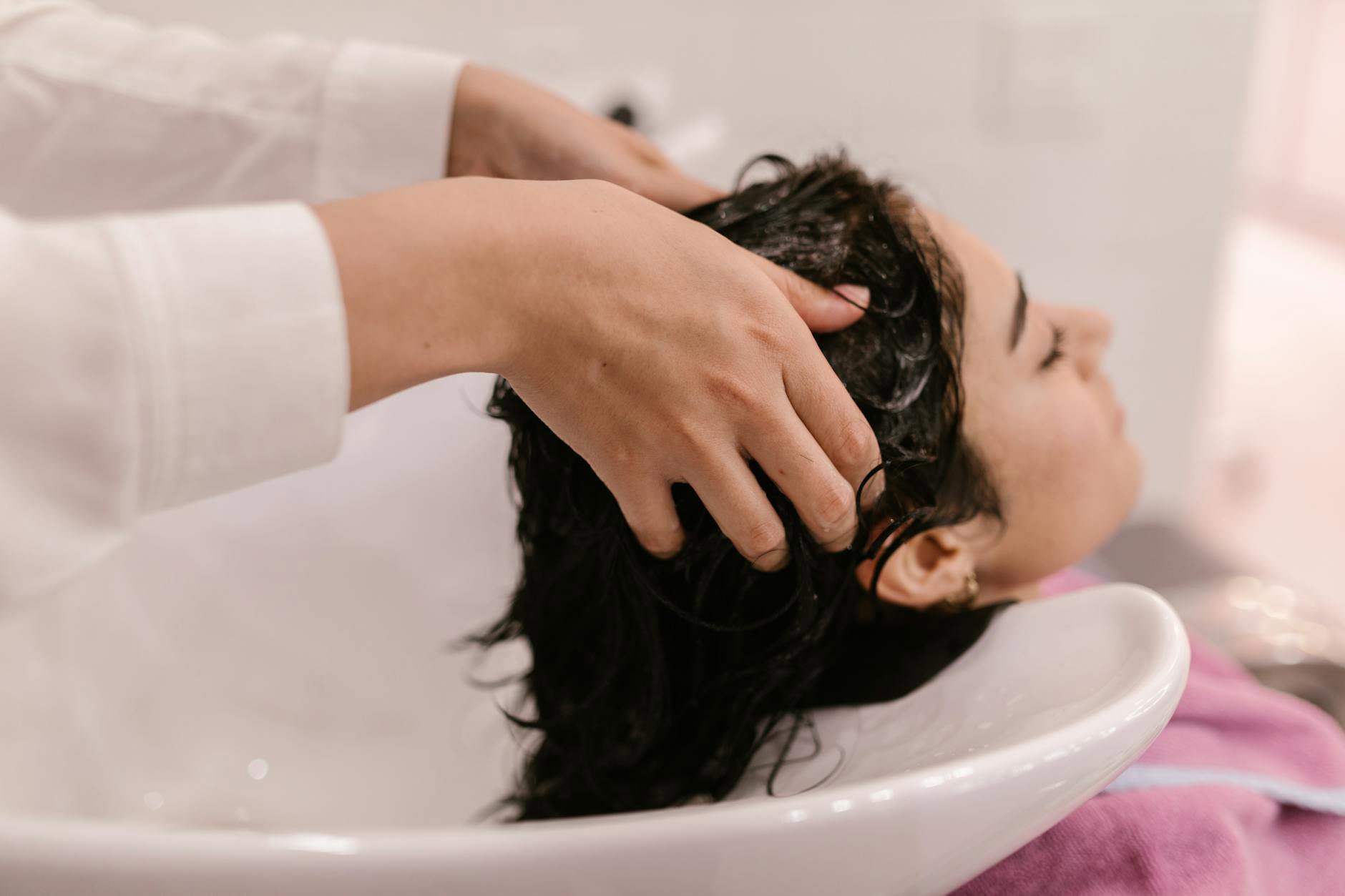
Co-washing replaces shampoo with a conditioner that includes mild cleansers. It can boost slip and reduce frizz. It also preserves colour because stronger surfactants lift dye molecules faster. Daily co-washing can work in very dry climates or on very dry hair. It will not suit everyone.
Try co-washing if your scalp feels comfortable after a trial week and your curls clump better with it. Use a dedicated co-wash formula or a silicone-free conditioner with mild surfactants. Massage the scalp well. Rinse long. Add a clarifying shampoo once every one to two weeks to prevent build-up. Daily co-washing often needs that reset, especially in humid weather.
Skip daily co-washing if your scalp feels itchy, tight, or tender, or if you see flakes and increased shedding. Those signs suggest residue or irritation. Switch to a gentle shampoo twice a week and keep your conditioner for the mid-lengths and ends. In Australian humidity, bacteria and yeast thrive on residue. Balance moisture with scalp hygiene.
If you keep a low-product routine, co-washing can be a time-saver. Add a richer mask once a week to top up nourishment. Shop our Moisturising & Nourishing Shampoos along with Moisturising & Nourishing Conditioners to build a flexible duo. Use GlamGeek’s compare feature on the product pages to check local stock at Adore Beauty, Priceline and Chemist Warehouse.
Scalp-first: oiliness, dandruff and sensitivity change the rules
Healthy hair starts with a comfortable scalp. Daily conditioner on the scalp can trigger itch for some women. If you have seborrhoeic dermatitis or dandruff, daily conditioning near the scalp can make flakes look worse. Focus on the ends and use targeted scalp care on separate days.
If you wake with oily roots by morning, try this. Use a gentle shampoo, then a light conditioner from the ear line down. Skip conditioner on the scalp. Use a leave-in only on dry ends between washes. This keeps the moisture where you need it and reduces oil redistribution at the roots.
Sensitivity calls for fragrance-light or fragrance-free options. Rinse well and avoid very hot water. If your scalp stings or burns after conditioning, stop and swap. Persistent itch, scaling, or hair loss deserves a check with a dermatologist. Products help, but medical conditions need medical care.
We track many scalp-friendly formulas across supermarket and salon shelves. Brands under our L'Oréal hub often include gentle options. Luxe lines like Kérastase offer targeted scalp and length systems. Save them to your GlamGeek wishlist and we’ll alert you when MYER or Sephora Australia switches them on promotion.
Technique matters more than frequency
Even the best conditioner fails if you rush it. Squeeze out water after shampoo. Water dilutes conditioner. Less water means more actives where they need to go. Apply in sections if your hair tangles. Use a wide-tooth comb or your fingers to distribute product. Leave it on for two to five minutes while you wash your body.
Rinse longer than you think. Many women leave residue behind at the nape. If hair feels slimy, keep rinsing. Finish with cool water if your scalp tolerates it. That reduces friction and helps the cuticle lie flat. Blot with a T-shirt or microfibre towel. Rubbing roughens the surface and creates frizz.
Respect product types. Rinse-outs offer slip and quick softness. Leave-ins protect from UV and heat. Masks repair with richer emollients and sometimes protein. You do not need every product every day. Build a small rotation that suits your week. Daily conditioner is one tool, not the whole toolkit.
Heat protection is non-negotiable in Australia. If you heat style, use a leave-in with thermal protection every time. If you spend time outdoors, part-line sunburn also hurts. A touch of SPF along the part line helps. Our SPF Protection Products category lists women’s face SPFs that work on exposed scalp skin as well. Look for gels or sprays that dry clear.
Post-workout and beach days: daily without wrecking your hair
Sweat adds salt to the scalp. Salt attracts water and can roughen the hair surface. Chlorine does worse. Daily rinsing after training or a beach swim makes sense. You can protect your style and still condition smartly.
After the gym, try a water rinse and a tiny amount of conditioner on the ends only. Or skip the rinse and use a light leave-in for detangling. If your roots smell or feel gritty, use a gentle shampoo and a light conditioner. Save masks for rest days.
Swimmers should pre-wet hair before a pool. Wet hair absorbs less chlorinated water. Coat the ends with a small amount of conditioner before a swim, then rinse and condition again after. If hair starts to feel rough, add a chelating wash once or twice a month to remove minerals, then follow with a nourishing conditioner.
Beach hair loves emollients. Rinse salt out as soon as you can. Use a silicone-free leave-in if you air-dry and prefer texture. If you want smoothness, use a creamy conditioner and then blow-dry with heat protection. Shop our Moisturising & Nourishing Conditioners and cross-check availability at MECCA, Sephora Australia, Adore Beauty and Priceline through GlamGeek. Add your top pick to the wishlist to catch the next promo cycle.
So, should you condition every day? The rulebook by hair type
Here is the fast version based on hair type, porosity, oiliness and damage. Use it as a starting point and adjust for season and styling habits.
- Fine, oily hair: condition only the ends on wash days. Use a light leave-in as needed. Daily only if sweat or salt demands a rinse.
- Medium, balanced hair: condition every wash. Consider a leave-in on off days. Clarify when hair feels coated.
- Thick, coarse or coily hair: daily moisture often helps. Alternate co-wash, rinse-out conditioner, and leave-in. Keep scalp clean.
- Colour-treated or bleached hair: steady hydration, less constant wetting. Use leave-in protection daily, rinse-out two to four times a week, and a weekly mask.
- High porosity: frequent conditioning and sealing help. Go richer. Watch protein balance.
- Low porosity: less frequent, more heat-assisted conditioning. Go lighter. Avoid heavy butters every day.
- Oily or sensitive scalp: keep conditioner off the scalp. Focus on ends. Treat the scalp separately.
Daily conditioner is fine when hair drinks it and looks better for it. If your scalp itches, roots collapse, or ends feel sticky, reduce frequency or switch texture. Use what the mirror tells you, then let your wishlist follow.
What this means for your next shop
Buy by hair problem, not by logo. If your ends tangle, you need slip. If your curls frizz, you need moisture and hold. If your colour looks flat, you need gentle cleansing and consistent conditioning. Our category pages group those needs so you can compare like with like. Start with Moisturising & Nourishing Conditioners, then add a backup from Hair Masks for recovery days. If heat or sun is part of your routine, add an SPF for your skin from our SPF Protection Products so your part line stays protected too.
Use GlamGeek like a savvy friend who checks three stores at once. Tap compare on the product page to see who has stock in Australia. Add your picks to the wishlist. We’ll notify you when Adore Beauty, Sephora Australia, Priceline, Chemist Warehouse, MYER or MECCA change price or drop a set. The Australia tax hits haircare some months, but patient shoppers rarely pay full price for long.
We keep tracking trends across shampoos, conditioners and masks. When we spot a formula that starts to get repeat promotions, we flag it in the feed so you can time your buy. If you shift hair type due to a cut, colour, or the seasons, update your wishlist and swap in new options from brands you trust, from Garnier and L'Oréal through to salon picks like Kérastase.
Tell us how often you condition
Which camp are you in: daily conditioner, leave-in only most days, or once-a-week mask and call it done? Share your routine and hair type. We’ll update this guide with the patterns we see across Australia, and we’ll highlight the conditioners that keep winning on both performance and price.