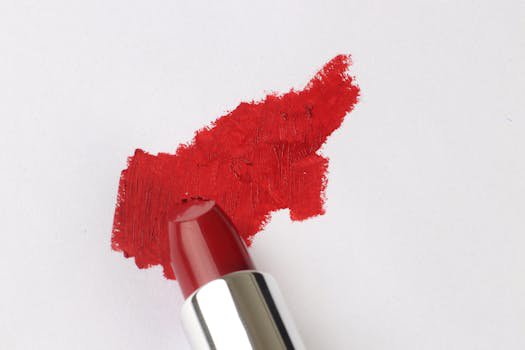
Powder bronzer adds dimension in two different ways: for warmth it mimics sun-kissed colour across high points, and for contour it creates soft-looking shadow to shape the face. The best results come from choosing the right undertone and finish, then placing product in controlled, face-shape-specific zones.
Most “bronzer fails” come from one of two problems: the shade runs too orange for a shadow, or the placement sits too low and drags the face down.
Get those right and powder bronzer becomes one of the fastest tools for believable definition—especially in Australia, where heat, sweat and high UV make long-wear, low-fuss powder formulas genuinely practical.
We also see a pattern in our price tracker: people often buy one bronzer and expect it to do everything. It can, but only if you use it differently for contour versus warmth (and accept a few trade-offs).
Before we get into placements, a quick reality check: bronzer is not a substitute for SPF. If you want warmth, start with SPF Protection Products and then add colour on top.
Bronzer vs contour: what changes (shade, finish, and intent)
Contour aims to create shadow. Warmth aims to create sun exposure. Those goals pull your bronzer choices in different directions.
For contour, you want a tone that reads slightly cooler or neutral on your skin, because natural shadows don’t look orange. Matte helps because shine catches light and cancels the “recede” effect you’re trying to build. That’s why matte powder bronzers tend to work best when you’re using bronzer as contour.
For warmth, you can go a touch more golden and a touch more radiant (but still believable). The aim is a “where the sun would hit” effect: forehead perimeter, bridge of nose, upper cheeks. You can still use matte. You just need softer placement and a shade that looks like your skin after a weekend outdoors, not after fake tan.
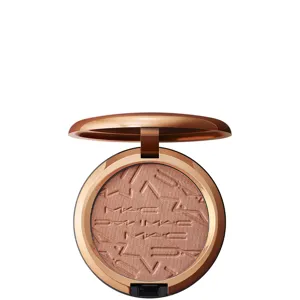
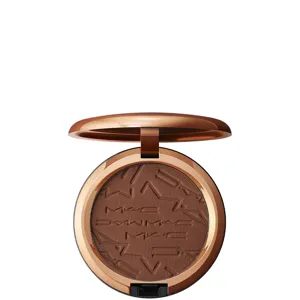
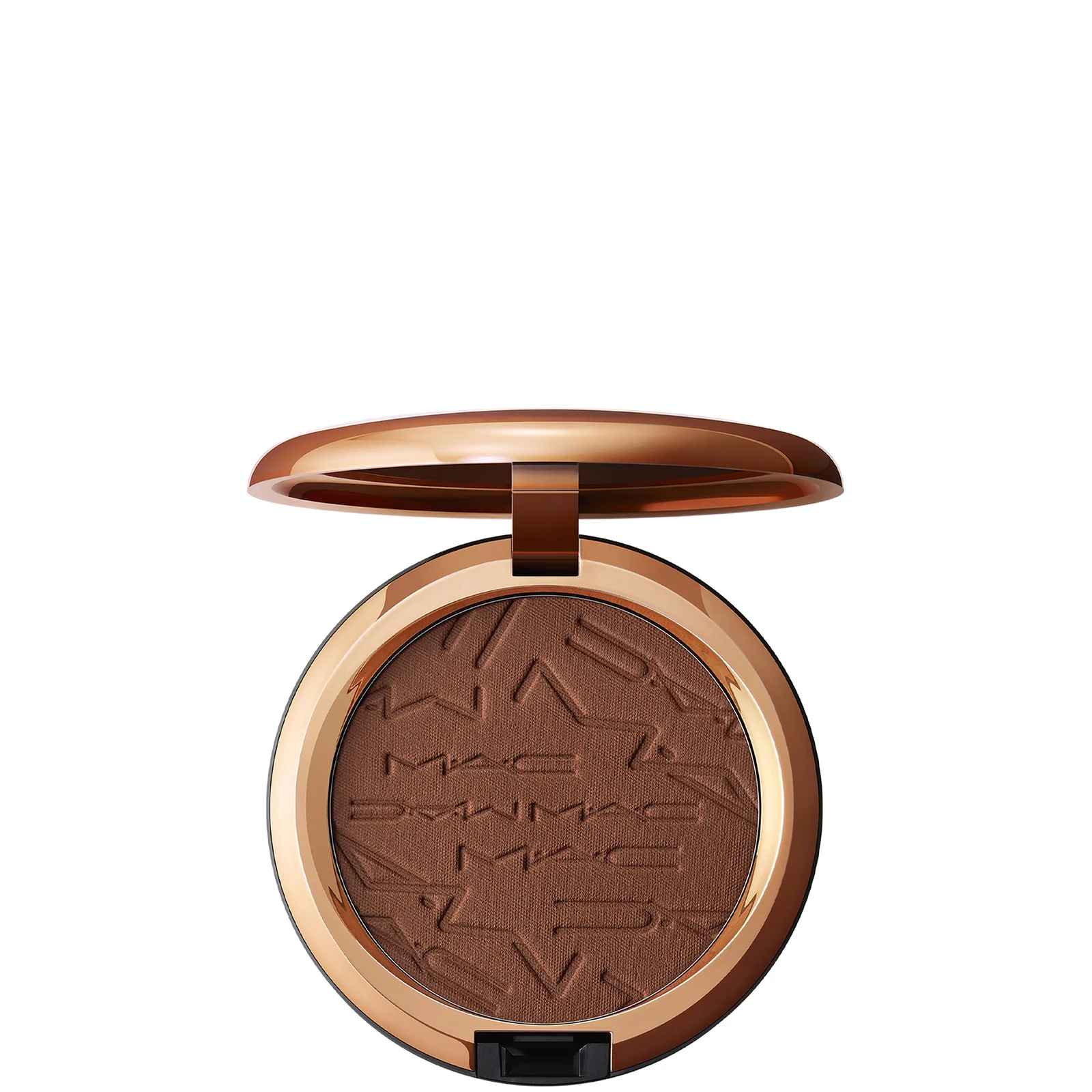
One product can do both if the undertone sits in the middle and you adjust placement. In our current powder-bronzer set, MAC Skinfinish Sunstruck Matte Bronzer suits that “two jobs” brief well because it gives a smooth matte finish and uses double-processed pigments designed to keep colour rich while blending easily. It starts from A$62.72.
If you prefer warmth with a classic bronzed look, Nars Laguna Bronzing Powder focuses on a glowing, golden-hour style warmth and multi-dimensionality, and you can sweep it across contours, forehead and jawline. It starts from A$74.48 according to our tracked pricing.
Choosing one powder bronzer for two jobs (without the orange problem)
If you only buy one bronzer, pick it based on how it behaves as a shadow, then adjust application for warmth.
That usually means: choose a shade that looks slightly muted in the pan, not bright. If it looks very warm or very red/orange, it will likely read as “bronzer” but not “contour.” On fair to light skins, the wrong warmth can show up as a stripe fast. On medium to deep skins, an overly warm bronzer can look ruddy instead of sculpted.
Finish matters too. Matte gives you more control in Australian daylight, and it photographs cleanly. A luminous bronzer can look stunning for warmth, but on oily skin or humid days it can slide into “shiny where you wanted shadow.”
In the products we track here, we’d shortlist like this:
- Best “one bronzer, two techniques” pick: MAC Skinfinish Sunstruck Matte Bronzer (from A$62.72). Matte finish and finely milled powder help you build both contour-style depth and soft warmth.
- Best for warmth-first users: Nars Laguna Bronzing Powder (from A$74.48). Designed to create golden-hour warmth and a sun-kissed finish.
- Best travel or “try before you commit” option: Nars Mini Laguna Bronzing Powder (from A$39.20). Same concept, smaller commitment.
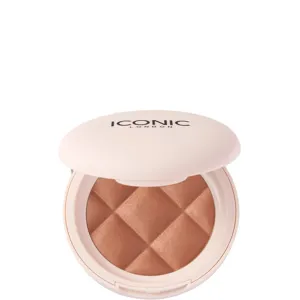
- Best for dry skin that still wants powder payoff: Iconic London Soft Touch Bronzer (from A$50.96). It aims for a soft-focus powder finish with “cream-like” benefits, and includes vegan collagen, hyaluronic acid, ceramides and squalane to support a smoother look.
One more practical filter: if you rely on powder bronzer for contour, you need it to blend without skipping over texture. Finely milled formulas help because smaller particles sit more evenly on skin. MAC calls out a finely milled powder and a “Marshmallow Cushion Blend” for a smoother laydown, which suits contour-style placement where edges matter.
Placement for warmth: the “sun path” map (and how to keep it natural)
Warmth should look like daylight, not like a line. That’s the whole trick.
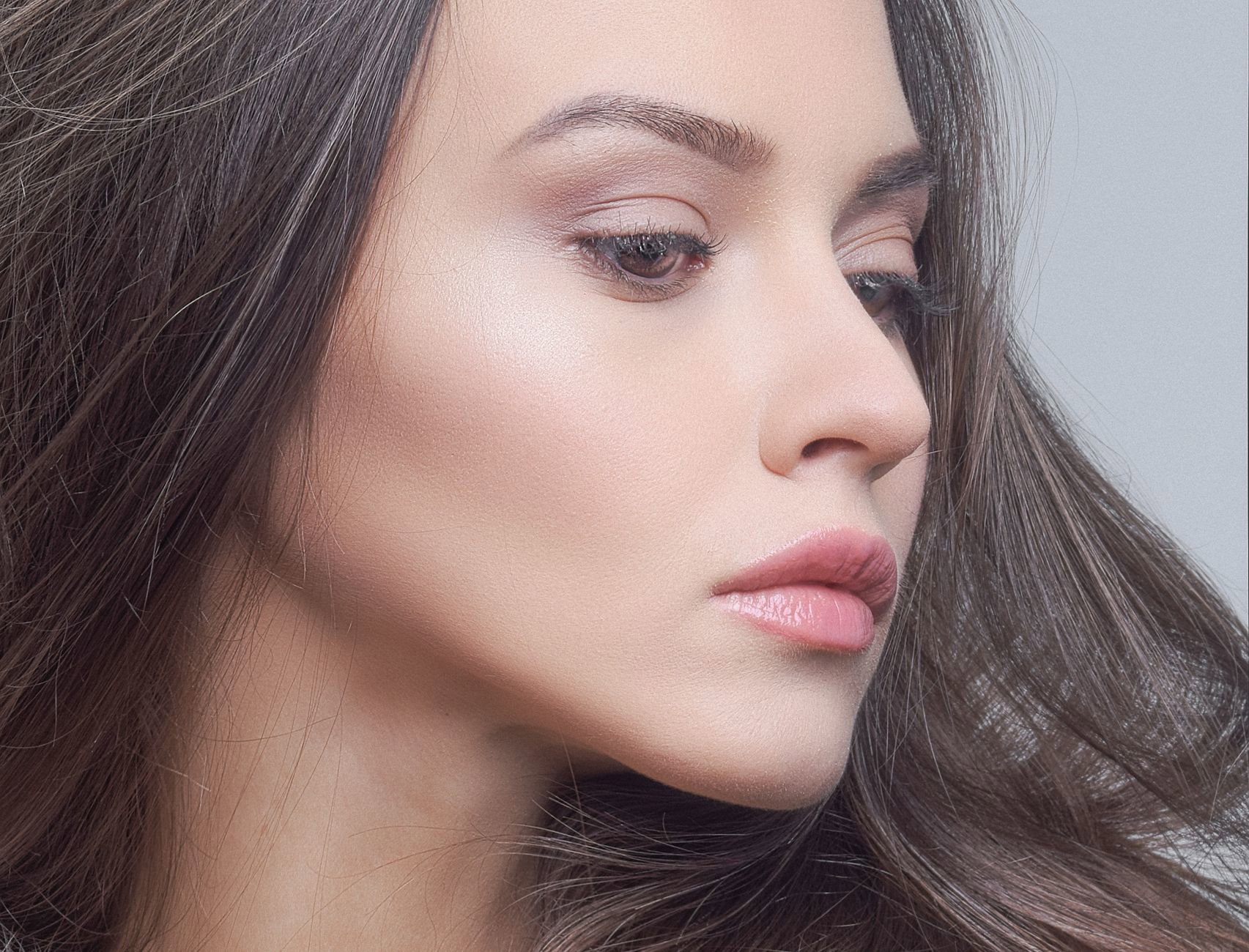
Use a “sun path” placement: start at the forehead perimeter (near hairline), move to the high outer cheek area, then sweep lightly along the jawline only if you need balance between face and neck. Keep the centre of the face fresher. If you bronze the centre too much, you lose contrast and everything turns flat.
Step-by-step warmth placement with powder bronzer:
- Forehead: sweep around the perimeter, not across the centre. Think “frame,” not “cap.”
- Cheeks: apply on the upper cheek area (near the top of the cheekbone) and blend back towards the temple. Stop before the apple of the cheek.
- Nose (optional): a light touch across the bridge can look sun-kissed. Keep it subtle, especially in strong Aussie sunlight.
- Jawline (optional): a whisper of product can unify colour. If your base already matches well, skip this step to avoid muddiness.
If you use Nars Laguna Bronzing Powder for warmth, you can follow the brand’s own intent: sweep across facial contours, forehead and jawline to create a natural-looking, sun-kissed finish. With MAC Skinfinish Sunstruck Matte Bronzer, lean into the matte softness and build in thin layers so it never reads heavy.
Hot-weather note: powder bronzer can grab onto damp sunscreen or tacky base. Let your Day Face Moisturisers and SPF set down fully before you bronze. If your base stays sticky, bronzer can go patchy no matter how good the formula is.
Placement for contour: the “shadow structure” map (and where most people go wrong)
Contour with powder bronzer works when it sits in the right place and stays softly blended. Harsh lines look obvious in daylight.
Start by finding your cheekbone structure. The contour zone sits under the cheekbone, not on it. If you place bronzer too low (near the hollow), the face can look droopy. If you place it too high, it reads as warmth, not sculpt.
Use this contour placement structure:
- Cheeks: place a small amount under the cheekbone, starting near the ear, then blend forward only to mid-cheek. Keep the deepest point near the hairline.
- Temples: a short sweep into the temple can connect cheek contour to forehead framing.
- Jaw: keep this subtle. Too much creates a “helmet” effect, especially with matte bronzer.
- Sides of nose (optional): use a very light touch. Powder builds fast here.
For this job, MAC Skinfinish Sunstruck Matte Bronzer fits the brief because it delivers a smooth matte finish and blends seamlessly, which helps you keep edges diffused. If you want a softer, blurred look and your skin runs dry, Iconic London Soft Touch Bronzer specifically positions itself as cream benefits with a powder finish, and includes hydrating-support ingredients like hyaluronic acid, ceramides and squalane.
Common mistake: trying to contour and warm the face with the same placement. Warmth sits higher and wider. Contour sits lower and tighter. Same product, different map.
Face-shape tweaks: where to put bronzer so it actually changes proportions
General maps help, but faces don’t follow templates. Small placement changes matter more than buying a new bronzer.
Round faces: keep contour placement slightly more vertical. Start near the top of the ear and angle toward mid-cheek, but stop early. For warmth, focus on the temples and outer cheeks rather than across the full cheek area. Matte formulas like MAC Skinfinish Sunstruck Matte Bronzer help keep the shape crisp.
Long/oblong faces: warmth across the forehead perimeter works, but don’t extend too far upward. You can also use warmth a little lower on the cheeks (still blended) to visually shorten the face. For contour, avoid dragging product down the jaw. Keep it tight under the cheekbone. If you prefer a warmer overall tone, Nars Laguna Bronzing Powder supports a golden, sun-kissed finish while still letting you sweep along contours.
Square faces: the goal often sits in softening corners. Warmth looks natural at temples and the outer forehead. For contour, focus under the cheekbone and slightly around the jaw angle, but blend thoroughly so it looks like natural depth, not a sharp line.
Heart-shaped faces: warmth at the temples can balance a wider forehead. Use contour lightly under cheekbones, and keep jaw bronzing minimal so the chin stays clean and bright.
Want to keep the rest of your look simple? Pair your bronzer with minimal other steps and let it do the work. If you’re shopping around, GlamGeek’s brand pages can help you compare across retailers for lines like MAC, plus adjacent brands many readers also browse such as Clinique and Estée Lauder.
Skin-type and texture strategy: keeping powder bronzer smooth in real Australian conditions
Powder bronzer behaves differently on dry skin, oily skin, and textured skin. That’s not a skill issue. It’s physics.
Oily or humid-climate skin: matte bronzer usually looks more controlled for contour and lasts better. Here, MAC Skinfinish Sunstruck Matte Bronzer makes sense as a workhorse option. Build in thin layers and keep placement tight for contour. For warmth, use the same bronzer higher on the face, but with a lighter hand.
Dry or dehydrated skin: powders can cling to dry patches and emphasise texture. Prep matters, but product choice helps too. Iconic London Soft Touch Bronzer stands out in this shortlist because it includes skincare-style ingredients (vegan collagen, hyaluronic acid, ceramides and squalane) and aims for a blurred finish. That “soft-focus” intent can make warmth look smoother, especially on cheek areas that catch light.
Textured skin (pores, acne marks): keep bronzer away from the centre of the cheek where pores often show most. Place warmth higher and more outward. For contour, keep product closer to the hairline and blend the edge into the mid-cheek rather than packing pigment onto texture.
Technique also changes finish. Pressing motions lay down more pigment. Sweeping motions diffuse. For contour, a light press then blend can give structure without a dusty look. For warmth, sweeping usually looks more believable.
If your bronzer turns patchy over base products, the issue often sits in incompatible layers. Give your skincare time to settle, especially if you use richer Anti Ageing Face Creams or dewy Face Primers. Powder needs a less tacky surface.
Product picks and price reality in Australia: what we’d buy for contour vs warmth
Australian pricing can sting, and bronzers often show a clear “Australia tax” once you compare global pricing chatter to local tickets. We stick to what we can verify: our tracked minimum prices and what brands claim in their descriptions.
Here’s how we’d match the current powder-bronzer options to common use cases.
- For contour-first makeup: MAC Skinfinish Sunstruck Matte Bronzer (from A$62.72). Matte finish, finely milled texture, and pigments designed to keep colour rich while blending. It suits “shadow placement” best.
- For warmth-first makeup: Nars Laguna Bronzing Powder (from A$74.48). It targets glowing warmth and visible multi-dimensionality. It also fits the classic sweep-over-forehead-and-jaw approach.
- For bags, gym kits, or testing the vibe: Nars Mini Laguna Bronzing Powder (from A$39.20). Lower entry price and easier to use up before it sits in a drawer.
- For dry skin that still wants a powder end result: Iconic London Soft Touch Bronzer (from A$50.96). The formula highlights hydrating-support ingredients and a blurred finish, which can help warmth look smoother.
Where to shop? These brands often appear at retailers like Mecca and Sephora Australia, and sometimes via Adore Beauty depending on ranges and stock. Availability changes by shade, so we always recommend checking locally before importing.
If you want to browse beyond these specific bronzers, keep it apples-to-apples: stick to powder bronzers, not adjacent formats. GlamGeek’s makeup section makes it easier to filter by product type so you don’t end up comparing a powder to a cream by accident.
Practical tips you can use today (no extra products required)
Use the “two-zone rule.” Place warmth higher and wider (temples, upper cheek area). Place contour lower and tighter (under cheekbone, near hairline). Same bronzer can do both if you keep those zones separate.
Build in layers you can barely see. Then stop. Powder bronzer often looks best at 70% of what you think you need, especially in daylight and strong Australian sun.
When your bronzer looks too warm for contour, don’t bin it. Use it only for warmth placement and keep it off the contour zones. If your bronzer looks too flat for warmth, use it for contour placement and apply it more lightly around the perimeter for sun-kissed framing.
Finally: check your look in two lights. Bathroom light hides edges. Window light shows them. That one habit prevents most bronzer stripes.
Powder Bronzer for Contour vs Warmth FAQ
Can you use powder bronzer as contour?
Yes. Use a matte or neutral-leaning powder bronzer and place it under the cheekbone, starting near the ear and blending softly forward. Keep the placement tight and controlled so it reads as shadow, not sun warmth. Matte options like MAC Skinfinish Sunstruck Matte Bronzer suit this technique.
Where do you put bronzer for warmth?
For warmth, place powder bronzer where the sun naturally hits: around the forehead perimeter near the hairline, across the upper outer cheeks toward the temples, and optionally a light sweep along the jawline for balance. Keep the centre of the face less bronzed to maintain contrast and avoid muddiness.
What’s the difference between bronzer and contour?
Bronzer adds a sun-kissed look and healthy warmth, usually with a slightly golden tone and broader placement on high points. Contour creates the illusion of shape by mimicking shadows, which needs a more muted tone and more precise placement under cheekbones and along structure points.
Should bronzer be matte or shimmery for contour?
Matte usually works best for contour because shine reflects light and reduces the shadow effect. A matte powder bronzer can create cleaner-looking structure in daylight. Shimmer or more luminous finishes work better for warmth, where you want a “sunlit” effect rather than a receding shadow.
Why does my powder bronzer look patchy?
Patchiness often comes from applying powder over a tacky base (like fresh sunscreen or a sticky primer) or from dry patches catching pigment. Let skincare and SPF set before bronzing, apply in light layers, and blend edges thoroughly. Dry-skin-friendly options may help reduce clinging.