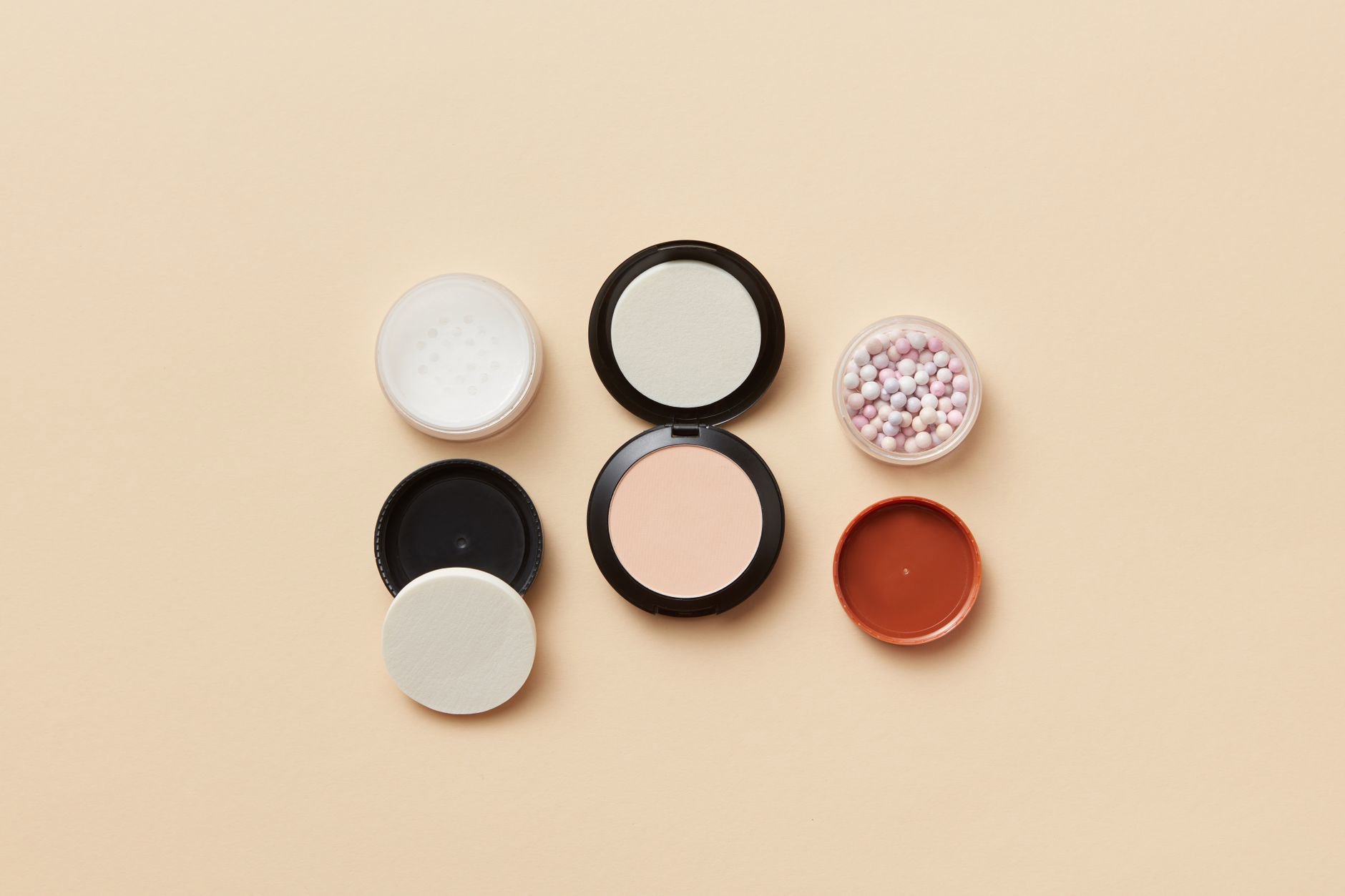
Pressed powder and setting powder can overlap in what they do, but they rarely overlap in what they do best. Pressed powder usually focuses on quick touch-ups, surface smoothing, and light coverage in a portable compact. Setting powder focuses on locking makeup in place, reducing transfer, and controlling shine for longer wear.
Here’s the catch: brands use “setting” as marketing language on pressed powders all the time. So the more reliable way to tell them apart is to look at format (pressed vs loose), finish (soft-matte vs truly matte vs radiant), and what you need most: touch-up ease, blur, oil control, or longevity.
This guide stays tightly in the pressed-powder lane (because that’s what most Canadians actually carry in a bag), while explaining when a pressed powder can stand in for a “setting powder” step—and when it can’t.
The basics: what each powder is meant to do
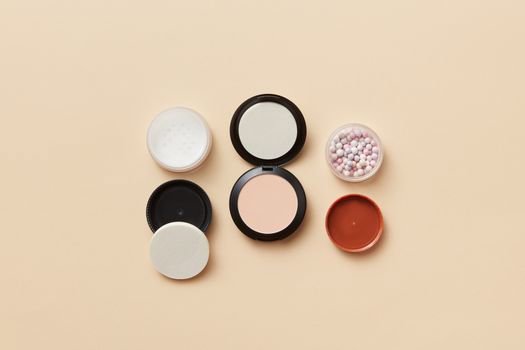
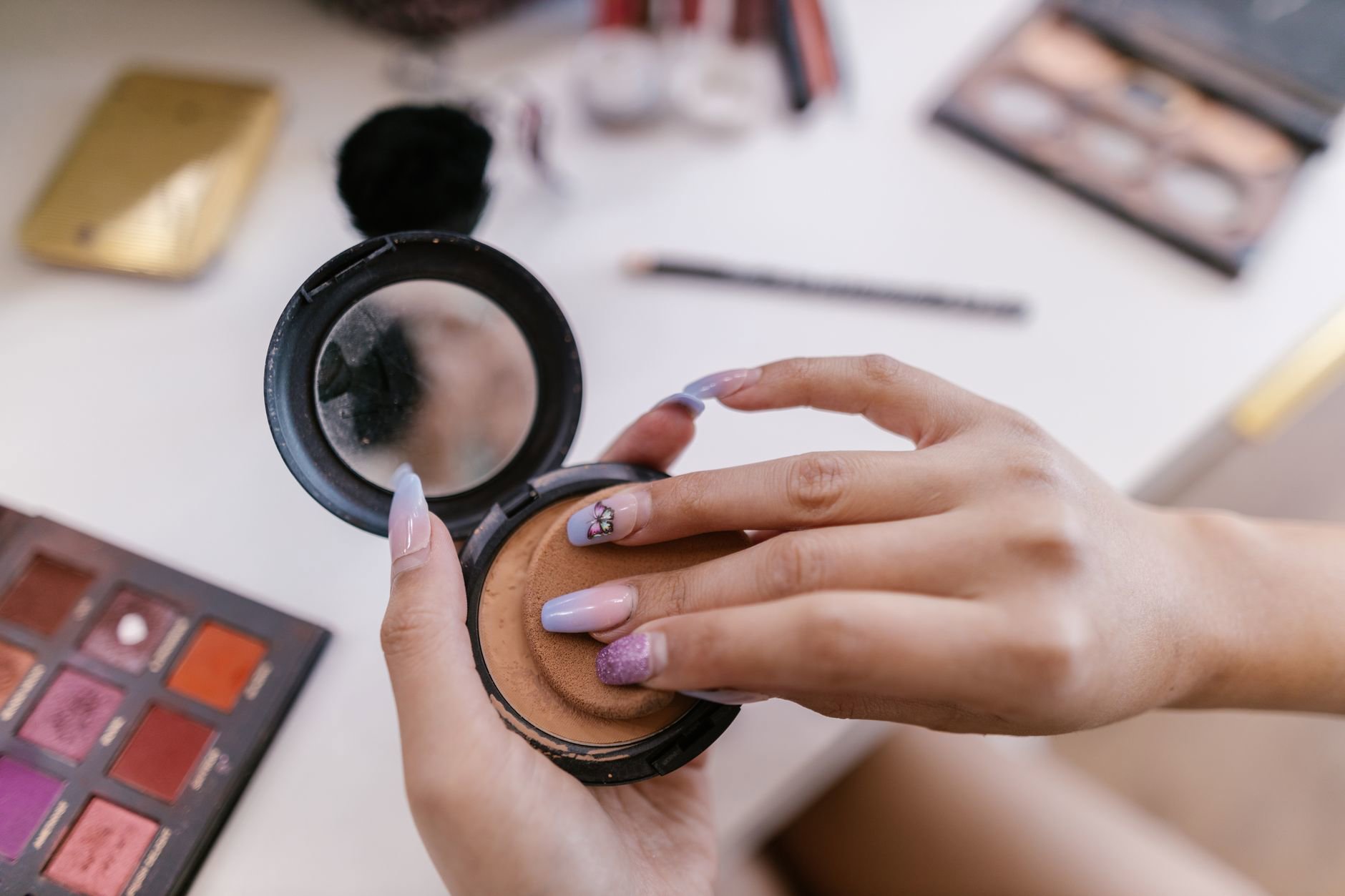
Pressed powder comes compacted into a pan. You apply it with a puff or brush, and you can reapply easily during the day. In most routines, pressed powder acts as a finishing step: it tones down shine, visually smooths pores, and can add a hint of coverage.
Setting powder is a job title more than a product shape. Its core goal: help your base makeup last longer. Many classic setting powders come loose because fine loose particles can sit lightly over makeup and create a “set” film with less visible texture. But brands also sell pressed powders that claim setting benefits.
So where does that leave you as a shopper? Treat “pressed vs loose” as the format decision, and treat “setting vs finishing” as the performance decision. A pressed powder can set makeup enough for many people. It just won’t always give the same transfer resistance as a dedicated loose setting powder.
In Canada, climate matters. Cold, dry winters plus indoor heating can make powder grab onto dry patches. Short humid summers can push you toward oil control and longer wear. The right pressed powder depends on which season (and which rooms) you live in.
Finish and coverage: the visible differences on skin
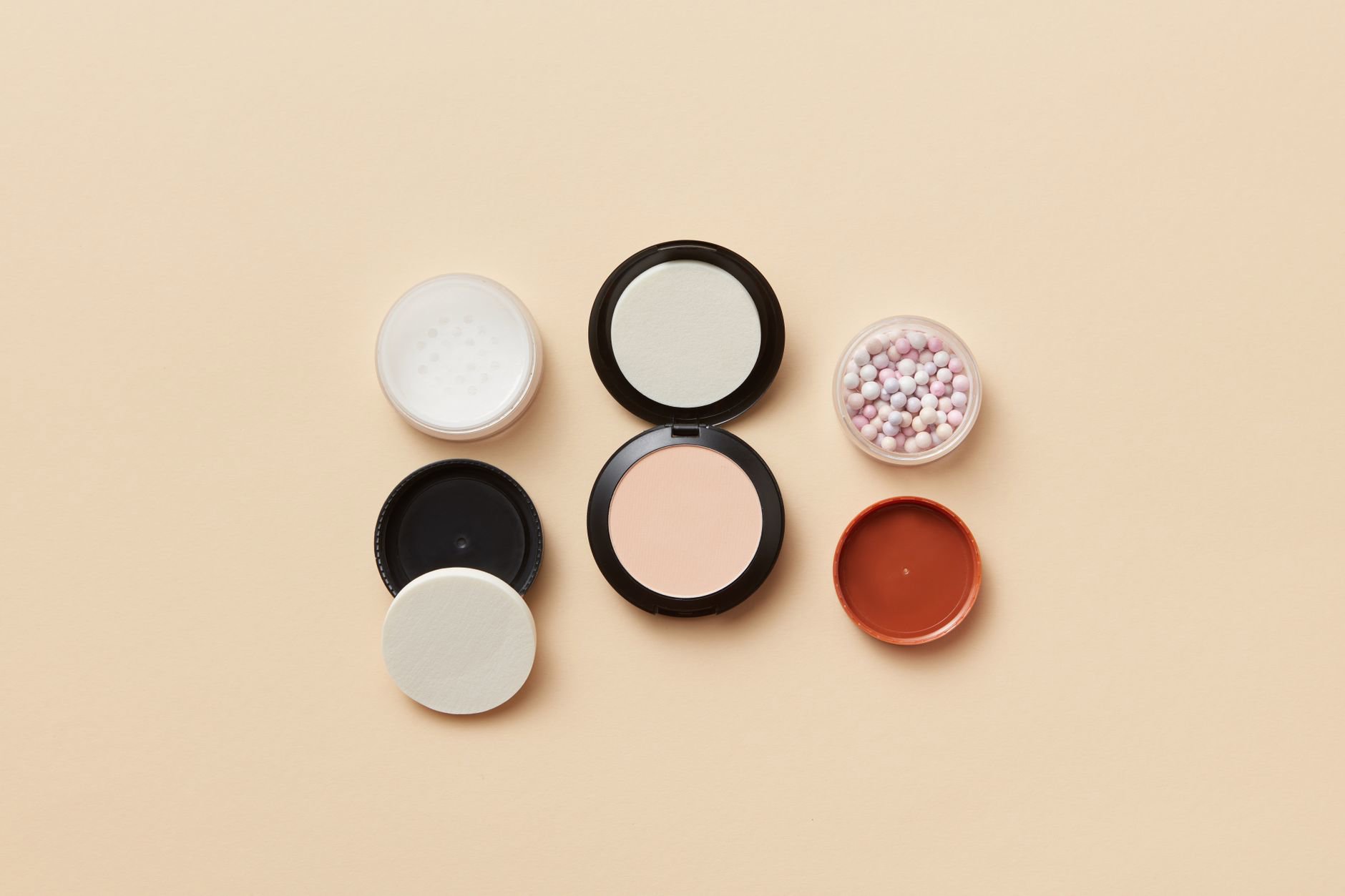
Most people notice the difference between pressed powder and setting powder in the finish. Pressed powders often look more “makeup-like” up close because they contain binders that help the powder press into a pan. Those binders can make the powder sit a touch heavier, especially when layered.
Setting powders (especially loose) often aim for an “invisible” look: they reduce tackiness and shine without adding much colour or coverage. When a pressed powder tries to do that job, it needs to be finely milled and applied in thin layers.
Coverage also splits the two. Pressed powders commonly offer light coverage because compacts frequently come in shade ranges that match skin. That makes them useful for midday correction: tone down redness, even out blotchiness, and soften the look of pores.
What about “cakey”? It usually comes from three things: too much product, applying on damp/tacky base, or using a powder that’s too matte for dehydrated skin. If you want a pressed powder that leans more smoothing and less dry-looking, we’d typically steer shoppers toward finely milled, complexion-matching compacts instead of ultra-matte formulas.
From the brands Canadians often price-compare, this is where lines like Charlotte Tilbury, MAC, and Clinique tend to sit: pressed powders that behave like finishing powders when you apply them lightly. More budget lines like Revolution and Morphe often compete on coverage-per-dollar and oil control, which can read more matte.
Formula science (without the chemistry lecture)
Pressed powders and setting powders can share many ingredients, but the ratio and particle design change the result. Pressed powders need binders and emollients to hold the cake together. Loose setting powders can skip a lot of that structure, which helps them feel lighter.
In practical terms, pay attention to these common powder building blocks on ingredient lists and product claims:
- Talc / mica / silica: these create slip and blur. Silica often targets shine and soft focus, but it can look dry if you over-apply.
- Starches (like corn or rice): these can absorb oil and help with a matte finish, but they can also look powdery when layered.
- Binders and “creaminess” agents: these help pressed powders feel smooth and adhere. They also make touch-ups easier because the powder doesn’t dust everywhere.
- Pigments: more pigment usually means more coverage—and more risk of looking heavy if you stack layers.
“Setting” performance often comes down to oil absorption + reduced tackiness. If your base feels sticky, powders grab and then sit unevenly. So the order matters: let your base settle, then use a thin veil of pressed powder. For extra longevity, concentrate powder where you crease or get oily rather than blanketing the whole face.
One more Canadian-reality note: winter dehydration can make even an oil-absorbing powder look rough by noon. If your skin feels tight indoors, a less matte pressed powder (used sparingly) can look better than a heavy “lock it down” approach.
When to use pressed powder in a routine (and when to skip it)
Pressed powder earns its keep when you need control and portability. Think: commuting, office lighting, post-lunch shine, and quick fixes before photos. You can also use pressed powder as your only base on low-coverage days.
Use pressed powder after your cream or liquid base when you want to reduce shine and improve wear. If you’re shopping in Canada, you’ll see this routine supported across retailers like Sephora Canada and Shoppers Drug Mart, where pressed powders sit next to complexion products as a final-step staple.
Skip pressed powder (or use the lightest possible dusting) when:
- Your skin flakes easily in winter indoor heating.
- You already love a naturally dewy finish and only want shine control in the T-zone.
- You tend to over-apply during touch-ups.
- You see texture emphasised around the nose and mouth within an hour.
Pressed powder can also replace “setting powder” for many routines—especially if you prioritise a natural finish over extreme longevity. But for very oily skin or high-transfer situations, a pressed powder may need mid-day maintenance. That’s not a failure. That’s the trade-off for convenience.
If you want to coordinate your routine steps, we’d keep the rest simple: base makeup (see Liquid Foundations for context), then pressed powder where needed, then a touch-up compact in your bag. Keep application tools consistent too; if you want a softer finish, check the shapes and densities in Makeup Brushes & Applicators (category link for technique ideas).
Choosing a pressed powder by skin type and climate (Canada edition)
Oily skin: You want oil absorption and durability. Look for pressed powders that lean matte and apply them in zones: sides of the nose, centre forehead, chin. Carry the compact and plan for one touch-up. Many shoppers also prefer powders with enough pigment to “reset” the base after blotting.
Dry or dehydrated skin: Prioritise a softer finish and apply less. Pressed powder can still work, but use it like a targeted tool, not an all-over blanket. In January, the best “setting” move often involves letting your base set for a minute, then pressing a whisper-thin layer only where makeup breaks apart.
Combination skin: Mixed strategy wins. Use a puff to press powder into the T-zone, then use a fluffy brush to lightly blend edges. That approach stops the centre of the face from shining while keeping cheeks from looking flat.
Mature skin: Texture reads faster under powder, especially under strong indoor lighting. Finely milled pressed powders and lighter layers matter more than the label. Avoid heavy re-powdering; instead, touch up strategically and keep the layer thin.
We also see seasonal shopping patterns in our price tracking: Canadians tend to replace powders more often in summer (oil control) and switch finishes in winter (comfort). If you only buy one compact, choose the one that looks good on your worst-skin day indoors. That’s the real test.
Pressed powder picks (from our tracked best-sellers) and how to match them to your goal
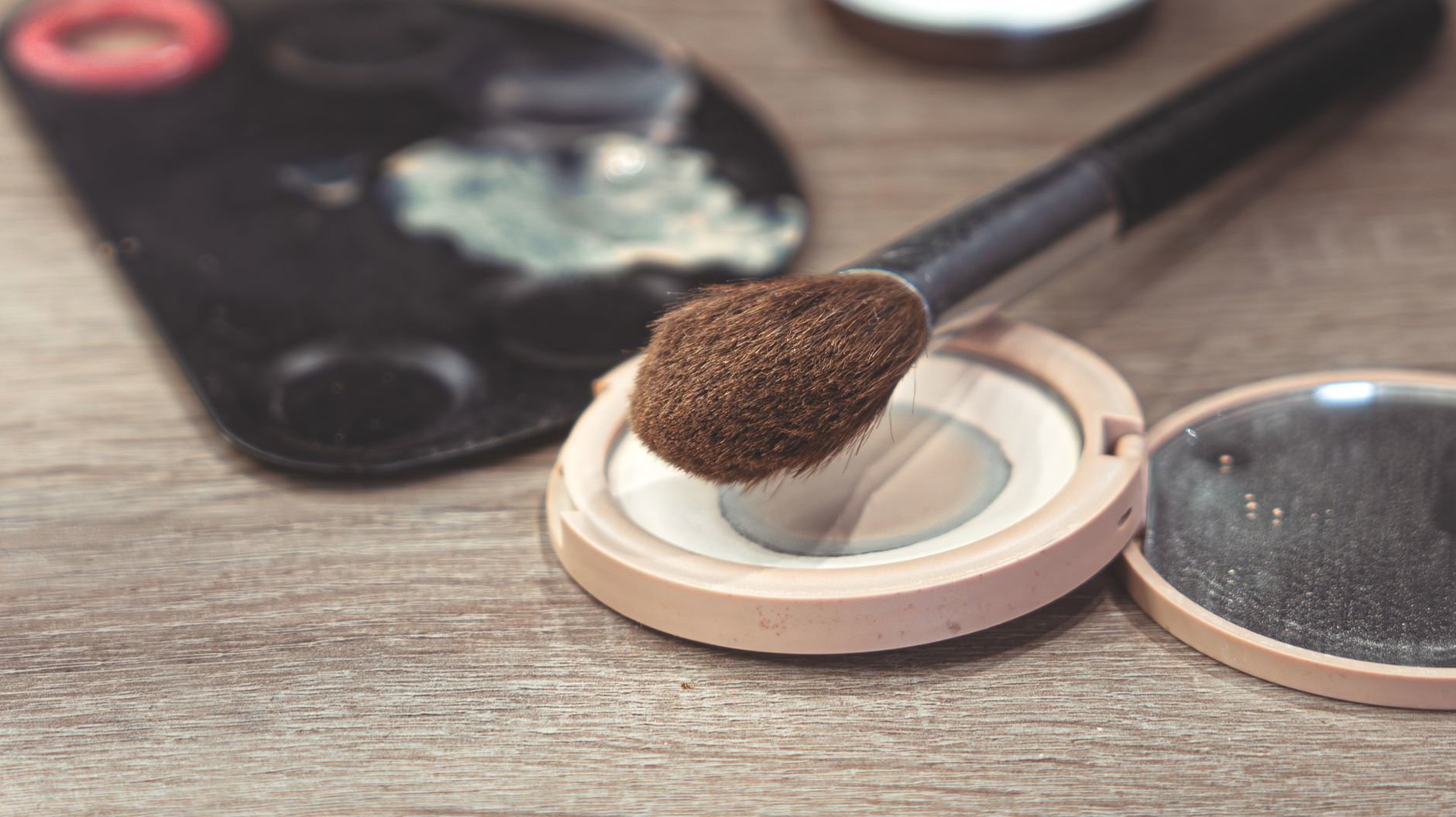
Because this guide focuses on pressed powders only, the best way to shop is by goal: touch-ups, smoothing, oil control, or a more polished “set” over makeup. Here are pressed powders that shoppers commonly cross-shop by brand, with prices shown only where our top-products list includes them.
For a polished set over base (soft-focus, photo-friendly)
- Charlotte Tilbury Airbrush Flawless Finish (Pressed Powder) — price varies by retailer. This one sits in the “finishing that can also set” camp, so apply lightly and build only where needed. Browse other options from Charlotte Tilbury for shade availability in Canada.
- MAC Studio Fix Powder Plus Foundation — price varies by retailer. More coverage potential makes it useful when you want pressed powder to double as base. See more at MAC.
For quick daytime touch-ups (portable, reliable)
- Clinique Stay-Matte Sheer Pressed Powder — price varies by retailer. The name signals the goal: keep shine down without heavy coverage. Check the brand hub at Clinique.
- Sephora Collection Pressed Powder — price varies by retailer. Sephora Collection compacts often compete on value and accessibility at Sephora Canada. Explore the line at Sephora Collection.
For budget-friendly oil control (when you expect to reapply)
- Revolution Pressed Powder — price varies by retailer. If you go through powder quickly, a lower-cost compact makes sense. See the brand page at Revolution.
- Morphe Pressed Powder — price varies by retailer. Morphe shoppers usually look for large pans and simple finishes. More at Morphe.
For luxury texture and finish (if you care about the compact feel as much as the wear)
- Guerlain Pressed Powder — price varies by retailer. Guerlain compacts often land in the premium bracket in Canada. Browse at Guerlain.
- Sisley Pressed Powder — price varies by retailer. Sisley typically sits at the high end, so we’d only pay up if the finish solves a real problem for you. See Sisley.
Where to buy in Canada: Sephora Canada usually carries a broader shade range for prestige options, while Shoppers Drug Mart often runs points promotions that change the effective price. The Bay can be strong on luxury counters when stock holds. Our price tracker often shows that the same compact can swing meaningfully depending on retailer promos, so it pays to compare before you restock.
How to apply pressed powder so it “sets” (not sits)
Application decides whether pressed powder looks seamless or looks like… powder. The goal is to press thin layers into the skin where you need durability, then soften edges so you keep dimension.
Try this step-by-step method:
- Wait 60–120 seconds after applying your base. Tackiness drops, so powder spreads evenly.
- Start with the T-zone. Press (don’t sweep) using a puff or dense brush for the first pass.
- Feather outward with a lighter touch. Use whatever’s left on the tool for cheeks.
- Spot-set crease zones: sides of the nose, smile lines, under-eye edge (avoid the lash line if you crease).
- Touch-up rule: blot first if you can, then add the smallest amount of pressed powder.
Two small technique tweaks make a big difference. First: if you see texture, you used too much pressure or too much product. Second: if you see patchiness, your base stayed damp or you applied over skincare that never absorbed.
For longevity, concentrate powder where friction happens: masks, collars, scarves, and winter coats. Canadians deal with a lot of face-to-fabric contact for half the year, and that contact can beat up your base faster than oil ever will.
Practical takeaways (what to do today)
If you feel stuck between “pressed powder” and “setting powder,” decide what you want to fix first. If you want portability and quick correction, choose a pressed powder compact in a shade that matches your skin well. If you want maximum transfer resistance, you may still prefer a dedicated setting step—but many people get 80% of the benefit by applying pressed powder with a press-and-roll technique in the T-zone.
Next, shop with your environment in mind. In a dry Canadian winter, you can often set less and look better. In a humid summer, you can set more strategically and carry your compact. If your makeup breaks down fast, a more matte pressed powder (like a stay-matte style compact) usually outperforms a luminous finish, but it demands lighter layers.
Finally, keep expectations realistic: touch-ups don’t mean failure. They mean you chose a convenient format. A pressed powder compact gives you control on your schedule.
One last question before you buy
Do you want your powder to act like a portable finisher (blur + touch-up), or like a durability tool (set + reduce transfer)? Tell us your skin type and your usual day (office, outdoors, transit), and we’ll point you toward the pressed powder style that makes the most sense in Canada.